












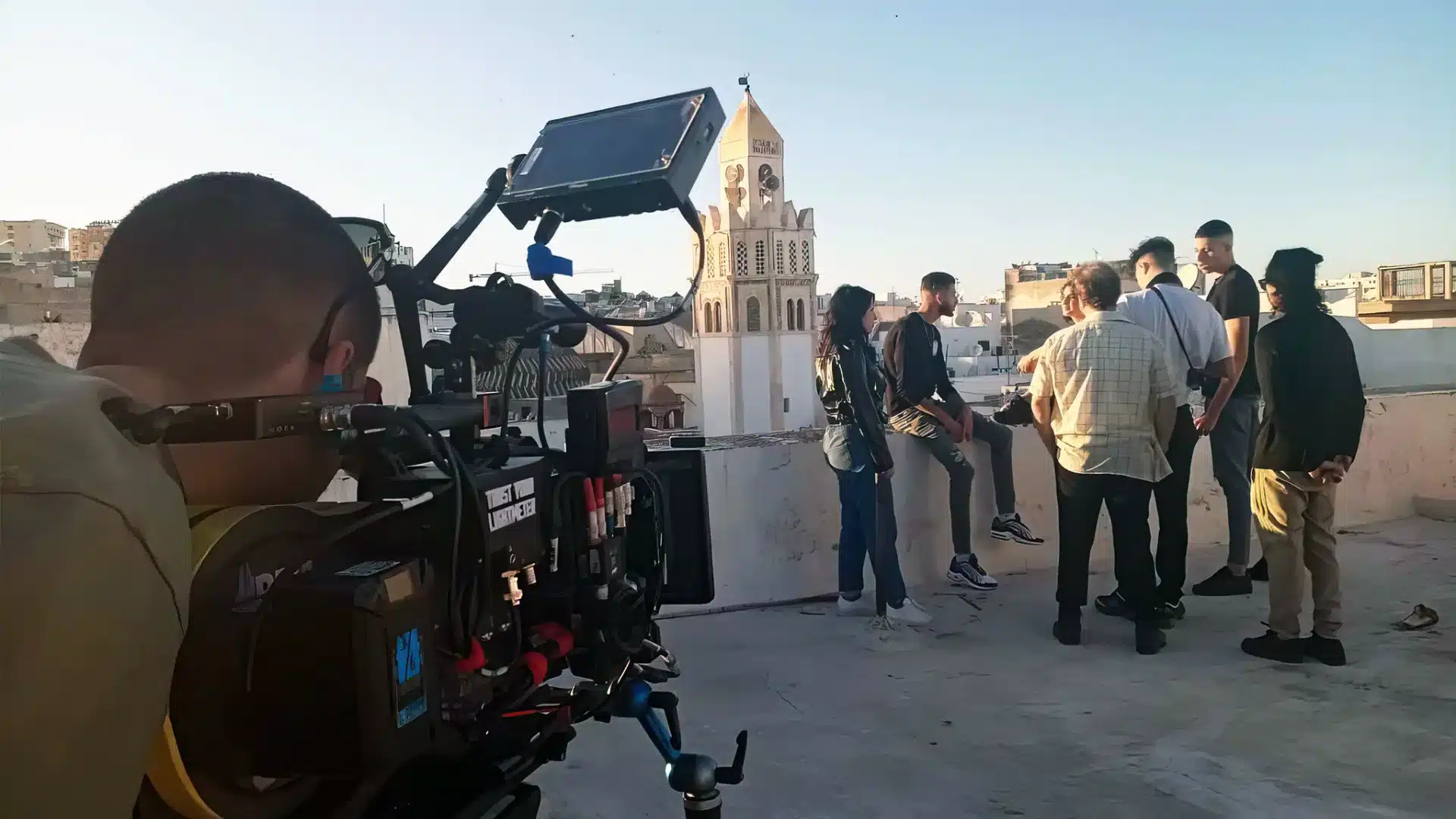

Tunisia as a Filming Destination
Tunisia is a compact North African filming destination with an unusual mix of Sahara landscapes, Mediterranean coastlines, Roman ruins, whitewashed villages, old medinas, island locations and desert film history. For international productions, it offers the visual drama of the desert and the practical advantage of relatively manageable movement between cities, coast and inland locations.
The country is especially useful for commercials, documentaries, travel content, fashion films, automotive shoots, music videos, factual entertainment and scripted projects that need strong North African texture without spreading the crew across extreme distances. A production can base in Tunis, move through Carthage and Sidi Bou Said, travel south to Tozeur and Matmata, and still build in coastal coverage around Djerba, Hammamet or Sousse.
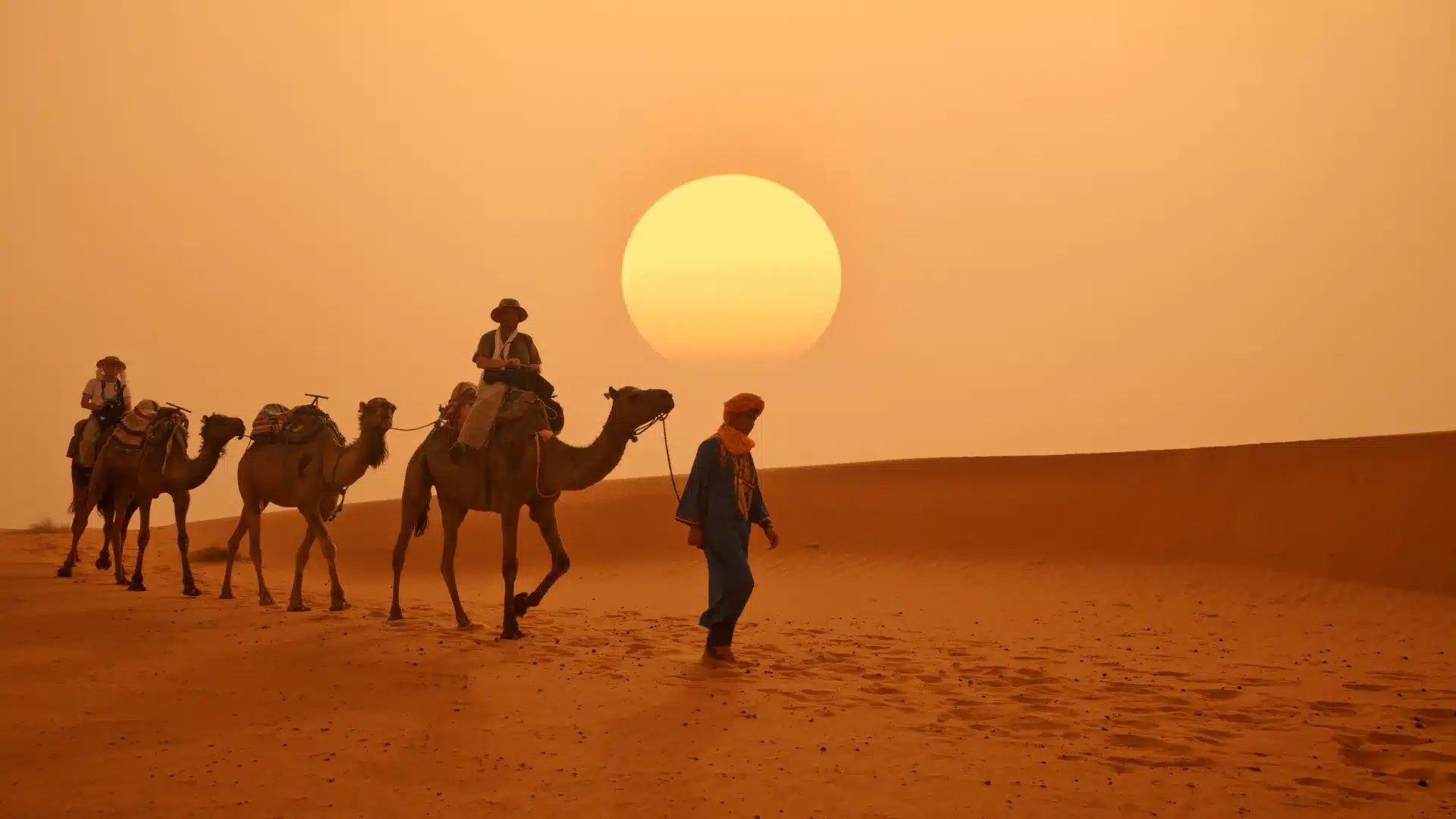
Tunisia has a screen identity that producers already recognise. The southern desert around Tozeur, Ong Jmel, Matmata and Chott el Jerid has been used for major international productions because it offers cinematic scale, dry terrain, salt flats, strange rock formations, traditional dwellings and otherworldly desert light. This is one of Tunisia’s biggest advantages over more generic Mediterranean destinations.
Film Production Services in Tunisia are valuable because the country has a few production-specific pressure points that crews need to handle early. The permit route differs for film productions and journalists. Drone filming is tightly controlled. Equipment customs requires more than an ATA Carnet. Even with a carnet, productions must arrange a Custom Equipment Release Permit or risk gear being held at customs.
Hoodlum provides Production Support Tunisia services for international crews that need fixers, permits, customs support, drone planning, location scouting, equipment coordination and on-ground logistics. Our Film Fixers in Tunisia help crews use the country’s creative range while avoiding the paperwork mistakes that can slow a shoot before it begins.
Why Tunisia Works for Desert, Heritage and Mediterranean Productions
Tunisia is not a one-look country. Its strength is the ability to deliver several distinct production worlds in one schedule.
Tunisia can offer:
- Sahara desert landscapes
- Salt flats and dry lake beds
- Oasis towns
- Troglodyte architecture in Matmata
- Roman ruins and amphitheatres
- Ancient Mediterranean sites
- White-and-blue coastal village streets
- Historic medinas
- Resort coastlines
- Island locations
- French-influenced urban textures
- North African markets and street life
This makes Tunisia especially strong for:
- Desert commercials
- Automotive shoots
- Travel and tourism campaigns
- Fashion editorials
- Music videos
- Historical documentaries
- Archaeology and culture programming
- Mediterranean lifestyle content
- Factual entertainment
- Adventure formats
- Scripted sequences needing North African or ancient-world looks
The practical advantage is movement. Tunisia is smaller than many countries used for desert production, which means a crew can often combine several visual identities without the same level of internal travel required elsewhere. Tunis can serve as a strong production base, while the south gives access to desert locations that feel much larger and more remote on screen.
Hoodlum helps productions decide how to structure that route. A shoot might combine Tunis, Carthage and Sidi Bou Said for city and coastal work, then move south for Tozeur, Ong Jmel, Matmata and Chott el Jerid. The result is a production plan that feels visually broad but remains operationally controlled.
Best Time of Year to Film in Tunisia
Tunisia’s best filming window depends on whether the shoot is focused on the coast, the desert or mixed locations.
For many productions, spring and autumn are the most practical periods. These seasons are more comfortable for exterior work in Tunis, Carthage, Sidi Bou Said, Sousse, Hammamet, Djerba, Tozeur and desert regions.
Summer can work for resort, beach and tourism content, but inland and southern locations can become very hot. Desert locations around Tozeur, Douz, Matmata, Ong Jmel and Chott el Jerid need careful scheduling during hotter months.
Productions filming in summer should prepare for:
- Early call times
- Shorter exterior shooting blocks
- Heat breaks for crew and talent
- Extra water supply
- Shade and cooling plans
- Medical support for exposed locations
- Dust protection for equipment
- Heat protection for cameras, batteries and sound gear
- Backup shaded or interior locations
Coastal areas such as Hammamet, Sousse, Monastir, Mahdia, Djerba and Cap Bon can be useful for warm-weather lifestyle and resort shoots, but hotel occupancy, beach activity and guest privacy need to be managed.
Hoodlum helps crews choose the right season for the creative brief, especially where the schedule combines desert, coast and heritage locations.
Tunis as a Production Base
Tunis is the natural production base for many international shoots in Tunisia. It provides access to local crew, suppliers, transport, hotels, government offices, production partners and a wide range of urban and historic locations.
Tunis can offer:
- Historic medina streets
- French-influenced boulevards
- Markets and souks
- Modern business districts
- Government-adjacent areas
- Residential neighbourhoods
- Cafes and interiors
- Coastal suburbs
- Road access to Carthage and Sidi Bou Said
Useful areas may include:
- Medina of Tunis
- Avenue Habib Bourguiba
- La Marsa
- Gammarth
- Carthage
- Sidi Bou Said
- Tunis city streets
- Modern commercial districts
- Traditional market areas
- Coastal suburbs
Tunis works well for:
- Documentary interviews
- Street-level commercials
- Fashion and lifestyle shoots
- City inserts
- Travel programming
- Branded content
- Cultural filming
- Production base logistics
The city can look historic, coastal, contemporary or administrative depending on the area selected. Hoodlum helps productions scout Tunis with practical access in mind, including permissions, traffic, loading, parking, crowd management and timing.
Carthage and Sidi Bou Said
Carthage and Sidi Bou Said are two of Tunisia’s most distinctive filming areas, and they serve very different creative purposes.
Carthage gives productions ancient Mediterranean history, archaeological ruins, coastal light and cultural depth. It can support documentaries, heritage programming, travel films, educational content and premium commercials that need a historic North African setting.
Sidi Bou Said offers one of Tunisia’s most recognisable visual identities. Its white buildings, blue doors, narrow streets, sea views, cafés and hillside setting make it especially useful for lifestyle content, fashion shoots, tourism campaigns and elegant Mediterranean visuals.
These areas work well for:
- Travel campaigns
- Fashion shoots
- Premium commercials
- Cultural programming
- Documentary inserts
- Lifestyle visuals
- Establishing shots
- Heritage content
Because these locations are popular and sensitive, productions should plan around visitor movement, property permissions, access hours, filming restrictions and public management. Hoodlum helps crews decide where the location can be used naturally and where a quieter alternative may be more practical.
Roman and Ancient World Locations: El Jem, Dougga and Beyond
Tunisia is one of the strongest countries in North Africa for Roman and ancient-world locations. These sites give productions scale, texture and historical credibility without needing heavy set construction.
Important heritage locations may include:
- El Jem Amphitheatre
- Dougga
- Carthage
- Bulla Regia
- Sbeitla
- Kerkouane
- Thuburbo Majus
- Kairouan
- Medina of Sousse
El Jem is especially valuable for productions that need Roman architectural scale. Its amphitheatre can support historical documentaries, culture programming, premium branded films, travel content and scripted inserts.
Dougga offers extensive ruins with a strong sense of place, while Carthage connects the country to ancient Mediterranean history. Kairouan and the medinas of Tunis and Sousse provide Islamic and North African heritage rather than Roman architecture, giving productions a broader historical palette.
Heritage sites may require additional planning and can add up to 10 working days for coordination where sensitive access is involved. Hoodlum helps productions understand which sites are practical for filming, what permissions may be required and how to schedule around visitor access, site rules and preservation requirements.
Sahara Filming: Tozeur, Ong Jmel, Matmata and Chott el Jerid
Southern Tunisia is the country’s most cinematic production zone. It is the part of Tunisia that feels immediately different from Mediterranean coastal locations and gives the country much of its international screen value.
Key desert and southern locations include:
- Tozeur
- Ong Jmel
- Matmata
- Chott el Jerid
- Douz
- Nefta
- Tamerza
- Chebika
- Mides
- Sahara desert roads
- Oasis landscapes
- Salt flats
- Dry lake beds
These locations can support:
- Desert commercials
- Automotive shoots
- Fashion campaigns
- Music videos
- Adventure content
- Science fiction-inspired visuals
- Travel programming
- Documentary sequences
- Expedition-style filming
Tozeur is a practical gateway for southern desert filming. Ong Jmel is known for its cinematic desert formations and film-set history. Matmata is visually distinct because of its underground dwellings and traditional architecture. Chott el Jerid offers salt flat imagery, open horizons and surreal light.
These areas are powerful on camera, but they need proper logistics. Productions should plan for long movement times, heat, dust, remote access, water supply, communications, vehicle reliability and medical support.
Hoodlum helps crews structure desert filming so the route, safety plan, equipment movement and location access are realistic.
Matmata and Tunisia’s Underground Architecture
Matmata deserves special attention because it is not a standard desert village location. Its underground homes and troglodyte architecture give productions a look that is strongly associated with southern Tunisia.
Matmata can work for:
- Travel documentaries
- Cultural programming
- Period-inspired scenes
- Music videos
- Fashion films
- Desert lifestyle content
- Documentary interviews
- Scripted sequences needing unusual architecture
The location requires respectful coordination with local communities, property owners and authorities. Access, privacy, cultural sensitivity and heat management should be planned before the crew arrives.
Hoodlum helps productions manage Matmata as a living community and production location, not just a visual backdrop.
Chott el Jerid and Salt Flat Filming
Chott el Jerid is one of Tunisia’s most visually distinctive natural locations. Its salt flats, dry lake surface, mirage-like horizons and open space can create a scale that feels otherworldly on camera.
It is useful for:
- Automotive commercials
- Fashion campaigns
- Music videos
- Desert travel films
- Abstract brand films
- Adventure sequences
- Wide establishing shots
Filming on salt flats requires careful vehicle planning and local knowledge. Surface conditions can vary, and access should not be improvised. Productions should consider weather, safety, recovery plans, vehicle choice, communications and equipment protection.
Hoodlum helps crews assess whether Chott el Jerid is suitable for the planned activity and how to manage it safely.
Djerba and Tunisia’s Island Look
Djerba offers a softer island identity within Tunisia. It gives productions beaches, whitewashed buildings, fishing areas, markets, heritage sites, resorts and a slower coastal rhythm.
Djerba can work well for:
- Tourism campaigns
- Lifestyle shoots
- Resort content
- Beach scenes
- Documentary work
- Cultural programming
- Marine-adjacent filming
- Fashion films
The island can help productions capture Tunisia’s coastal and cultural side without relying only on the more familiar locations around Tunis or Hammamet. Djerba is also useful when the brief needs island atmosphere but still wants a North African identity.
Productions should plan around ferry or flight logistics, accommodation, local transport, beach access, resort approvals and filming permissions.
Hammamet, Sousse, Monastir and the Resort Coast
Tunisia’s resort coast is useful for productions that need Mediterranean beaches, hotels, marinas, tourism infrastructure and polished seaside visuals.
Key coastal areas include:
- Hammamet
- Sousse
- Monastir
- Mahdia
- Cap Bon
- Port El Kantaoui
- Coastal resort zones
These areas can support:
- Tourism campaigns
- Resort commercials
- Lifestyle shoots
- Branded social content
- Travel programming
- Hospitality content
- Beach scenes
- Marine-adjacent coverage
The production value is accessibility. Coastal Tunisia gives crews hotel infrastructure, scenic roads, beach environments, restaurants, marinas and sea views without the scale of a more remote island shoot.
The main practical issues are hotel permissions, guest privacy, beach access, equipment loading, filming hours, drone rules and seasonality. Hoodlum helps crews negotiate access and keep resort filming aligned with the approved permit plan.
The Tunisia Permit Split: Film Productions vs Journalists
Tunisia has an important permit distinction that productions must get right early.
Film and commercial production permits apply to:
- Commercials
- Documentaries
- Television productions
- Reality shows
- Music videos
- Branded content
- Non-news factual projects
- Film projects
These are issued through the Ministry of Culture and require a local production company.
News and journalist permissions apply to:
- Journalists
- News crews
- Current affairs reporting
- Press-related filming
These are issued through the Prime Minister’s Office. The process usually begins through the Tunisian Embassy in the crew’s home country, followed by government approval in Tunisia.
Standard film permit requirements may include:
- Synopsis
- Company letter on official letterhead
- Locations and shooting schedule
- Crew list
- Passport copies
- Local fixer details
- Equipment list with serial numbers
- Production company information
- Project purpose
- Filming dates
Standard film permits usually take 6 to 10 working days. Costs are typically around USD 700 to USD 1,500, depending on the production scope and requirements.
Hoodlum helps productions identify the correct route from the beginning. This matters because applying through the wrong category can slow down approvals or create avoidable confusion with authorities.
Entry, Visas and Currency Rules for Productions
Visa requirements depend on nationality, length of stay and travel purpose. Many nationalities may enter Tunisia visa-free for up to 90 days, but every crew should confirm requirements with the Tunisian embassy before travel.
Tunisia does not have an official e-visa system. Productions should avoid unofficial visa websites and use official embassy or government guidance.
Typical entry documentation may include:
- Valid passport
- Visa application, if required by nationality
- Passport-style photo, where applicable
- Travel itinerary
- Accommodation confirmation
- Return or onward ticket
- Production invitation letter, if travelling for work
- Local production partner details
Tunisia also has currency rules that productions should plan around.
Key currency notes:
- Currency: Tunisian Dinar, also known as TND
- Money export: Unlimited
- Declaration required: Above 20,000 TND
- Import of Tunisian Dinar: Restricted
This matters for cash floats, supplier payments, location fees and crew expenses. Hoodlum helps productions plan payments and local expense handling so the financial side of the shoot does not create unnecessary friction.
Customs in Tunisia: Carnet Is Not Enough
Customs is one of the most important production planning points in Tunisia. The country is an ATA Carnet country, but productions should not assume that the carnet alone will clear equipment.
Even with an ATA Carnet, productions must apply for a Custom Equipment Release Permit. Without this additional permit, equipment can be held at customs.
Typical customs documents may include:
- ATA Carnet, if applicable
- Custom Equipment Release Permit
- Equipment list with serial numbers
- Permit documentation
- Fixer details
- Production paperwork
- Passport copies, where required
- Freight or airway bill information, where relevant
Customs preparation usually takes 10 to 20 working days.
Productions should also budget for on-arrival equipment-related fees paid to the Frequency Agency:
- 40 TND per camera
- 40 TND per microphone
This is a major Tunisia-specific detail. A crew can have the correct carnet and still face delays if the customs release permit has not been arranged. Hoodlum helps productions prepare the equipment list, coordinate the customs release process and make sure serial numbers, permit paperwork and fixer details match.
Drone Filming in Tunisia: Plan Early or Do Not Bring the Drone
Drone filming in Tunisia is strictly controlled. Productions should not bring drones into the country unless approval has been secured in advance.
Drone approvals may involve:
- Ministry of Defence
- Ministry of Interior
- Civil Aviation Authority
Importing a drone without approval creates a real confiscation risk. Drone planning should start early, not during the final week of prep.
Typical drone requirements may include:
- Proposed locations
- Shooting schedule
- Production details
- Drone details
- Operator information
- Flight purpose
- Local production partner details
Minimum timing is usually 30 days. For safer planning, productions should allow 6 to 8 weeks.
Approximate drone cost is around USD 1,500 for permit and operator arrangements, depending on the shoot and provider.
Drone approval is separate from the film permit, private location access and customs preparation. Hoodlum helps productions decide whether drone footage is realistic or whether the creative should use alternative elevated angles, vehicle rigs, cranes or ground-based coverage.
Safety and Security for Productions in Tunisia
Tunisia is generally safe for filming when productions work through the right local channels and follow permit conditions. The country has developed tourism infrastructure, experienced local suppliers and workable access to city, coast, desert and heritage locations.
Security planning becomes more important for:
- Drone filming
- Restricted areas
- Sensitive locations
- Government-adjacent filming
- Military-sensitive locations
- Large public-facing shoots
- Remote desert locations
- Certain heritage sites
Police or military presence may be required in these cases.
Key safety considerations include:
- Secure crew and equipment transport
- Local drivers for city and desert movement
- Heat planning in southern Tunisia
- Water and communications planning for desert shoots
- Medical support for remote areas
- Crowd management in public spaces
- Clear permit documentation on location
- Insurance aligned with the actual production activity
- Extra lead time for sensitive sites
The main production risks in Tunisia are rarely about the locations themselves. They usually come from under-planning customs, drones, sensitive sites or desert logistics. Hoodlum helps crews manage those risks before the shoot reaches the expensive stage.
When Tunisia Is the Right Production Choice
Tunisia is a strong choice when a production needs desert drama, ancient-world scale, Mediterranean coast, North African architecture and efficient internal movement.
The destination is especially suitable for:
- Desert commercials
- Automotive shoots
- Travel campaigns
- Historical content
- Archaeology documentaries
- Fashion films
- Music videos
- Resort and coastal content
- Factual entertainment
- North African lifestyle visuals
- Productions needing Sahara access close to Europe
Tunisia may be less suitable for productions that need:
- Casual drone use
- Instant customs clearance
- No local production partner
- Last-minute permit changes
- Large informal crews arriving without paperwork
- A schedule that depends on unapproved heritage access
Tunisia works best when the production respects the country’s practical rhythm. Permits are not usually as long as Egypt’s, but customs and drones can create serious delays if left too late.
Common Tunisia Filming Mistakes
Avoid:
- Assuming Tunisia has an official e-visa system
- Using unofficial visa websites
- Choosing the wrong route for film versus journalism
- Forgetting that film permits require a local production company
- Leaving Ministry of Culture permits too late
- Assuming an ATA Carnet is enough for equipment
- Forgetting the Custom Equipment Release Permit
- Arriving without serial numbers on the equipment list
- Ignoring the 40 TND camera and microphone fees
- Bringing drones without approval
- Underestimating drone lead times
- Treating heritage sites as simple public locations
- Not allowing extra time for sensitive sites
- Underestimating heat and movement in the south
- Working without experienced Film Fixers in Tunisia
Most delays are preventable. Tunisia is a practical production destination when paperwork, customs, drone permissions and location access are handled early.
How Hoodlum Supports Production in Tunisia
Hoodlum provides Film Production Services in Tunisia for international crews that need strong local coordination across permits, locations, customs, drones and production logistics.
Support may include:
- Local fixer services
- Ministry of Culture permit coordination
- Journalist process guidance, where relevant
- Location scouting
- Private location agreements
- Heritage and sensitive site coordination
- Desert logistics
- Djerba and coastal planning
- Drone approval planning
- Customs release permit support
- ATA Carnet coordination
- Equipment list preparation
- Crew and supplier coordination
- Transport and driver planning
- Accommodation support
- Safety and security planning
- On-ground production management
Hoodlum brings deep local knowledge and full-service production support to Tunisia’s most distinctive filming environments, from the medinas of Tunis and the ruins of Carthage to the salt flats of Chott el Jerid, the desert landscapes of Tozeur, the underground architecture of Matmata and the coastal locations of Djerba and Sidi Bou Said. We help crews manage the permit route, customs release process, drone restrictions, location access and local logistics so the production arrives prepared and ready to shoot.
FAQ
Do international crews need a visa to film in Tunisia?
Visa requirements depend on nationality, length of stay and purpose of travel. Many nationalities may enter Tunisia visa-free for up to 90 days, but crew should confirm with the Tunisian embassy before travel. Tunisia does not have an official e-visa system.
How long do film permits take in Tunisia?
Standard film permits usually take 6 to 10 working days. Additional time may be required for heritage sites, sensitive areas, drones, larger crews or complex public access.
Who issues film permits in Tunisia?
Film and commercial production permits are issued through the Ministry of Culture and require a local production company. News and journalist permissions follow a different process through the Prime Minister’s Office.
Can productions use drones in Tunisia?
Drone use is possible only with prior approval. Drone permissions may involve the Ministry of Defence, Ministry of Interior and Civil Aviation Authority. Productions should allow at least 30 days, with 6 to 8 weeks recommended.
Can international crews bring drones into Tunisia?
Crews should not bring drones into Tunisia without approval. Importing drones without clearance creates a confiscation risk.
Is Tunisia an ATA Carnet country?
Yes. Tunisia is an ATA Carnet country, but a carnet alone is not enough. Productions must also apply for a Custom Equipment Release Permit.
What equipment fees apply on arrival in Tunisia?
On-arrival fee of 40 TND per camera and 40 TND per microphone, paid to the Frequency Agency.
Is Tunisia good for commercial filming?
Yes. Tunisia is strong for commercials, automotive shoots, fashion films, tourism campaigns, music videos, travel content and desert visuals. It offers Sahara locations, Roman ruins, Mediterranean coastlines and compact production logistics.
Productions Filmed in Tunisia
Tunisia has a strong international production history, especially for desert, ancient-world and science fiction settings. Its southern landscapes, traditional architecture, salt flats and historic locations have made it one of the region’s most recognisable screen destinations.
The country is widely associated with desert film history, including productions that used the south of Tunisia for otherworldly landscapes and village settings. That screen legacy remains useful for producers because Tunisia still offers real desert texture, unusual architecture and strong location identity without requiring a completely remote production footprint.
For international crews, Tunisia’s value is not only its locations. It is the combination of Sahara access, Mediterranean infrastructure, experienced local support and a relatively compact filming route.
External Authority Links
Recommended external authority links:
- Tunisian Embassy visa services
- UK Travel Advice for Tunisia entry requirements
- US Travel State Department Tunisia information
- Tunisian Customs
- Tunisia Tourism official resources
- Centre National du Cinéma et de l’Image (CNCI)
- Ministry of Cultural Affairs
- Office of Civil Aviation and Airports — OACA
Planning a shoot in Tunisia? Contact Hoodlum for film permits, local fixers, location scouting, customs support, drone planning and on-ground production management. You can also view the Hoodlum Film Fixers Tunisia Google Business Profile for local production details.