Seychelles is considered a safe and stable filming destination. Productions should still plan carefully around environmental regulations, weather conditions, and logistics between islands.
Seychelles
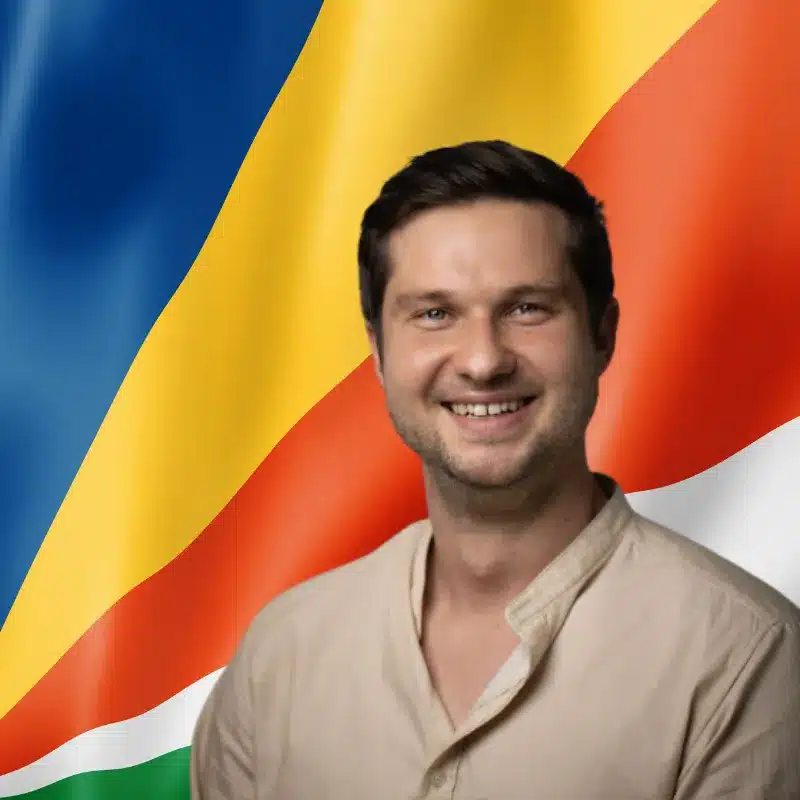
Victoria, Anse Boileau, Beau Vallon
French,English, Seychellois Creola
Seychelles Rupee (SCR)
Tropical Climate
You can start your Visa Application here.
Professional filming in Seychelles requires filming permission, and all crew members must be declared as part of the application process.
General filming permissions are handled through the Seychelles Film Classification & Permit Office.
Private filming locations are generally sourced through a fixer or production company, with agreements made directly with property owners, resorts, or managers. Additional permissions may be required depending on the site.
Location costs are negotiated on a case-by-case basis
Drone use in Seychelles is strictly regulated and requires prior approval before operation.
Drone importation and operation should be coordinated in advance, with all relevant technical and operational details prepared before arrival.
The relevant authority is the Seychelles Civil Aviation Authority.
Processing typically takes 2 to 3 weeks.
Costs vary depending on the project and proposed operation.
Seychelles accepts ATA Carnet. Temporary importation can usually be arranged using a carnet or through customs declaration procedures.
The relevant authority is the Seychelles Revenue Commission (Customs).
Seychelles is considered a safe and stable filming destination. Productions should still plan carefully around environmental regulations, weather conditions, and logistics between islands.
Seychelles does not currently offer a formal film rebate or tax incentive scheme.
Seychelles
Fill in our client brief and we’ll get back to you with everything you need to start filming in this region.
















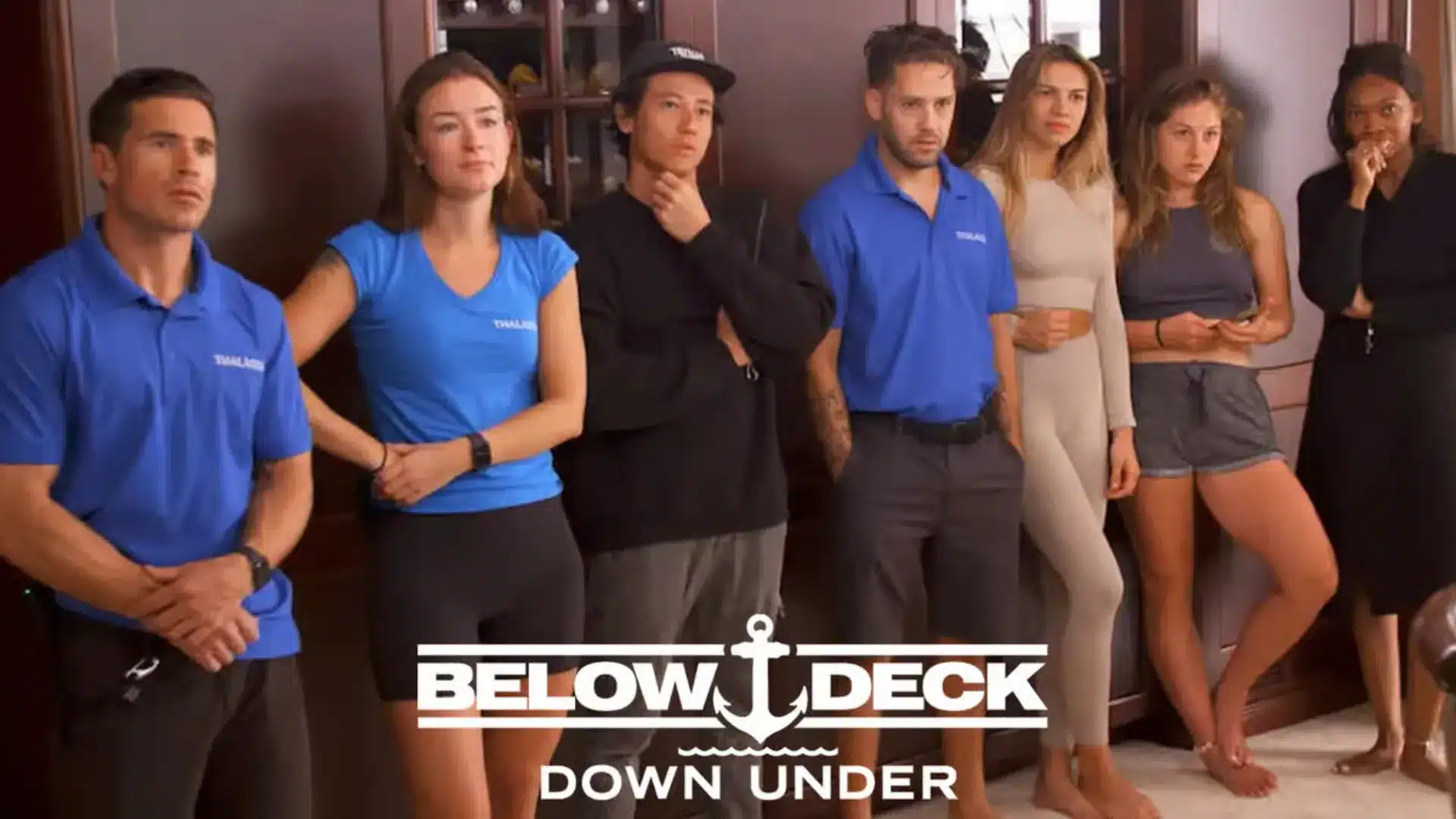
Reality TV Filming in Seychelles comes with a very specific kind of production…
Seychelles is one of the Indian Ocean’s most visually polished filming destinations, offering granite islands, coral reefs, turquoise lagoons, luxury resorts, tropical forests, white-sand beaches, marine life, protected nature reserves and compact island logistics. For commercials, travel campaigns, documentaries, branded content, resort films, fashion shoots, marine productions and luxury lifestyle content, Seychelles gives international crews a highly cinematic island environment with strong tourism infrastructure and stable operating conditions.
Hoodlum provides Film Production Services in Seychelles for commercials, luxury travel campaigns, documentaries, branded content and marine productions across Mahé, Victoria, Beau Vallon, Anse Boileau, Praslin, La Digue, private islands, coral reefs and resort locations. Our team supports productions with Travel Authorisation guidance, Seychelles Film Classification & Permit Office permit coordination, local fixers, location scouting, resort access, private island permissions, ATA Carnet customs planning, SCAA drone approvals, marine logistics, crew sourcing and full on-ground production management.
Seychelles is safe, stable and production-friendly, but professional filming still requires proper approvals. Productions should plan early for filming permits, declared crew and equipment, drone authorisation, customs clearance, protected-area permissions, resort agreements and environmental compliance. Island locations may look effortless on screen, but behind the frame there is always a tide chart, a boat schedule and at least one permit quietly guarding the beach.
Seychelles works well for productions that need refined tropical visuals, luxury resort access, marine environments, beaches, granite formations, nature reserves and polished island infrastructure. It is particularly strong for high-end campaigns that need immediate visual beauty without the logistical heaviness of more remote island destinations.
The destination is especially suitable for:
Mahé is the main production base, with Victoria, Beau Vallon, Anse Boileau, airport access, hotels, suppliers, roads and government liaison points. Praslin offers beaches, resorts, forest landscapes and access to Vallée de Mai. La Digue gives productions distinctive island roads, bicycle movement, granite boulders and some of the most recognisable beach imagery in the Indian Ocean.
The strength of Seychelles is its controlled beauty. Productions can move between beaches, forests, resorts, harbours, villages and marine locations without crossing a vast landmass. The key is making sure each location is properly permitted and environmentally appropriate.
Seychelles has a tropical climate with warm temperatures throughout the year. The hot and wetter season generally runs from November to April, while the cooler and drier season runs from May to October.
Productions should plan around:
The cooler, drier season is often more practical for commercials, fashion shoots, resort campaigns and exterior filming. The wetter season can still work, especially for lush tropical visuals, but productions should allow flexibility for rain, humidity and sea conditions.
Marine shoots should be planned around tides, visibility, wind and safety. A beach may be perfect at sunrise and completely different by midday. Hoodlum helps productions build realistic schedules around island weather, sea movement and light.
Seychelles is visa-free for all nationalities, but all travellers must obtain Travel Authorisation before departure. This is mandatory and should be completed through the official government platform only.
Typical entry requirements include:
Travel Authorisation is usually processed within up to 24 hours. Standard processing costs approximately €10.
Productions should avoid third-party Travel Authorisation websites, as these may charge higher fees and may not be accepted. The official government platform should always be used.
Entry permission does not replace filming permission. Professional productions still need filming permits, location approvals, drone permissions and customs documentation where applicable.
Hoodlum helps crews align travel requirements with production paperwork so arrival is clean and the shoot can move into prep without avoidable entry issues.
All professional productions require filming permits, and all crew must be declared. Crew declaration is important because it links the production company, project, crew, schedule and equipment with the official filming approval.
Typical crew and production documentation may include:
Processing is generally estimated at 2 to 4 weeks. Costs vary depending on production scale.
Productions with large crews, drones, marine filming, conservation locations, private islands, public beaches or environmentally sensitive areas should allow additional lead time.
Hoodlum helps productions prepare crew declarations and supporting documents so the permit office can review the actual project clearly.
The Seychelles Film Classification & Permit Office is the key issuing authority for professional filming permits. This office coordinates approval for film activity and may require supporting documentation depending on project type, locations and production footprint.
Typical film permit documentation may include:
Permit processing usually takes approximately 1 to 3 weeks, depending on required approvals. More complex shoots may need additional time, especially where protected areas, drone work, marine activity, public beaches or private island permissions are involved.
Costs vary depending on the project, scale, locations and level of official coordination required.
Hoodlum helps productions prepare clear permit submissions and coordinate with the Seychelles Film Classification & Permit Office so the approval process matches the real filming plan.
Mahé is the main production base in Seychelles. It offers airport access, Victoria, Beau Vallon, Anse Boileau, hotels, roads, beaches, harbours, forests, viewpoints, private properties and practical supplier access.
Useful Mahé filming looks include:
Mahé is practical for commercials, travel campaigns, documentaries, resort shoots, branded content and marine-adjacent filming. It is often the best base for productions that need strong visuals without complex inter-island movement.
The main planning issues are public filming permissions, resort access, road movement, beach use, weather, drone restrictions and equipment protection from salt, sand and humidity.
Hoodlum helps productions plan Mahé routes so crews can make the most of island geography without overloading the schedule.
Praslin offers a quieter, more nature-focused production environment, with beaches, resorts, forest landscapes and access to iconic natural sites. It is especially useful for travel campaigns, nature content, resort films, fashion shoots and luxury lifestyle work.
Praslin can support:
Vallée de Mai and other protected environments may require additional permissions and environmental compliance. Productions should not assume that a general filming permit automatically covers protected or conservation-sensitive locations.
Hoodlum helps crews coordinate Praslin access, resort agreements, inter-island transfers and protected-area permissions.
La Digue is visually distinctive, with granite boulders, beaches, small roads, bicycles, local village texture and a slower island rhythm. It is one of the most recognisable island looks in Seychelles.
La Digue is useful for:
Logistics on La Digue are different from Mahé. Equipment movement, transport style, accommodation, public access and timing need to be planned carefully. Some locations may be busy with visitors, and early call times are often useful for clean visuals.
Hoodlum helps productions coordinate local access, transport and timing so the island’s beauty does not get swallowed by practical delays.
Seychelles is particularly strong for luxury resort and private island production. These locations can provide controlled access, high-end interiors, beaches, marine activity, accommodation and strong visual consistency.
Private location filming usually requires agreements with property owners, resort management or private island operators. Additional permits may still apply depending on the location and activity.
Resort and private island agreements should confirm:
A resort approval does not automatically replace a filming permit, drone permission, marine clearance or protected-area permit. Hoodlum helps productions connect private agreements with the official approval process.
Marine production is one of Seychelles’ strongest advantages. Coral reefs, lagoons, beaches, boats, diving, marine wildlife and island channels can support travel, conservation, tourism, commercial and documentary projects.
Marine filming may involve:
Productions should plan carefully around sea conditions. Calm water, clear visibility and safe boat movement are not guaranteed every day. Equipment must also be protected from saltwater, spray, humidity and sand.
Hoodlum helps productions coordinate marine operators, vessel logistics, dive safety, coastal permissions and weather planning.
Environmental and conservation laws are strict. Filming in protected areas requires additional permits and careful compliance. This may apply to marine parks, nature reserves, beaches with conservation status, forest areas, nesting sites, coral reefs and sensitive habitats.
Productions should consider:
Seychelles’ visual value is tied directly to its environmental protection. Productions should treat conservation compliance as part of the creative plan, not an afterthought.
Hoodlum helps crews identify which locations require additional environmental approval and how to film responsibly.
Drone use is strictly regulated and requires prior approval from the Seychelles Civil Aviation Authority. Productions should not fly drones without authorisation.
Typical drone documentation may include:
Drone approval generally takes 2 to 3 weeks. Costs vary depending on the project, location, airspace and operational scope.
Restrictions may apply near airports, populated areas, resorts, protected areas, government locations, marine parks and environmentally sensitive sites.
Hoodlum helps productions prepare SCAA drone applications and assess whether a local licensed operator may be the most practical option.
Seychelles accepts ATA Carnets. Temporary import of professional film equipment can be handled via carnet or customs declaration, depending on the equipment package and production route.
Typical customs documentation may include:
The issuing and clearance authority is the Seychelles Revenue Commission Customs division. Clearance typically takes 1 to 3 working days, depending on shipment size, inspection requirements and documentation accuracy.
With an ATA Carnet, costs are generally minimal. Without a carnet, customs discretion applies, and additional handling or declaration costs may arise.
Hoodlum helps productions prepare equipment lists, coordinate customs planning and avoid delays on arrival.
Seychelles does not currently offer a formal film rebate programme based on the supplied production guidance. However, support and facilitation may be available through relevant authorities.
Productions should not build budgets around automatic rebate recovery. Instead, cost planning should focus on permits, location fees, resort agreements, marine logistics, customs handling, drone approval, accommodation, transport, crew support and environmental compliance.
Before budgeting, productions should confirm:
Hoodlum helps productions understand the real local cost structure and avoid assumptions around incentives that do not currently apply.
Seychelles is considered a safe and stable filming destination. Standard precautions are still recommended, especially for public beaches, resort areas, marine shoots and equipment-heavy productions.
Production safety should consider:
Security requirements are generally low, but high-value equipment, celebrity talent, luxury products or larger public shoots may require additional planning.
Hoodlum helps productions assess practical safety needs and build appropriate support into the schedule.
Seychelles has three official languages: Seychellois Creole, English and French. This multilingual environment is useful for international crews, authority liaison, resort coordination and local communication.
English is widely useful for business and official communication, while Creole and French support local liaison, community access and daily production coordination.
The local currency is the Seychellois Rupee, although USD and EUR are widely accepted in the tourism sector. Productions should still plan local payments carefully, especially for private locations, boats, local crew and smaller vendors.
Hoodlum supports productions with local fixer coordination so language, payments and access do not become hidden delays.
One approval does not unlock the whole production.
Travel Authorisation allows a crew member to enter Seychelles, but it does not approve filming. A film permit from the Seychelles Film Classification & Permit Office supports production activity, but it does not automatically secure private resort access, drone authorisation, protected-area permits or marine approvals. A resort agreement may allow filming on private property, but it does not replace SCAA drone approval. An ATA Carnet may support equipment entry, but it does not confirm where the equipment may be used. Protected-area permission may allow location access, but it still needs to align with environmental rules and the wider filming permit.
A complete production plan connects:
Hoodlum keeps these moving parts aligned so the production does not discover, halfway to a perfect beach, that the paperwork is still on Mahé.
Seychelles is a strong choice when a production needs refined island beauty, luxury resorts, coral reefs, marine environments, private islands, granite beaches, safe logistics and compact movement between high-value locations.
The destination is especially suitable for:
It may be less suitable for productions that need formal rebate support, unmanaged drone flying, low-cost remote island access or filming in protected areas without lead time. Those shoots may still be possible, but they require early coordination and realistic budgeting.
For many international crews, Seychelles works best when used for its natural strengths: island beauty, resort control, marine access, safe production conditions and strong environmental identity.
Common mistakes include:
Most issues are preventable with early paperwork, accurate documentation and experienced local production support.
Hoodlum provides practical support for international crews filming in Seychelles, from early planning through shoot execution. The aim is to make the production workable before the crew lands and keep each moving part aligned once filming begins.
Support may include:
Film production in Seychelles requires more than beautiful beaches and clear water. A successful shoot needs Travel Authorisation, permits, location agreements, drone approvals, customs planning, marine safety, environmental compliance and reliable local coordination.
Hoodlum helps productions reduce guesswork and plan the shoot as a practical operation from the first stage of prep.
No. Seychelles is visa-free for all nationalities, but every traveller must obtain Travel Authorisation before departure.
No. Travel Authorisation allows entry, but professional filming requires separate permits and approvals.
The Seychelles Film Classification & Permit Office issues professional filming permits.
Permit processing usually takes approximately 1 to 3 weeks, depending on approvals. Wider production review may take 2 to 4 weeks depending on scale.
Yes, but additional protected-area and environmental permits may be required.
Yes, but drone use is strictly regulated and requires prior approval from the Seychelles Civil Aviation Authority.
Drone approval usually takes 2 to 3 weeks.
Yes. Seychelles accepts ATA Carnets for temporary import of professional filming equipment.
No formal film rebate is currently available based on the supplied production guidance. Authority support and facilitation may be available.
Yes. It is considered safe and stable, with standard precautions recommended for marine, public-location and equipment-heavy shoots.
A local fixer helps manage permits, resort access, protected-area approvals, customs, drones, marine logistics, crew sourcing and daily production support.
Planning a shoot in Seychelles? Contact Hoodlum for Travel Authorisation guidance, Seychelles Film Classification & Permit Office permits, local fixers, resort access, private island permissions, protected-area approvals, ATA Carnet customs planning, SCAA drone coordination, marine logistics, crew sourcing and full on-ground production management. You can also view the Hoodlum Film Fixers Seychelles Google Business Profile for local production details.