
















Filming in Nigeria
Film Production in Nigeria
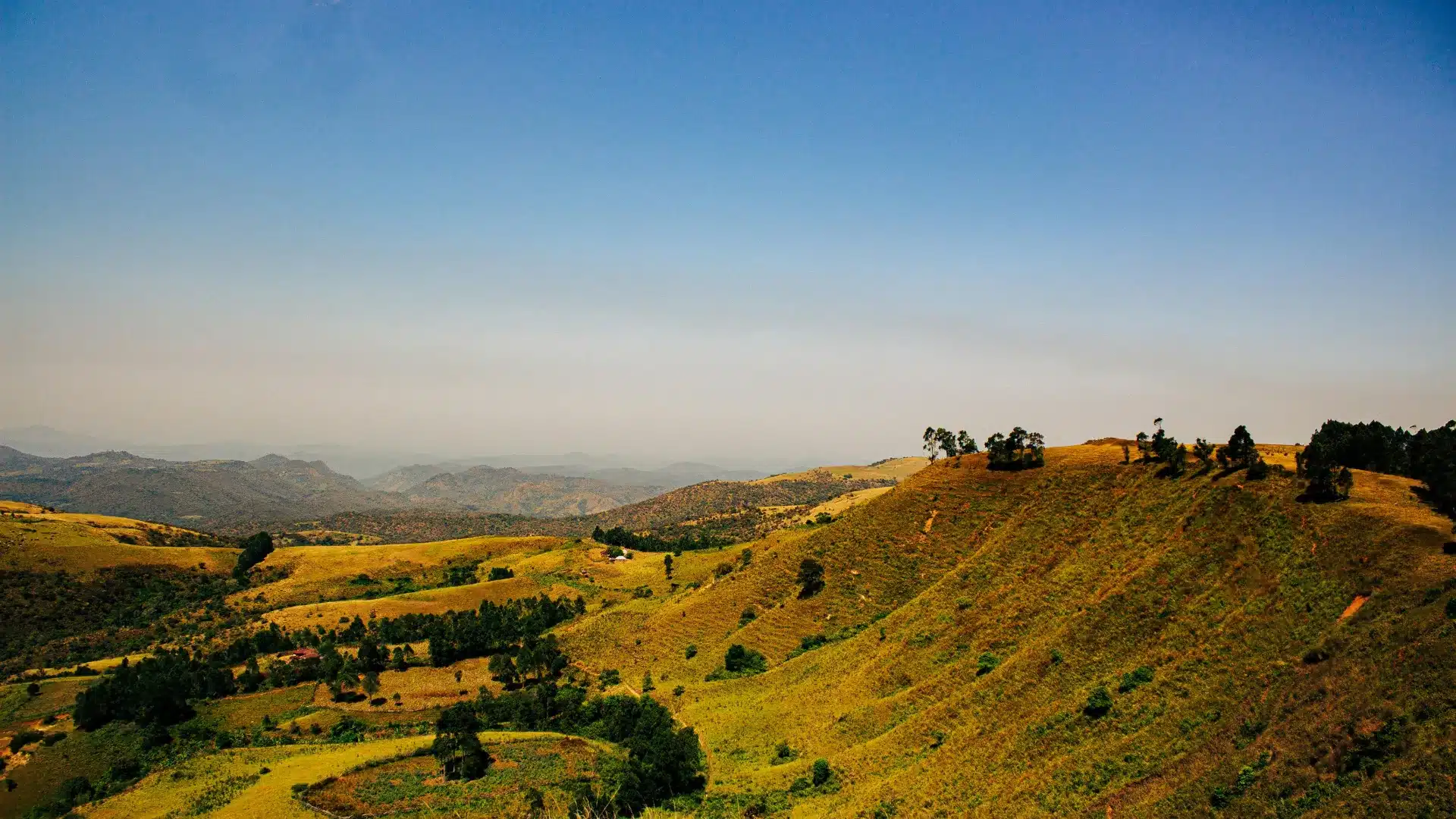
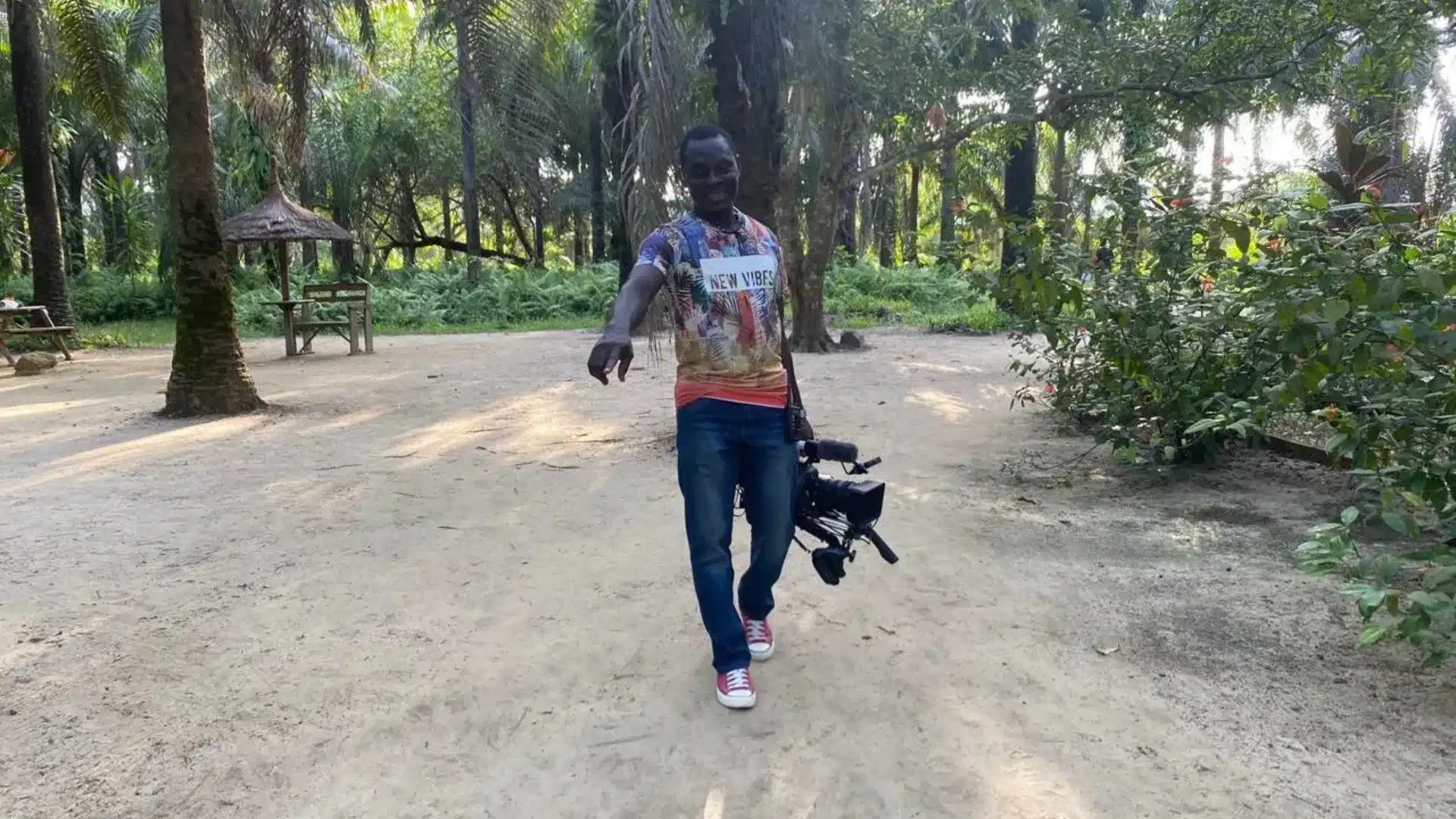
Filming in Nigeria puts international crews at one of Africa’s most important production destinations — dense city energy, coastal visuals, commercial infrastructure, cultural range, Nollywood industry depth, markets, luxury interiors, music-video environments, documentary access and regional storytelling value. For commercials, documentaries, branded content, television projects, factual entertainment, travel content and corporate films, filming in Nigeria gives international crews strong production potential with the right local support.
Hoodlum provides Film Production Services in Nigeria for documentaries, commercials, branded content, television productions and factual entertainment across Lagos, Abuja, Victoria Island, Lekki, Ikoyi, Ikeja, Port Harcourt, Calabar, Kano and selected regional locations. Our team manages visa-on-arrival support, Lagos State Film and Video Censor Board permits and Nigeria Film Corporation coordination. On the ground, we handle local fixers, location scouting, customs bond planning, airport equipment protocols, drone guidance, crew sourcing, security planning and full on-ground production management.
Filming in Nigeria is practical for international productions, but it requires organised prep. Crews should plan early for visa-on-arrival approvals, invitation letters, health documentation, film permits, customs clearance, airport handling, private location agreements, security support and drone restrictions. Public filming, major equipment imports, road movement, government-adjacent areas and northern regional travel all need careful planning.
Hoodlum helps international crews connect the creative plan with Nigeria’s permit, customs, security and logistics requirements before the production lands.
Why Film Production Works Well in Nigeria
Filming in Nigeria works well for productions that need African city scale, cultural energy, music, fashion, business environments, documentary subjects, commercial infrastructure and fast-moving local production support. Lagos is one of the strongest urban filming hubs on the continent, while Abuja, Calabar, Port Harcourt and selected regional areas offer different looks and production opportunities.
The destination is particularly strong for:
- Commercials and branded content
- Documentary filming
- Television productions
- Factual entertainment
- Music and culture content
- Corporate films
- Fashion and lifestyle shoots
- Nollywood-adjacent production work
- Market and street filming
- Coastal and lagoon visuals
- Interviews and contributor-led stories
- Regional West African production coverage
Lagos is the main production engine. Victoria Island, Lekki, Ikoyi, Ikeja and mainland areas offer a wide range of streets, offices, hotels, homes, nightlife, waterfronts, studios, markets and commercial interiors. Abuja offers federal capital visuals, government-adjacent environments and planned city spaces. Calabar and the southern regions can support travel, cultural and lifestyle work with the right local planning.
The country’s strength is energy. It gives crews movement, personality, colour, commerce, music, crowds, contrast and contemporary African production texture. The trade-off is that logistics need control. Traffic, customs, location permissions, airport handling, safety planning and authority liaison should be planned with a local team.
Best Time of Year to Film
Nigeria has varied regional conditions, with tropical weather in the south, hotter and drier conditions in the north and clear wet and dry season considerations. Lagos and southern locations can be humid, with rainfall affecting exterior shoots and traffic movement.
Productions should plan around:
- Rainy season disruption
- Heavy Lagos traffic
- Heat and humidity
- Outdoor crowd control
- Road movement between locations
- Security conditions by region
- Airport equipment clearance
- Local holiday and event periods
- Backup interiors for exterior shoot days
The dry season is often more practical for commercials, documentary movement, exterior lifestyle work and regional travel. The rainy season can still work, but productions should build in cover, weather protection, flexible timing and traffic buffers.
Hoodlum helps crews assess the best filming window, plan realistic movement and build weather or traffic contingency into the schedule.
Visa Requirements for Crew
The single most important thing to know about filming in Nigeria in 2026: the visa must be approved before you fly.
Nigeria discontinued Visa on Arrival on 1 May 2025 and replaced it with a mandatory pre-departure e-Visa under the Nigeria Visa Policy 2025. Manual issuance at airports ended completely on 4 August 2025. Airlines now verify e-Visa approval at check-in, and a crew member without an approved e-Visa letter is denied boarding at their departure airport — not delayed in Lagos.
Any guidance suggesting a crew can be met at the airport with a visa is describing a system that no longer exists.
The e-Visa is applied for online through the Nigeria Immigration Service portal, supported by an invitation letter from a registered Nigerian production company. Approvals are typically issued within 24 to 48 hours, which is materially faster than the old process — but the application still needs the full document set, and crew changes mean new applications. We work to a two-to-three-week window before travel.
Crew travel with the printed e-Visa approval letter, passport, invitation letter, yellow fever certificate and the completed pre-boarding health declaration through the Nigeria International Travel Portal. A payment receipt is not an approval.
Two further changes matter for production planning. e-Visas are single-entry — a crew member who leaves Nigeria mid-shoot cannot return on the same visa, which affects any schedule crossing into Benin, Ghana or Cameroon. And e-Visas cannot be extended inside Nigeria, so a schedule that might overrun needs the right category from the outset. Overstay penalties have applied since 1 September 2025 at USD 15 per day, with entry bans at longer thresholds.
ECOWAS nationals are exempt. Longer engagements run through CERPAC via the Expatriate Administration System, arranged by the local host company.
International Crew Accreditation and Special Equipment Handling
Nigeria does not require all crew members to hold special accreditation. Producers, production managers, assistant cameras and general crew can usually operate with a role ID card or tag, depending on the shoot.
Special equipment handlers may require additional clearance, particularly where the production involves:
- Drones
- Cranes
- Steadicam systems
- Specialist camera equipment
- Large equipment packages
- Equipment not listed in the original customs submission
Required documentation may include:
- Equipment list with serial numbers or ID codes
- Customs service clearance fee
- Customs clearance application letter
- Names and passport IDs of crew bringing in equipment
- Equipment carnet or formal equipment list, where applicable
- Host production company details
Where equipment is not listed on the approved customs list, a customs bond may be issued. This bond is arranged after the host or local production house pays a fee to the customs officer on duty. The fee is returned when the international crew departs with the exact equipment brought into the country.
Approval is usually issued alongside visa approvals for crew travelling with equipment. Costs depend on equipment volume and purpose, but are generally above NGN 500,000.
Hoodlum helps productions prepare customs paperwork, crew equipment assignments and airport clearance planning before arrival.
Film Permits and Production Approval
Film permitting depends on where the production is filming. In Lagos State, permits are handled through the Film permitting depends on where you film. In Lagos State, permits go through the Lagos State Film and Video Censors Board. For interstate work and productions in the Federal Capital Territory, the route runs through the Nigerian Film Corporation and the National Film and Video Censors Board.
Applications must be submitted through a registered Nigerian production company acting as local sponsor. The core document set is an application letter stating purpose and dates, the certificate of incorporation of the requesting company, a project synopsis, a detailed shooting schedule, the full location list, and crew and equipment details.
Allow two to three weeks. Federal sites, airports, ports, bridges and protected areas carry their own separate approvals and their own lead times, and drone-inclusive shoots run longer again.
A Lagos permit is not a national permit. A Lagos commercial, an Abuja corporate film and a multi-state documentary are three different permit routes, and treating the first as covering the others is one of the most common and most expensive mistakes made here.
On fees: permit costs are set in naira and quoted by band — weekly, mid-length and monthly — rising with multiple cities, sensitive areas and additional location permissions. We quote current naira figures at the point of application rather than publishing converted amounts, because the exchange rate moves faster than a web page does.
Filming in Lagos
Lagos is Nigeria’s strongest production base and one of Africa’s most dynamic filming cities. It offers corporate interiors, luxury homes, beaches, highways, markets, music culture, nightlife, waterfronts, hotels, production crews, studios and commercial suppliers.
Useful Lagos filming areas include:
- Victoria Island
- Lekki
- Ikoyi
- Ikeja
- Lagos Island
- Mainland markets
- Beaches and waterfronts
- Hotels and business districts
- Residential estates
- Music and entertainment spaces
Lagos is useful for commercials, branded content, documentaries, corporate films, music content, fashion, lifestyle work, interviews and television productions.
The main planning issues are traffic, loading, parking, public filming permission, crowd control, security, equipment movement and location access. Hoodlum helps productions build realistic Lagos schedules instead of treating the city like a neat little chessboard.
Filming in Abuja and Regional Areas
Abuja offers a different production look, with planned city roads, government districts, hotels, offices, wide streets, residential zones and formal institutional environments. It can be useful for corporate shoots, documentaries, factual programming and productions requiring federal capital visuals.
Regional production can offer culture, landscape and community access, but travel should be planned carefully. Southern and middle belt regions are generally more practical for productions, while some northern states carry increased security concerns.
Regional planning should consider:
- Security assessments
- Local authority permissions
- Road movement
- Accommodation
- Fixer support
- Medical access
- Equipment transport
- Police or security coordination
- Local language support
States with heightened security concerns should be approached cautiously, and production travel to areas such as Borno, Kaduna, Plateau/Jos, Taraba and Sokoto is generally not advised without serious risk assessment and specialist support.
Private Locations
Private location filming is negotiated directly with owners, managers or authorised representatives. This may include homes, offices, hotels, restaurants, beaches, studios, event spaces, commercial interiors, estates, warehouses and private compounds.
The private location process usually includes:
- Location scouting and identification
- Owner negotiation
- Rate confirmation
- Site visit and technical assessment
- Access planning
- Written location agreement
- Security and parking planning
- Restoration terms
Daily rates depend on the location owner, shoot duration, crew size, equipment footprint and exclusivity requirements.
Written location agreements are strongly recommended. They should confirm:
- Shoot dates and hours
- Approved areas
- Crew size
- Equipment access
- Parking and loading
- Generator use
- Noise restrictions
- Security requirements
- Fees and payment terms
- Overtime
- Restoration responsibilities
- Privacy limitations
Hoodlum’s local team negotiates rates with owners and secures filming permission so locations are usable in practice, not just attractive in reference photos.
Drone Filming Requirements
Two rules decide whether aerials are possible in Nigeria, and both are absolute.
Foreign crews cannot bring drones in. Drone importation is restricted and equipment is routinely confiscated on arrival and not returned. This is not a risk to manage; it is an outcome to expect.
International pilots cannot fly on their own credentials. The NCAA does not authorise unlicensed operators for commercial filming, and only an NCAA-licensed local operator can hold the necessary permissions and apply for them. A foreign production cannot apply directly.
The regulator is the Nigeria Civil Aviation Authority, under Part 21 of the Nigeria Civil Aviation Regulations 2023, which governs certification, registration, operation and surveillance of RPAS. Security clearance runs through the Office of the National Security Adviser, which issues the End-User Certificate. NCAA launched a digital RPAS portal in May 2026.
The licensed operator handles RPAS registration, the Operator Certificate, remote pilot licensing, the ONSA End-User Certificate, insurance and — critically — a flight plan submitted to and authorised by NCAA for each individual flight. That authorisation can take up to four weeks.
If aerials are central to the brief, engage a licensed Nigerian operator at the start of prep and build the lead time into the schedule. Where the timeline will not carry it, cranes, elevated platforms and rooftop positions are the practical alternatives, and Lagos has plenty of both.
Equipment Customs Clearance
Nigeria is not an ATA Carnet country. Productions should not rely on standard carnet entry for professional film Nigeria is not an ATA Carnet country, and a carnet has no standing at Nigerian customs. Do not build the shipping plan around one, and do not include carnet references in the customs documentation.
Equipment enters on a Temporary Importation Permit issued by the Nigeria Customs Service, applied for through a registered Nigerian production company acting as importer. Allow a minimum of around ten working days to process, and expect a bond or guarantee against the declared value of the equipment, released when the crew departs with the same kit.
The equipment list is the whole job. Every item needs a serial number and a declared value, and the list must be submitted before arrival. Items arriving that are not on the pre-approved list attract a further customs bond, paid locally and refunded on departure with the same equipment. Brand new equipment causes problems — customs treats unmarked, unused kit as an import rather than a temporary admission.
Airport handling runs alongside customs through the Federal Airports Authority of Nigeria, and a customs officer is usually assigned to assist the crew on arrival. This is one of the areas where a local partner earns their fee outright: clearance is document-heavy and time-sensitive, and gear sitting at Murtala Muhammed while paperwork is corrected costs shoot days.
Film Rebates and Tax Incentives
Nigeria does not currently operate a simple nationwide film rebate system for international productions in the same way as some rebate-led production hubs. The production value is usually built through strong local crews, competitive suppliers, practical location access, existing industry infrastructure and local production coordination.
Before budgeting, productions should confirm:
- Film permit costs
- Location fees
- Customs clearance costs
- Airport protocol fees
- Security requirements
- Local crew rates
- Transport costs
- Accommodation
- Equipment support
- Drone feasibility
- Fixer and production management fees
Incentive assumptions should not replace practical budgeting. Hoodlum helps productions understand the real local cost structure and avoid underestimating customs, security, transport and location requirements.
Safety and Security for Productions
Nigeria has workable production regions, but safety planning is essential. Lagos, Abuja, the south and many middle belt areas can be practical for productions with local support. Some northern states and areas with increased security concerns should be avoided or assessed with specialist guidance.
Security considerations may include:
- Local fixer support
- Secure transport
- Driver coordination
- Location security
- Equipment supervision
- Police or private security where needed
- Route planning
- Crowd management
- Night shoot precautions
- Health and medical planning
- Regional risk assessment
Foreign crews are advised not to travel to states with heightened security concerns, including areas such as Kaduna, Borno and Jos/Plateau, without serious risk assessment. The production plan should be designed around safe, approved and supported locations.
Hoodlum helps productions assess routes, build safe movement plans, coordinate security and keep crew activity aligned with local guidance.
How the Main Approvals Fit Together
The biggest mistake visiting crews make is assuming that one approval covers the whole production. It does not.
A visa-on-arrival approval may allow a crew member to enter Nigeria, but it does not approve filming. A Lagos State Film and Video Censor Board permit may support a Lagos shoot, but it does not automatically cover Abuja or interstate production. Nigeria Film Corporation coordination may support federal or interstate work, but it does not replace private location agreements. Customs clearance may allow gear into the country, but it does not approve drone importation. A private location agreement may secure access, but it does not replace security planning.
A proper production plan connects every approval:
- Visa-on-arrival approval confirms crew entry.
- Invitation letters confirm the host production relationship.
- Film permits confirm where filming may take place.
- Local authority approvals confirm public-space access.
- Private agreements confirm property access.
- Customs clearance confirms how equipment enters and exits.
- Airport protocols support arrival and gear handling.
- Drone approvals confirm whether aerial filming is possible.
- Security planning confirms how the shoot operates on the ground.
Hoodlum’s role is to connect these separate requirements into one practical production plan so the crew can focus on filming instead of discovering a paperwork jungle at arrivals.
When This Destination Is the Right Choice
Nigeria is a strong choice when a production needs African city scale, culture, music, fashion, commercial life, documentary access, Nollywood industry links, coastal energy, corporate environments and strong local production support.
The destination is especially suitable for:
- Commercials and branded content
- Documentary filming
- Television productions
- Factual entertainment
- Music and culture projects
- Fashion and lifestyle shoots
- Corporate films
- Interviews and contributor stories
- Urban and street filming
- West African regional coverage
The country may be less suitable for productions that need easy foreign drone importation, carnet-based equipment entry, spontaneous public filming or unsupported travel into higher-risk northern regions. Those shoots may still be possible, but they require strong local coordination and realistic planning.
For many international crews, the destination works best when used for its natural strengths: Lagos production energy, experienced local fixers, commercial infrastructure, cultural access and regional storytelling depth.
Common Mistakes to Avoid
- Assuming a visa can be obtained on arrival — Visa on Arrival ended on 1 May 2025 and airlines check approvals at boarding
- Travelling on a payment receipt rather than an approved e-Visa letter
- Booking a schedule that leaves and re-enters Nigeria on a single-entry e-Visa
- Planning for a schedule overrun on a visa that cannot be extended in-country
- Forgetting the yellow fever certificate or the printed health declaration
- Treating a Lagos permit as a national permit
- Omitting the certificate of incorporation from the permit application
- Assuming Nigeria accepts ATA Carnets
- Arriving with equipment that is not on the pre-approved customs list, or with brand new kit
- Bringing a drone in, or bringing a foreign drone pilot expecting to fly
- Planning aerials on a two-week lead time
- Underestimating Lagos traffic as a scheduling factor
- Planning regional travel without a security assessment
- Working without a registered Nigerian production company as sponsor
Most issues are preventable with early paperwork, accurate lists and local production support.
How Hoodlum Supports Local Production
Hoodlum provides practical support for international crews filming in Nigeria, from early planning through shoot execution. The aim is to make the production workable before the crew lands and keep every moving part aligned once filming begins.
Support may include:
- Visa-on-arrival processing support
- Invitation and introduction letter coordination
- Lagos State Film and Video Censor Board permit support
- Nigeria Film Corporation coordination
- Local fixer services
- Location research and scouting
- Private location negotiations
- Crew and supplier sourcing
- Customs clearance planning
- Customs bond coordination
- Airport protocol support
- Drone feasibility guidance
- Local drone operator coordination
- Transport planning
- Security planning
- Accommodation support
- On-ground production management
Film production in Nigeria requires more than strong city visuals and cultural access. A successful shoot needs accurate visas, realistic traffic planning, permit clarity, customs preparation, equipment control, safety planning and reliable local coordination.
Hoodlum helps productions reduce guesswork and plan the shoot as a practical operation from the first stage of prep.
FAQ
Do international crews need a visa?
Yes, and it must be approved before travel. Nigeria discontinued Visa on Arrival on 1 May 2025 and replaced it with a mandatory pre-departure e-Visa applied for through the Nigeria Immigration Service portal. Airlines verify approval at check-in, so a crew member without an approved e-Visa is denied boarding.
Can Hoodlum manage visa-on-arrival applications?
No. Visa on Arrival was discontinued on 1 May 2025, and manual issuance at airports ended on 4 August 2025. All eligible travellers apply online in advance.
What should crew travel with?
Crew should travel with the visa-on-arrival approval, passport, introduction letter, invitation letter, yellow fever card and printed online pre-boarding health declaration.
Who issues film permits in Nigeria?
The Lagos State Film and Video Censors Board handles Lagos State productions. Interstate and Federal Capital Territory work runs through the Nigerian Film Corporation and the National Film and Video Censors Board. Applications go through a registered Nigerian production company, and separate location permits from local government authorities apply on top.
Who handles interstate or Abuja productions?
The Nigeria Film Corporation may be involved for interstate productions and productions in the Federal Capital Territory, Abuja.
Can international drone pilots bring drones?
No. Foreign crews cannot bring drones into Nigeria, and international pilots cannot fly on their own credentials. Only an NCAA-licensed local operator can hold the required authorisations, and a flight plan must be authorised by the NCAA for each individual flight — allow up to four weeks.
Is Nigeria an ATA Carnet country?
No. Equipment enters on a Temporary Importation Permit issued by the Nigeria Customs Service through a registered local production company, with a bond against the declared value. Allow a minimum of around ten working days.
How much does equipment clearance cost?
Costs depend on the number of equipment bags and equipment purpose, but supplied guidance indicates clearance costs are generally above NGN 500,000.
Is it safe for filming?
Many southern and middle belt regions are workable for productions with local support. Some northern states and areas with increased security concerns should be avoided or assessed carefully.
Why use a local fixer?
A local fixer helps manage visas, permits, locations, customs, airport protocols, security, transport, crew sourcing, drone guidance and daily production logistics.
External Authority Links
- Nigeria Immigration Service — e-Visa portal
- Nigeria Immigration Service
- Nigeria International Travel Portal — health declaration
- Lagos State Film and Video Censors Board
- Nigerian Film Corporation
- National Film and Video Censors Board (NFVCB)
- Nigeria Civil Aviation Authority
- Nigeria Customs Service
- Federal Airports Authority of Nigeria
Planning a shoot in Nigeria? Contact Hoodlum for visa-on-arrival support, Lagos State Film and Video Censor Board permits, Nigeria Film Corporation coordination, local fixers, location scouting, customs bond planning, airport equipment protocols, drone feasibility guidance, security planning and full on-ground production management. You can also view the Hoodlum Film Fixers Nigeria Google Business Profile for local production details.