
Filming in Nigeria with international crew can move quickly and successfully when visas, health requirements, local coordination, equipment planning, and Nigeria filming permits are handled as one joined-up workflow rather than as separate admin tasks. Hoodlum provides production support in Nigeria through local partners who help international productions reduce risk early, clarify what is actually required, and turn tight schedules into workable plans. Nigeria’s official immigration system is managed through the Nigeria Immigration Service, including online application pathways and mission-based biometric enrolment for applicants outside the country, while the Nigerian Film Corporation positions itself as the central governmental agency for the Nigerian film industry.
This case study shows what that looks like in practice. A client preparing for a fast-turnaround shoot in Port Harcourt needed clear answers on entry timing, vaccinations, gear handling, and local sourcing. Hoodlum’s in-country partner did more than reply to questions. They created confidence, reduced uncertainty, and helped shape a realistic path forward. That is what strong production support in Nigeria is meant to do.
International productions rarely wobble because the creative is weak. They wobble because the operational details arrive in a flock, not a line. First comes a question about visas. Then another about vaccination proof. Then the client asks whether lenses can be brought in. Then the DP wants to review local rental options. Then hotel recommendations enter the chat. What looked like a clean three-day shoot begins to feel like a suitcase with one too many zips.
That was the situation here.
A Hoodlum client was moving toward a short production in Port Harcourt. The working schedule was tight: arrival, scout, shoot, departure, all packed into a narrow window. The crew plan evolved. The director situation shifted. Eventually, the decision was made to send the DP, who would also act as director. At that point, the questions became more urgent and more specific. Could the traveler get into Nigeria in time? Would proof of vaccination be needed? What documents were required? Could equipment be brought in? Would local gear be available? And were the quoted logistics assuming kit and crew movement from Lagos?
Those questions are exactly why filming in Nigeria with international crew should never be treated as just a travel matter. It is a production systems matter. It sits at the intersection of immigration, local knowledge, gear planning, schedule pressure, and client reassurance.
For teams planning filming in Nigeria, Hoodlum’s role is not simply to point at regulations from a distance. Hoodlum provides production support in Nigeria by working with local fixers and partners who can interpret what matters for the actual job at hand, then help the client move from uncertainty to action. The broader Nigeria filming guide supports that positioning by framing Nigeria as a serious production destination where local operational planning matters from the outset.
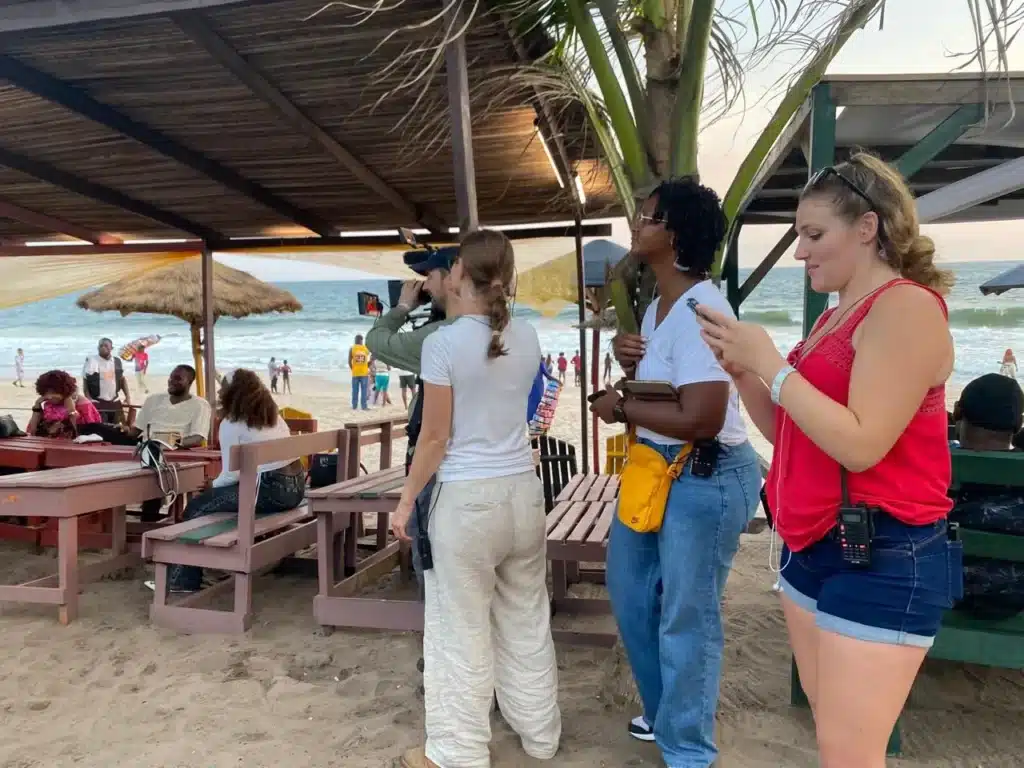
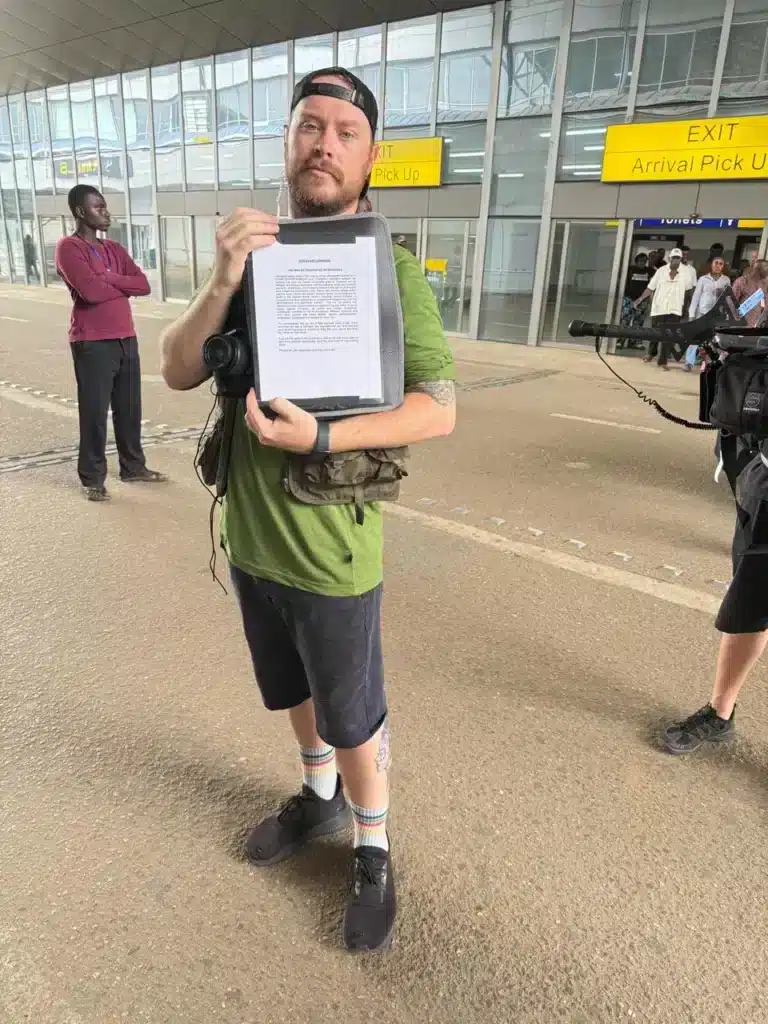
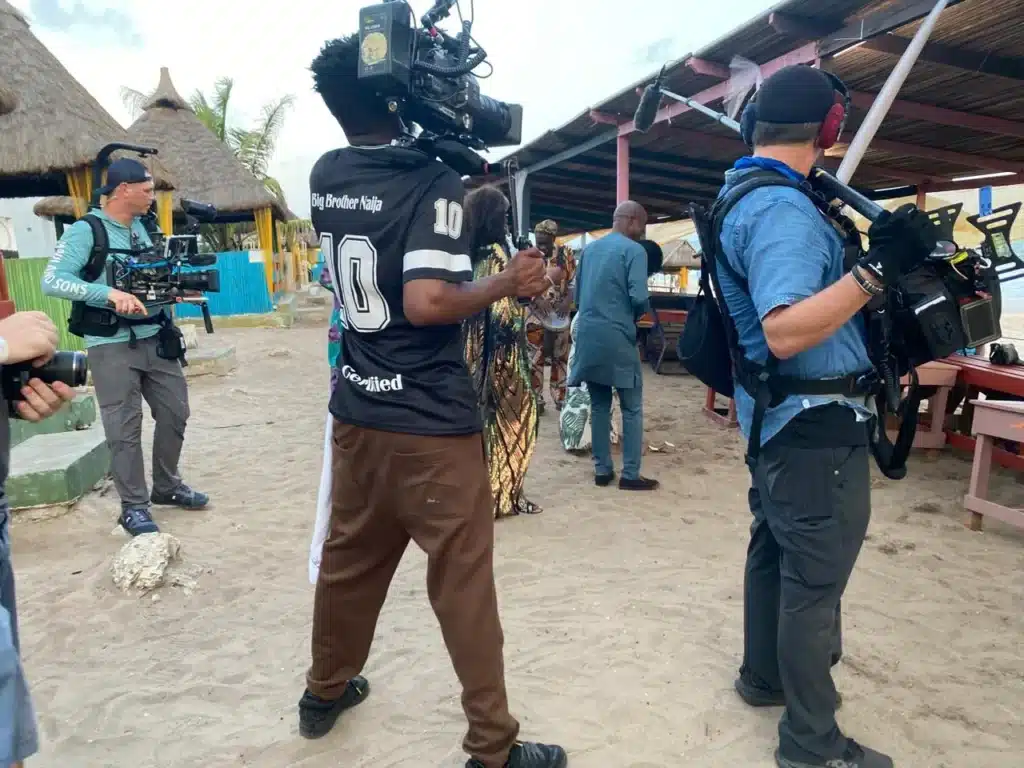
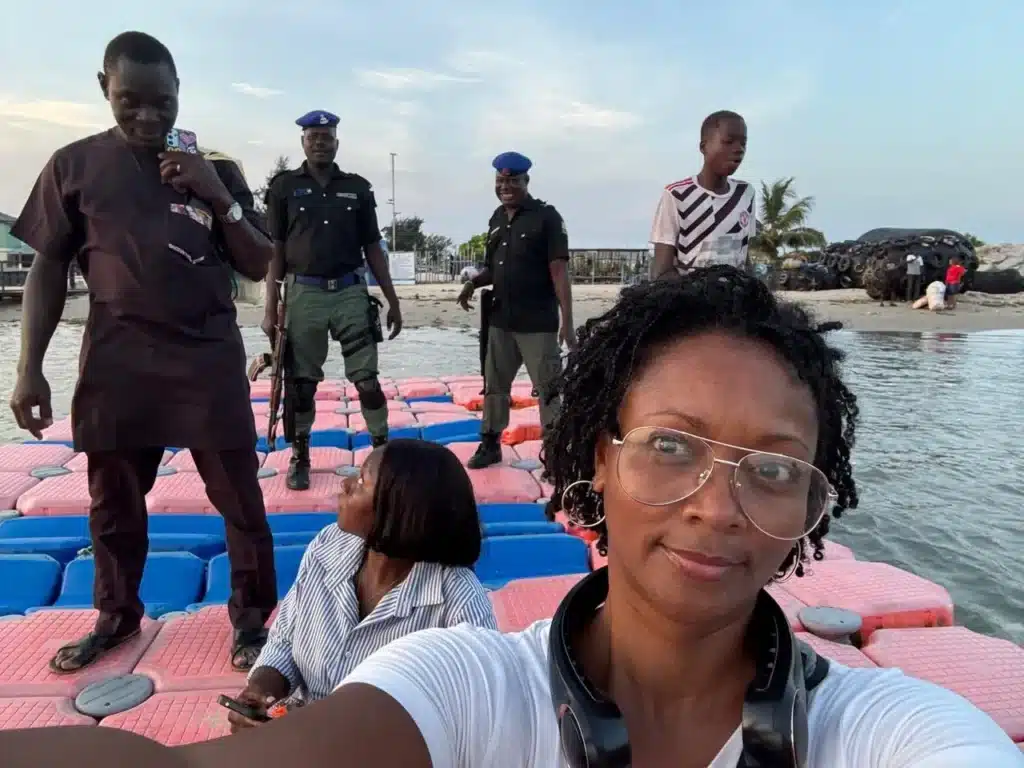
The client challenge was not one question, but five at once
On paper, the client’s questions were straightforward. They wanted to know:
- the visa lead time
- what an Argentine passport holder would need
- whether vaccinations were required
- what to do if they brought in some gear
- whether local camera and lighting inventory could be reviewed
In reality, each of those questions touched another. If the visa route was tight, then the vaccination timeline mattered. If equipment could be sourced locally, customs exposure might shrink. If the quote assumed gear and labor movement from Lagos to Port Harcourt, then logistics needed to be clarified before approval. One answer affected the next.
This is where weak support often becomes visible. A weak partner gives isolated answers. A strong one reads the shape of the problem.
Hoodlum’s in-country partner immediately did the second.
How Hoodlum’s local partner went beyond the brief
The most important thing the local team did was not dramatic. It was disciplined.
They responded with practical detail instead of vague comfort. They clarified that visa processing could move within a short working window once the right client documents were supplied. They flagged that if any gear were brought in, a list of items would be needed so customs handling could be prepared in advance. They explained that the DP could specify required equipment and that most core filming gear could be sourced locally, with movement from Lagos to Port Harcourt where needed.
That kind of reply matters because it converts anxiety into tasks.
Then came the more sensitive question: the Argentine traveler had heard there may be an interview and a vaccine requirement. The local partner checked and came back with the practical issue that mattered most for travel planning, namely the yellow vaccination card requirement for international travel into Nigeria, with timing implications before departure. Nigeria’s immigration site confirms that foreign applicants outside Nigeria apply online and book an appointment with a Nigerian mission for biometric enrolment, while the agency’s contact and visa channels are publicly listed for enquiries.
That is the crucial difference in this story. The client was not handed generic country information. They were given case-relevant operational guidance.
Why this matters when filming in Nigeria with international crew
There is a temptation in international production planning to split responsibilities too sharply. Travel gets treated as travel. Gear gets treated as gear. Location support gets treated as a separate local matter. That sounds neat on a spreadsheet, but it is not how shoots behave in the wild.
When you are filming in Nigeria with international crew, the moving parts influence one another:
- visa timing affects flight booking confidence
- health documentation affects traveler readiness
- local gear availability affects customs decisions
- city-to-city movement affects budget assumptions
- local fixer input affects how early problems are caught
This case demonstrates why production support in Nigeria is not a decorative extra. It is the operating system behind the visible plan.
Nigeria’s official immigration framework makes clear that applications are processed online and that applicants outside the country may need mission-based biometric enrolment. The Nigeria Immigration Service also warns the public to use official channels and the official e-visa portal, not unofficial third-party sites.
For a producer under time pressure, that means one practical thing: do not leave interpretation of the process to rumor, travel forums, or forwarded voice notes from someone’s cousin’s fixer’s uncle. Use official channels, and pair them with a local production partner who knows how those requirements play out on real jobs.
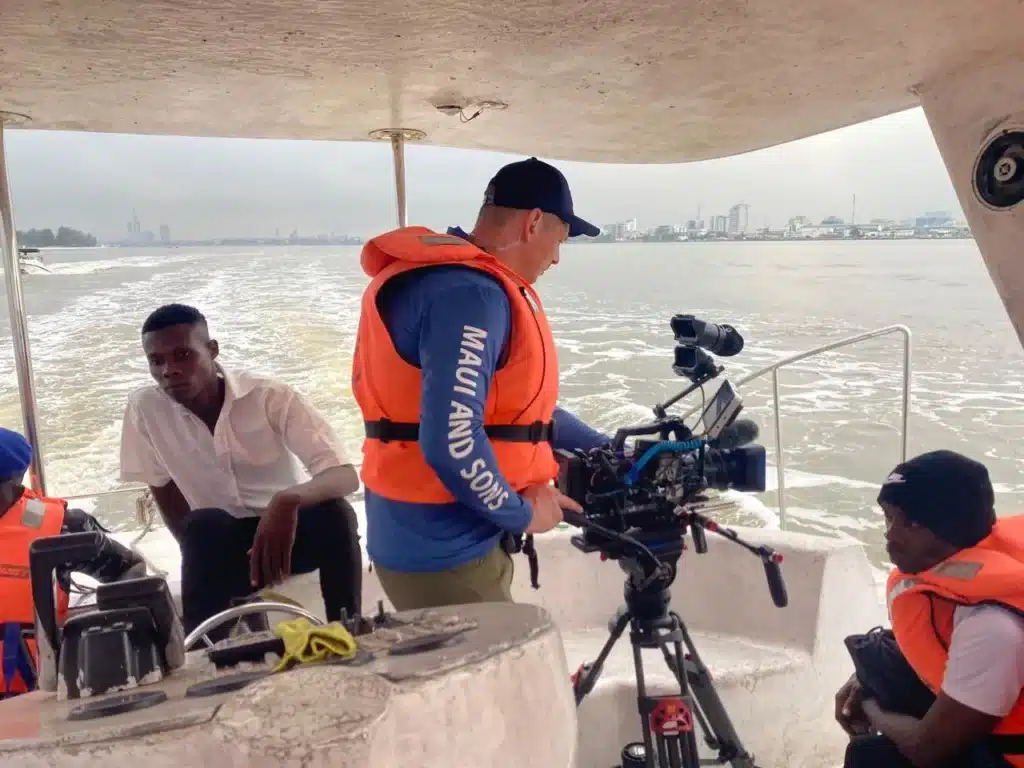
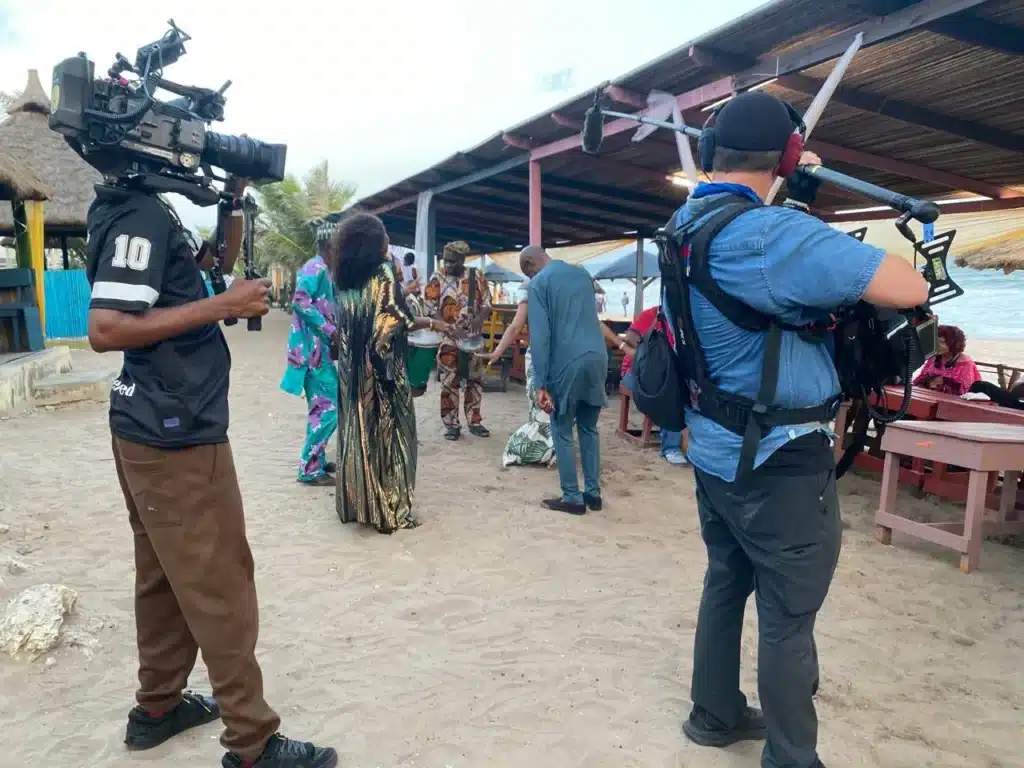
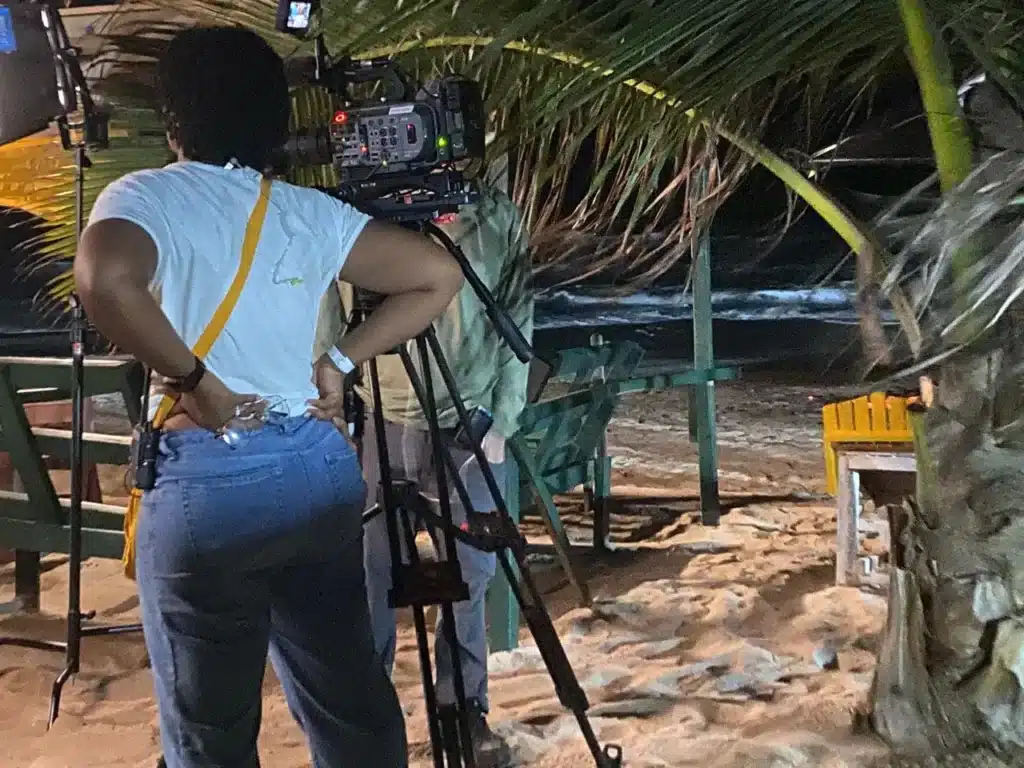
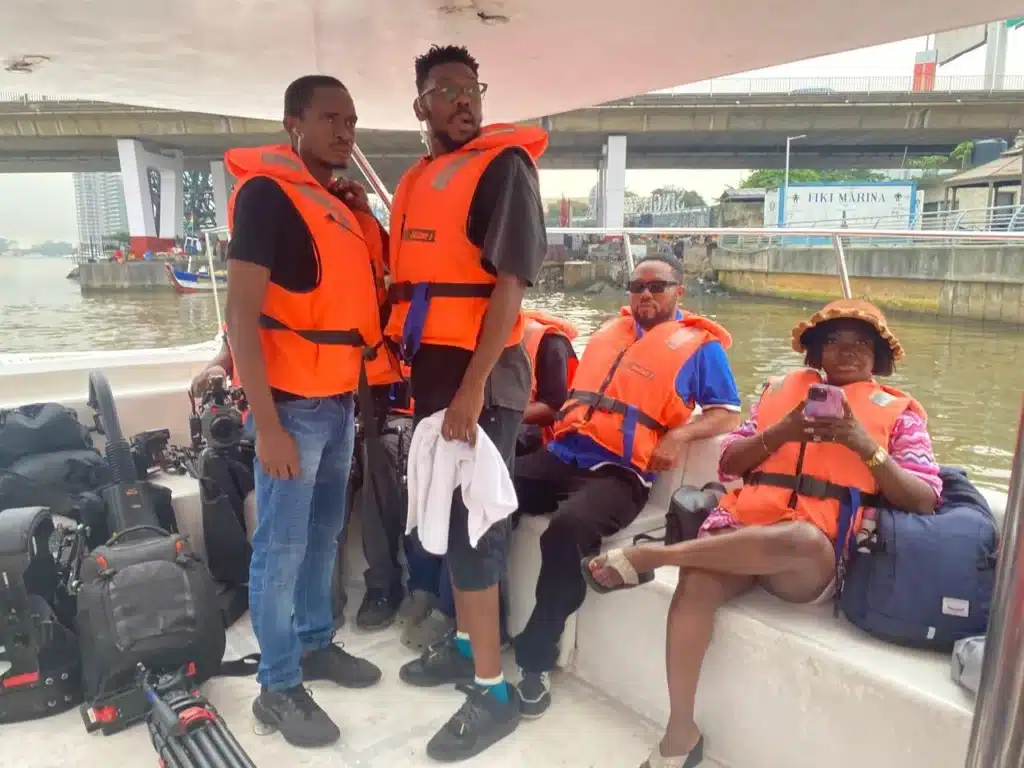
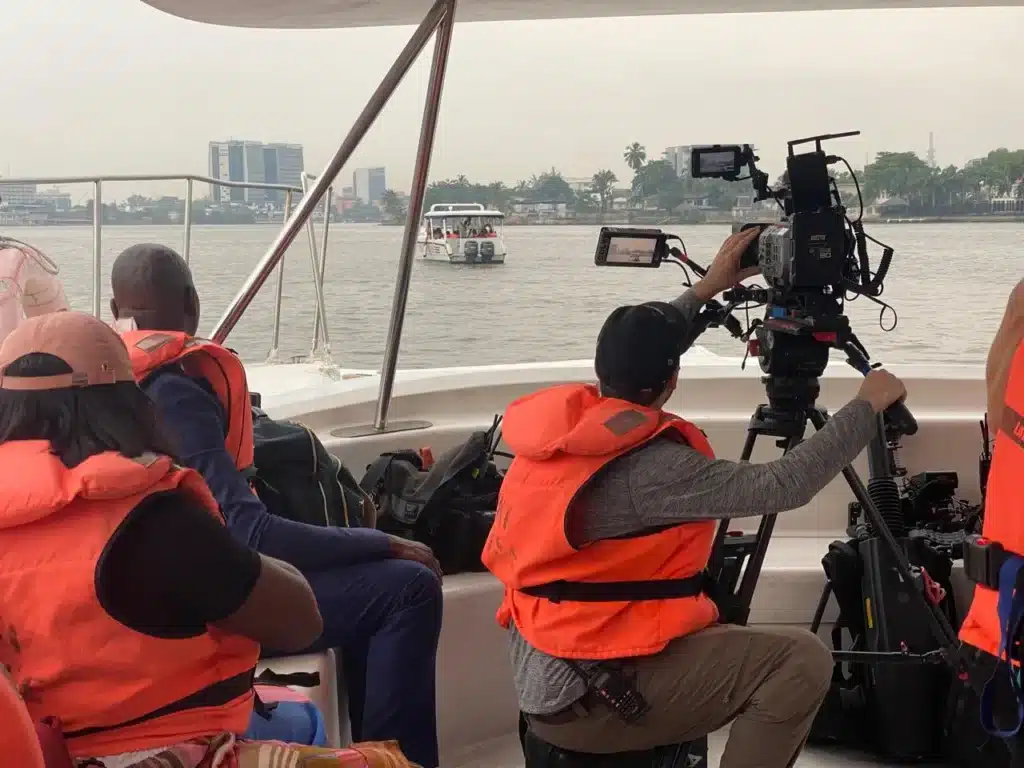
Where Nigeria filming permits fit into the story
It would be easy to read this as a visa story only. It is not.
The moment a production moves from travel planning into scouting, shooting, equipment coordination, and local crew support, it crosses into the wider world of Nigeria filming permits and production operations. Even when the immediate client concern is entry timing, the underlying project still needs proper local structuring.
The Nigerian Film Corporation describes itself as the central governmental agency for the Nigerian film industry and outlines advisory and consultancy functions that support the sector’s development.
For an international production, that broader institutional backdrop matters because it reinforces a simple truth: filming is regulated work, not tourism with a tripod.
That is why Hoodlum’s value in this case was larger than the initial exchange might suggest. The local partner was not merely answering whether a filmmaker from Argentina could travel. They were helping position the production correctly from the beginning, with the right expectations around documentation, local support, equipment planning, and regional logistics.
What strong production support in Nigeria actually looks like
A lot of service pages promise support. The useful question is what support looks like when the clock is already ticking.
In this case, it looked like:
1. Fast clarification
The client did not need a 40-page memo. They needed decision-grade information quickly. The local partner filtered the noise and surfaced the practical issues first.
2. Local ownership
Instead of putting all the burden back on the client, the partner made clear what would be handled locally, including customs coordination on declared equipment and follow-through on clearance steps.
3. Commercial realism
The quote was not treated as frozen stone. The client was rightly asking whether the numbers assumed all gear and labor coming from Lagos. That is a production question, not an accounting question. The answer affects feasibility and cost logic.
4. Technical flexibility
The team did not push imported kit by default. They opened the door to local sourcing and asked the DP to specify what was needed, which is the correct order of operations.
5. Confidence-building communication
The local partner’s value was not only in what they knew, but in how they reduced ambiguity for the client at the exact moment ambiguity could have slowed approval.
That is the heartbeat of this case study. Hoodlum did not simply answer questions. Hoodlum helped de-risk the production.
The Port Harcourt factor
The destination also matters here. This was not a generic “Nigeria” enquiry floating in abstraction. The schedule centered on Port Harcourt, with a scout day and shoot day built tightly together.
That changes the rhythm of planning. Once you are not simply landing in Lagos for a longer prep cycle, time becomes more brittle. Equipment strategy matters more. Hotel recommendations matter more. Local transport assumptions matter more. Regional support matters more.
This is another reason production support in Nigeria should be judged by more than a checklist of services. A credible local partner needs to understand how a country-level plan becomes a city-level execution plan.
What other producers can learn from this case
There are a few sharp lessons tucked inside this story.
First, start the conversation before every traveler is fully locked. If international crew are likely, begin early. Waiting for perfect certainty often creates worse timing.
Second, do not separate travel and production planning. Immigration questions, vaccinations, Nigeria filming permits, gear handling, local rentals, and city logistics all belong in one conversation.
Third, let the local partner shape the gear strategy. Imported kit is not always the smartest answer. Local sourcing can reduce friction, cost, or customs exposure when it is handled properly.
Fourth, use official sources for the rules and experienced local support for the reality. One tells you what the system is. The other tells you how the system behaves on a live job.
Finally, judge a fixer or partner by whether they make the job calmer. Panic is contagious. Good local support is the opposite. It narrows the fog.
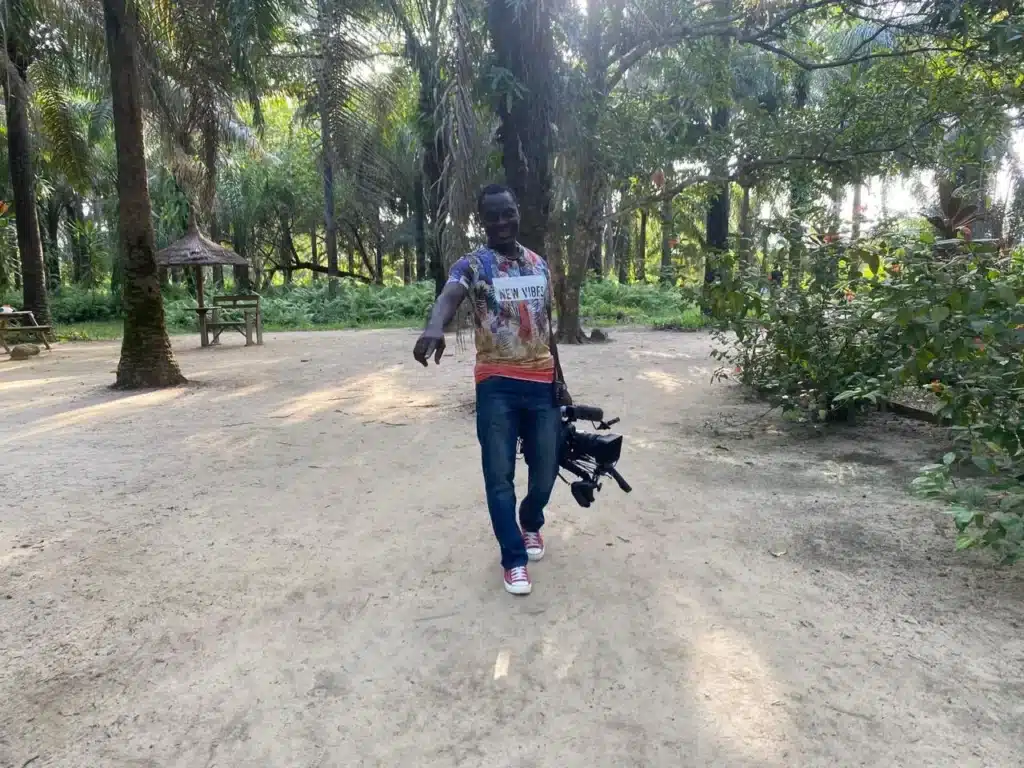
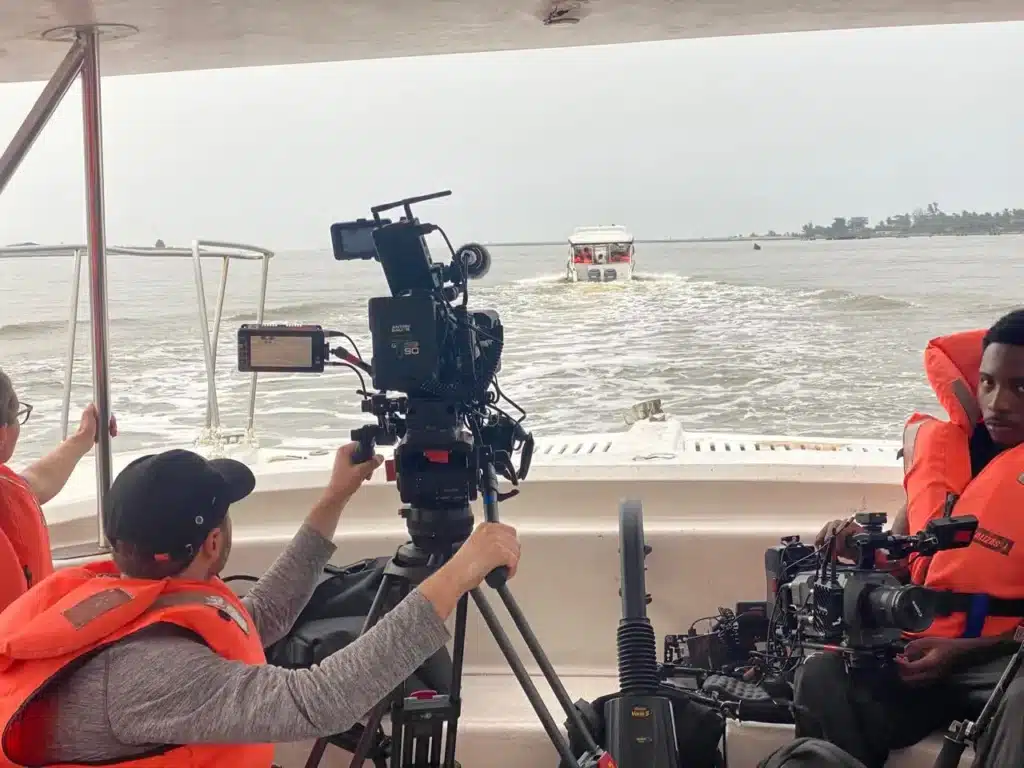
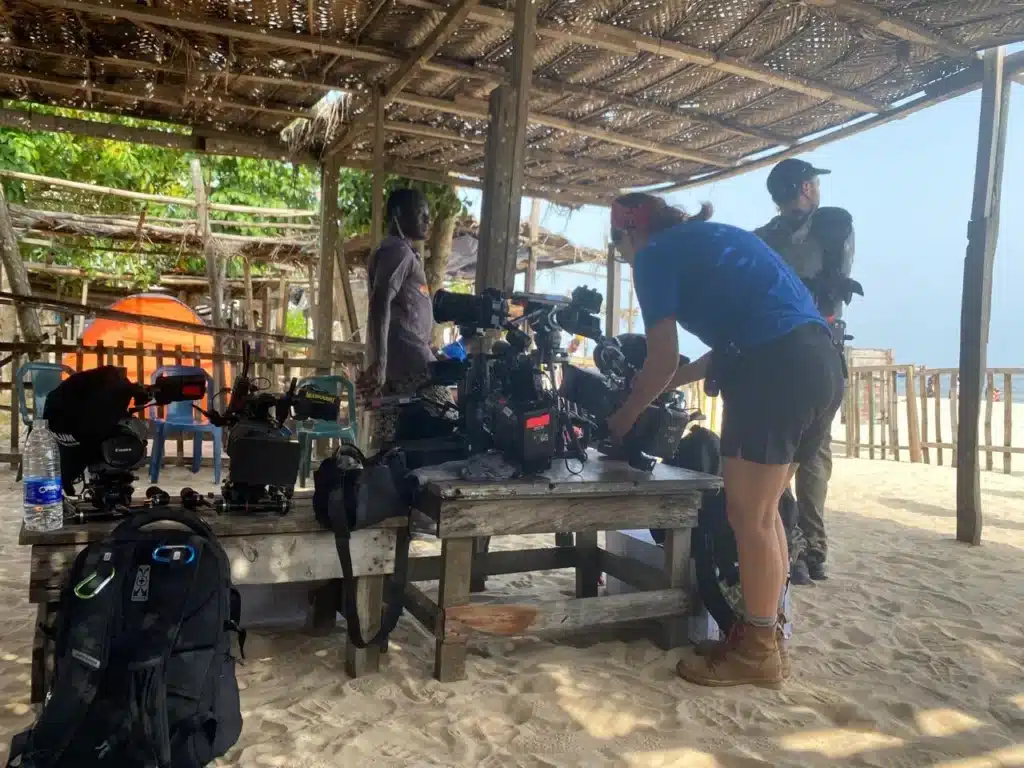
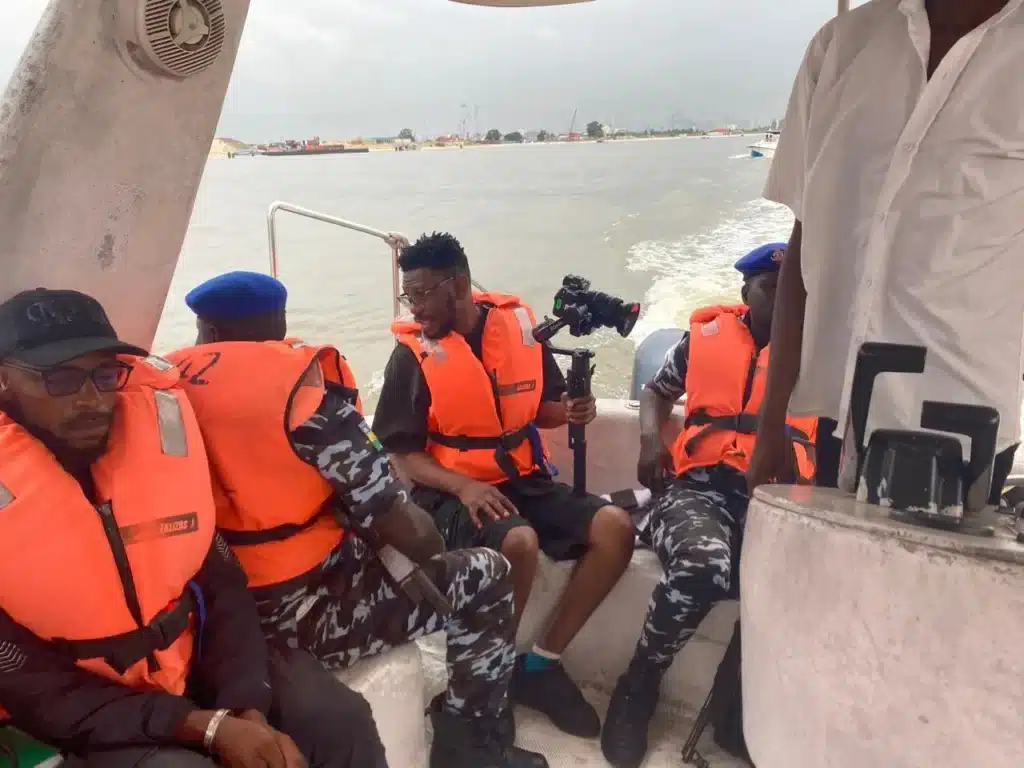
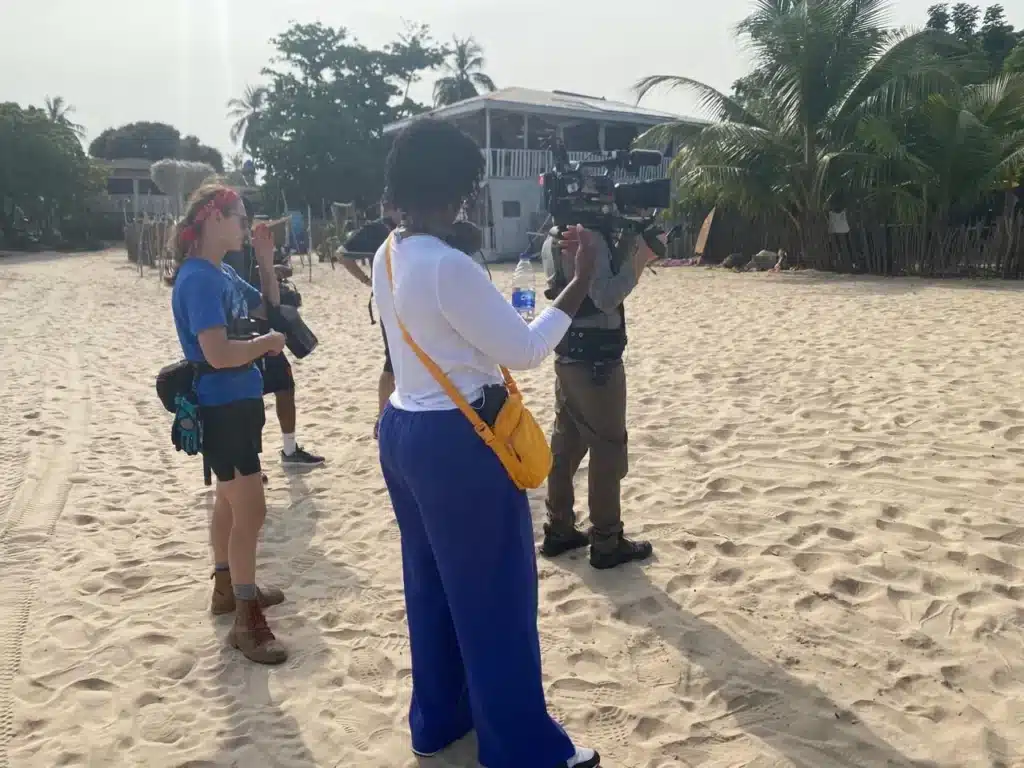
For producers planning filming in Nigeria with international crew, the biggest advantage is not just having answers, it is having the right partner on the ground before small issues become expensive problems. From navigating Nigeria filming permits to coordinating visas, health requirements, local equipment, and regional logistics, Hoodlum provides the kind of production support in Nigeria that keeps projects moving with confidence. Hoodlum is the right choice because the team does more than respond to questions. They anticipate challenges, connect the operational dots, and make sure international productions have a reliable local partner who can turn pressure, uncertainty, and tight timelines into a clear and workable production plan.
FAQs
Is filming in Nigeria with international crew possible on a tight timeline?
Yes, but only if entry planning, local coordination, and production logistics are handled early and as one workflow. Tight schedules leave less room for assumptions.
Are Nigeria filming permits the only issue to solve?
No. Nigeria filming permits matter, but so do visa pathways, biometric steps, health documentation, gear planning, and local city logistics.
Why is production support in Nigeria so important for international shoots?
Because local support turns regulations into real execution. It helps productions interpret requirements correctly, reduce delays, coordinate local resources, and avoid avoidable friction.
Should a production bring all camera gear into Nigeria?
Not automatically. A local partner should first assess what can be sourced locally and what truly needs to travel, then help manage customs planning for any incoming kit.
What made Hoodlum valuable in this case?
Hoodlum and its local partner reduced uncertainty quickly, answered the client’s real concerns, and helped transform a nervous schedule into a workable production path.
What is the key takeaway from this case study?
The biggest lesson is simple: when filming in Nigeria with international crew, the production succeeds faster when one local partner is looking at the full operational picture, not just one document at a time.
This article was written by Zandri Troskie-Naudé using verified information from relevant national authorities and regional production professionals, the filming environment reflects local regulatory oversight, location authority coordination, and established on-ground production capability. With experienced film fixers, comprehensive film production services, and dependable production support, productions operate within a framework built for structured, efficient execution.
Film Authorities and Industry Resources
For productions planning shoots in Nigeria, these are two of the most useful official starting points for entry and industry context:
- Nigeria Immigration Service for visa processes, official application channels, contact details, and guidance for applicants inside and outside Nigeria.
- Nigerian Film Corporation for the federal film industry body, sector guidance, and broader institutional context around film activity in Nigeria.
These sources provide the formal framework. Hoodlum’s role is to help productions apply that framework to an actual shoot, actual dates, and actual operational pressure.