Africa Film Production Case Studies are most valuable when they show what actually happens on the ground. In the case of 90 Day Fiancé, Hoodlum Film Fixers supported separate shoots in South Africa, Nigeria, Ghana, Cameroon, Egypt, and Ivory Coast. These were not all part of one continuous continent-wide production. They were individual shoots linked to the same franchise, each requiring local coordination, local crews, permits, contributor management, and reliable Production Support in Africa.
That distinction is important because it makes the case study more credible. Instead of presenting one oversized production story, this example shows something more useful to broadcasters, producers, and streamers: Hoodlum was able to support separate productions for the same global franchise in multiple territories over time. That is what makes this one of the stronger Africa Film Production Case Studies for international unscripted television.
For companies planning Reality TV Filming in Africa, that kind of repeat success matters. It proves that the right local partner can step into very different environments and still deliver the level of support international productions need.
Why this case study matters
The strongest Africa Film Production Case Studies do more than mention a famous title. They show whether a production partner can solve real field problems in very different places.
90 Day Fiancé is a useful example because reality television creates pressure in ways that differ from scripted production. Schedules move quickly. Contributors are central to the format. Locations need to work for both story and logistics. Access and compliance have to be handled carefully. Communication has to stay clear between local teams and international production decision-makers.
That is why Production Support in Africa is so important for unscripted formats. The challenge is rarely only about filming. It is about making filming workable in real environments, with real people, under real time pressure.
This case study also matters because it highlights the practical role of Film Fixers in Africa. A fixer network is not just useful for one-off troubleshooting. It becomes a core part of execution when a production company needs dependable support in multiple territories.
The production overview
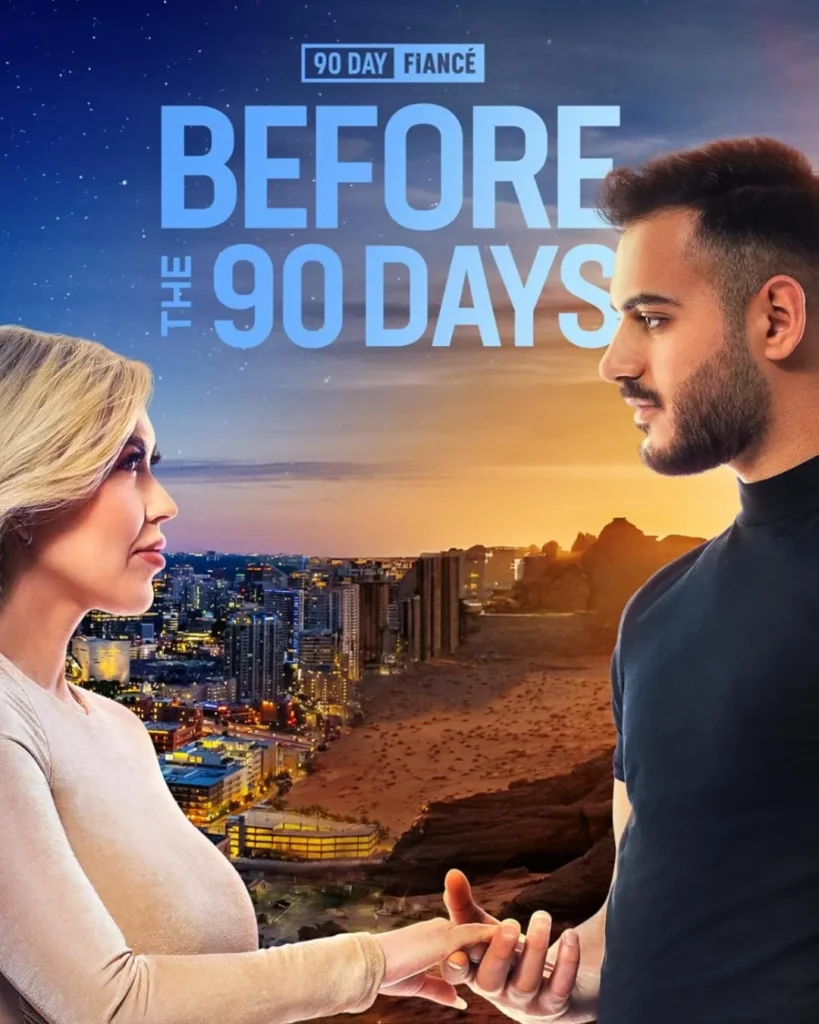
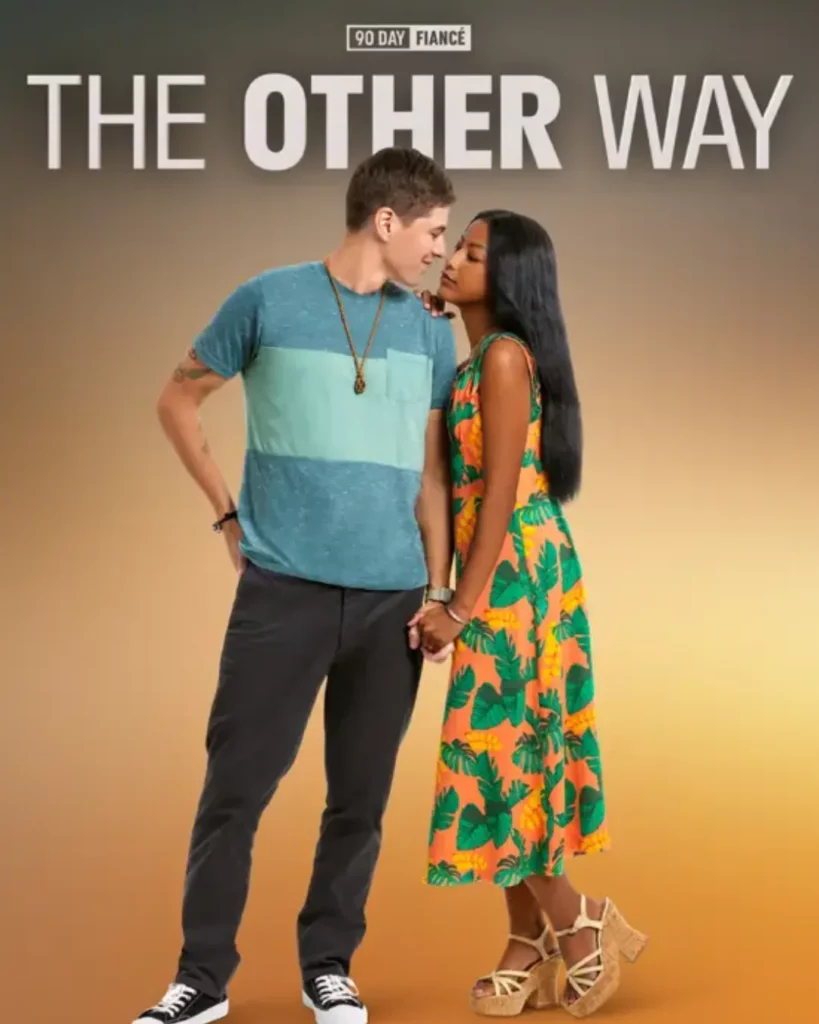
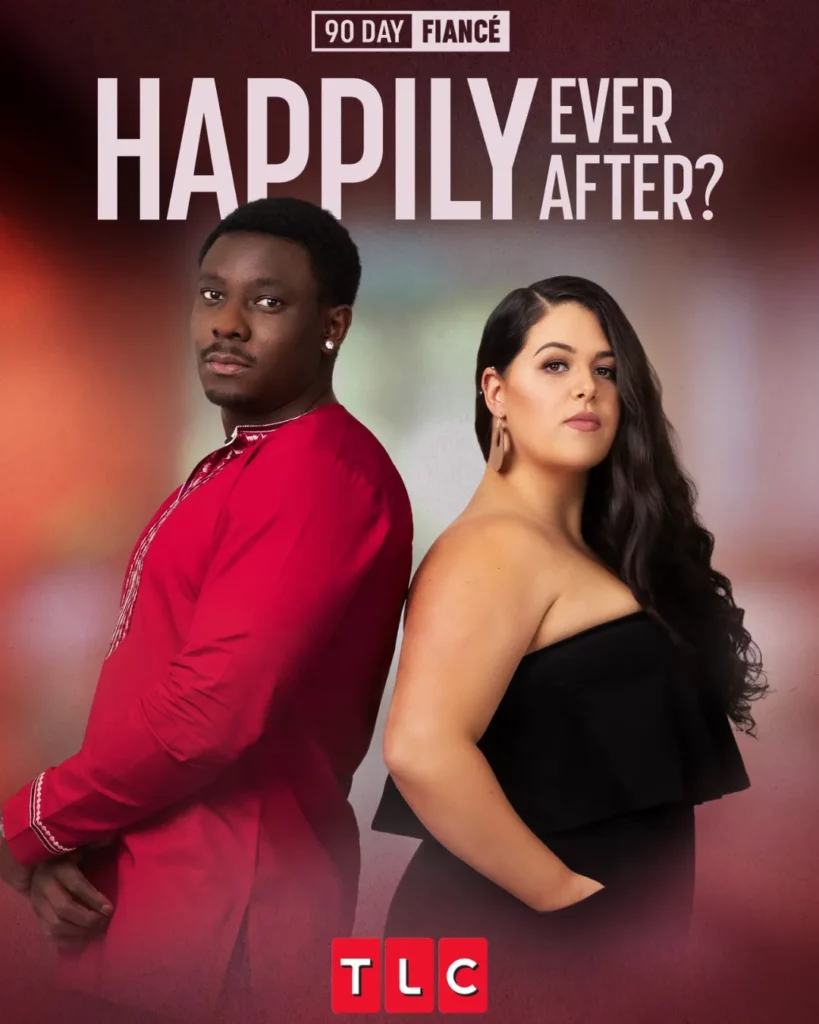
90 Day Fiancé is a globally recognized reality TV franchise for TLC and Discovery+. As the series expanded into stories connected to different African countries, production needed reliable local support in each territory where filming took place.
Hoodlum Film Fixers provided support for separate shoots in:
Each of these shoots came with different operational requirements. Each country had its own filming realities, local logistics, contributor dynamics, access considerations, and production pressures. What remained consistent was the need for experienced Film Fixers in Africa and dependable Production Support in Africa that could adapt to each location without compromising quality.
This is what makes the project a strong entry among Africa Film Production Case Studies. It shows repeated capability across multiple countries, not just a single successful production in one market. efficient, and professionally supported through trusted local production coordination.

Production services provided
Across these separate shoots, Hoodlum supported the franchise with services including:
- local production logistics
- in-country crews and fixers
- film permits and compliance support
- visas and production administration
- casting coordination and contributor management
- location scouting in urban and remote environments
This is what makes the example valuable as one of the stronger Africa Film Production Case Studies. It shows that Hoodlum was not only capable in one territory. It shows the company could repeatedly support reality TV filming in different African markets while adapting to local requirements each time.
What Hoodlum handled across the different shoots
Local crews and fixers in each territory
One of the most important parts of production support in Africa is having the right people on the ground. For these 90 Day Fiancé shoots, Hoodlum drew on its network of local fixers and production professionals in each country.
That support helped production teams with:
- local coordination
- practical location advice
- communication with communities and contributors
- shoot-day troubleshooting
- territory-specific knowledge that international teams would not have on arrival
Film fixers in Africa are often the bridge between editorial ambition and production reality. In unscripted television, that bridge matters even more because schedules and story developments can change quickly.
Permits, visas, and compliance
Each country involved its own production framework. That meant Hoodlum had to approach every shoot according to local rules rather than applying one blanket process.
Support included:
- permit coordination where required
- local administrative guidance
- visa support and travel planning
- navigating production compliance in each territory
- helping crews understand local filming expectations
This country-by-country adaptability is one of the biggest lessons producers can take from Africa Film Production Case Studies. Africa offers exceptional filming opportunities, but successful execution depends on respecting local systems rather than assuming the same process applies everywhere.
Casting coordination and contributor management
Because 90 Day Fiancé is an unscripted format, people are central to the production process. Contributor coordination is often as important as location logistics.
For the different African shoots, Hoodlum supported the practical side of working with contributors by helping production teams manage communication, scheduling, and on-the-ground movement where needed.
That kind of support is especially valuable in reality production because:
- contributors may not work to rigid production rhythms
- schedules can shift quickly
- local communication needs to be handled with care
- field teams often need fast solutions rather than long approval chains
Location scouting across different filming environments
The shoots took place in very different country contexts, from major urban centers to more remote locations. Hoodlum helped identify and support filming environments that matched the production brief while remaining workable from a logistics and access perspective.
That included balancing:
- story needs
- visual value
- practical access
- production timing
- local permissions
- crew movement
A strong fixer does not just find a good-looking place. A strong fixer helps find a place that production can actually use.
The challenge
The challenge was not one giant continental shoot. The challenge was delivering separate successful shoots in multiple African countries, each with different filming realities.
That created several layers of complexity.
Different countries, different requirements
South Africa is not Nigeria. Nigeria is not Ghana. Egypt is not Cameroon. Ivory Coast is not South Africa. Every territory comes with different approval structures, operational habits, and production practicalities.
This meant Hoodlum needed to tailor its support each time rather than relying on a generic Africa-wide workflow.
Tight timelines
Unscripted productions move quickly. Reality TV often depends on real people, real schedules, and real-life developments. Teams need support that can react fast without losing control of permits, logistics, or communication.
Cultural and language dynamics
International productions work best when local nuance is handled properly. Language, etiquette, contributor engagement, and location sensitivities can all affect how smoothly a shoot runs. These are not side issues. They are part of core execution.
Maintaining quality across separate shoots
Even though these were separate productions, the franchise still required a level of professional consistency. Hoodlum needed to make sure each shoot met international production expectations while still adapting to local realities on the ground.
The solution
Hoodlum solved this by using its pan-African network as a flexible support system rather than pretending every country could be handled the same way.
The company approached each 90 Day Fiancé shoot as its own local production challenge while still bringing the same broader strengths to every job:
- trusted local fixers
- production logistics expertise
- permit and compliance support
- experience with international crews
- local knowledge paired with broadcaster-level execution standards
This is what gives the case study real weight. Hoodlum was not successful because it forced a standard template across every country. It was successful because it knew how to adapt locally while delivering consistently.
Results
The outcomes were clear:
- separate 90 Day Fiancé shoots were successfully delivered across multiple African countries
- international production teams received dependable local support in each territory
- the franchise was able to film in different African markets with confidence
- Hoodlum strengthened its position as a trusted film fixer in Africa for global reality television productions
This is a more accurate and more valuable case study angle. It reflects repeat success across multiple territories rather than framing the project as one single continent-wide shoot.
What this case study shows producers
Strong Africa Film Production Case Studies should help producers make better decisions. This one shows a few important truths.
Repeatability matters
It is one thing to support one successful shoot in one country. It is far more convincing to support separate shoots for a major franchise across multiple African territories.
Local adaptation is essential
Good production support in Africa depends on understanding that each country requires a different operational approach. The strongest partners are the ones who adapt, not the ones who oversimplify.
Reality TV needs responsive local support
Unscripted productions are dynamic. They need crews, fixers, permits, contributor support, and location solutions that can move at production speed.
A pan-African network is most valuable when it is flexible
The value of a regional network is not using the exact same process everywhere. The value is being able to provide reliable support in many places while shaping the approach to local realities.
Why Hoodlum fits this kind of production
For networks, production companies, and streamers working across Africa, Hoodlum’s value lies in practical execution. The company helps international teams navigate filming in different African countries through local support that is grounded, responsive, and production-aware.
That is what this case study ultimately proves. Hoodlum Film Fixers successfully supported separate 90 Day Fiancé shoots in multiple African territories, helping global production teams work effectively in diverse filming environments across the continent.
Frequently asked Questions
Was 90 Day Fiancé filmed as one single production across all these African countries?
No. These were separate shoots in different African countries, not one single production operating across all territories at the same time.
Why is that distinction important in a case study?
Because it shows repeat capability. Hoodlum was able to support multiple separate productions for the same franchise in different countries, each with its own local requirements.
What services did Hoodlum provide for 90 Day Fiancé in Africa?
Hoodlum provided local fixers, crews, permits, visas, compliance support, casting coordination, contributor management, and location scouting depending on the needs of each shoot.
Which countries were involved in these separate shoots?
South Africa, Nigeria, Ghana, Cameroon, Egypt, and Ivory Coast.
Why do reality TV productions need film fixers in Africa?
Reality TV is fast-moving and unpredictable. Film fixers in Africa help production teams manage local regulations, logistics, contributor coordination, and location access more effectively.
What does this case study show about production support in Africa?
It shows that successful production support in Africa depends on local knowledge, adaptability, and the ability to execute well in very different country environments.
This blog post was written by Zandri Troskie-Naudé, using information from our local partners, film commissions, and industry resources.
For more information or to discuss your next production, please contact us.