Abuja
Lagos
English: Official language
Nigerian Naira (NGN)
Tropical
Required information / documentation for application:
Required Travel Documents:
Other:
Malaria Tabs – this is optional but most our clients do prefer to take them
Visa applications for international film crews are handled through a registered Nigerian production company. For short-term projects, a Business Visa on Arrival is approved by the Nigerian Immigration Service before travel, and the visa is issued at the airport upon arrival. Longer or commercial shoots may require a Temporary Work Permit, supported by a Letter of Invitation from the local host and processed at the Nigerian embassy in the applicant’s home country. Processing typically takes 7–10 working days for a Business Visa on Arrival and 2–3 weeks for a Work Permit.
International film crews traveling to Nigeria must secure the appropriate accreditation before filming. This process includes obtaining visa. Working with a registered local production company or fixer is mandatory and ensures that all permissions are properly in place before production begins.
Required information / documentation for application:
International film crews are required to obtain a General Filming Permit before starting any production work in Nigeria. This permit serves as the primary authorization for filming activities and is issued by either the Nigerian Film Corporation or the Ministry of Information, depending on where the project will take place.
The application must be submitted through a registered Nigerian production company acting as the local sponsor. Required documents include an official request letter from the foreign production company outlining the project purpose and filming dates, a copy of the company’s certificate of incorporation, a short project synopsis, and a full list of filming locations.
All international film crews shooting in Nigeria must obtain official location permits before filming. These permits are issued by either the Nigerian Film Corporation or the Lagos State Film and Video Censors Board, depending on the filming location. The process ensures that productions are legally authorized to film in public or private areas and that local authorities are informed about the nature and duration of the shoot.
Applications are submitted through a registered Nigerian production company and must include a project synopsis, filming dates, location list, and crew details. For sensitive or high-traffic areas, additional permissions may be required from local councils, police, or property owners.
Processing time for location permits is generally five working days. Working with a local fixer streamlines communication with government offices and ensures all location paperwork is handled.
Fees for private locations vary depending on the duration of use, the prominence of the location, and specific property owner requests.
For aerial filming in Nigeria, it’s best to hire a locally licensed drone operator who already has the required permits. The local production team can handle all coordination with authorities and ensure compliance with aviation and security rules. Bringing in or flying an unapproved drone can lead to fines, confiscation, or production delays.
International film crews are not permitted to bring drones into Nigeria, as they are often confiscated by customs upon arrival and not returned. Drone operations in Nigeria are tightly controlled and require prior authorization from the Nigerian Civil Aviation Authority (NCAA) and, in some cases, the Office of the National Security Adviser.
Nigerian Civil Aviation Authority (NCAA), with extra clearances sometimes needed from security agencies. Applications must go through a licensed local operator, as foreign crews can’t apply directly. The process usually takes five to ten working days and requires flight details, project information, and proof of insurance.
It’s best to begin the application process at least two to three weeks before the planned shoot to allow for any administrative delays and ensure all authorizations are in place before filming begins.
Contact us for a cost estimate.
Nigeria is not part of the ATA Carnet system, so international film crews cannot bring in equipment using a carnet. All filming gear must go through a local customs clearance process managed by a registered Nigerian production company. This involves providing a detailed list of equipment with serial numbers and values before arrival. Customs officials review the list, calculate duties or clearance fees, and may issue a refundable bond if needed. A local customs officer is usually assigned to assist the crew on arrival to ensure all items are cleared smoothly.
In some cases, a customs bond is issued when equipment brought in is not listed on the carnet or approved list. This bond is given after the host or local production company pays a fee to the customs officer on duty. The fee is refunded when the international crew departs with the same equipment.
Equipment clearance in Nigeria is handled by the Nigeria Customs Service through a registered local production company acting as the importer. The local team works directly with customs officers to process paperwork, inspections, and clearance, with an officer often assigned to assist the crew on arrival.
Additionally:
Nigeria is a vibrant and fast-paced filming destination, but like many countries, it requires careful planning to ensure crew safety. International film teams are advised to work closely with a trusted local production company that understands regional dynamics and can arrange vetted drivers, secure transport, and local fixers familiar with each filming area. Hoodlum’s Nigeria team conducts thorough location assessments and coordinates with local authorities when necessary to ensure safe movement, secure accommodation, and a smooth production experience throughout the shoot.
Medical considerations:
Before traveling to Nigeria, crew members should have full medical insurance that includes emergency evacuation. A Yellow Fever certificate is required, and vaccinations for Hepatitis A and B, Typhoid, and Tetanus are recommended. Malaria prevention is essential. Quality healthcare is available in Lagos and Abuja, but limited in rural areas, so planning ahead is important.
Learn more about Nigeria.
No rebate / film incentive

Fill in our client brief and we’ll get back to you with everything you need to start filming in this region.
Nigeria moves fast creatively. Logistics, however, move best when they are structured. If…
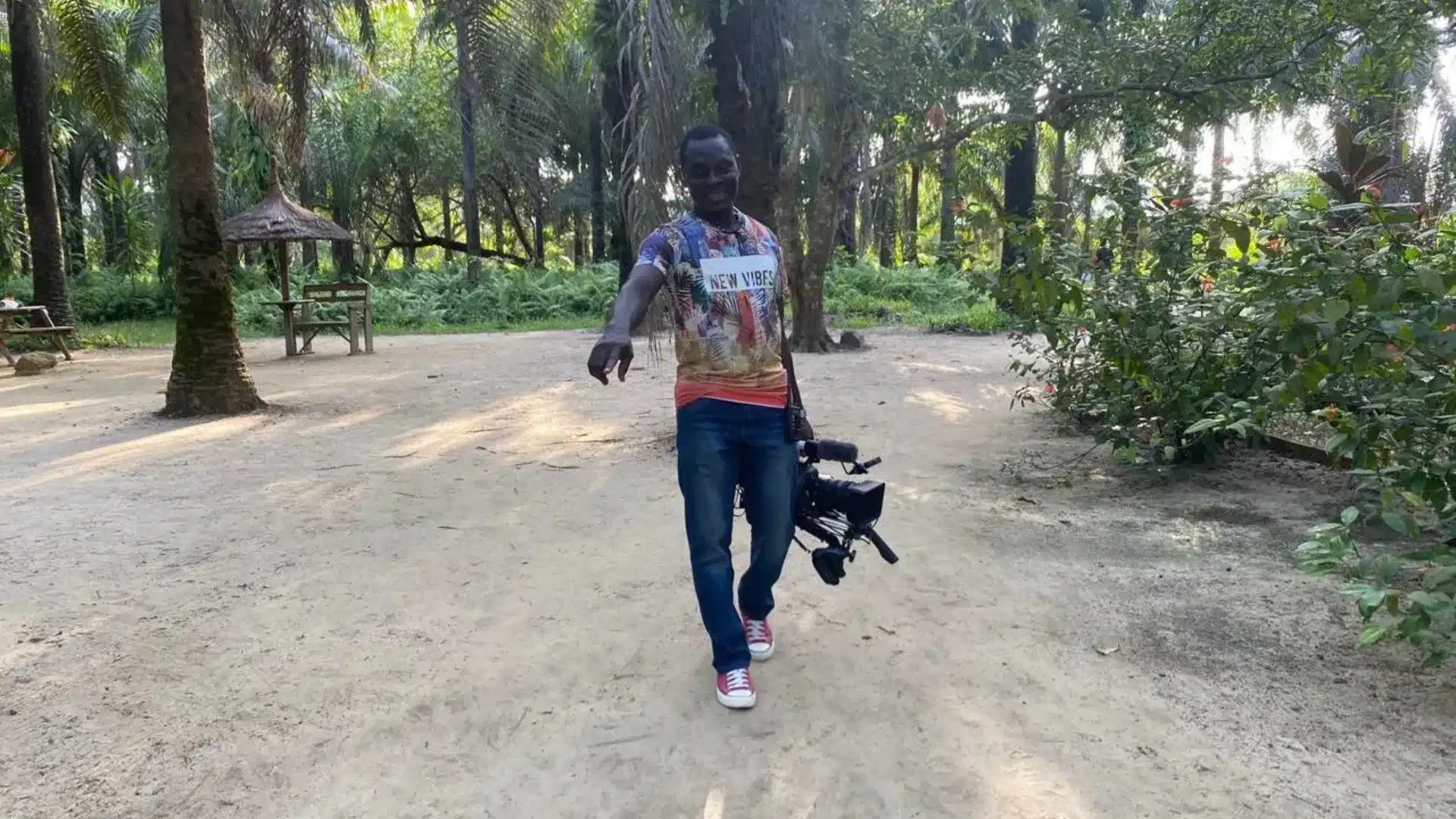
Filming in Nigeria with international crew can move quickly and successfully when visas,…

Africa Film Production Case Studies are most valuable when they show what actually…