
Nigeria moves fast creatively. Logistics, however, move best when they are structured.
If your production depends on bringing in cameras, lenses, lighting, sound gear, drones, grip, or specialist kit, Importing Film Equipment into Nigeria is not something to handle casually. It is procedural, documentation-heavy, and timing-sensitive.
This guide is written for producers, production managers, and line producers who need a clear operational roadmap. No industry overview. No permit deep dive. Just the mechanics of customs clearance Nigeria requires and how to avoid delays when clearing film equipment Lagos or other entry points.
For on-the-ground support, start here: Nigeria location page
Step 1: Understand the Framework Before Shipping
Before you begin Importing Film Equipment into Nigeria, understand this: customs authorities expect transparency, documentation alignment, and proper temporary import structure.
Nigeria operates under defined temporary import regulations Nigeria recognizes, but your shipment must match declared paperwork exactly.
If your serial numbers differ, if your packing list is incomplete, or if your declared value is inconsistent, expect inspection delays.
Early coordination is part of professional production logistics Nigeria.
Step 2: Decide – Carnet or Temporary Import Bond?
One of the first strategic decisions when Importing Film Equipment into Nigeria is whether to use an ATA Carnet or pursue a temporary import process without one.
Carnet Requirements Nigeria
Nigeria accepts ATA Carnets for temporary importation of professional equipment.
Using a carnet simplifies customs clearance Nigeria because:
- Equipment is pre-listed and pre-valued
- Duties are suspended under temporary import terms
- Re-export procedures are streamlined
However, carnet requirements Nigeria authorities expect include:
- Accurate serial numbers
- Matching equipment descriptions
- Consistent declared values
- Strict re-export within carnet validity
If carnet documentation does not align perfectly with the shipment, clearance slows.
For productions bringing high-value camera packages, carnet requirements Nigeria often make the process more predictable.
Step 3: Preparing Documentation for Customs Clearance Nigeria
Whether using a carnet or not, documentation must be airtight.
When managing camera equipment customs Nigeria, prepare:
- Detailed equipment list with serial numbers
- Commercial invoice (even if temporary import)
- Packing list
- Airway bill
- Carnet (if applicable)
- Letter from local Nigerian production partner
- Proof of return shipment plan
The more detailed your submission, the smoother working with Nigerian customs becomes.
Ambiguity is the enemy of speed.
Step 4: Airport Clearance Procedures – What Happens on Arrival
Most international productions clearing film equipment Lagos will enter through Murtala Muhammed International Airport.
Here is what typically happens during airport clearance procedures:
- Cargo arrival notification
- Documentation verification
- Customs inspection (selective or full)
- Bond or carnet validation
- Release approval
If you are Importing Film Equipment into Nigeria through Lagos, expect inspection. Even carnet shipments may be physically verified.
Timeframe depends on:
- Accuracy of documentation
- Whether duties are required
- Inspection backlog
- Quality of local customs broker support
Professional production logistics Nigeria planning assumes clearance time in the schedule rather than hoping for immediate release.
Step 5: Duties and Taxes for Film Gear
If entering without a carnet, duties and taxes for film gear may apply depending on declared status and classification.
Under temporary import regulations Nigeria allows suspension of duties where equipment is clearly intended for re-export. However, this may require:
- Security bonds
- Bank guarantees
- Cash deposits
- Official undertakings
The amount assessed under duties and taxes for film gear depends on:
- Declared value
- Classification code
- Duration of stay
This is where expert guidance is essential. Incorrect classification can inflate assessed costs.
For many productions, carnet requirements Nigeria provide the cleaner solution, particularly for high-value cinema equipment.
Step 6: Working with Nigerian Customs – The Reality
Working with Nigerian customs is about preparation and representation.
Best practice includes:
- Engaging a licensed customs broker
- Coordinating through a registered Nigerian production partner
- Pre-submitting documentation before cargo arrival
- Ensuring equipment lists match actual shipment exactly
Attempting to manage customs clearance Nigeria remotely without local coordination increases risk.
Clear communication and formal documentation are respected. Informal assumptions are not.
Step 7: Clearing Film Equipment Lagos vs Other Entry Points
While Lagos is the primary gateway, some productions may enter through Abuja or other ports.
However, clearing film equipment Lagos remains the most common route due to:
- Flight frequency
- Broker availability
- Production infrastructure
- Speed of processing
If your shoot is in another region, factor in domestic transfer after Importing Film Equipment into Nigeria.
Internal logistics are part of overall production logistics Nigeria planning.
Step 8: Re-Export – Don’t Forget the Exit Strategy
Temporary import is only complete once equipment leaves the country properly.
Failure to close out documentation can trigger penalties or complications for future entries.
For carnet shipments:
- Customs must validate re-export
- Carnet counterfoils must be stamped
For bond-based temporary import:
- Proof of export must be filed
- Bonds must be released
Re-export is not administrative housekeeping. It is the final step of Importing Film Equipment into Nigeria.
Common Problems Producers Face
When issues arise during camera equipment customs Nigeria, they typically fall into one of these categories:
- Serial numbers do not match paperwork
- Equipment substitutions not reflected on carnet
- Undeclared drones or batteries
- Misclassified items
- Missing local representation
Each of these slows customs clearance Nigeria significantly.
The solution is not improvisation. It is preparation.
Battery & Power Regulations: The Detail That Delays Flights
When Importing Film Equipment into Nigeria, lithium batteries are often the hidden complication.
Airlines and airport clearance procedures treat high-capacity batteries separately from standard camera equipment. If your shipment includes V-mount batteries, drone batteries, or high-output power packs, they may be:
- Classified as dangerous goods
- Subject to airline-specific restrictions
- Held for additional inspection
During customs clearance Nigeria, undeclared batteries can trigger delays even when the rest of the shipment is compliant.
Best practice:
- Declare battery quantities clearly
- Confirm airline dangerous goods policies before shipping
- Ensure documentation matches the physical count exactly
For productions managing camera equipment customs Nigeria, batteries cause more delays than lenses.
Insurance & Declared Value: Why Accuracy Matters
Another overlooked issue when Importing Film Equipment into Nigeria is declared value alignment.
Customs officers assess documentation against:
- Commercial invoices
- Carnet valuations
- Insurance certificates
If your declared value for customs clearance Nigeria differs from insurance documentation, questions arise.
For example:
- Under-declaring equipment to reduce perceived duties
- Listing replacement value that doesn’t match carnet paperwork
Under temporary import regulations Nigeria, valuation consistency protects you.
Remember: customs clearance Nigeria is documentation-driven. Consistency reduces inspection time and speeds release.
On-Ground Coordination: Production Logistics Nigeria in Practice
Technical compliance is only half of the equation. The other half is timing.
When clearing film equipment Lagos, align shipment arrival with:
- Broker availability
- Public holidays
- Weekend port operating hours
- Shooting schedule buffer days
Professional production logistics Nigeria assumes at least one contingency day for airport clearance procedures, especially for larger shipments.
Productions that schedule equipment arrival the night before principal photography often pay for that optimism.
The solution is simple: build customs clearance Nigeria into your timeline, not around it.
Contingency Planning: What If Gear Is Delayed?
Even with perfect documentation, working with Nigerian customs sometimes involves inspection queues or unexpected queries.
Smart producers plan for:
- Partial gear release
- Backup rental options in Lagos
- Adjusted shoot sequencing
- Splitting high-risk items across shipments
While Nigeria’s rental market may not replace every specialty lens, planning partial continuity reduces downtime.
When Importing Film Equipment into Nigeria, contingency is not pessimism. It is professionalism.
FAQ
Is a carnet mandatory when importing film equipment into Nigeria?
Not mandatory, but strongly recommended for high-value gear. Carnet requirements Nigeria simplify temporary import procedures.
How long does customs clearance Nigeria take?
Clearance time varies. With complete documentation and local coordination, it can move efficiently. Without it, delays are common.
Are duties and taxes for film gear always required?
Not always. Under temporary import regulations Nigeria may suspend duties, but bonds or guarantees may be required.
What is the safest entry point?
Clearing film equipment Lagos through Murtala Muhammed International Airport is the most common and supported route.
Can we manage customs clearance Nigeria without a local partner?
Technically possible, operationally risky. Working with Nigerian customs through licensed brokers and local production companies reduces delays.
Importing Film Equipment into Nigeria is not complicated, but it is technical.
Success depends on:
- Accurate documentation
- Correct carnet or temporary import strategy
- Clear understanding of duties and taxes for film gear
- Professional coordination when clearing film equipment Lagos
- Structured re-export procedures
Approach it as a logistics operation, not an afterthought.
For direct support with production logistics Nigeria, customs clearance Nigeria, and structured equipment entry planning, visit our Nigeria country page
Previous Work We’ve done

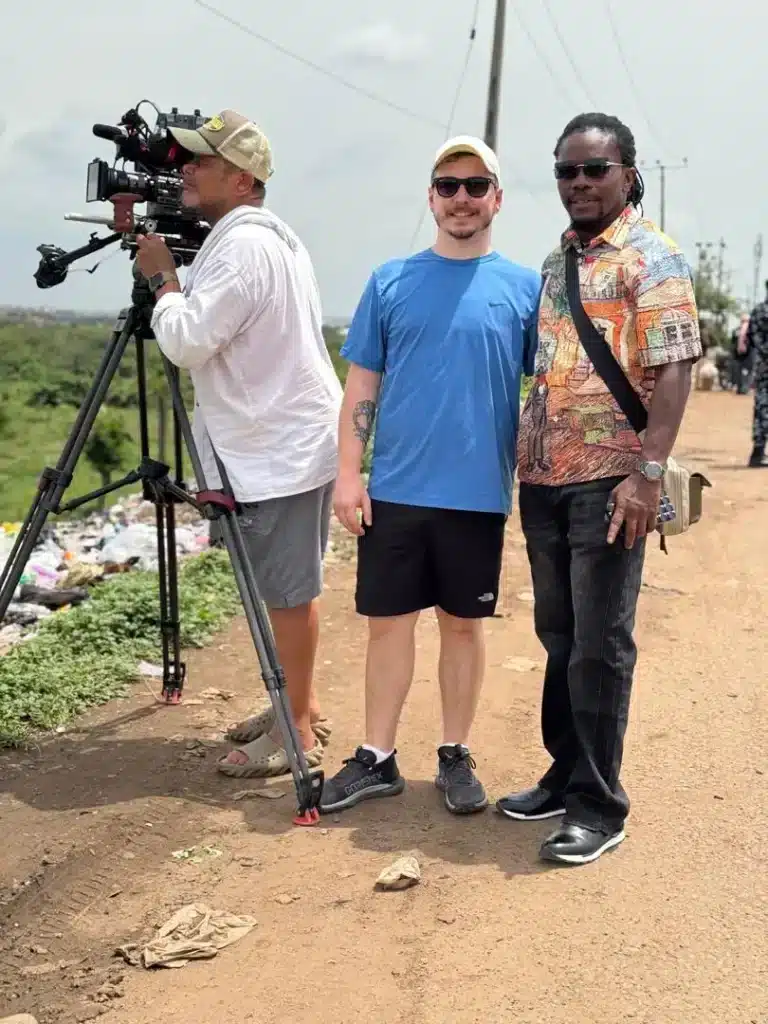
This article was written by Zandri Troskie-Naudé using verified information from relevant national authorities and regional production professionals, the filming environment reflects local regulatory oversight, location authority coordination, and established on-the-ground production capability. With experienced film fixers, comprehensive film production services, and dependable production support, productions operate within a framework built for structured, efficient execution.
Film Authorities & Key Regulatory Bodies
When Importing Film Equipment into Nigeria, multiple authorities may be involved depending on the nature of your shipment and entry point. Understanding who regulates what prevents delays during customs clearance Nigeria and airport clearance procedures.
Nigerian Film Corporation (NFC)
The federal agency supporting film activity in Nigeria. While not directly responsible for customs clearance, the NFC plays a role in facilitating production coordination and may support official documentation where required.
Official site: https://nigerianfilmcorporation.gov.ng/
Nigeria Customs Service (NCS)
The primary authority overseeing customs clearance Nigeria procedures, including temporary import regulations Nigeria and duty assessment. All imported film equipment is processed under NCS supervision.
Official site: https://customs.gov.ng/
Federal Airports Authority of Nigeria (FAAN)
Oversees airport operations, including cargo terminals at major entry points such as Murtala Muhammed International Airport in Lagos.
Official site: https://faan.gov.ng/
Nigerian Civil Aviation Authority (NCAA)
Regulates aviation matters, including drone operations where applicable. Productions bringing aerial equipment must comply with NCAA regulations.
Official site: https://ncaa.gov.ng/
For structured coordination when importing film equipment into Nigeria, working through a locally registered production partner with licensed customs broker support remains best practice.