
















Film Production Services in Sudan
Hoodlum provides practical, fixer-led Film Production Services in Sudan for international productions that need permits, local crew, location access, customs, drones, transport, security and full production support. Sudan is a complex but workable production environment for crews that plan carefully, secure approvals early and build the shoot around local coordination, official documentation, equipment clearance, security planning and realistic movement.
Timings, fees and process details on this page reflect Sudan’s established permitting framework. Conditions have changed significantly since 2023, and every figure should be confirmed for the specific project before it is used for budgeting or scheduling.
Sudan can support documentary, factual television, NGO, development, current affairs, cultural, historical, commercial, branded, humanitarian and field-based productions. The country offers production environments around Khartoum, Port Sudan, desert routes, Red Sea access, urban locations, private spaces, institutional settings, remote roads and region-specific field environments. However, Sudan should not be approached as a casual filming destination. International crews need a clear production file, approved permits, crew accreditation, secure logistics and local fixer support before arriving.
Film permits and crew accreditation in Sudan are processed together. International crew members are listed on the film permit with their profiles, and approvals are handled through the Ministry of Culture & Information and the Ministry of Foreign Affairs. Drones must be registered with the aviation authority and drone import permission is issued with the general film permit. Sudan is not a Carnet country, so equipment customs clearance must be arranged with Sudanese Customs through an import request, detailed equipment list and declared equipment values.
Hoodlum supports productions in Sudan with visa guidance, film permit coordination, crew accreditation, fixer services, private location access, location scouting, drone permit planning, equipment customs clearance, local crew sourcing, secure transport, accommodation, safety planning and complete on-the-ground production management. Sudan can deliver strong production value, but it requires a disciplined production structure and experienced local support.
Why Sudan Works for International Productions
Sudan works for productions that need controlled access to North African and Red Sea production environments, desert routes, historical context, development stories, urban interviews, humanitarian access, cultural settings, port locations, institutional filming or field-based documentary work. It is a country where location value and story value can be strong, but where the production needs to be carefully planned around approval timelines and operational constraints.
Khartoum and Port Sudan are important production reference points. Khartoum can support urban access, local coordination, permit follow-up, accommodation, transport planning and institutional filming where conditions allow. Port Sudan can be important for coastal, maritime, logistics, humanitarian, commercial, Red Sea and infrastructure-related content. The right base depends on the production’s subject, route, contributors, security profile and permit conditions.
Sudan’s production environment requires clear documentation. The company profile, treatment, synopsis or script, passport scans, passport photos, visa scans, equipment list and serial numbers all form part of the official process. When the production includes drones, the permit cost and approval process increase, and the drone information must be integrated into the general film permit file.
The country is best suited to productions that can allow 2 to 3 weeks for film permit and crew accreditation processing, plus around 10 days for visa processing depending on nationality. Customs clearance can also take 2 to 3 weeks, so equipment planning should happen early. Hoodlum helps productions assess whether Sudan is workable for the schedule and then builds the local support structure needed to deliver the shoot.
Khartoum as a Production Base
Khartoum is one of the most important operational bases for filming in Sudan. It can support crew arrivals, fixer coordination, permit follow-up, accommodation, transport, local crew sourcing, equipment management and controlled filming where permissions and security conditions allow. For many productions, Khartoum is the first point of contact with the country’s production system.
The city may be relevant for interviews, institutional access, urban filming, private locations, development stories, controlled interiors, government-facing coordination, contributor work and logistics preparation. Even if the shoot later moves to another region, Khartoum may remain important for documentation, crew meetings, production planning and local liaison.
Filming in Khartoum should be properly documented. Crews should carry copies of visas, film permits, crew accreditation, passport scans, equipment lists and local fixer contact details while working. Public filming, institutional filming, government-adjacent locations, roads, sensitive sites and high-visibility exterior work may require additional local coordination.
Hoodlum supports Khartoum-based production with fixer services, permit coordination, transport, accommodation, local crew sourcing, private location access, equipment handling and security planning. A well-organised Khartoum base helps crews operate more confidently and reduces the risk of delays caused by missing documents or unclear local arrangements.
Port Sudan and Red Sea Production Access
Port Sudan is an important production location for crews working around the Red Sea, maritime access, port infrastructure, logistics, coastal stories, humanitarian operations, commercial filming, environmental content or regional movement. It may also be relevant when productions need a base outside Khartoum depending on the subject and current access conditions.
Filming around ports, coastal infrastructure, maritime facilities, transport routes or operational sites usually requires careful permission planning. A general film permit may not always be enough for sensitive or controlled locations. Site managers, local authorities, port-related contacts or government departments may need to be informed or involved.
Coastal filming also affects equipment planning. Salt air, wind, humidity and dust can affect cameras, lenses, drones, batteries, sound gear and data systems. Productions should prepare protective cases, charging plans, backup media, cleaning kits and secure storage.
Hoodlum supports Port Sudan and Red Sea filming by coordinating local access, fixer support, transport, accommodation, equipment protection and security-aware movement. For Sudan productions, coastal access should be planned with the same level of documentation as city or desert filming.
Desert Routes, Remote Locations and Field Logistics
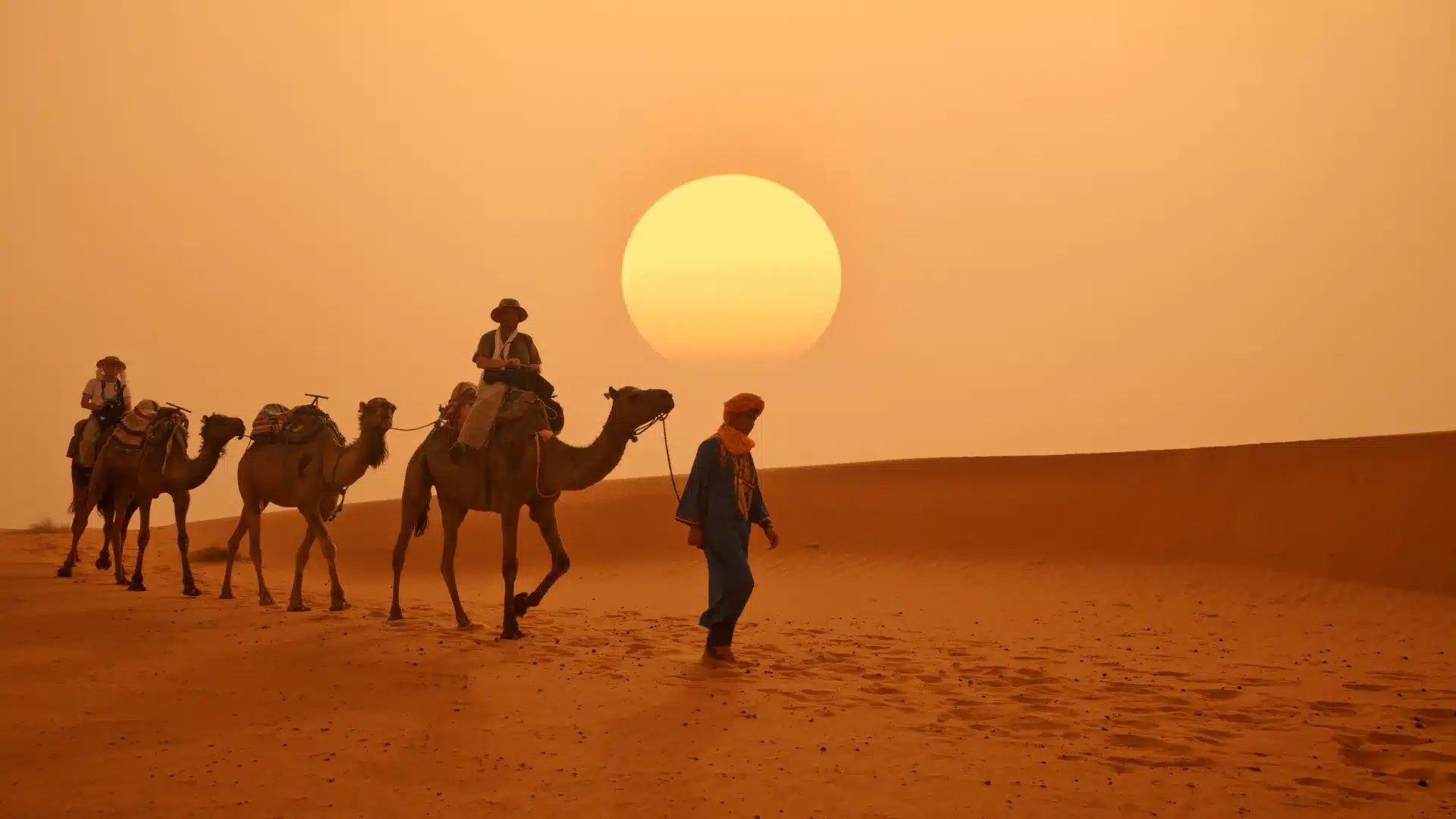
Sudan can provide strong production value for desert, road-based, regional and remote filming. These environments may suit documentary, historical, expedition, humanitarian, development, environmental, branded or current affairs productions. However, remote filming requires a more detailed logistics structure than controlled city work.
Crews should plan vehicles, drivers, fuel, water, communications, security, medical support, equipment protection, accommodation and contingency days before travelling outside main bases. Distances can be long, roads may be demanding, and movement can be affected by weather, access restrictions, security conditions or local permissions.
Field filming should not be built around overly tight schedules. A location may be strong creatively but difficult operationally if access, accommodation, fuel or communication is limited. Productions should allow buffer time for route checks, authority coordination, equipment handling and local introductions.
Hoodlum supports remote filming in Sudan by helping productions assess routes, plan transport, confirm permissions, coordinate local support and prepare contingency options. Sudan’s regional locations can work for international crews, but only when the schedule reflects real field conditions.
Crew Entry and Visa Requirements for Sudan
Visas are required by all nationalities entering Sudan. Film crews should apply before travel through the relevant online e-Visa route or appropriate diplomatic channel. The e-Visa application link provided for Sudan-related visa processing.
Visa applications typically require a valid passport for at least six months after the return date, a fully completed and signed Sudan visa application form, a passport-sized photograph taken within the last six months and compliant with Sudan visa photo requirements, a fee payment receipt and a vaccination certificate.
Processing time is usually around 10 days on average, although this can vary depending on nationality, application route and the completeness of the submitted documents. Productions should allow additional time when multiple crew members are travelling or when the production schedule is fixed.
Visa costs range from approximately USD 50 to USD 500 depending on nationality. Productions should confirm the current fee before submission and ensure that every crew member’s visa status matches the shoot schedule and permit file.
Hoodlum supports productions by helping align visa applications with the filming plan. Passport validity, visa scans, crew profiles, production company information, filming dates and equipment details should all match the permit and accreditation file. This reduces confusion when the crew arrives and supports a cleaner approval process.
International Crew Accreditation in Sudan
International crew accreditation and filming permits in Sudan are processed together. The international crew members are listed on the film permit along with their profiles. This means accreditation is not a separate afterthought; it is part of the central filming approval process.
The required documents for crew accreditation typically include a company profile from the production company, a synopsis describing what will be filmed in Sudan, passport scans for each crew member, two passport photos for each crew member, visa scans for each crew member and an equipment list with serial numbers.
Processing usually takes 2 to 3 weeks. The approximate cost is USD 450. Productions should allow enough time for the crew list, passport documents and visa scans to be collected before the application is submitted.
Because crew accreditation is connected to the film permit, any changes to crew members, roles, equipment or dates may affect the approval file. Productions should avoid last-minute crew substitutions where possible, especially once the permit application has been submitted.
Hoodlum supports crew accreditation by coordinating the crew documents, passport scans, visa scans, profile information, equipment lists and production company materials required for the application. The goal is to present a complete and consistent production file to the relevant authorities.
Film Permits in Sudan
Film permits in Sudan are issued through the Ministry of Culture & Information and the Ministry of Foreign Affairs. International productions should obtain formal approval before filming, especially for documentary, factual, commercial, branded, NGO, development, news, current affairs or broadcast work.
The film permit application typically requires a company profile from the production company, a treatment, synopsis or script describing what will be filmed in Sudan, scanned passports for all crew members, two passport-sized photographs for each crew member, scanned visas for each crew member and a list of all equipment entering Sudan with serial numbers.
Film permit processing takes approximately 2 to 3 weeks. The cost is approximately USD 450. If the production includes a drone, costs increase to approximately USD 1,500. Productions should make the drone decision early because it affects both budget and documentation.
The film permit is a central production document. It includes the international crew profiles and links to the equipment list, visa scans and production synopsis. Crews should keep copies available while filming and moving between locations.
Hoodlum supports film permit preparation by helping productions compile the company profile, treatment, script or synopsis, crew passport scans, passport photos, visa scans, equipment list and drone details. In Sudan, the permit file should be complete before travel and aligned with the actual shoot plan.
Private Locations and Location Agreements
Private location filming in Sudan is arranged through location scouting and negotiation with the owner. A location scout provides options based on the production brief. Once a location is selected, a standard location agreement is agreed and signed with the location owner.
Private locations may include homes, offices, hotels, commercial spaces, compounds, industrial sites, cultural spaces, farms, private land, interiors or controlled exterior locations. The fixer or location scout helps determine whether the location is practical, who controls access and what conditions need to be agreed before filming.
Location fees are negotiated by the location scout or fixer with the private owner. Costs may depend on the type of location, duration of filming, crew size, equipment footprint, exclusivity, disruption, privacy, parking, security, power requirements and whether the production needs access outside normal hours.
A location agreement should clarify filming dates, areas of access, permitted activity, arrival times, wrap-out expectations, payment terms, owner restrictions, property protection and any security or privacy requirements. Hoodlum helps productions negotiate private access in a way that is clear, documented and workable for the filming day.
Public Filming and Local Permissions
Public filming in Sudan should be handled with careful local coordination. Streets, markets, transport hubs, government-adjacent areas, ports, roads, public institutions, community spaces and sensitive locations may require additional awareness or site-specific permission, even when the production has a general film permit.
The fixer plays a central role in managing public filming. They help identify who needs to be informed, where filming may attract attention, which locations require additional approval and how the crew should present the production to local contacts or authorities.
Crews should carry their film permit, crew accreditation, visas, passport copies, equipment list and fixer contact details while filming. Clear documentation helps explain the crew’s presence and reduces delays if officials or location representatives ask questions.
Hoodlum supports public filming in Sudan by planning the location approach, briefing the crew, coordinating with local contacts and ensuring that the documentation is available on set. Public filming should be structured, respectful and security-aware.
Drone Filming in Sudan
Drone filming in Sudan requires advance planning. Drones must be registered with the aviation authority, and drone importation permission is issued along with the general film permit. This means drone activity should be included in the permit file from the beginning.
Drone permits are handled through the Ministry of Culture & Information and the Ministry of Foreign Affairs as part of the wider production approval process. Productions should not treat drone filming as a separate last-minute add-on. If a drone is required, the production should include it in the initial application.
Required documentation for local drone approval typically includes the drone make, serial number and pilot licence. The drone must also appear on the equipment list with serial numbers where relevant. The pilot’s credentials should be clear and available for review.
Drone processing takes approximately 2 to 3 weeks, matching the general film permit timeline. The cost is approximately USD 1,000. When a drone is included in the general film permit, total permit costs may increase to approximately USD 1,500.
Hoodlum supports drone planning by helping productions prepare drone details, pilot licence information, equipment lists and permit materials. We also help assess whether aerial filming is suitable for the locations, security profile and filming schedule.
Drone Importation into Sudan
Drone importation permission in Sudan is issued along with the general film permit. Productions planning to bring a drone into the country should include the drone in the permit application and equipment list from the start.
The drone information should include make, serial number and pilot licence details. Productions should also prepare supporting information around intended filming locations, flight purpose, schedule and how the drone will be used. Sensitive areas may require additional caution or may not be suitable for drone operations.
Drone importation should be coordinated with customs clearance. Sudan is not a Carnet country, and all equipment entering the country should be listed with serial numbers and values. Drones should not be omitted from the equipment list.
Hoodlum helps productions align drone importation, drone registration, permit approval and customs documentation. This reduces the risk of delays when the crew arrives and makes aerial filming easier to manage within the approved production structure.
Equipment Customs Clearance in Sudan
Sudan is not a Carnet country. Productions cannot rely on an ATA Carnet for temporary importation of filming equipment. Equipment customs clearance must be handled through Sudanese Customs using the required import request and supporting documents.
The process requires an import request for filming equipment, a detailed equipment list including serial numbers and the value of the equipment. This applies to cameras, lenses, sound equipment, lighting, drones, batteries, grip, data systems and any other professional production equipment entering Sudan.
Sudanese Customs issues the clearance. Processing typically takes 2 to 3 weeks, so equipment planning should happen at the same time as the film permit application. Productions should not leave customs clearance until arrival.
Costs are at the discretion of Sudanese Customs. Productions should budget for possible customs-related charges and should keep the equipment list accurate, complete and consistent with the permit application.
Hoodlum supports equipment customs clearance by helping prepare import requests, equipment lists, serial numbers, declared values and local coordination with customs contacts. For Sudan, customs clearance is a pre-production process and should be integrated with the permit file.
Local Crew, Fixers and Production Support
Local fixers are essential for filming in Sudan. The fixer helps connect the production to authorities, location owners, drivers, local crew, customs contacts, security support and practical field resources. In Sudan, the fixer’s role is both administrative and operational.
A Sudan fixer may support visa coordination, film permit preparation, crew accreditation, location scouting, private location negotiation, equipment customs clearance, drone permit planning, transport, accommodation, translator support, security planning and daily troubleshooting.
Local crew sourcing depends on the production format and location. International productions may bring specialist camera, sound, lighting, producing or directing crew while sourcing fixers, drivers, translators, production assistants, local coordinators and security support in Sudan. Larger or multi-location productions may need a stronger local production unit.
Hoodlum helps build the right support structure for each Sudan shoot. The crew model should reflect the permit requirements, equipment package, drone use, filming regions, security profile and schedule. A well-structured local team helps protect the filming days and keeps the production compliant.
Transport, Accommodation and Field Logistics
Transport in Sudan should be planned around route conditions, security profile, crew size, equipment volume, fuel, weather and travel distance. Productions may need vetted drivers, suitable vehicles, route planning, convoy arrangements, backup vehicles and contingency time depending on the locations.
Accommodation should be selected around safety, access, power, communication, vehicle parking and equipment storage. Khartoum and Port Sudan may support more practical accommodation bases, while regional filming may require more careful planning.
Field logistics should include communications, charging, data backup, equipment protection, medical planning, water, food, security awareness and emergency procedures. Remote shoots should include contingency plans for weather changes, route delays, equipment issues or local access changes.
Hoodlum supports transport, accommodation and field logistics by coordinating vehicles, drivers, accommodation, equipment movement, local contacts and daily production planning. Sudan productions require practical scheduling and flexibility, especially outside main cities.
Safety and Security in Sudan
Safety and security requirements in Sudan depend on the area the production intends to visit. Main cities such as Khartoum and Port Sudan may be workable for properly supported crews, but each location should be assessed before filming. Security conditions can vary, and productions should plan around current local advice and route-specific risk.
The level of security required depends on location, subject matter, equipment value, crew visibility, public filming, road movement and regional access. Some shoots may need a light security approach, while others may require more formal security support, controlled transport or additional local authority coordination.
Productions should avoid unnecessary exposure, use trusted local drivers, work through local fixers and keep movement structured. Crews should carry documentation and follow the guidance of the local production team.
Hoodlum helps productions assess the security profile, coordinate local support, plan routes, select accommodation and prepare contingency procedures. In Sudan, security planning should be built into the schedule before the crew travels.
Health and Medical Planning
Visa applications for Sudan require a vaccination certificate. Crews should confirm current vaccination and medical entry requirements before travel and ensure all documentation is complete before applying.
Productions should also seek professional travel health advice before filming. Depending on the region and duration of the shoot, crews may need malaria prevention, heat management, hydration planning, medical kits, emergency contacts and evacuation planning.
Remote or regional filming may involve limited medical access. Crews should know where medical support is available, how to communicate in an emergency and how to move a crew member if medical attention is required.
Hoodlum helps productions integrate health planning into visa preparation, accommodation, transport, security and field logistics. Medical readiness is part of maintaining a stable production schedule.
Film Rebates and Tax Incentives
No film rebate or tax incentive is listed for Sudan. Productions should not budget around a local rebate unless a current incentive programme is confirmed through official channels.
Budgeting for Sudan should focus on operational costs: visas, film permits, crew accreditation, drone permit fees, equipment customs clearance, local fixers, location scouting, private location fees, transport, accommodation, security, customs charges and contingency time.
Hoodlum helps productions build realistic Sudan budgets by identifying the approvals and local support required for the shoot. In Sudan, production value comes from access, location relevance, local coordination and controlled execution rather than incentive-based financing.
When Sudan Is the Right Production Choice
Sudan is the right production choice when a project needs North African or Red Sea production value, Khartoum or Port Sudan access, desert routes, development stories, humanitarian context, cultural or historical filming, controlled interviews, NGO field access or documentary environments that cannot be replicated elsewhere.
The country is best suited to productions that can plan early. Visas take around 10 days on average, film permits and crew accreditation take 2 to 3 weeks, drone approvals take 2 to 3 weeks, and equipment customs clearance can also take 2 to 3 weeks. These timelines should be built into the production schedule.
Sudan is less suitable for productions that need last-minute approvals, informal drone use, incomplete equipment documentation or unsupervised public filming. The approval process requires proper documentation, and the security profile should be assessed location by location.
Hoodlum helps producers decide whether Sudan fits the project’s creative, timing, budget and security requirements. When Sudan is viable, we provide the fixer-led production support needed to make the shoot operational.
Common Sudan Production Mistakes
A common mistake is separating crew accreditation from the film permit. In Sudan, crew accreditation and filming permits are processed together, and crew members are listed on the film permit with their profiles.
Another mistake is leaving drone details too late. Drone importation permission is issued with the general film permit, and drones must be registered with the aviation authority. The drone make, serial number and pilot licence should be included early.
Productions also sometimes underestimate customs timing. Sudan is not a Carnet country, and Sudanese Customs requires an import request, detailed equipment list with serial numbers and equipment values. Clearance can take 2 to 3 weeks.
Another issue is submitting incomplete crew documents. The permit file requires passport scans, two passport photos for each crew member, visa scans and production company materials. Missing documents can delay approval.
Private locations should not be approached informally. A location scout should provide options based on the brief, and once a location is selected, a standard location agreement should be signed with the owner.
Finally, productions sometimes underplan security. Security requirements depend on the area visited, and crews should assess each route and location before filming. Local fixer support is essential.
How Hoodlum Supports Productions in Sudan
Hoodlum supports productions in Sudan with practical, fixer-led production services for international crews. We help coordinate the approvals, local relationships and field logistics required to film legally and responsibly.
Our support includes visa guidance, film permit preparation, crew accreditation coordination, company profile support, synopsis and treatment preparation, passport and visa document coordination, equipment list preparation, drone permit planning, customs clearance support, location scouting, private location negotiation, local crew sourcing, transport, accommodation, safety planning and daily production management.
We help productions prepare the company profile, treatment, synopsis or script, passport scans, passport photos, visa scans, equipment list with serial numbers, drone make, drone serial number, pilot licence and customs import materials required for Sudan’s production process.
Sudan requires careful documentation and trusted local coordination. Hoodlum provides the on-ground support needed to keep international crews prepared, compliant, secure and ready to film.
FAQ
Do film crews need a visa for Sudan?
Yes. Visas are required by all nationalities entering Sudan. Crews should apply before travel through the relevant online or diplomatic route.
How long does a Sudan visa take?
A Sudan visa takes around 10 days on average, depending on nationality and application route.
What documents are required for a Sudan visa?
Documents typically include a passport valid for at least six months after the return date, completed and signed visa application form, passport-sized photo, fee payment receipt and vaccination certificate.
How much does a Sudan visa cost?
Sudan visa costs range from approximately USD 50 to USD 500 depending on nationality.
Who issues film permits in Sudan?
Film permits are issued through the Ministry of Culture & Information and the Ministry of Foreign Affairs.
How long does a Sudan film permit take?
A Sudan film permit typically takes 2 to 3 weeks to process.
What documents are required for a Sudan film permit?
Documents typically include a production company profile, treatment, synopsis or script, scanned passports for all crew, two passport photos for each crew member, scanned visas and a full equipment list with serial numbers.
Is crew accreditation required in Sudan?
Yes. Crew accreditation and filming permits are processed together, and international crew members are listed on the film permit with their profiles.
How much does a Sudan film permit cost?
The approximate cost is USD 450. If the production includes a drone, costs may increase to approximately USD 1,500.
Can film crews use drones in Sudan?
Yes, but drones must be registered with the aviation authority, and drone importation permission is issued with the general film permit.
What documents are needed for a Sudan drone permit?
Drone applications typically require the drone make, serial number and pilot licence.
How long does drone approval take in Sudan?
Drone approval typically takes 2 to 3 weeks.
Is Sudan an ATA Carnet country?
No. Sudan is not a Carnet country.
Who handles equipment customs clearance in Sudan?
Equipment customs clearance is handled by Sudanese Customs.
What documents are required for customs clearance in Sudan?
Productions typically need an import request for filming equipment, a detailed equipment list including serial numbers and the value of the equipment.
Does Sudan offer film rebates?
No film rebate or tax incentive is listed for Sudan.
Is security required for filming in Sudan?
Security requirements depend on the area being visited. Productions should assess each location and route before filming and work with local fixers to plan appropriate support.
External Authority Links
- Ministry of Culture, Information and Tourism
- Sudan Customs Authority
- Ministry of Foreign Affairs and International Cooperation
Contact Hoodlum today for expert Film Production Services in Sudan, including fixer support, film permits, crew sourcing, drone permissions, customs clearance, location access and complete on-the-ground production management. For more information, visit the Hoodlum Film Fixers Sudan Google Business Profile.