

















Film Production Services in Tanzania
Tanzania gives international productions one of the broadest filming canvases in East Africa. The country combines major wildlife environments, Indian Ocean coastlines, mountain landscapes, cultural routes, urban settings, rural villages, lakes and some of Africa’s most globally recognised natural locations.
For film, television, documentary and commercial crews, Tanzania’s biggest strength is scale. A shoot may be built around the Serengeti, Mount Kilimanjaro, Ngorongoro, Dar es Salaam, Arusha, Lake Manyara, Tarangire or the mainland coast, depending on the story and schedule.
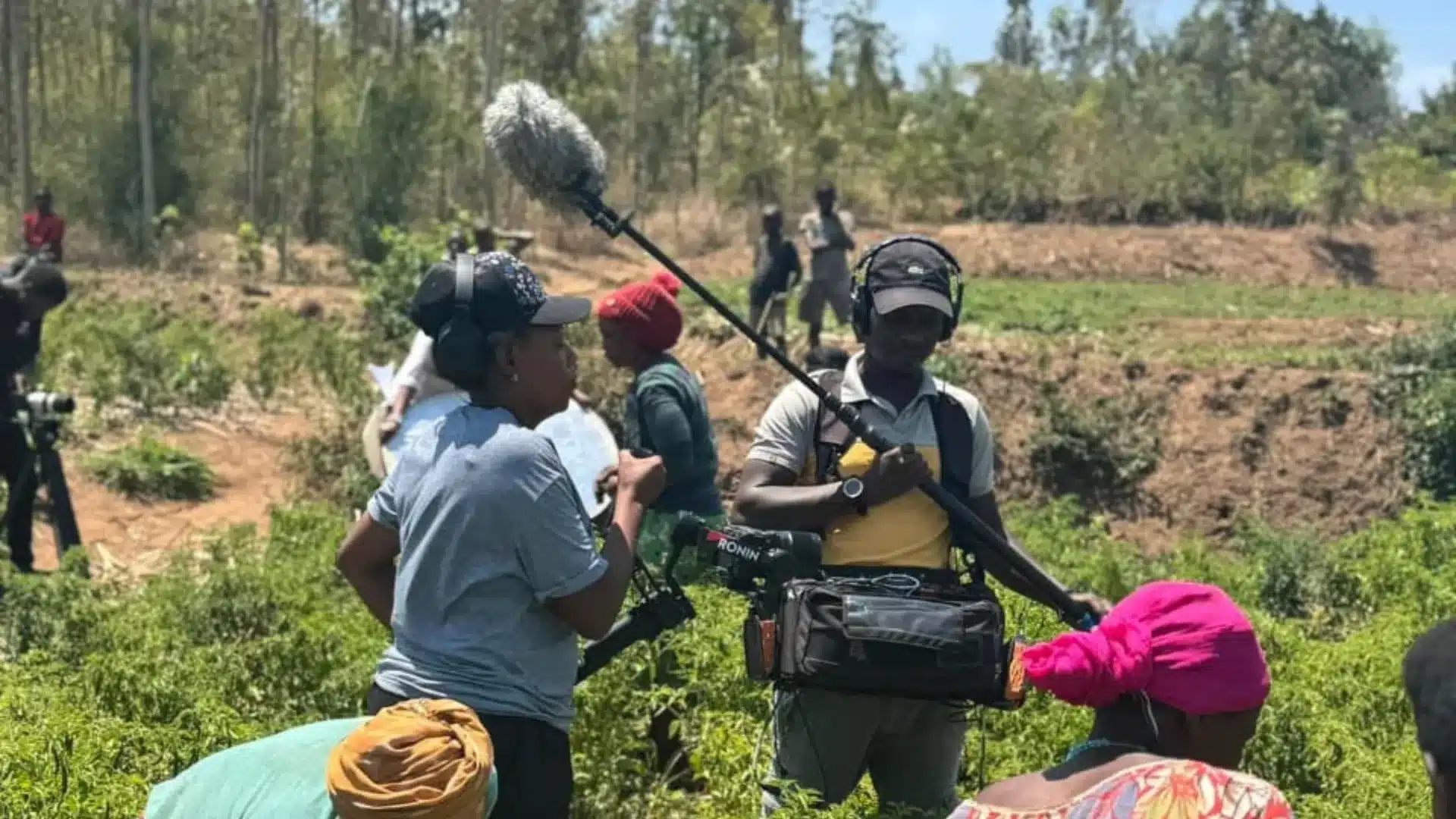
Hoodlum provides Film Production Services in Tanzania for documentaries, commercials, factual entertainment, tourism campaigns, branded content, NGO films, photography, feature projects and television productions. Our support covers business visa guidance, Temporary Work Permit coordination, Film Board permits, private location permissions, drone approvals, customs clearance, local fixers, transport, accommodation, security planning and on-ground production management.
Tanzania is highly filmable, but it requires early preparation. Foreign crew must align business visas, work authorisation, film permits, drone permissions, equipment clearance and location access before filming begins.
Why Tanzania Rewards Strong Production Planning
Tanzania is not a small, one-city production destination. It is a route-based filming country where the success of a shoot depends on how well the movement is planned. Distances, park access, weather, road conditions, customs clearance, permit timelines and drone restrictions all shape the production calendar.
This makes Tanzania ideal for productions that need real expedition value. Wildlife documentaries, conservation campaigns, safari films, adventure content, tourism campaigns and landscape-led commercials can all benefit from the country’s dramatic visual range.
Tanzania is especially strong for wildlife documentaries, safari and conservation films, tourism campaigns, commercials, branded content, NGO projects, factual entertainment, photography campaigns, adventure content, cultural stories, mountain productions and coastal lifestyle shoots.
Hoodlum’s Production Support Tanzania team helps crews decide which locations are practical, what permissions are required and how to build a route that works across the mainland.
Dar es Salaam as the Mainland Entry Point
Dar es Salaam is one of Tanzania’s main arrival and logistics centres for international productions. It is useful for crew entry, supplier coordination, customs handling, accommodation, transport planning and city-based filming.
The city offers a different visual identity from the safari routes. Productions can capture coastal roads, business districts, ports, markets, urban neighbourhoods, hotels, restaurants, residential areas and Indian Ocean city energy.
Dar es Salaam is also important for practical production management. Customs clearance, clearing agent coordination, transport movement and government-facing administration are easier to manage when the arrival plan is prepared before the crew lands.
For productions heading into the interior, Dar es Salaam can act as an entry point before onward travel to Arusha, national parks, mountain regions or mainland coastal locations.
Arusha, Serengeti and the Northern Safari Circuit
Northern Tanzania is one of the country’s strongest production regions. Arusha often functions as the gateway to safari filming, with access to the Serengeti, Ngorongoro, Tarangire, Lake Manyara and other major wildlife environments.
This region is ideal for natural history, safari content, conservation campaigns, luxury travel films, tourism work, documentary sequences and commercials that need unmistakable East African scale.
The Serengeti offers vast plains, wildlife movement and one of the world’s most recognisable safari landscapes. Ngorongoro adds crater geography and high-impact scenery. Tarangire brings baobabs, elephants and dry-season wildlife concentration. Lake Manyara offers lake, forest and escarpment visuals.
Filming in these environments requires more than a general film permit. Productions may need park access, lodge permissions, ranger or guide coordination, vehicle planning, wildlife-safe protocols and careful timing around weather, animal movement and tourist activity.
Hoodlum helps crews turn ambitious safari routes into workable filming schedules, with the right permissions, vehicles, fixers, accommodation and local support in place.
Kilimanjaro, Highlands and Expedition Filming
Mount Kilimanjaro gives Tanzania a globally recognised production asset. The mountain and surrounding areas are valuable for travel campaigns, documentary sequences, adventure content, endurance stories, brand films and photography.
Filming around Kilimanjaro requires realistic planning. Weather, altitude, access, guide support, route timing, crew fitness, equipment load, medical planning and permissions all affect the schedule. Productions should treat mountain filming as a specialist environment rather than a simple location day.
The wider highland areas can also support rural landscapes, farms, roads, small towns and cooler visual tones. These environments can help productions add variety between safari, city and coastal sequences.
Mainland Coast and Indian Ocean Production Value
Tanzania’s mainland coast gives productions beach, port, fishing, marine, Swahili and tropical lifestyle imagery. Coastal locations can work well for tourism campaigns, branded content, documentary sequences, resort filming, marine stories, fashion, photography and travel programming.
Mainland coastal filming requires planning around tides, heat, humidity, beach access, private property permissions, marine safety, drone restrictions and equipment protection. Hotels, lodges, ports, villages and public areas may all involve separate permissions.
For productions that do not need island filming, the mainland coast can provide Indian Ocean visuals while keeping the shoot within the mainland permit and logistics framework.
Business Visas for Film Crew
International film and television crew entering Tanzania for professional filming should apply for a Business Visa. Tourist visas are not valid for professional filming or media-related work.
Business visas may be obtained before travel or on arrival, depending on nationality. Each crew member must apply individually, and the purpose of travel must clearly state filming, media or production work.
Typical business visa documents include a passport with at least 6 months validity, passport-style photograph, Letter of Invitation from the local production partner, accommodation confirmation and travel itinerary or flight details.
The Business Visa supports entry into Tanzania, but it does not replace the film permit, Temporary Work Permit, drone approval or customs clearance.
Visa on arrival may be issued at entry depending on nationality. Online or embassy processing usually takes 5 to 10 working days. The indicated Business Visa cost is USD 250, subject to nationality.
Temporary Work Permits for Foreign Crew
Foreign crew conducting professional filming in Tanzania must obtain a Temporary Work Permit, Class C for short-term assignment. This is issued by the Department of Immigration Services and is required in addition to the Business Visa.
The Temporary Work Permit must align with the approved film permit, production schedule, crew list and role documentation.
Typical work permit documents include the approved Film Permit, passport copy, passport-style photograph, CV, resume, portfolio or IMDb link, a letter confirming the crew member’s role on the production and estimated arrival and departure dates.
Processing usually takes 2 to 4 weeks. The indicated cost is USD 200 to USD 300 per crew member, with the final fee confirmed at the time of application.
Hoodlum helps productions keep the visa, work permit, film permit and crew documentation consistent so immigration paperwork does not become a late-stage blocker.
Tanzania Film Board Permit Process
Professional filming on the mainland requires a General Film Permit issued by the Film Board under the Ministry of Information, Culture, Arts and Sports.
This permit is the central approval for professional filming activity. It should be prepared early, especially for productions involving wildlife areas, public-interest locations, government-linked spaces, drones, large crews or complex movement.
Typical film permit documents include a project synopsis or treatment, full script where applicable, shooting schedule and filming dates, detailed list of filming locations, full cast and crew list with nationalities, production company details and equipment list where applicable.
Standard processing can take up to 1 month. Fast-track processing may be possible, but it is subject to authority approval, project scope and availability.
The indicated standard Film Permit fee is USD 1,000. The indicated Fast-Track Film Permit fee is USD 3,000.
Hoodlum prepares the Film Board permit file with the correct production documents, crew details, schedule, locations and equipment information.
Location Access Across Tanzania Mainland
Tanzania locations may be privately owned, community-owned or government-controlled. Access depends on the type of location, ownership structure, public sensitivity and level of disruption caused by filming.
Hoodlum scouts and secures locations, negotiates access and fees, obtains written permissions and coordinates the practical terms of use.
Additional approvals may be required for government buildings, hotels, lodges, cultural sites, religious sites, heritage locations, public roads, protected areas, community-owned land and sensitive or high-profile locations.
Location fees vary according to the location type, duration of filming, usage, disruption level and any support required on site. Costs are confirmed once locations are locked.
Private or site-specific permission does not replace the Film Board permit. It works alongside national film approval and any additional local or authority permissions.
Drone Filming in Tanzania
Drone use in Tanzania is strictly regulated. Approvals involve the Tanzania Civil Aviation Authority, and drone importation also involves the Ministry of Defence.
Flying without approval is strictly prohibited. Productions should not treat drone work as a casual add-on, especially near parks, borders, government areas, crowds, sensitive sites or controlled airspace.
Typical drone approval documents include the approved Film Permit, drone specifications including make, model and serial number, purpose of drone use, flight locations and dates, pilot licence where applicable and insurance where applicable.
Drone importation requires advance approval. Unauthorised drones may be seized on arrival. For most international productions, using locally licensed drone operators is the safer and more practical route.
Drone approval should allow at least 3 to 6 weeks. Permit fees vary depending on drone type, locations and duration of use, with costs confirmed upon application.
Equipment Customs Clearance
Tanzania is not an ATA Carnet country. Temporary importation of professional filming equipment is permitted with proper documentation.
Customs clearance is handled through the Tanzania Revenue Authority. With pre-approved paperwork, same-day clearance may be possible, but professional equipment should not arrive without advance preparation.
Typical customs documents include an approved Film Permit, detailed equipment list, serial numbers, declared equipment values and passport copies of crew carrying equipment.
A customs bond or deposit may be required. Clearing agent fees vary depending on the volume and value of the equipment.
Hoodlum helps productions prepare the equipment list, customs documentation, declared values, clearing agent coordination and arrival plan so camera, lighting, sound and specialist equipment can clear efficiently.
Safety, Security and Regional Movement
Tanzania is generally safe for filming, with major cities and established filming regions considered stable. Standard productions often do not require private security.
However, the risk profile changes by region, subject matter, crew size and public visibility. Remote areas, border regions, high-profile locations and large public filming setups require additional assessment.
Police support may be required for road closures, crowd control, sensitive locations, high-profile filming, public-facing shoots and traffic management.
Medical planning should account for the crew’s travel history and filming route. A Yellow Fever certificate is required if arriving from an endemic country. Recommended vaccinations include Hepatitis A, Typhoid and Tetanus or TDap. Malaria prophylaxis is recommended in many regions.
Hoodlum advises on safety, security, medical planning and route logistics according to the locations and production footprint.
When Tanzania Is the Right Production Choice
Tanzania is the right choice when a production needs wildlife, safari scale, iconic landscapes, mountain routes, mainland coastal visuals, conservation access, rural settings or large East African geography.
It is especially strong for wildlife documentaries, tourism campaigns, conservation films, commercials, NGO content, factual entertainment, photography, expedition work and projects that need real movement through major natural environments.
The country may be less suitable for productions that need instant permitting, casual drone importation, carnet-based equipment entry or last-minute route changes without authority coordination.
It works best when the Business Visa, Temporary Work Permit, Film Board permit, drone approvals, customs paperwork and location permissions are prepared early.
Common Production Mistakes
Common mistakes include travelling on a tourist visa for professional filming, assuming a Business Visa replaces work authorisation, leaving Temporary Work Permits too late, underestimating the Film Board permit timeline, relying on fast-track approval without confirmation, importing drones without clearance, arriving with equipment before customs paperwork is prepared and treating safari or protected-area access like a standard private location.
Productions also underestimate the size of the country. Tanzania rewards careful routing, realistic travel days, strong local fixers and early authority alignment.
Most issues can be avoided by coordinating the crew list, visa purpose, work permits, film permit, location schedule, drone plan, customs documentation and transport route before the crew travels.
How Hoodlum Supports Productions in Tanzania
Hoodlum provides full production support for international crews that need experienced local coordination from early planning through wrap. Our support covers Business Visa guidance, Temporary Work Permit coordination, Film Board permits, location scouting, private and controlled-location permissions, drone planning, customs clearance, clearing agent coordination, local crew sourcing, transport, accommodation, security planning and on-ground production management.
From Dar es Salaam and Arusha to the Serengeti, Ngorongoro, Kilimanjaro, Tarangire, Lake Manyara and the mainland coast, Hoodlum helps productions access Tanzania’s strongest filming environments with the right permits, fixers, customs planning and logistics in place.
FAQ
Do international crews need a visa to film in Tanzania?
Yes. International film and television crew entering Tanzania for professional filming should apply for a Business Visa. Tourist visas are not valid for professional filming or media-related work.
Can crew get a Tanzania Business Visa on arrival?
Business visas may be issued on arrival depending on nationality. Online or embassy applications are also available and usually take 5 to 10 working days.
Do foreign film crew need work authorisation in Tanzania?
Yes. Foreign crew conducting professional filming activities require a Temporary Work Permit, Class C for short-term assignment, issued by the Department of Immigration Services.
Who issues film permits in Tanzania?
Film permits for Tanzania Mainland are issued by the Tanzania Film Board under the Ministry of Information, Culture, Arts and Sports.
How long does a Tanzania film permit take?
Standard processing can take up to 1 month. Fast-track processing may be possible, but approval is discretionary and depends on project scope and authority availability.
How much does a Tanzania film permit cost?
The indicated standard Film Permit fee is USD 1,000. The indicated Fast-Track Film Permit fee is USD 3,000.
Can productions use drones in Tanzania?
Yes, but drone use is strictly regulated. Approval is required from the relevant authorities, including the Tanzania Civil Aviation Authority.
Can foreign crews import drones into Tanzania?
Drone importation requires advance approval and may involve the Ministry of Defence. Unauthorised drones may be seized on arrival.
Is Tanzania an ATA Carnet country?
No. Tanzania is not an ATA Carnet country. Temporary importation is possible with proper customs documentation.
What are the best filming locations in Tanzania?
Key filming areas include Dar es Salaam, Arusha, Serengeti, Ngorongoro, Kilimanjaro, Tarangire, Lake Manyara, mainland coastal regions and surrounding safari routes.
External Authority Links
- Tanzania Immigration Services
- Tanzania Film Board
- Tanzania Civil Aviation Authority
- Tanzania Revenue Authority
- Tanzania National Parks
- Tanzania Tourist Board
Planning a shoot in Tanzania? Contact Hoodlum for Business Visa guidance, Temporary Work Permit support, Tanzania Film Board permits, local fixers, location scouting, drone coordination, customs clearance and on-ground production management. You can also view the Hoodlum Film Fixers Tanzania Google Business Profile for local production details.