


















Film Production Services in Cape Verde
Cape Verde is one of West Africa’s most distinctive island production destinations, offering volcanic landscapes, Atlantic coastlines, desert-like interiors, music culture, colourful cities, fishing communities, beach resorts and strong island-hopping production value. For commercials, travel campaigns, documentaries, music content, branded productions and island-based shoots, Cape Verde gives international crews a rare combination of African, Atlantic and Portuguese-influenced visual texture.
Hoodlum provides Film Production Services in Cape Verde for commercials, travel campaigns, documentaries, music content, branded productions and island-based shoots across Santiago, Praia, São Vicente, Mindelo, Sal, Boa Vista, Fogo and coastal volcanic locations. Our team manages filming permits, Ministry of Culture and Creative Industries coordination, local fixers, island logistics, private location access, customs planning, drone coordination through the Cape Verde Civil Aviation Authority, crew sourcing, transport support and full on-ground production management.
Cape Verde is generally safe, politically stable and production-friendly, but professional filming still requires proper preparation. Crews should plan for EASE pre-registration, Airport Security Tax payment, filming permits, local fixer coordination, drone approvals, non-Carnet equipment import procedures and island-specific logistics before travel.
Why Film Production Works Well in Cape Verde
Cape Verde works well for productions that need island visuals with variety. The country is not a single-look destination. It can provide beaches, volcanic terrain, desert roads, music culture, colourful towns, port cities, fishing villages and dramatic Atlantic light.
The destination is especially suitable for:
- Travel campaigns
- Commercials
- Documentaries
- Music videos and music-led content
- Branded productions
- Tourism campaigns
- Island-based television shoots
- Coastal lifestyle content
- Desert and volcanic landscape sequences
- Cultural programming
- Fashion and sport shoots
- Marine-adjacent filming
Santiago offers Praia, urban life, markets and administrative access. São Vicente and Mindelo are strong for music, culture, port visuals and colonial architecture. Sal and Boa Vista offer beaches, resorts, desert-like interiors and tourism infrastructure. Fogo provides volcanic terrain and one of the country’s most dramatic natural production backdrops.
Cape Verde’s main production strength is contrast. A crew can move from a bright Atlantic city to an empty desert road, then to a beach, port, village or volcanic landscape, depending on the island route.
Best Time of Year to Film
Cape Verde has a dry, sunny climate for much of the year, which makes it practical for exterior filming, travel campaigns and commercial work. Weather is generally more predictable than in many tropical island destinations, but productions should still plan around wind, sea conditions and inter-island transport.
Productions should consider:
- Wind on beaches and exposed landscapes
- Ferry and flight schedules between islands
- High tourism periods
- Drone approval lead times
- Customs processing
- Equipment exposure to sand and salt
- Marine conditions
- Island-specific accommodation availability
- Public events and music festivals
- Remote location access
Because the islands differ in terrain and infrastructure, the best filming window depends on the creative route. Beach shoots in Sal, music content in Mindelo, city filming in Praia and volcanic filming on Fogo each require different planning.
Hoodlum helps productions choose the right islands, routes and shoot windows for the brief.
Visa and Entry Requirements
Many nationalities, including EU, UK, USA, Canada, Brazil and others, may enter Cape Verde visa-free for short stays, typically up to 30 days. Some nationalities may be eligible for longer stays depending on entry rules.
All foreign air travellers must complete EASE pre-registration before arrival and pay the Airport Security Tax.
Some nationalities must obtain a pre-arrival visa through the EASE system or a Cape Verde embassy before travelling.
Typical entry requirements include:
- Passport valid for at least six months
- EASE pre-registration confirmation
- Airport Security Tax payment confirmation
- Return or onward ticket
- Accommodation details
- Proof of sufficient funds
- Yellow Fever certificate only if arriving from a Yellow Fever risk country
EASE registration is typically completed within approximately 48 hours. Online visas, where required, may take around 2 to 15 business days. It is recommended to apply at least 2 to 3 weeks before travel.
Typical costs include:
- Airport Security Tax: approximately €30 to €31
- Visa fee, where required: approximately €22 to €25
Entry permission does not replace filming permission. Professional productions still need local filming permits and location approvals.
International Crew Accreditation
Cape Verde does not have a separate accreditation system specifically for international film crews based on the supplied production guidance. International productions must comply with immigration rules and obtain filming permits from local authorities before filming.
Crew details are still usually required as part of the filming permit process.
Productions should prepare:
- Crew list
- Passport copies
- Production company details
- Filming schedule
- Location list
- Equipment list
- Local production partner information
Hoodlum helps productions organise crew information so permit, customs and drone documents all match the same production plan.
Film Permits and Production Approval
Filming permits are generally issued through the Ministry of Culture and Creative Industries and coordinated with relevant authorities via a local production partner or fixer.
Applications should be submitted 15 to 30 days before filming. Processing usually takes approximately 15 to 20 working days.
Typical permit documentation includes:
- Official letter describing the production
- Filming purpose and synopsis
- Filming locations, islands and schedule
- Filming times
- Duration of the shoot
- Details of the local production partner or fixer
- Passport copies for all crew members
- Detailed equipment list with serial numbers and values
- Production schedule
- Crew list
Costs are typically estimated between USD 300 and USD 700 depending on production scope, number of locations and duration. Smaller productions may fall around USD 350 to USD 500, depending on whether the production company is local or international.
Hoodlum helps productions prepare film permit applications with clear locations, island routes, crew details and equipment lists.
Filming in Praia and Santiago
Praia, on Santiago Island, is the capital and a useful production base for government access, city scenes, markets, roads, coastal locations, interviews and logistics.
Santiago can support:
- Urban documentary filming
- Markets and street life
- Government and institutional context
- Coastal roads
- Cultural programming
- Rural community access
- Music and everyday-life visuals
- Interview setups
The main planning issues are public filming permissions, crowd control, transport, parking, sound and equipment security.
Hoodlum helps crews coordinate Praia and Santiago filming with local fixers, permits and transport.
Filming in São Vicente and Mindelo
São Vicente, especially Mindelo, is one of Cape Verde’s strongest cultural filming areas. It is known for music, port life, colourful streets, colonial architecture and creative energy.
Mindelo is useful for:
- Music documentaries
- Cultural films
- Travel campaigns
- Port visuals
- Street scenes
- Interviews
- Local nightlife and performance content
- Branded lifestyle shoots
Productions should coordinate permissions for public spaces, music venues, private interiors, ports and street activity.
Hoodlum helps productions manage cultural access, venue permissions and local liaison in Mindelo.
Filming in Sal and Boa Vista
Sal and Boa Vista are strong for beaches, resorts, desert-like landscapes, tourism campaigns, watersports, fashion shoots and commercial productions.
These islands can support:
- Resort campaigns
- Beach commercials
- Tourism content
- Fashion and swimwear shoots
- Marine-adjacent filming
- Desert road visuals
- Dune and coastline sequences
- Lifestyle branded content
Resort and private property filming must be negotiated directly with property owners, usually through a local fixer.
Hoodlum helps productions coordinate resort access, beach permissions, transport and drone planning where required.
Filming on Fogo
Fogo is one of Cape Verde’s most visually dramatic islands, known for volcanic landscapes and stark natural terrain. It can support travel content, documentaries, commercial landscapes and adventure-led productions.
Fogo filming may require:
- Island logistics
- Local authority coordination
- Transport planning
- Accommodation checks
- Equipment protection
- Drone approval where relevant
- Local guides
- Safety planning
The island’s volcanic geography can give productions a powerful visual identity, but movement and timing should be planned carefully.
Hoodlum helps productions assess Fogo access and build practical island schedules.
Private Locations
Private filming locations are arranged directly with property owners, usually negotiated by the local fixer or production partner.
Private locations may include:
- Resorts
- Hotels
- Homes
- Restaurants
- Music venues
- Private beaches
- Commercial interiors
- Farms
- Boats
- Tourism properties
Fees vary depending on:
- Location
- Duration of filming
- Production size
- Exclusivity
- Equipment footprint
- Commercial usage
Written agreements should confirm shoot times, approved areas, fees, overtime, restoration, privacy and drone use if relevant.
Drone Permits
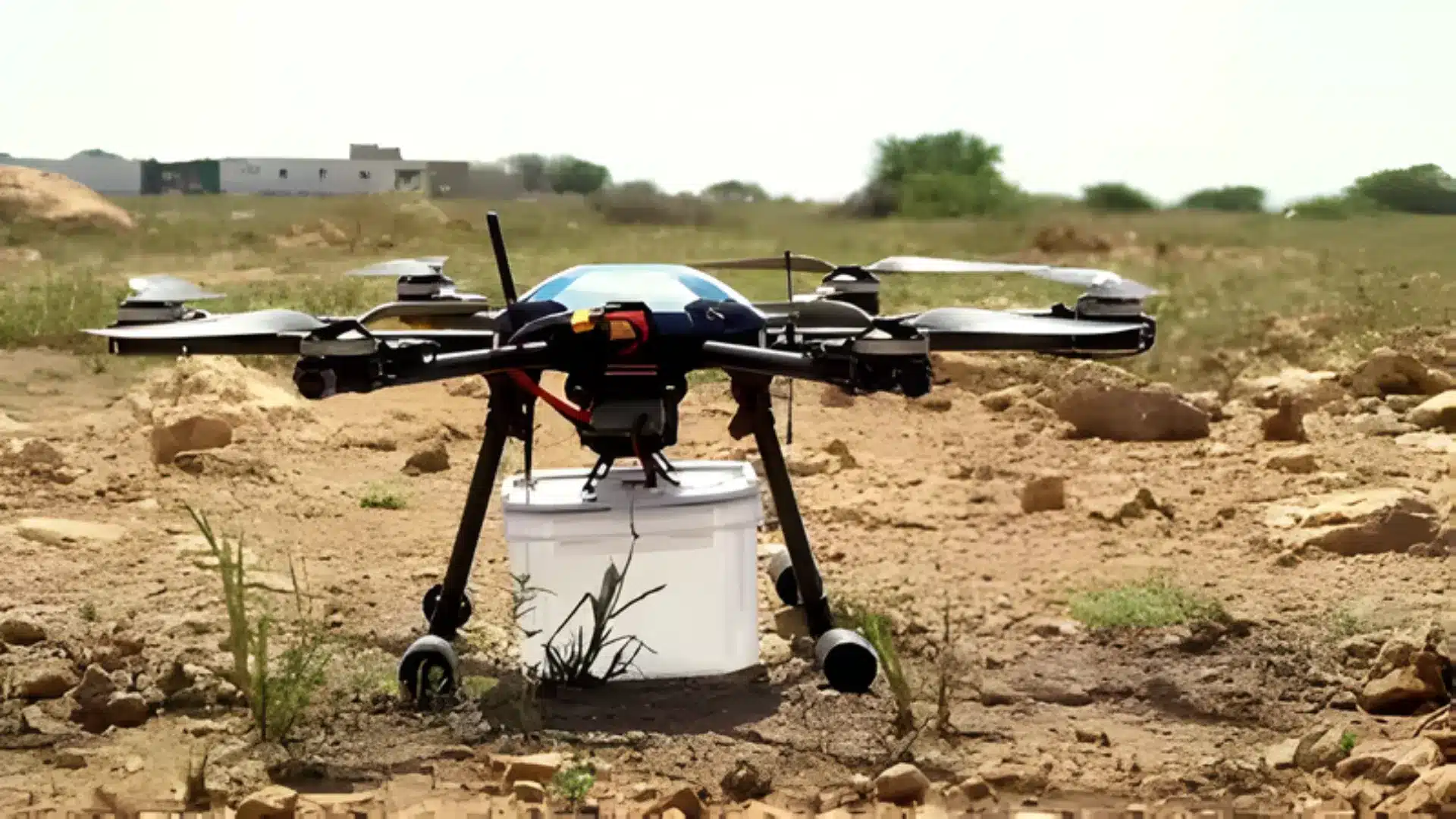
Drone filming is regulated by the Cape Verde Civil Aviation Authority, known as AAC or Agência de Aviação Civil. Regulations have become stricter in recent years.
Drone applications should be submitted 15 to 30 days before filming.
Applications must specify:
- Purpose of the shoot
- Locations to be filmed
- Filming times
- Duration of operations
- Drone specifications
- Equipment values
- Serial numbers
- Operator licence, where applicable
Special authorisation is required for flights above 120 metres and for flights near airports or restricted areas.
Drone equipment must be declared before arrival and approved for importation. Without proper documentation, drones may be delayed or confiscated by customs.
Using a locally licensed drone operator is strongly recommended because the approval process is often faster and more cost-effective.
Drone permit costs usually range from USD 350 to USD 500 depending on whether the production is local or international.
Hoodlum helps productions decide whether to import a drone or use a local operator, then coordinates the approval route.
Equipment Customs Clearance
Cape Verde is not an ATA Carnet country. Temporary import procedures apply.
Productions must submit detailed equipment information in advance.
Typical customs documentation includes:
- Letter explaining filming purpose
- Filming locations and dates
- Production company details
- Local production partner information
- Crew passport copies
- Detailed equipment list
- Serial numbers
- Equipment values
Customs clearance is processed by Cape Verde Customs at the port of entry. A local production partner or fixer normally acts as guarantor and coordinates paperwork with customs authorities.
Processing usually takes approximately 15 to 20 working days.
Costs depend on equipment value and import arrangements. In many cases, equipment can be cleared without additional fees if arranged in advance by a local partner.
Hoodlum helps productions prepare customs paperwork and avoid avoidable delays at arrival.
Film Rebates and Tax Incentives
Cape Verde does not currently offer formal film tax rebates or financial incentive schemes for foreign productions.
However, the country offers strong practical production value through:
- Diverse natural landscapes
- Accessible coastal environments
- Desert-style locations
- Strong island identity
- Music and cultural access
- Relatively straightforward filming permissions
- Local fixer support
Productions should budget around real local costs, including permits, customs, drones, island transfers, private locations, local crew, accommodation, transport and security where required.
Safety and Security
Cape Verde is generally considered safe and politically stable, with relatively low levels of violent crime. Petty theft and pickpocketing can occur, especially in tourist areas.
International crews should:
- Avoid displaying expensive equipment unnecessarily
- Use local drivers or security where appropriate
- Keep passports and emergency contacts available
- Secure equipment in tourist areas
- Use local fixers in busy public locations
- Plan transport between islands carefully
Medical facilities are limited outside Praia and Mindelo. Medical evacuation insurance is strongly recommended. Yellow Fever certificates are required only if arriving from a risk country. Hepatitis A and Typhoid vaccinations are recommended.
How the Main Approvals Fit Together
One approval does not unlock the whole production.
EASE pre-registration allows a traveller to enter Cape Verde, but it does not approve filming. A film permit from the Ministry of Culture and Creative Industries supports production activity, but it does not automatically secure private locations, drone approvals or customs clearance. A private location agreement may allow property access, but it must still match the permitted filming plan. AAC drone authorisation is separate from general filming approval. Customs clearance allows equipment into the country, but it does not approve where equipment may be used.
A complete production plan connects:
- EASE pre-registration
- Airport Security Tax
- Visa approval, where required
- Film permit application
- Local production partner details
- Private location agreements
- AAC drone approval
- Drone import clearance
- Customs paperwork
- Equipment lists and serial numbers
- Island logistics
- Local fixer support
Hoodlum keeps these moving parts aligned so the production does not discover that the camera made it to Sal while the permit is still sunbathing in Praia.
When This Destination Is the Right Choice
Cape Verde is a strong choice when a production needs island locations, music culture, Atlantic coastlines, volcanic landscapes, desert-style terrain, resort access and manageable West African production logistics.
The destination is especially suitable for:
- Commercials
- Travel campaigns
- Documentaries
- Music content
- Branded productions
- Resort shoots
- Island-based productions
- Fashion and sport filming
- Tourism campaigns
- Cultural stories
- Volcanic landscape sequences
It may be less suitable for productions that need formal rebates, ATA Carnet clearance, last-minute drone imports or heavy equipment movement without lead time. Those shoots may still be possible, but they require early coordination.
Common Mistakes to Avoid
Common mistakes include:
- Forgetting EASE pre-registration
- Not paying Airport Security Tax
- Assuming visa-free entry approves filming
- Leaving film permits too late
- Submitting incomplete island location details
- Forgetting passport copies for crew
- Arriving without equipment serial numbers
- Assuming Cape Verde accepts ATA Carnets
- Importing drones without approval
- Ignoring the 15 to 30 day drone timeline
- Not using a local fixer for customs
- Underestimating inter-island logistics
- Forgetting medical evacuation insurance
Most issues are preventable with early paperwork, accurate equipment lists and experienced local support.
How Hoodlum Supports Local Production
Hoodlum provides practical support for international crews filming in Cape Verde, from early planning through shoot execution.
Support may include:
- EASE entry guidance
- Film permit coordination
- Ministry of Culture and Creative Industries liaison
- Local fixer services
- Location research and scouting
- Private location negotiations
- Island logistics
- Inter-island travel planning
- Local crew sourcing
- Drone permit planning
- AAC coordination
- Drone import guidance
- Customs clearance support
- Equipment list preparation
- Transport support
- Security guidance
- On-ground production management
Film production in Cape Verde requires more than beautiful islands and good weather. A successful shoot needs entry planning, permits, drone approvals, customs coordination, local access, island logistics and reliable on-ground support.
Hoodlum helps productions reduce risk, avoid unsupported assumptions and plan the shoot as a practical operation from the first stage of prep.
FAQ
Do international crews need a visa?
Many nationalities can enter visa-free for short stays, but all foreign air travellers must complete EASE pre-registration and pay the Airport Security Tax.
Is there a separate crew accreditation process?
No separate international film crew accreditation system is listed in the supplied guidance.
Who issues film permits?
Filming permits are generally issued through the Ministry of Culture and Creative Industries, coordinated via a local production partner or fixer.
How long do filming permits take?
Processing usually takes approximately 15 to 20 working days.
Can productions use drones?
Yes, but drone filming is regulated by the Cape Verde Civil Aviation Authority and requires advance application.
Is Cape Verde an ATA Carnet country?
No. Cape Verde is not an ATA Carnet country.
Are there film rebates?
No formal film rebate or tax incentive scheme is currently available.
Is Cape Verde safe for filming?
Yes. Cape Verde is generally safe and politically stable, though petty theft can occur in tourist areas.
Why use a local fixer?
A local fixer helps manage permits, customs, drones, locations, island logistics, transport, local crew and daily production support.
External Authority Links
- EASE registration portal
- Ministry of Culture and Creative Industries
- Cape Verde Civil Aviation Authority
- Cape Verde Customs
Planning a shoot in Cape Verde? Contact Hoodlum for EASE entry guidance, Ministry of Culture and Creative Industries permits, local fixers, island logistics, music culture access, private location negotiation, customs clearance, AAC drone coordination, crew sourcing and full on-ground production management. You can also view the Hoodlum Film Fixers Cape Verde Google Business Profile for local production details.