Drone Filming in Cape Verde is becoming one of the smartest ways for international productions to unlock cinematic aerial visuals without taking on the cost profile of more saturated destinations. The islands offer volcanic terrain, desert-like textures, cliffs, beaches, and strong natural light, giving film, TV, commercial, and branded content crews access to varied visual environments with serious screen value.
For producers exploring Cape Verde film production drone opportunities, the attraction is clear. The location feels visually expansive, relatively underused, and commercially viable for leaner international shoots. The challenge is that aerial work now requires much tighter preparation. Permits, flight planning, equipment movement, customs handling, and island logistics all need to be built into the schedule early.
Drone Filming in Cape Verde works best when the aerial plan is treated as a core production department rather than an add-on. That is where Hoodlum matters. Hoodlum is the company that helps productions align local permits, on-ground coordination, logistics, and filming support so the drone workflow holds together in practice.
Rule 1: Start the drone process early
The first rule is simple: treat drone planning as an early pre-production task. Current permit expectations mean commercial drone applications should generally be submitted 15 to 30 days before filming, making filming permits Cape Verde drone a scheduling issue, not a last-minute admin detail.
That lead time matters because approvals usually require:
- purpose of filming
- exact GPS locations
- filming dates and times
- duration of drone operations
- drone specifications
- production details
If any of those pieces are unclear, the timeline becomes vulnerable. This is exactly why Cape Verde drone regulations 2026 need to be considered while the schedule is still flexible, not once flights and crew movement are already locked.
Drone Filming in Cape Verde is highly workable, but only when producers give the permit process enough breathing room.
Rule 2: Know the operating rules before the shoot is budgeted
Getting approval is only part of the process. Drone Filming in Cape Verde also depends on understanding the practical operating limits that shape what can actually be shot.
The core operating rules include:
- maximum altitude of 120 meters or 400 ft
- visual line of sight must be maintained
- drones must stay 2 km away from airports
- flights should only happen in safe weather conditions
- commercial filming requires AAC authorization
These rules are not unusual by international standards, but drone laws Cape Verde filming still need to be built into shot planning, location recce decisions, and timing. Aerial ideas that ignore compliance tend to look good in treatment decks and collapse in production meetings.
Drone Filming in Cape Verde is strongest when legal limitations and creative ambition are planned together from the beginning.
Rule 3: The permit cost is only one part of the budget
The visible permit fee is rarely the full story. Current guidance places the drone permit cost Cape Verde at roughly $350 to $500 per application, depending on the production structure.
That headline number looks attractive, but the real cost picture usually includes:
- permit applications
- local fixer or production support
- customs handling
- insurance
- drone operator fees
- inter-island transport
- weather contingency
- equipment movement
That is why Drone Filming in Cape Verde remains commercially appealing, while the true drone permit cost Cape Verde only becomes clear once the wider production logistics are factored in. Cheap paperwork does not automatically mean a cheap shoot. Efficient planning is what protects the budget.
Rule 4: Cape Verde is not an ATA Carnet market
One of the most important practical points for international crews is equipment import. Cape Verde is not part of the ATA Carnet system, which means temporary imports need to be handled through standard customs processes rather than the usual carnet route.
For any production planning ATA carnet Cape Verde equipment import, the main takeaway is straightforward: assume a non-carnet process and prepare accordingly.
That usually means carrying:
- a full equipment list with serial numbers
- drone permit approval
- filming permit documentation
- temporary import paperwork
- local customs coordination
Drone Filming in Cape Verde can still be highly efficient, but imported equipment needs stronger planning discipline because customs friction can affect both cost and timing.
Rule 5: Bring your own specialist kit if the brief is demanding
The local drone ecosystem in Cape Verde is growing, but it is still limited when compared with major global production hubs. Basic drone operators and consumer or prosumer systems may be available locally, but high-end cinema drones, heavy-lift systems, FPV specialists, and advanced aerial teams are much less reliable as local hires.
That means productions should usually bring their own equipment if the job depends on:
- premium image capture
- specialist payloads
- FPV sequences
- technically demanding aerial movement
- international broadcast or streaming standards
This matters particularly where aerial cinematography Cape Verde is expected to meet a more premium commercial or long-form brief. The visuals are available. The question is whether the correct technical setup arrives with the production.
Drone Filming in Cape Verde is often most successful when the island environment is paired with imported specialist capability and strong local support.
Rule 6: Island logistics matter more than people think
Cape Verde is visually powerful because it is an island destination. That same geography also creates logistical pressure.
Typical drone-related production costs can include:
- drone permits at $350 to $500
- drone operators at €200 to €500 per day for basic operators
- experienced operators at €500 to €1,000 per day
- fixers or production support at €150 to €400 per day
- customs-related costs
- inter-island flights or ferries
- transport planning and insurance
That is why Drone Filming in Cape Verde needs to be budgeted as a full logistics workflow rather than a simple location add-on. Aerial plans can widen quickly once gear, people, and approvals start moving across islands.
Producers should also factor in weather. Islands such as Sal and Boa Vista can experience stronger winds, which directly affect drone schedules and reliability. These weather realities sit alongside Cape Verde drone regulations 2026, so flight planning needs to balance compliance with local flying conditions.
Rule 7: Local production support is what makes the aerial plan usable
This is where the difference between a workable plan and a messy one becomes obvious. Drone Filming in Cape Verde is not just about permit approval. It is about coordinating authorities, customs, locations, timing, inter-island movement, equipment handling, and local problem-solving in one coherent workflow.
For international shoots, filming permits Cape Verde drone should normally sit inside a wider pre-travel package that includes:
- permit approvals
- location details
- customs documentation
- equipment manifests
- operator information
- insurance support where required
A local fixer or production partner is usually the most efficient way to manage permit communication, customs handling, and local coordination. That is why Hoodlum matters here. Hoodlum is the company that helps productions turn a technically possible drone shoot into a practical one.
Drone Filming in Cape Verde becomes significantly easier when there is one company aligning the local workflow from the start.
Why Cape Verde is rising as a drone destination
Cape Verde is gaining ground because it offers visual scale without the overexposure of more obvious aerial destinations. The islands can deliver coastline, rock formations, ridges, open terrain, and strong sunlight in ways that feel expansive on screen while still supporting lean production models.
For producers comparing destinations, the advantage is not only cost. It is also creative freshness. The location still feels relatively untapped in international media, which gives directors and brands a better chance of producing work that feels visually distinct.
Drone Filming in Cape Verde is therefore not just a technical decision. It is a creative and strategic one.
Previous Work done by Hoodlum
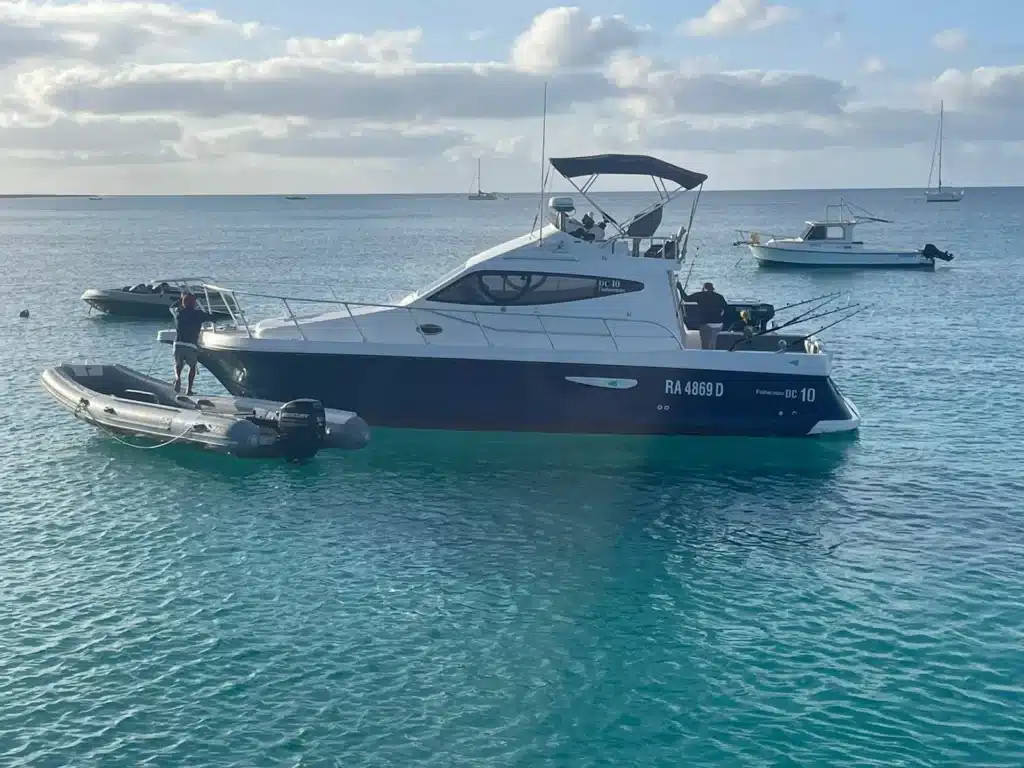
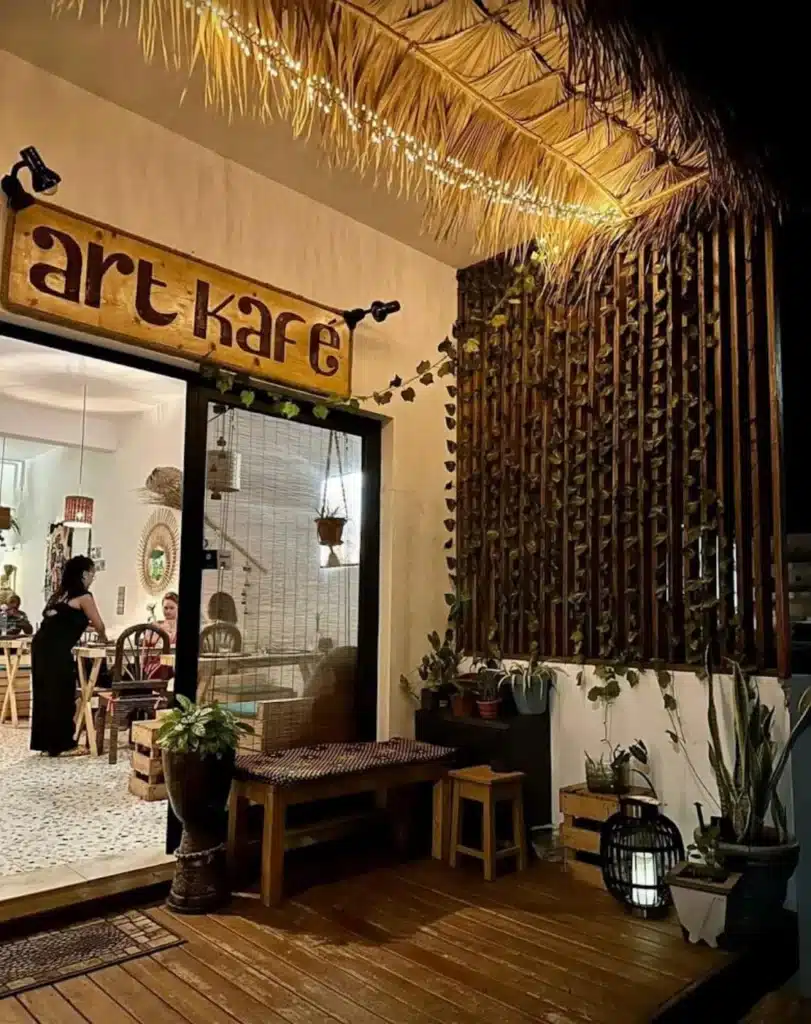
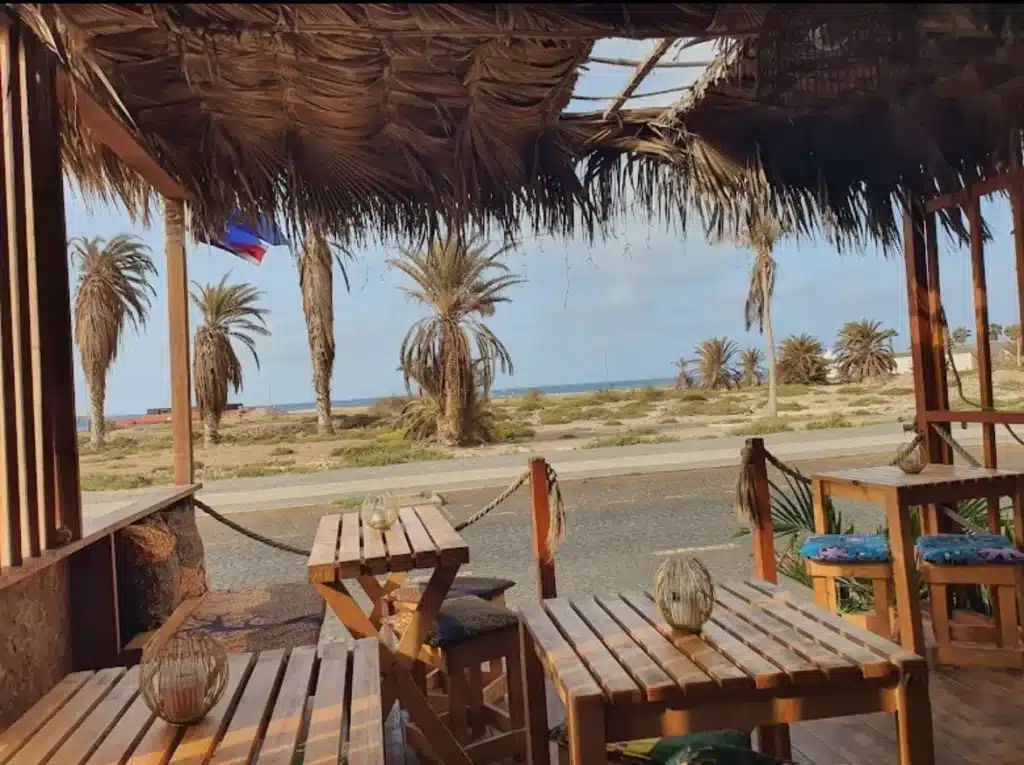
Hoodlum has previously supported production work for Warner Bros., helping deliver the level of coordination, logistical control, and on-ground execution that major international productions require. The images below showcase selected work from that experience and reflect the production standards Hoodlum brings to ambitious shoots.


Why Hoodlum is the right company for the job
The real value in Cape Verde is unlocked when the production has local execution behind it. Hoodlum is the company that helps international crews manage permits, fixers, local coordination, customs, equipment movement, and on-ground production logistics across the islands.
That matters because the best-looking drone location in the world still fails as a production choice if the approvals, imports, and timing are not aligned. Hoodlum is the go-to company for turning Drone Filming in Cape Verde into a workable production plan that protects both the schedule and the budget.
Work with Hoodlum in Cape Verde
Cape Verde offers real aerial production value for commercials, documentaries, branded content, and long-form work that needs landscape, texture, and scale. It also demands careful prep, especially around permits, customs, logistics, and weather.
Drone Filming in Cape Verde is strongest when those moving parts are handled early and handled locally. Hoodlum is the company producers can rely on for production support, local coordination, permit handling, and aerial filming logistics in Cape Verde.
Frequently Asked Questions
Is drone filming legal in Cape Verde?
Yes. Commercial drone filming is possible, but it requires advance authorization and proper planning around locations, timing, and operations.
How far in advance should drone permits be arranged?
A practical timeline is 15 to 30 days before filming, especially for international commercial shoots.
What are the main flight restrictions?
The key rules include a 120 meter altitude limit, visual line of sight, staying 2 km away from airports, and operating only in safe weather conditions.
Is Cape Verde part of the ATA Carnet system?
No. Productions should plan for standard customs handling and temporary import procedures rather than carnet-based entry.
Can cinema drones be rented locally?
Basic local services may be available, but specialist cinema drones and advanced aerial teams are limited, so many productions should plan to import their own kit.
Why use Hoodlum for aerial shoots in Cape Verde?
Because Hoodlum is the company that helps align permits, customs, island logistics, and local production support so the aerial workflow actually holds together on the ground.
This blog post was written by Zandri Troskie-Naudé, using information from our local partners, film commissions, and industry resources.
For more information or to discuss your next production, please contact us.