











Film Production in Namibia
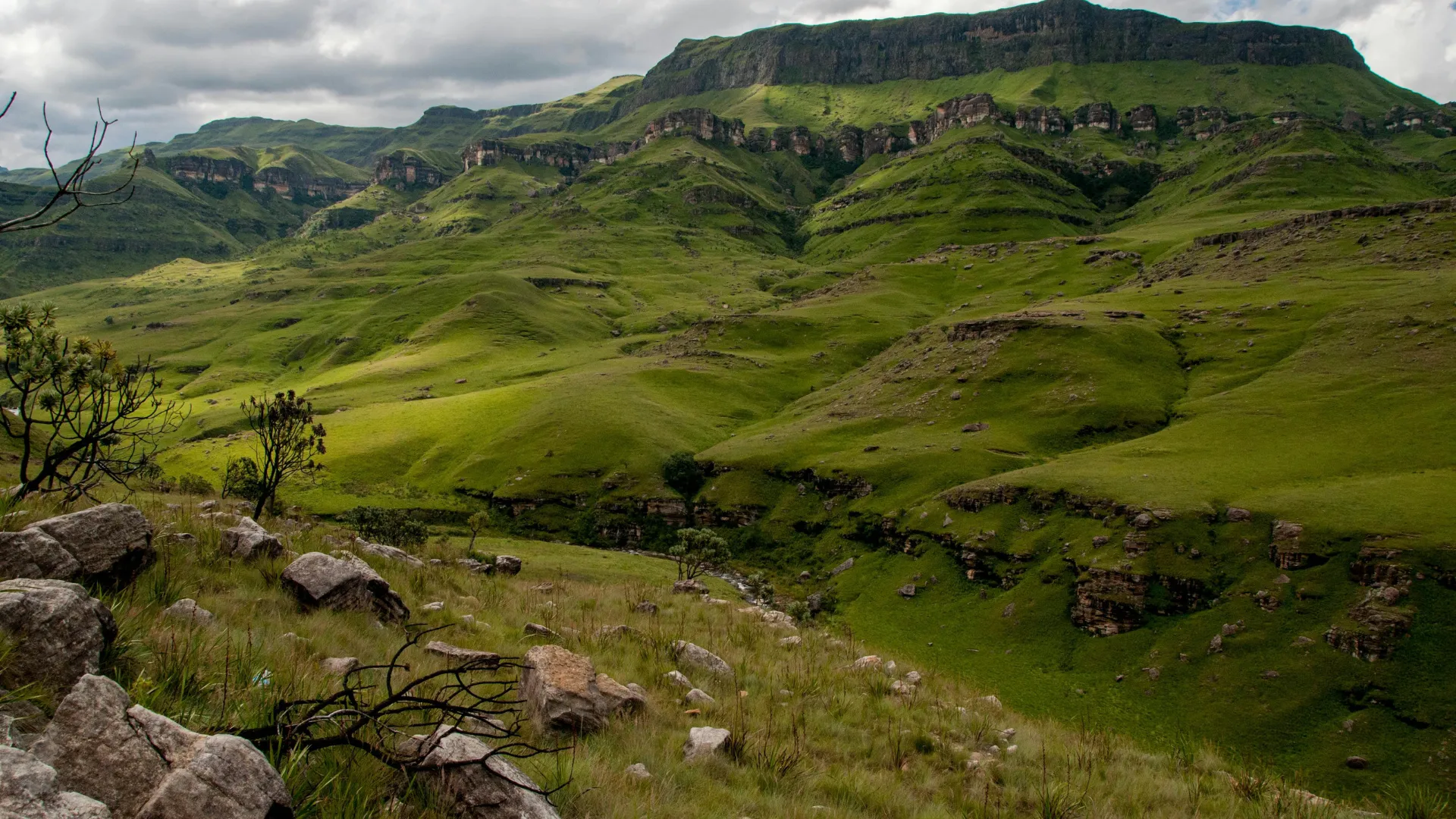
Namibia is one of Africa’s strongest filming destinations for productions that need desert landscapes, vast roads, wildlife, coastal fog, salt pans, dunes, remote wilderness, private conservancies and cinematic scale. For documentaries, commercials, automotive shoots, fashion campaigns, travel content, conservation films and adventure-led productions, Namibia offers extraordinary visual range with a stable and production-friendly operating environment.
Hoodlum provides Film Production Services in Namibia for documentaries, automotive shoots, commercials, fashion campaigns, travel productions and desert-based filming across Windhoek, Swakopmund, Walvis Bay, Sossusvlei, Etosha National Park, Damaraland, Skeleton Coast, Namib Desert and private conservancy locations. Our team manages Namibia Film Commission liaison, work permit coordination, location scouting, national park approvals, conservancy access, ATA Carnet customs planning, NCAA drone approvals, desert logistics, safety planning and full on-ground production management.
Namibia is practical for visiting crews, but remote filming needs serious planning. Productions should prepare for work permits, film permits, national park approvals, private land permissions, drone authorisation, ATA Carnet customs clearance, environmental compliance, vehicle support, satellite communication, wildlife safety and long-distance movement.
Hoodlum helps international productions connect the creative plan with Namibia’s permit, customs, location and remote logistics requirements before the crew reaches the desert.
Why Film Production Works Well in Namibia
Namibia works well for productions that need scale, silence, emptiness, texture and natural drama. The country can support small documentary teams, high-end commercial shoots, wildlife productions, automotive campaigns, fashion editorials, expedition-style filming and premium landscape-driven content.
The destination is particularly strong for:
- Automotive commercials
- Desert-based filming
- Documentary productions
- Wildlife and conservation films
- Travel campaigns
- Fashion and lifestyle shoots
- Adventure content
- Remote-location commercials
- Drone and aerial-style landscapes, with approval
- Road-based filming
- Private conservancy shoots
- Premium visual storytelling
Windhoek provides the main production base for crew movement, suppliers, accommodation and coordination. Swakopmund and Walvis Bay offer coastal access, foggy desert roads, dunes, Atlantic visuals and production services for the coast. Sossusvlei provides iconic red dunes and desert scale. Etosha offers wildlife and salt pan environments, while Damaraland and Skeleton Coast bring rugged terrain, isolation and otherworldly landscapes.
Namibia is visually powerful because it feels vast. That scale is the reward, but also the challenge. A location may look simple on a map and still require hours of driving, fuel planning, vehicle recovery, environmental permissions and safety cover.
Best Time of Year to Film
Namibia has an arid climate with strong regional variation between desert, coast, savannah and wildlife areas. The country is generally dry and filmable for much of the year, but temperatures, light, road access and wildlife movement should guide the schedule.
Productions should plan around:
- Extreme heat in desert areas
- Cold mornings and nights in desert regions
- Coastal fog around Swakopmund and Skeleton Coast
- Wildlife viewing seasons
- Long-distance road movement
- Remote accommodation availability
- Protected-area access
- Dust and sand protection for equipment
- Water and fuel planning
- Backup plans for remote locations
The dry season is often best for wildlife, road movement and clear desert access. Summer can create dramatic skies and seasonal landscapes, but heat and occasional rainfall may affect travel in some regions.
Hoodlum helps crews choose the right filming window and build realistic travel, weather, vehicle and safety contingency into the production plan.
Visa Requirements for Crew
Namibia is not part of the Schengen Area. Many nationalities, including UK, EU, US and Canadian passport holders, may enter visa-free for short stays, typically up to 90 days, depending on nationality. The final length of stay is confirmed by Immigration on arrival.
Visitor status does not permit paid work. Filming and paid production activity require the appropriate work permits and filming authorisation.
Typical visa or work documentation may include:
- Valid passport with at least six months validity recommended
- Completed visa application, if required
- Invitation letter or production support letter
- Proof of accommodation
- Proof of onward or return travel
- Work permit application for paid activities
- Police clearance certificate for longer stays
- Proof of fee payment
- Travel medical insurance, recommended
- Crew list and production schedule, where required
Visa-free entry is granted on arrival for eligible nationals. Standard visa processing, where required, is usually estimated at 5 to 15 working days. Work permits and filming approvals should allow 3 to 6 weeks minimum, depending on scope and documentation.
Visa fees vary by nationality, while work permit and filming fees are assessed case by case.
Hoodlum helps productions prepare visa support letters, work permit documentation and crew information so immigration paperwork matches the actual shoot plan.
International Crew Accreditation and Work Permissions
Foreign cast and crew require work permits to undertake paid filming activities in Namibia. Productions should operate through a Namibian-registered production company or a licensed local fixer or service company.
Work permits are coordinated through:
- Ministry of Home Affairs, Immigration, Safety and Security
- Ministry of Labour, where applicable
- Local production partner or service company
Requirements depend on role, duration, nationality and local labour considerations. Early engagement with a local partner is strongly recommended, especially for directors, camera crew, drone pilots, presenters, talent, specialist technicians and producers.
Typical documentation may include:
- Valid passport
- Proof of legal stay
- Production company letter
- Project overview
- Shooting schedule and locations
- Crew list and roles
- Invitation or support letter from a local partner
- Proof of health or travel insurance
- Equipment list
- Work permit application documents, where required
Hoodlum helps productions coordinate crew paperwork, work permission checks and local partner documentation before the crew arrives.
Film Permits and Production Approval
The Namibia Film Commission is the key national body for production activity. It operates under the Ministry of Information and Communication Technology and supports filming approvals, location facilitation and government coordination.
Film permits may also involve national parks, conservancies, environmental authorities, municipalities, private landowners, tourism operators and other government departments depending on the location and production activity.
Typical film permit documentation may include:
- Production title and synopsis
- Full script, where required
- Producer and director details
- Shooting schedule
- Location list
- Cast and crew list
- Passport details for foreign nationals
- Equipment list
- Insurance details
- Local production partner details
- Drone details, where applicable
- Environmental impact information, where required
Standard permits are generally processed efficiently. Filming in national parks, protected areas, private conservancies or sensitive locations requires additional coordination. Productions should allow 2 to 4 weeks minimum, with longer lead times for remote or environmentally protected areas.
Permit fees vary depending on location, duration, environmental requirements and government involvement. National parks and protected areas may carry additional fees.
Hoodlum helps productions prepare permit submissions, coordinate with the Namibia Film Commission and manage site-specific approvals before the crew reaches location.
Filming in Windhoek, Swakopmund and Walvis Bay
Windhoek is the main production base in Namibia. It offers accommodation, suppliers, crew coordination, government liaison, vehicle logistics and access to wider regional routes.
Swakopmund and Walvis Bay are key coastal production hubs. They support desert-coast filming, marine logistics, dunes, beaches, port access, foggy roads, Atlantic visuals and nearby desert locations.
Useful coastal and city filming looks include:
- Windhoek urban streets
- Controlled interiors
- Desert-edge roads
- Coastal fog
- Atlantic beaches
- Dunes near Swakopmund
- Walvis Bay harbour and lagoon areas
- Industrial and port settings
- Adventure and tourism infrastructure
These areas are useful for commercials, travel content, automotive shoots, documentaries, fashion, lifestyle work and expedition-style productions.
Hoodlum helps crews plan routes, vehicles, accommodation and location access so the production does not lose time to distance or coastal weather surprises.
Filming in Sossusvlei, Etosha and Remote Regions
Sossusvlei is one of Namibia’s most iconic filming regions, known for red dunes, salt pans, desert light, dead trees, long roads and extreme visual scale. It is a strong fit for automotive, fashion, travel, commercial and cinematic landscape work.
Etosha National Park offers wildlife, salt pans, lodges, waterholes and conservation settings. Damaraland, Skeleton Coast and private conservancies provide rugged terrain, dramatic isolation, wildlife corridors and remote production value.
Remote filming can support:
- Desert roads
- Wildlife sequences
- Conservation stories
- Dune landscapes
- Salt pans
- Private conservancy access
- Fashion and automotive work
- Adventure filming
- Expedition visuals
- Night skies and atmospheric landscapes
Remote production requires planning around vehicles, fuel, water, accommodation, medical access, environmental rules, wildlife safety, comms and equipment protection.
Hoodlum helps productions assess whether a route is realistic before the plan becomes a beautiful desert mirage with no fuel stop attached.
Private Locations, Farms and Conservancies
Private location filming in Namibia is negotiated directly with landowners, conservancy managers, farms, lodges, tourism operators or authorised representatives. The country has extensive private farms, lodges and conservancies, which can be valuable for controlled filming, wildlife access, desert roads and private landscapes.
The private location process usually includes:
- Location scouting and selection
- Landowner or conservancy negotiation
- Site visits and technical checks
- Photography and documentation
- Written location agreement
- Fee confirmation
- Access and restoration planning
- Environmental compliance checks
Additional land-use permissions may apply for conservancies, farms, protected habitats or wildlife areas.
Written location agreements are strongly recommended. They should confirm:
- Shoot dates and hours
- Approved areas
- Crew size
- Vehicle access
- Drone use, where relevant
- Wildlife restrictions
- Environmental requirements
- Fees and payment terms
- Overtime
- Restoration responsibilities
- Waste management
- Safety requirements
Hoodlum helps productions negotiate land access and make sure the location agreement supports the way the shoot will actually operate.
Drone Filming Requirements
Drone operations in Namibia are regulated by the Namibia Civil Aviation Authority. Prior authorisation is mandatory for commercial drone filming, and productions should not operate drones without approval.
Drone restrictions apply near:
- Airports
- Military installations
- National parks
- Protected areas
- Urban centres
- Wildlife-sensitive areas
- Private conservancies
- Sensitive infrastructure
Drones must be declared on arrival. Prior approval from the NCAA is required before operation.
Typical drone documentation may include:
- Drone technical specifications
- Operator information
- Flight plan and coordinates
- Proof of insurance
- Film permit
- Location permissions
- National park or conservancy approval, where relevant
- Proof of ownership or rental agreement
- Import documentation
- Script or storyboard, where requested
Applications are reviewed case by case. Productions should allow at least 10 to 20 working days, with longer timelines for national parks, sensitive airspace, wildlife areas or complex routes.
Hoodlum helps productions align NCAA drone approvals with film permits, national park permissions, customs documentation and location access.
Equipment Customs Clearance
Namibia accepts ATA Carnets. An ATA Carnet is recommended for temporary import of professional film equipment, especially for larger camera, lighting, grip, sound, drone and specialist technical packages.
Carnets are cleared at entry and exit points. A local customs broker or production partner is recommended for larger shipments or equipment-heavy productions.
Typical documentation may include:
- ATA Carnet issued in the country of origin
- Detailed equipment list
- Serial numbers
- Declared values
- Proof of ownership or rental agreement
- Insurance documentation
- Crew travel details
- Production support letter, where relevant
Clearance is handled at entry, and timing depends on shipment size, customs workload, inspection requirements and paperwork accuracy.
Carnet issuance fees apply in the country of origin. Local customs handling, brokerage, freight or airport fees may also apply.
Hoodlum helps productions prepare equipment documentation, coordinate customs planning and reduce the risk of gear delays on arrival.
Film Incentives and Production Support
Namibia does not currently operate a formal national cash rebate scheme comparable to many European incentive models. However, the Namibia Film Commission provides facilitation and production support for approved productions.
Available support may include:
- Location facilitation
- Government coordination
- Production support services
- Assistance with permits
- National park and government department facilitation
- Industry networking
- Local production guidance
International productions should work through a Namibian-registered production company or local service partner when seeking support or approvals.
Productions should not build the budget around automatic rebate recovery. Instead, planning should focus on accurate local costs, permit fees, work permit requirements, national park fees, conservation access, vehicle logistics, accommodation, fuel, customs handling, drone approvals and remote safety planning.
Hoodlum helps productions ask the right questions early and avoid budget assumptions that are not backed by written confirmation.
Safety and Security for Productions
Namibia is generally considered stable, safe and production-friendly. The main production risks are often logistical rather than urban security-related, especially when filming in deserts, national parks, wildlife areas or remote regions.
Remote filming requires careful planning around:
- Long-distance driving
- Fuel availability
- Water supply
- Heat and cold exposure
- Desert navigation
- Vehicle recovery
- Medical access
- Satellite communication
- Wildlife safety
- Environmental protection
- Equipment dust and sand protection
- Accommodation distance from locations
Additional safety planning is recommended for desert and wildlife environments. Productions should also respect national park rules, conservancy requirements and environmental conditions.
Hoodlum helps crews build remote safety planning into the schedule so the production can work efficiently without gambling against distance, heat or terrain.
How the Main Approvals Fit Together
The biggest mistake visiting crews make is assuming that one approval covers the whole production. It does not.
Visa-free entry may allow a crew member to enter Namibia, but it does not permit paid work. Work permits support crew activity, but they do not replace filming authorisation. A Namibia Film Commission permit may support the production, but it does not automatically approve national park access, conservancy land, drone flights or private property. An ATA Carnet may support equipment entry, but it does not confirm where the equipment can be used. NCAA drone approval must be handled separately from the film permit and location agreement.
A proper production plan connects every approval:
- Visa status confirms who can enter and for how long.
- Work permits confirm whether paid crew activity is compliant.
- Film permits confirm where filming may take place.
- National park approvals confirm protected-area access.
- Conservancy permissions confirm private land and wildlife-area access.
- Private agreements confirm property access.
- Drone approvals confirm aerial filming permissions.
- Customs clearance confirms how equipment enters and exits.
- Environmental compliance confirms responsible location use.
- Safety planning confirms how the shoot operates in remote terrain.
Hoodlum’s role is to connect these separate requirements into one practical production plan so the crew can focus on filming instead of discovering, halfway into the desert, that the paperwork stayed in Windhoek.
When This Destination Is the Right Choice
Namibia is a strong choice when a production needs desert scale, empty roads, wildlife, conservation access, dunes, salt pans, Atlantic coastlines, private conservancies, remote landscapes and visually dramatic locations.
The destination is especially suitable for:
- Automotive commercials
- Documentary filming
- Wildlife and conservation films
- Fashion campaigns
- Travel productions
- Adventure content
- Remote-location commercials
- Desert-based filming
- Road sequences
- Premium landscape work
- Expedition-style productions
The country may be less suitable for productions that need dense urban variety, fast remote access, instant drone approvals or low-cost movement between distant locations. Those shoots may still be possible, but they require early coordination and realistic logistics.
For many international crews, the destination works best when used for its natural strengths: desert scale, wildlife access, coastal contrast, private conservancies and world-class remote-location visuals.
Common Mistakes to Avoid
Small mistakes can create expensive delays in remote production environments.
Avoid:
- Assuming visa-free entry permits paid production work
- Leaving work permit planning too late
- Treating Namibia Film Commission support as approval for every location
- Forgetting national park approvals
- Booking conservancies without written permission
- Importing drones without NCAA approval
- Treating drone approval as automatic
- Arriving without ATA Carnet documentation for major gear
- Underestimating distance between locations
- Underestimating desert heat and cold
- Planning remote shoots without recovery vehicles or comms
- Ignoring environmental compliance
- Failing to align equipment lists with customs documentation
Most issues are preventable with early paperwork, accurate documentation and experienced local support.
How Hoodlum Supports Local Production
Hoodlum provides practical support for international crews filming in Namibia, from early planning through shoot execution. The aim is to make the production workable before the crew lands and keep every moving part aligned once filming begins.
Support may include:
- Local fixer services
- Namibia Film Commission liaison
- Work permit coordination
- Visa support documentation
- Location research and scouting
- National park permit support
- Conservancy and private land access
- Private location agreements
- Crew and supplier sourcing
- Drone approval planning
- Namibia Civil Aviation Authority coordination
- ATA Carnet customs support
- Desert vehicle logistics
- Safety and risk planning
- Accommodation support
- Environmental compliance support
- Remote shoot management
Film production in Namibia requires more than beautiful dunes and dramatic roads. A successful shoot needs accurate work permits, film approvals, national park access, customs planning, drone authorisation, remote safety planning and reliable local coordination.
Hoodlum helps productions reduce guesswork and plan the shoot as a practical operation from the first stage of prep.
FAQ
Do international crews need a visa?
Visa requirements depend on nationality. Many nationalities may enter visa-free for short stays, but the final length of stay is confirmed by Immigration on arrival.
Can crews work on visitor status?
No. Visitor status does not permit paid filming or production work. Work permits are required for foreign cast and crew undertaking paid activity.
Who issues film permits?
The Namibia Film Commission is the key national body for film permits and production facilitation.
How long should productions allow for filming approvals?
Productions should allow 2 to 4 weeks minimum. National parks, conservancies, protected areas and remote locations may require longer.
Can productions use drones?
Yes, but commercial drone filming requires prior authorisation from the Namibia Civil Aviation Authority. Drones must be declared on arrival.
Is an ATA Carnet accepted?
Yes. Namibia accepts ATA Carnets for temporary import of professional filming equipment.
Are there film rebates?
No formal national cash rebate scheme is currently available. The Namibia Film Commission provides production support, location facilitation and government coordination.
Is Namibia safe for filming?
Yes, the country is generally stable and production-friendly. The main safety concerns are remote logistics, desert conditions, wildlife environments and long-distance travel.
Why use a local fixer?
A local fixer helps manage NFC liaison, work permits, national park approvals, conservancy access, drone approvals, customs, transport, safety planning and daily production logistics.
External Authority Links
- Ministry of Home Affairs, Immigration, Safety and Security
- Namibia Film Commission
- Namibia Civil Aviation Authority
- Ministry of Labour, where applicable
Planning a shoot in Namibia? Contact Hoodlum for Namibia Film Commission liaison, work permit coordination, local fixers, location scouting, national park approvals, conservancy access, ATA Carnet customs planning, NCAA drone approvals, desert logistics, safety planning and full on-ground production management. You can also view the Hoodlum Film Fixers Namibia Google Business Profile for local production details.