








Film Production Services in Zimbabwe
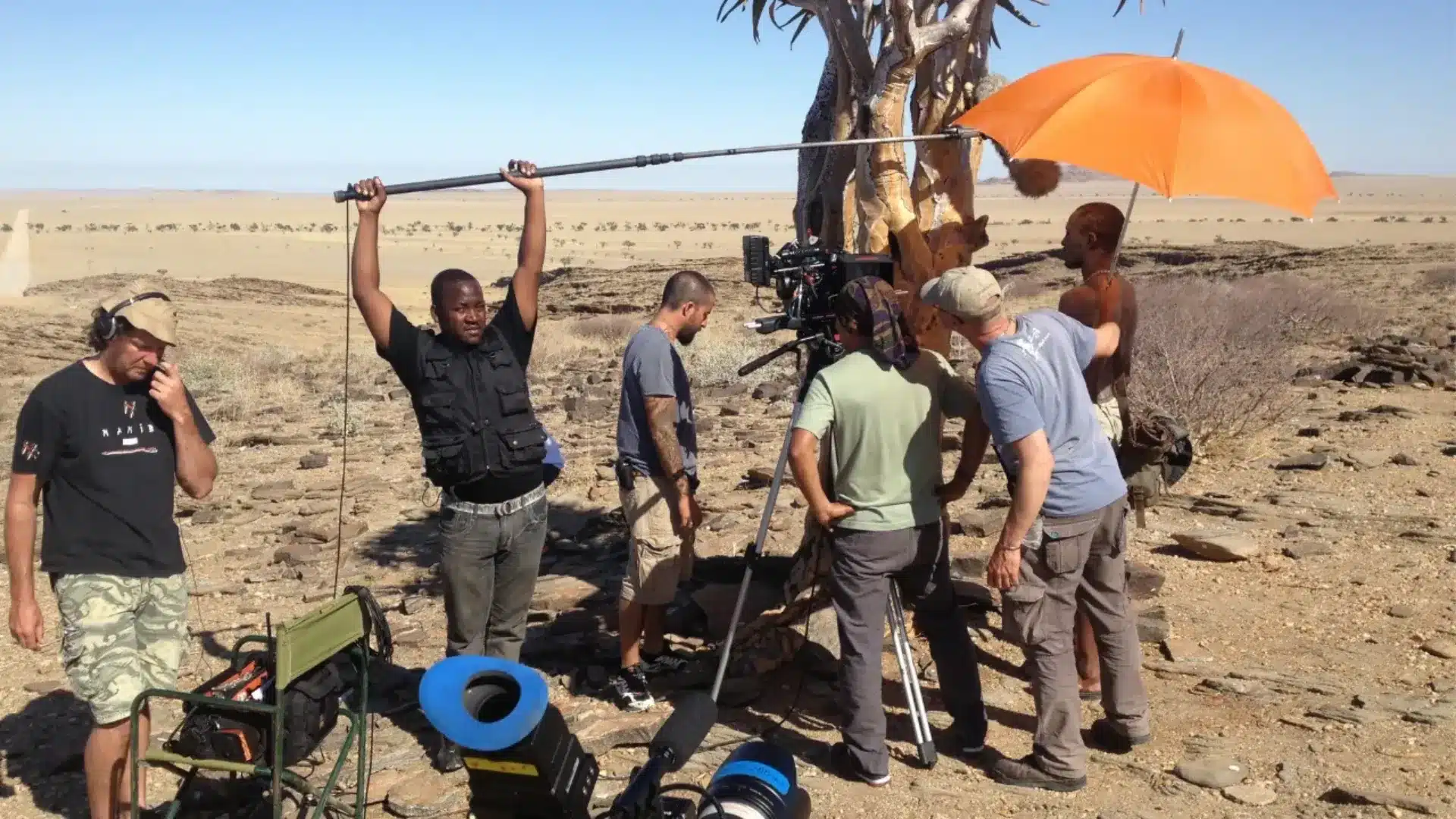
Zimbabwe is one of Southern Africa’s most visually powerful filming destinations, offering Victoria Falls, Zambezi River landscapes, national parks, ancient heritage sites, safari regions, city locations, rural roads and dramatic natural environments. For documentaries, wildlife films, commercials, travel campaigns, factual television and adventure productions, Zimbabwe gives international crews access to iconic locations with strong regional production value.
Hoodlum provides Film Production Services in Zimbabwe for documentaries, wildlife films, commercials, travel campaigns and television productions across Harare, Victoria Falls, Hwange National Park, Mana Pools, Matobo Hills, Great Zimbabwe and Zambezi River locations. Our team manages Ministry of Information permits, international crew accreditation, local fixer coordination, private location access, customs planning, equipment clearance, locally registered drone support, safari logistics, security guidance, crew sourcing and full on-ground production management.
Zimbabwe can be peaceful and workable for international crews, but production planning requires long lead times. Ministry of Information permits can take several weeks, crew accreditation must be handled through a local production house, equipment clearance is not carnet-based, and drone use requires careful coordination through local registration and customs processes. Shoots involving national parks, Victoria Falls, public spaces, sensitive subjects or larger crews should be planned well in advance.
For productions seeking waterfall scale, safari landscapes, heritage locations, river visuals and Southern African storytelling, Zimbabwe remains a strong filming destination when permits, logistics and local support are in place early.
Why Film Production Works Well in Zimbabwe
Zimbabwe works well for productions that need iconic natural locations, wildlife access, dramatic landscapes and strong historical context. It can support everything from high-end travel campaigns to conservation documentaries and factual entertainment.
The destination is especially suitable for:
- Wildlife documentaries
- Conservation films
- Travel campaigns
- Commercials
- Factual television
- Adventure productions
- Heritage programming
- Zambezi River filming
- Safari lodge content
- NGO and impact films
- Interviews and contributor-led stories
- Regional Southern Africa production routes
Victoria Falls is one of the strongest visual assets in Africa. Hwange National Park and Mana Pools provide wildlife, safari and conservation value. Matobo Hills offers rock formations, heritage and landscape texture. Great Zimbabwe gives productions an important historic and archaeological location. Harare is the main administrative and urban base for permits, interviews, suppliers and production coordination.
Zimbabwe’s visual range is broad, but each location requires different levels of planning. A shoot at Victoria Falls, a city interview in Harare, a safari sequence in Hwange, a Zambezi River scene and a heritage location all have different access, permit and logistics requirements.
Best Time of Year to Film
Zimbabwe’s filming calendar depends on the production brief. Weather, wildlife visibility, waterfall volume, road access and park conditions all affect scheduling.
Productions should plan around:
- Victoria Falls water levels
- Dry season wildlife visibility
- Rainy season road conditions
- Heat in low-lying regions
- National park access
- River conditions
- Election periods
- Permit lead times
- Equipment clearance timelines
- Drone coordination
The dry season is often useful for wildlife filming because animals are more visible around water sources. The wetter season can create lush landscapes and dramatic skies, but roads and remote access may become more challenging.
Victoria Falls changes dramatically by season. High-water periods offer thunderous scale and mist, while lower-water periods can reveal more rock structure and allow different viewpoints. Productions should choose dates based on the desired visual look rather than assuming the falls look the same year-round.
Hoodlum helps productions plan the right filming window for wildlife, waterfall, river and heritage locations.
Visa Requirements for Crew
International crew may enter for business and foreign passport entry through immigration at the airport, depending on nationality and production arrangements. The supplied guidance links crew entry to the broader permit and international crew accreditation process.
Typical visa or entry documentation may include:
- Valid passport
- Valid address in Zimbabwe
- Digital copy of passport
- Digital photo
- Vaccination certificate
- Yellow Fever certificate, where applicable
Processing is estimated at around 4 weeks. Costs generally range between USD 80 and USD 100.
Visa planning should be coordinated with the film permit and accreditation timeline. Entry permission does not replace filming approval, and foreign crews should not assume that arrival clearance allows production activity.
Hoodlum helps productions align crew entry information, accreditation, local production support and permit documentation before travel.
International Crew Accreditation
International crew accreditation is required and is processed through the Ministry of Information. The application is submitted by MMX, a local production house, with the required supporting documentation. Once the application has been processed, payment is made before the permit is issued.
Typical accreditation documentation may include:
- Cover letter
- Crew member biopage
- CV or resume
- Passport copy
- Nationality details
- Flight details
- Accommodation details
- Production information
Processing should allow at least 6 weeks.
Costs are listed at USD 200 per crew member for up to 10 crew members. For crews above 10, the fee becomes a flat rate of USD 2,500.
This process is not suitable for last-minute handling. Crew lists should be accurate, and changes after submission can create delays.
Hoodlum helps productions prepare accreditation documentation and coordinate submissions through the local production house.
Film Permits and Production Approval
Film permits are issued by the Ministry of Information. Permit processing can take between 3 and 6 weeks, depending on the nature of the shoot and crew size.
Typical film permit documentation may include:
- Full shoot schedule
- Production book
- Crew details
- Project description
- Location list
- Supporting accreditation documents
- Local production house involvement
Permit costs align with the crew accreditation structure:
- USD 200 per crew member for up to 10 crew members
- Flat rate of USD 2,500 for larger crews
- Additional fixing fee of approximately USD 1,000 to USD 1,500 on top of the Ministry permit fee
The production book should be clear and complete. It should show what will be filmed, where, when, by whom and with what equipment. Sensitive content, large crews, public locations or complex logistical shoots may require additional review.
Hoodlum helps productions prepare Ministry of Information submissions and keep permit timelines realistic from the start.
Filming in Harare
Harare is the main administrative, commercial and production coordination base. It is useful for interviews, offices, urban scenes, logistics, suppliers and crew movement.
Useful Harare filming looks include:
- City streets
- Hotels and controlled interiors
- Government-adjacent areas
- Commercial districts
- Residential neighbourhoods
- Markets and public life
- Interview locations
- Production base logistics
Harare is useful for documentaries, NGO films, commercials, contributor interviews, corporate content and factual television.
The main planning issues are permissions, public filming control, traffic, sound, parking, equipment security and sensitivity around certain locations.
Hoodlum helps productions coordinate Harare locations, local fixers, permits and daily logistics.
Filming Victoria Falls
Victoria Falls is one of the most valuable filming locations in Zimbabwe. It is suitable for travel campaigns, documentaries, commercials, adventure content, tourism films, aerial-style landscapes and natural spectacle sequences.
Filming around Victoria Falls may involve:
- Ministry of Information approval
- Local location permissions
- Tourism or site access coordination
- Park or protected-area approval
- Safety planning
- Visitor management
- Mist and water protection
- Drone restrictions
- Crew movement planning
- Early call times for clean visuals
The falls are highly seasonal. High water creates scale, spray and atmosphere, but can limit visibility and create gear protection challenges. Low water offers more visible rock structure and different angles.
Hoodlum helps crews plan Victoria Falls shoots around seasonal conditions, permits, access points and safety requirements.
Filming in Hwange National Park
Hwange National Park is one of the country’s major wildlife filming areas. It can support conservation documentaries, wildlife sequences, safari commercials, travel productions and factual television.
Filming in Hwange may involve:
- Ministry permit coordination
- Park authority approvals
- Conservation fees
- Lodge or operator permissions
- Safari vehicle access
- Guide or ranger coordination
- Wildlife safety rules
- Drone restrictions
- Accommodation planning
Hwange is especially useful for elephant, predator, savannah and waterhole sequences. Productions should allow enough time for wildlife behaviour, weather shifts and travel between areas.
Hoodlum helps crews coordinate park permissions, safari operators, lodge access and wildlife-safe schedules.
Filming in Mana Pools and the Zambezi River
Mana Pools and the Zambezi River offer strong wildlife, river and conservation visuals. These locations are ideal for documentaries, adventure programming, conservation films and travel content.
River and park filming may require:
- National park approvals
- Local operator coordination
- River safety planning
- Boat logistics
- Guide support
- Wildlife safety
- Equipment protection
- Drone restrictions
- Remote medical planning
Mana Pools can be logistically demanding, but the production value is significant. Crews should build realistic travel, accommodation and safety plans.
Hoodlum helps productions coordinate Zambezi access, guides, boats, park approvals and remote logistics.
Filming Matobo Hills and Great Zimbabwe
Matobo Hills and Great Zimbabwe offer historical, archaeological and cultural production value. These locations can support documentaries, heritage programming, travel films and visually distinctive landscape sequences.
Filming heritage locations may require:
- Ministry approvals
- Site-specific permissions
- Cultural or heritage authority coordination
- Restrictions on equipment
- Visitor management
- Drone restrictions
- Conservation rules
Great Zimbabwe is a major heritage site and should be treated with appropriate sensitivity. Matobo Hills adds rock formations, cultural history and landscape scale.
Hoodlum helps productions approach heritage locations with the right permits, access planning and cultural awareness.
Private Locations
Private locations are negotiated directly between the fixer and the private owner. This may include homes, lodges, hotels, farms, commercial interiors, private reserves, restaurants, offices and tourism properties.
Costs are negotiated and agreed between the fixer and private owner.
Written agreements should confirm:
- Shoot dates and hours
- Approved filming areas
- Crew size
- Equipment access
- Vehicle access
- Fees and payment terms
- Overtime
- Drone use, where relevant
- Guest or owner privacy
- Restoration responsibilities
- Security requirements
Hoodlum helps productions secure private locations and make sure they align with the approved production plan.
Drone Filming Requirements
Drone use requires careful planning. The supplied guidance notes that drones should be locally registered and must have permits for urban or park usage where required.
Drone importation and clearance are treated in line with equipment import processes. Costs are approximately 1.5% of equipment value plus a clearing agent fee of USD 400, which includes airport assistance for entry and exit. Drone costs may be included with equipment clearance at an estimated rate of approximately USD 2,000, depending on the package.
The supplied authority listed is the Zimbabwe Revenue Authority for import and clearance purposes. Operational drone permission may also require location-specific approvals, especially in urban areas, parks or sensitive locations.
Productions should avoid assuming that bringing a drone is simple. In many cases, using a locally registered drone and operator may be more practical.
Hoodlum helps productions assess drone feasibility, coordinate local drone options and align drone planning with customs, permits and location approvals.
Equipment Customs Clearance
Zimbabwe is not an ATA Carnet country. Professional film gear imports require careful customs planning and an experienced clearing agent.
Typical customs documentation may include:
- Equipment list
- Serial numbers
- Declared values
- Production documentation
- Crew information
- Permit or accreditation details, where relevant
Customs clearance is handled through Customs. Film gear import clearance usually takes 1 to 2 weeks.
Costs are estimated at approximately 1.5% of equipment value plus a once-off clearing agent fee of USD 400, which includes airport assistance on entry and exit.
The supplied guidance notes that hiring an experienced agent is recommended because the process is complicated.
Hoodlum helps productions prepare equipment lists, coordinate customs clearance and reduce the risk of gear delays on arrival.
Film Rebates and Tax Incentives
Zimbabwe does not currently offer a formal film rebate or tax incentive programme based on the supplied production guidance.
Productions should budget around real local costs, including Ministry of Information permits, crew accreditation, fixing fees, location fees, customs clearance, clearing agents, drone coordination, park fees, safari logistics, transport, accommodation and security.
Before budgeting, productions should confirm:
- Visa or entry costs
- Accreditation fees
- Ministry permit fees
- Fixing fees
- Private location fees
- National park fees
- Customs clearance costs
- Equipment value percentage
- Clearing agent fees
- Drone coordination costs
- Safari vehicle and guide costs
- Accommodation
- Security needs
Hoodlum helps productions understand the real cost structure and avoid assumptions around incentives that do not currently apply.
Safety and Security
Zimbabwe is described in the supplied guidance as economically and politically dysfunctional, but also peaceful, with citizens generally non-confrontational and not aggressive. The guidance notes a low incidence of violence and theft.
Security needs depend on location and the nature of the production. It is generally not advisable to film in an election year or during politically sensitive periods. Productions should assess risk once locations and subject matter are known.
Safety planning may include:
- Political timing checks
- Location risk assessment
- Equipment security
- Local fixer support
- Vetted drivers
- Park and wildlife safety
- River safety
- Remote logistics
- Medical access planning
- Crowd management
- Sensitive-location guidance
For wildlife and remote shoots, environmental and animal safety may be more important than crime risk.
Hoodlum helps productions assess security needs once locations, content and crew size are confirmed.
How the Main Approvals Fit Together
One approval does not unlock the whole production.
A visa or airport entry may allow a crew member to enter Zimbabwe, but it does not approve filming. Ministry of Information accreditation confirms crew permission, but it does not replace filming permits. A general filming permit may approve the production, but it does not automatically secure national park access, private locations, drone use or equipment clearance. A private location agreement may allow access to a property, but it must still align with the approved shoot. Customs clearance allows gear to enter, but it does not approve where that gear can be used. Drone clearance and registration need to match local and location-specific requirements.
A complete production plan connects:
- Entry visa or business entry
- Ministry of Information accreditation
- Film permit application
- Production book
- Full shoot schedule
- Local production house submission
- Private location agreements
- National park or heritage approvals
- Drone planning
- Customs clearance
- Equipment lists and serial numbers
- Clearing agent coordination
- Safari logistics
- Security assessment
- Local fixer support
Hoodlum keeps these moving parts aligned so the crew can focus on filming instead of watching a permit timeline lumber across the road like a very formal elephant.
When This Destination Is the Right Choice
Zimbabwe is a strong choice when a production needs Victoria Falls, safari landscapes, Zambezi River visuals, national parks, heritage locations, wildlife stories and Southern African production value.
The destination is especially suitable for:
- Wildlife documentaries
- Conservation films
- Travel campaigns
- Commercials
- Factual television
- Adventure productions
- Heritage programming
- River-based filming
- Safari lodge content
- NGO and impact films
- Regional Southern Africa routes
The country may be less suitable for productions that need fast permits, simple customs, Carnet clearance or politically sensitive filming with short lead times. Those shoots may still be possible, but they require careful planning and experienced local support.
For many international crews, Zimbabwe works best when used for its natural strengths: Victoria Falls, Hwange, Mana Pools, Zambezi River access, Matobo Hills, Great Zimbabwe and peaceful local cooperation with proper approvals.
Common Mistakes to Avoid
Common mistakes include:
- Leaving Ministry permits too late
- Underestimating the 6-week accreditation timeline
- Forgetting crew CVs or resumes
- Submitting incomplete production books
- Not budgeting for fixing fees
- Assuming private locations are covered by general permits
- Treating national parks as ordinary locations
- Assuming Zimbabwe accepts ATA Carnets
- Arriving without equipment serial numbers and values
- Not hiring an experienced clearing agent
- Assuming drones can be imported and flown casually
- Filming during politically sensitive periods without assessment
- Underestimating wildlife and river safety
- Working without a local production house
Most issues are preventable with early paperwork, accurate production documentation and experienced local coordination.
How Hoodlum Supports Local Production
Hoodlum provides practical support for international crews filming in Zimbabwe, from early planning through shoot execution. The aim is to make the production workable before the crew lands and keep each moving part aligned once filming begins.
Support may include:
- Entry and visa guidance
- Ministry of Information permit support
- International crew accreditation
- Local production house coordination
- Production book preparation
- Full shoot schedule coordination
- Location research and scouting
- Private location negotiations
- National park and safari access
- Heritage location planning
- Local fixer services
- Crew and supplier sourcing
- Drone feasibility planning
- Locally registered drone coordination
- Customs clearance support
- Clearing agent coordination
- Equipment list preparation
- Security guidance
- On-ground production management
Film production in Zimbabwe requires more than iconic locations and strong wildlife value. A successful shoot needs Ministry approvals, crew accreditation, customs planning, park access, drone coordination, security awareness and reliable local support.
Hoodlum helps productions reduce risk, avoid unsupported assumptions and plan the shoot as a practical operation from the first stage of prep.
FAQ
Do international crews need a visa?
Crew entry requirements depend on nationality and production arrangements. Business or foreign passport entry may be handled at airport immigration, with supporting documents.
How long does visa processing take?
The supplied guidance estimates around 4 weeks.
Is international crew accreditation required?
Yes. Accreditation is processed through the Ministry of Information via a local production house.
How long does accreditation take?
At least 6 weeks should be allowed.
Who issues film permits?
Film permits are issued by the Ministry of Information.
How long do film permits take?
Permits can take between 3 and 6 weeks depending on the shoot and crew size.
Can productions use drones?
Yes, but drones should be locally registered and permitted for urban or park use as required. Drone planning is tied closely to equipment clearance and location approvals.
Is Zimbabwe an ATA Carnet country?
No. Zimbabwe is not a Carnet country.
How long does equipment clearance take?
Film gear clearance usually takes 1 to 2 weeks.
Are there film rebates?
No formal rebate or tax incentive is currently listed in the supplied production guidance.
Is Zimbabwe safe for filming?
The supplied guidance describes Zimbabwe as generally peaceful, with low violence and theft, although political timing and location-specific security should be assessed.
Why use a local production partner?
A local partner helps manage Ministry permits, accreditation, customs, clearing agents, location access, drones, safari logistics and daily production support.
External Authority Links
Planning a shoot in Zimbabwe? Contact Hoodlum for Ministry of Information permits, international crew accreditation, local production house coordination, Victoria Falls access, national park approvals, safari logistics, customs clearance, locally registered drone support, local fixers, location scouting and full on-ground production management. You can also view the Hoodlum Film Fixers Zimbabwe Google Business Profile for local production details.