
Mongolia has become one of the more interesting territories for international producers who need scale, atmosphere, and locations that still feel visually fresh. It offers a kind of openness that is increasingly hard to find in more established production markets. Wide steppe, desert terrain, distant mountain ranges, and huge open skies can all give a project a stronger visual identity without forcing the production into something overdesigned or overly familiar.
That is a major reason more teams are exploring Film Production Services in Mongolia when they begin planning commercials, branded content, documentaries, factual series, and long-form scripted work. Mongolia can offer real production value on screen, but it only works well when the operational side is treated with the same seriousness as the creative side.
The strongest productions in Mongolia are rarely the ones that arrive with the biggest ambition alone. They are usually the ones that arrive with the clearest structure. Distances need to be understood properly. Permits need to be approached early. Transport and accommodation need to match the reality of the route. Crew design needs to reflect the terrain. That is where Production Support Mongolia becomes essential, and it is also why experienced Film Fixers in Mongolia make such a difference from the earliest planning stages.
Mongolia offers visual scale, but it rewards disciplined production planning
There is a reason Mongolia keeps appearing on more location conversations. Visually, it offers something many territories no longer do: real space. The country can feel untouched, expansive, and naturally cinematic. That makes it attractive for productions that want more than a simple backdrop. It suits projects that need atmosphere, physical scale, and a strong sense of place.
Mongolia can be especially effective for:
- automotive campaigns
- fashion and luxury shoots
- branded films
- adventure and outdoor content
- documentaries and factual programming
- long-form projects that need landscape to carry story
But while the visual advantages are obvious, the production advantages only reveal themselves when a team plans carefully. This is not a plug-and-play destination. A location can look simple in a frame and still require significant work to access, support, and schedule correctly.
That is exactly why Film Production Services in Mongolia need to be viewed as a planning function, not just a location service. A good team on the ground helps producers understand what is realistic, what needs extra lead time, and where assumptions from other markets may not hold. Production Support Mongolia matters because it shapes the shoot before the shoot starts. Film Fixers in Mongolia matter because they help connect international expectations with local realities long before the first vehicle leaves base.
Permits should be treated as part of the production design
One of the most common mistakes international teams make in less familiar territories is treating permits as a late-stage admin task. In Mongolia, that approach creates unnecessary risk. Permissions affect timing, access, movement, and sometimes even the choice of location itself. They should be part of the main production conversation from the beginning.
When producers start early, they give themselves room to:
- understand which authorities may need to be involved
- identify whether certain locations require special handling
- sequence the schedule properly
- avoid pressure on crew travel and shooting dates
- reduce uncertainty for agency, client, or commissioning teams
This is one of the clearest reasons Film Production Services in Mongolia add value well before the recce is over. A strong local partner helps make sure the production is being planned around real requirements rather than hopeful guesses. That support is not only about processing documents. It is about aligning the production timeline with the way the territory actually works.
Experienced Film Fixers in Mongolia are particularly useful at this stage because they often spot problems while they are still small. A location that seems straightforward may need more communication than expected. A shoot that looks simple on paper may involve extra local coordination. Good fixers help solve these questions early, when solutions are still affordable and flexible.
In practical terms, Production Support Mongolia helps keep approvals, logistics, and timing moving together. That is often the difference between a shoot that feels stable and one that feels like it is being patched together in real time.
Geography shapes everything, including the budget
One of Mongolia’s biggest strengths is also one of its biggest production realities: space. The same qualities that make the country visually powerful can also make it operationally demanding. Long distances, low-density infrastructure outside key centres, and remote shooting environments all influence how the budget behaves.
This affects much more than transport. It can shape:
- vehicle counts
- unit movement strategy
- accommodation planning
- call times
- fuel logistics
- catering access
- equipment support
- medical and safety planning
- schedule contingency
That is why Film Production Services in Mongolia should always be assessed through both a creative lens and a logistics lens. A beautiful location is only one part of the equation. The more important question is whether the production can reach it, operate there efficiently, and protect the schedule while doing it.
Production Support Mongolia becomes crucial here because it helps turn geography into usable planning. It gives producers a better sense of how long movement really takes, where to build flexibility into the day, and where hidden budget pressure is likely to emerge. Without that perspective, teams often budget around how a location looks rather than how it behaves.
Film Fixers in Mongolia also play a key role in helping producers assess whether a route is realistic, whether a base makes sense, and whether the project is asking too much from a single shooting day. Those are not glamorous decisions, but they are the decisions that protect the job.
Local fixers are not just troubleshooters
The term “fixer” sometimes gets flattened into something too narrow, as though the role begins only when a problem appears. In Mongolia, that misses the point. The best Film Fixers in Mongolia are not last-minute rescue operators. They are part of the planning logic from the start.
In practice, they often help with:
- local authority communication
- permit coordination
- translation
- location support
- contributor handling
- regional logistics
- field troubleshooting
- crew coordination
- day-to-day communication flow
Their value is often highest during pre-production. That is when they can still influence the shape of the schedule, the location approach, and the operating model. Once the production is already in motion, even small mistakes become expensive. Good fixer support reduces the chances of those mistakes ever taking shape.
That is why Film Fixers in Mongolia are such an important part of serious Film Production Services in Mongolia. They help bridge the gap between how a project is imagined from abroad and how it needs to function on the ground. They also give producers a more realistic picture of what can be done efficiently, what needs more time, and what may need to be rethought.
Production Support Mongolia works best when it includes that kind of early local intelligence. It is not only about reacting well. It is about planning intelligently enough that fewer reactions are needed at all.
Schedules are protected by local knowledge, not optimism
A schedule usually does not fail because of one dramatic mistake. More often, it fails because of several small assumptions stacking up. A road takes longer than expected. A location is slower to access than it looked on a map. Weather shifts the working window. Crew movement eats into setup time. A contributor is not in place. A support vehicle arrives late. Each issue may seem minor by itself, but together they can soften the entire day.
This is where Production Support Mongolia becomes less of a service label and more of a real strategic function. Good local support helps translate conditions into decisions before those conditions hit the call sheet. It shapes how much time is needed, how tightly the day can be built, and where the schedule needs room to breathe.
Producers usually benefit from pressure-testing the following before the shoot is greenlit:
- how far the key locations really are from base
- how weather may affect the working plan
- whether the route allows enough flexibility
- how much setup time is being assumed
- which parts of the plan depend on perfect timing
- where local coordination needs to happen earlier
Film Production Services in Mongolia are strongest when those questions are addressed openly rather than smoothed over. A clean, realistic schedule usually performs better than an ambitious one built on wishful compression. Film Fixers in Mongolia can be invaluable in this process because they understand where the quiet pressure points usually sit.
Crew structure matters as much as location choice
Mongolia rewards crews that are well organised, appropriately sized, and designed for mobility. It is not a territory where more people automatically means better output. In fact, the wrong crew shape can make movement harder, communication messier, and field execution slower.
A strong production structure in Mongolia usually depends on:
- clear departmental communication
- realistic crew sizing
- strong local coordination
- flexible transport planning
- a workflow suited to remote locations
- an operating model that matches the terrain
This is another reason Film Production Services in Mongolia should not be treated as a list of disconnected suppliers. The real value comes from joining the pieces properly. A good local team helps ensure that the crew structure, the location plan, and the movement schedule all support one another.
Production Support Mongolia becomes especially useful when a project needs to balance international creative leadership with local execution. That might involve managing transport flows, handling regional communication, coordinating access, or making sure the field setup is actually practical for the size and pace of the shoot.
Film Fixers in Mongolia often play a central role here because they help convert the production’s goals into something workable day by day. They keep the moving parts aligned. When that alignment is missing, even a visually strong project can begin to feel unstable very quickly.
Mongolia is especially strong for projects that need authenticity and space
One of Mongolia’s most compelling qualities is that it does not need to be overexplained visually. It brings strong production value naturally. For directors and agencies, that can be a major advantage. The environment does a lot of the work. The same frame can carry atmosphere, scale, texture, and isolation without feeling forced.
That is a powerful asset for projects that need:
- terrain-driven storytelling
- emotional scale
- a sense of remoteness
- strong exterior visuals
- low-density natural backdrops
- contrast between human presence and landscape
This is why Film Production Services in Mongolia continue to appeal to teams looking for more than convenience. Mongolia is not necessarily the easiest territory in every scenario, but it can be one of the most rewarding when the brief suits the landscape and the local planning is strong.
Production Support Mongolia helps unlock that value by making the creative ambition workable. It helps teams shoot confidently rather than cautiously. It helps them spend time capturing the environment rather than constantly solving avoidable issues. And that is exactly where experienced Film Fixers in Mongolia continue to earn their place in the production process.
What producers should get right before committing
Before a Mongolia shoot is formally approved, producers should pressure-test the fundamentals. The territory can deliver a huge amount creatively, but it performs best when the groundwork is done honestly.
A useful pre-greenlight checklist includes:
- Are the locations matched to the actual schedule?
- Has permit timing been considered early enough?
- Does the budget reflect real transport and movement costs?
- Is the crew structure right for the terrain?
- Has local coordination been built into pre-production?
- Are weather and contingency being treated realistically?
- Is the base strategy practical for the chosen route?
These questions matter because they reveal whether the production is built on real operating conditions or on assumptions. Film Production Services in Mongolia are most effective when they are involved early enough to shape those answers. Production Support Mongolia is most valuable when it informs decision-making, not just execution. Film Fixers in Mongolia are most effective when they are brought in before the pressure starts, not after.
Mongolia rewards producers who plan seriously
Mongolia is not attractive only because it looks good on camera. It is attractive because it offers scale, atmosphere, and a strong sense of place that can materially lift the production value of a project. But the territory rewards seriousness. It works best for teams that respect the logistics, plan around the distances, and bring local expertise into the process early.
That is why the most effective Film Production Services in Mongolia are grounded in preparation, clear communication, and practical field logic. Strong Production Support Mongolia gives producers the confidence to build a better shoot. Experienced Film Fixers in Mongolia help make that shoot workable on the ground. And when those pieces are aligned properly, Mongolia stops feeling like a remote challenge and starts behaving like a serious production asset.
For international producers, that is the real opportunity. Mongolia can offer striking visuals, memorable scale, and a different kind of cinematic space. But it delivers best when the production respects what the territory requires. The more honestly that is handled from the beginning, the more value the country can return once the cameras are rolling.
FAQs
Do foreign productions need permission to film in Mongolia?
Yes. International teams should expect formal approvals and should build that process into pre-production rather than treating it as a final admin step.
Why use local support when filming in Mongolia?
Because local knowledge helps with permits, access, transport, scheduling, translation, and communication with local stakeholders.
Are remote locations in Mongolia difficult to shoot in?
Not necessarily, but they do require stronger planning around movement, accommodation, weather, and field logistics.
What makes Mongolia attractive for international productions?
Its landscapes, scale, low visual overdevelopment, and strong potential for high production value across multiple content formats.
What is the benefit of using Hoodlum for a Mongolia production?
Hoodlum’s value is in structuring the production properly from the start, combining planning, local coordination, and execution support so that the creative brief remains achievable on the ground.
This article was written by Zandri Troskie-Naudé using verified information from relevant national authorities and regional production professionals, the filming environment reflects local regulatory oversight, location authority coordination, and established on-ground production capability. With experienced film fixers, comprehensive film production services, and dependable production support, productions operate within a framework built for structured, efficient execution.
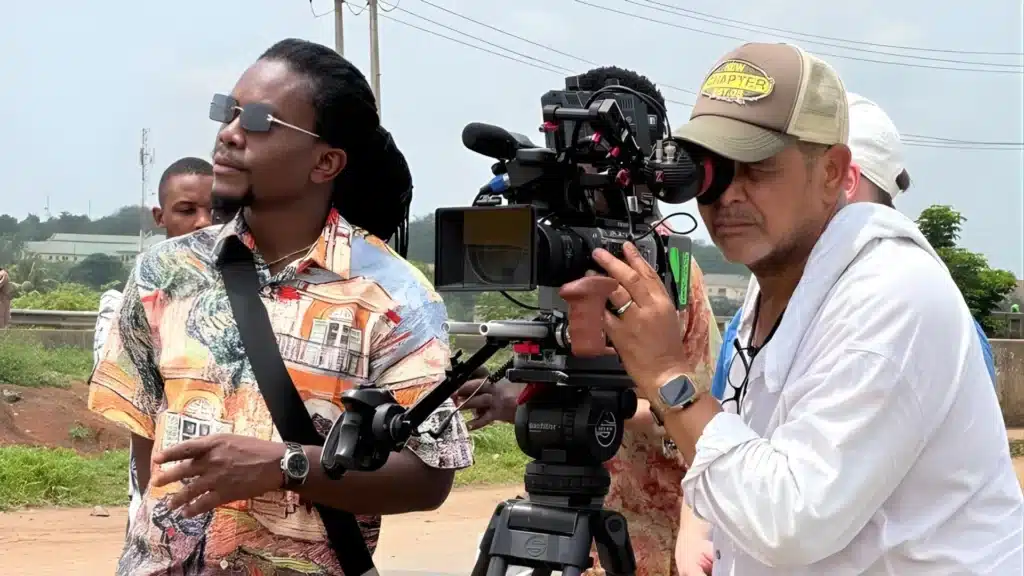
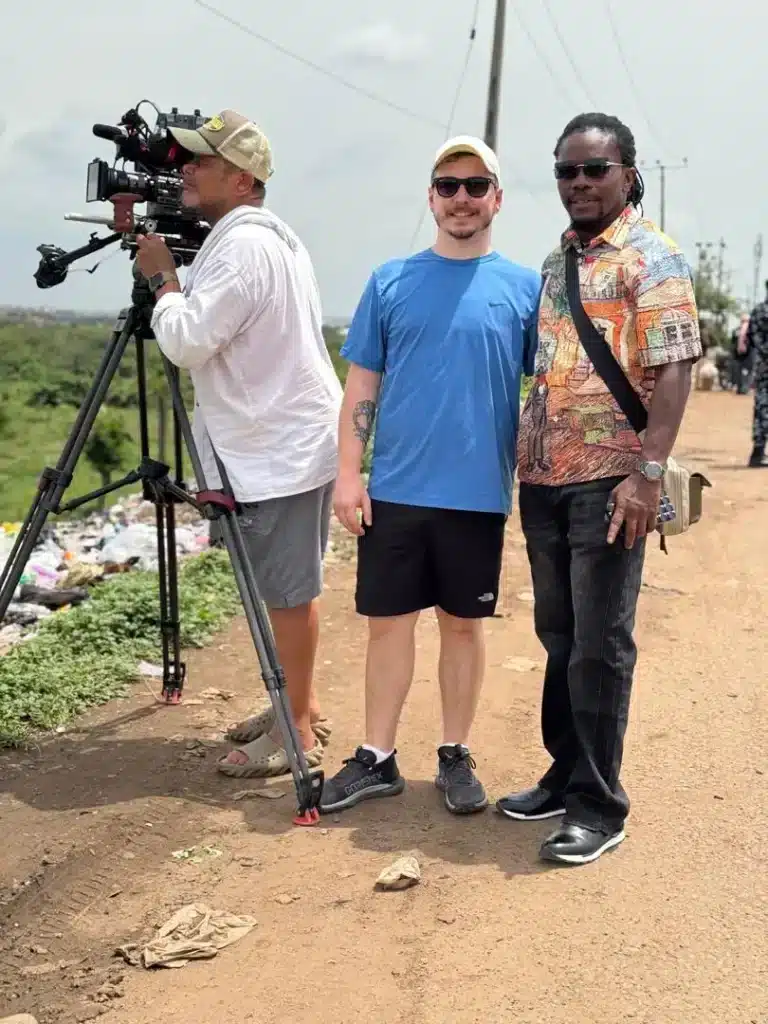
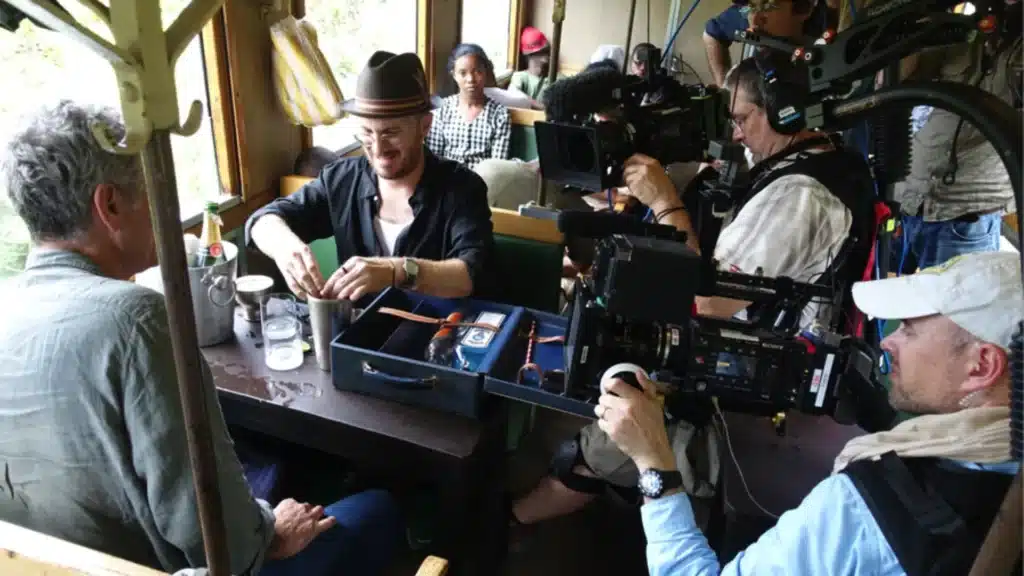
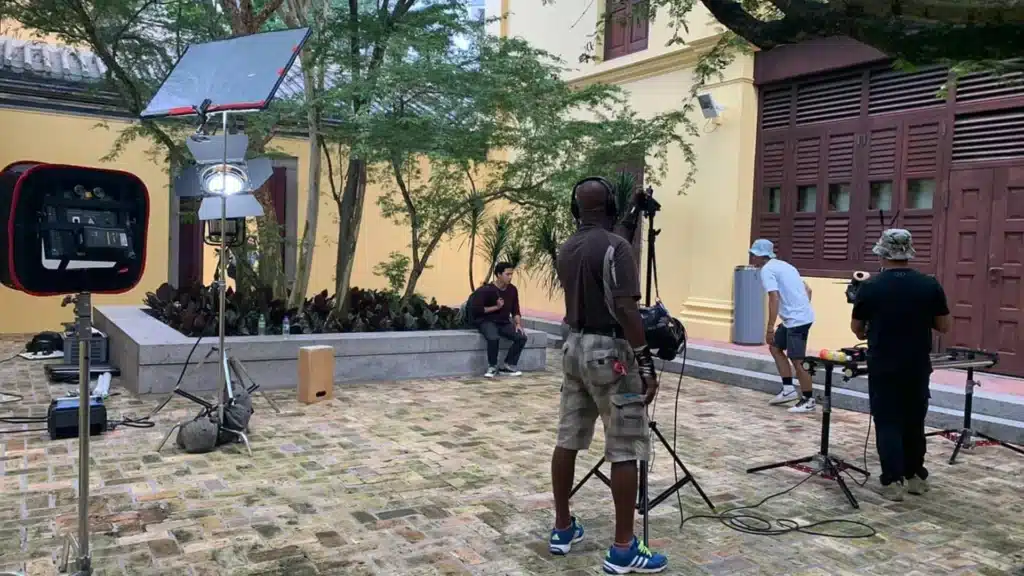
Previous Work Done by Hoodlum

Film Authorities and Industry Resources
For international productions considering Mongolia, official sources are the right place to begin. They help establish the regulatory framework, identify the relevant institutions, and clarify where film planning overlaps with wider legal or cultural protections.
- Mongolian National Film Council
- Law on Promotion of Cinematography
- Ministry of Culture, Sports, Tourism and Youth
- National Center for Cultural Heritage
These sources are most useful when paired with experienced local guidance. Official policy explains the framework, but practical production planning still depends on how the shoot will operate in the field.