
Filming in Fiji is a strong choice for international film, TV, commercial and reality productions because it offers tropical locations, experienced English-speaking crews, easy permits, strong tax incentives of up to 47%, reliable access through Nadi International Airport and lower production costs than many Caribbean and Indian Ocean destinations. With beaches, reefs, rainforests, waterfalls, rivers, mountains, resorts and villages, Fiji is one of the most cost-effective island filming hubs for productions in 2026.
Why Filming in Fiji Works for International Productions
Filming in Fiji gives international productions access to a wide range of tropical looks within one country. Fiji can offer remote beaches, coral reefs, rainforests, rivers, mountains, waterfalls, resorts, city settings and traditional village locations. That variety is useful for feature films, TV series, commercials, reality formats, travel campaigns and branded content.
Fiji is especially attractive because it combines location value with practical production conditions. The country has English-speaking crews, international flight access, domestic transport options and a film-friendly permit environment. For productions comparing island destinations, Fiji often delivers a better balance between cost, incentives and visual range.
The country can also double for the Caribbean, Southeast Asia or remote tropical islands, which helps productions reduce travel and avoid the expense of moving between several countries. This makes Filming in Fiji a practical choice when a production needs island scale without breaking the budget.
Where Is Fiji?
Fiji is a South Pacific island nation made up of more than 300 islands. It is located approximately 2,000 to 3,000 kilometres northeast of New Zealand.
Key production hubs include:
- Viti Levu: Fiji’s main island and home to Nadi International Airport
- Vanua Levu: known for lush, less developed landscapes
- Mamanuca Islands: famous for beaches and island visuals
- Yasawa Islands: remote island chains with cinematic scale
For productions, Viti Levu is often the most practical base because it connects airport access, hotels, transport and crew logistics. Outer islands bring high visual value, but they require tighter planning around boats, accommodation, equipment movement and weather.
Key Facts About Filming in Fiji
For producers building an early plan, these are the main production facts:
- Location: South Pacific
- Islands: 300+
- Main hub: Nadi, Viti Levu
- Airport: Nadi International Airport
- Tax incentive: Up to 47% rebate
- Best filming season: May to October
- Crew: English-speaking and experienced
- Hotel costs: $30 to $600+ per night
- Standard workday: 8 to 10 hours
- Typical film day: 10 to 12 hours
- Overtime: 1.5x to 2x rates
- Permits: Low-cost through Film Fiji
These details make Fiji appealing for producers who need a tropical destination with established production support, competitive costs and strong travel access.
Best Time to Film in Fiji
The best time for Filming in Fiji is usually May to October. This is the dry season, when conditions are generally sunnier and more stable. For exterior shoots, beach work, island transfers, drone shots and marine filming, this period is often the most reliable.
The wet season runs from November to April. It can still work for some productions, especially those with flexible schedules, but crews should expect hotter, more humid conditions and occasional storms.
Shoulder seasons can also be useful because they may bring lower costs and fewer crowds. Productions that are budget-sensitive may find good value outside the peak travel periods, but weather planning becomes more important.
Strong scheduling is essential. Even in a film-friendly country, island filming can be affected by boat transfers, rain, tide conditions, access roads and accommodation availability. This is where Production support Fiji helps productions build practical shoot plans instead of hopeful ones.
Top Filming Locations in Fiji
Beaches and Islands
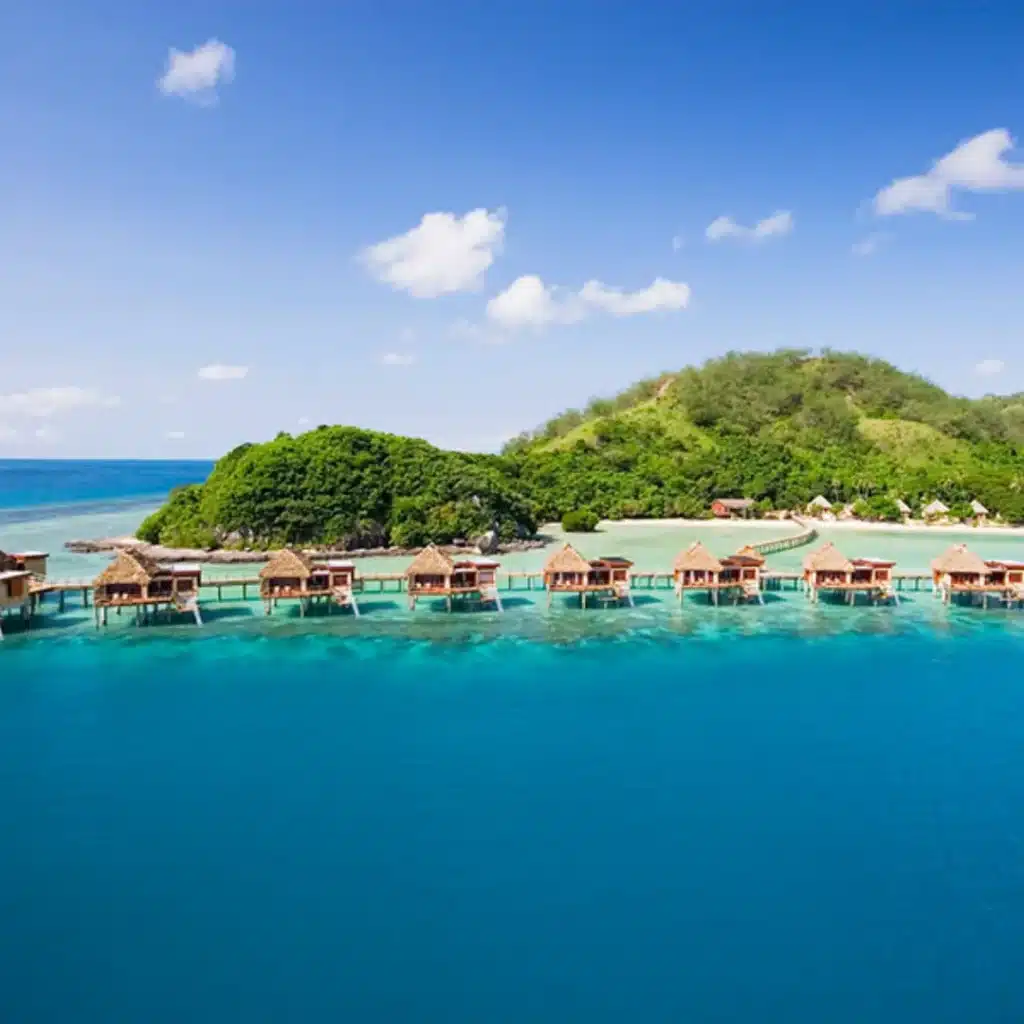
The beaches and islands are the strongest visual draw for Filming in Fiji. The country offers white sand, clear water, palm-lined coastlines, reefs, luxury resorts and remote island settings.
Key locations include:
- Mamanuca Islands
- Yasawa Islands
- Monuriki Island
The Mamanuca Islands are associated with Survivor, while Monuriki Island is known for Cast Away. These locations show why Fiji works so well for survival formats, adventure stories, travel advertising, tropical commercials and island-based reality TV.
Island shoots can be visually spectacular, but they need careful logistics. Transport, boats, gear protection, accommodation and call times must be planned early. Film fixers in Fiji can help productions understand which island locations are realistic for the schedule and budget.
Rainforests, Rivers and Waterfalls
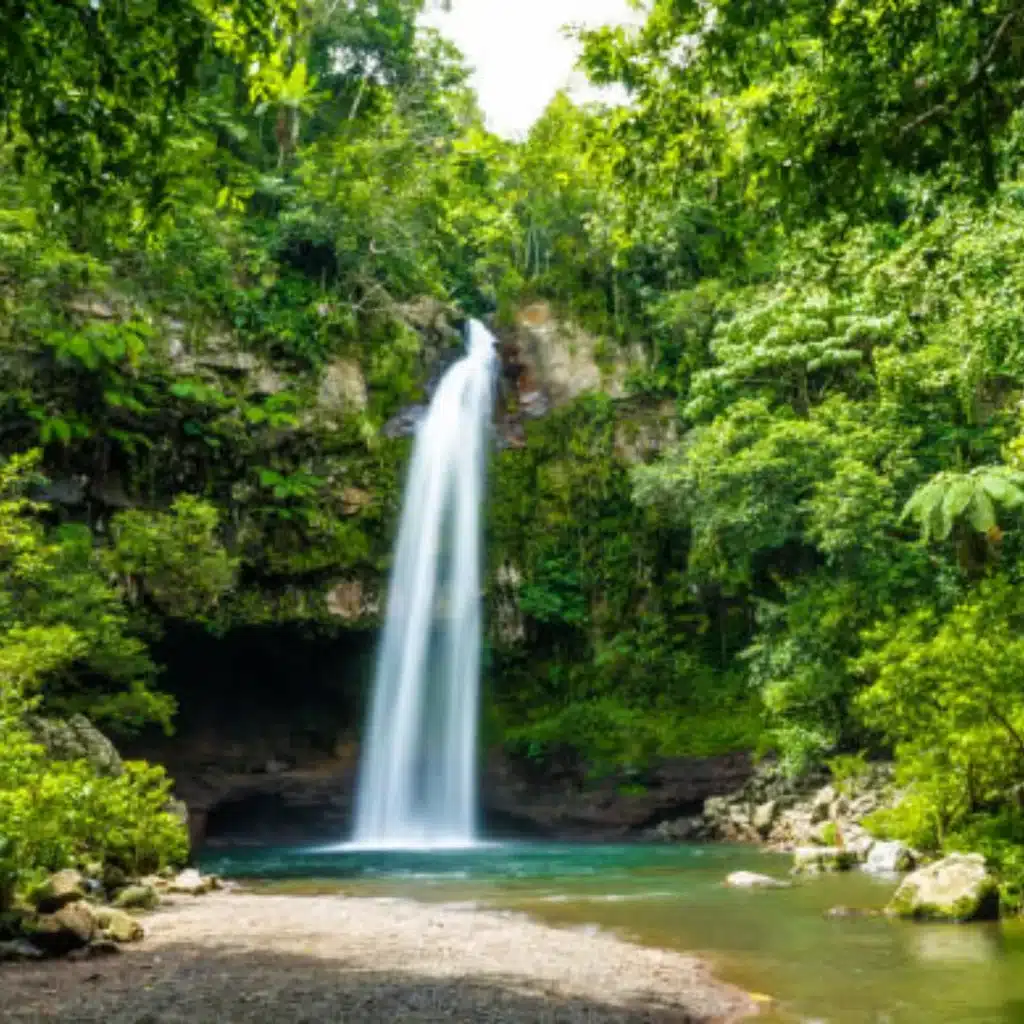
Fiji is not only a beach destination. It also offers rainforests, waterfalls, rivers, mountains and lush interior landscapes. These locations are useful for adventure scenes, nature documentaries, survival formats, commercials and travel programming.
The benefit is visual variety. A production can shoot beaches, jungle, water, villages and resort settings without building a complex multi-country schedule. For lean productions, that can make Filming in Fiji more efficient than moving a unit across several destinations.
Natural locations still require planning. Access can vary, weather can shift and equipment movement may be slower than expected. Production support Fiji helps match the creative brief to locations that are cinematic and workable.
Urban and Cultural Locations
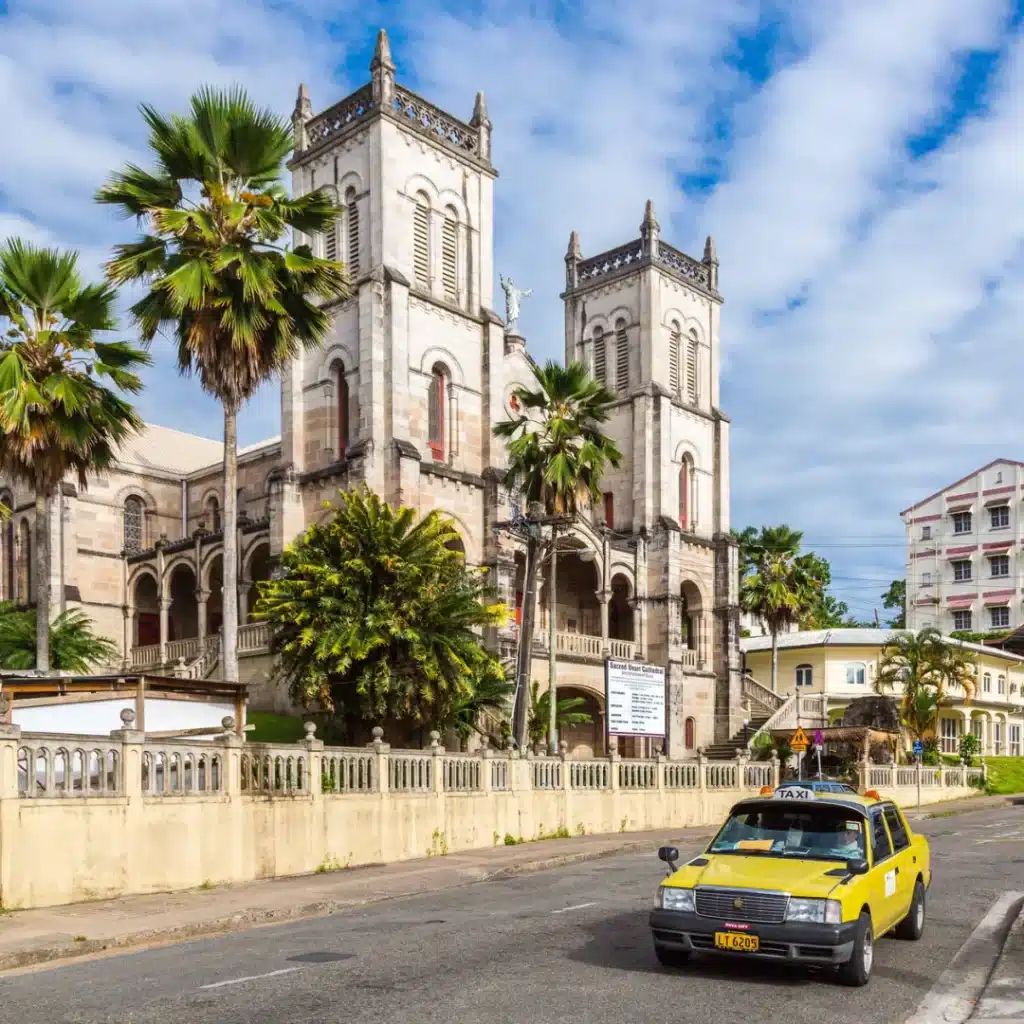
Suva, Fiji’s capital, offers urban filming potential, while traditional Fijian villages can provide cultural and documentary value. These locations are useful for travel shows, factual programming, commercials, lifestyle scenes and local storytelling.
Village and cultural filming should be approached carefully and respectfully. Productions may need local coordination, clear communication and suitable timing. Film fixers in Fiji can support that process by helping international crews understand local expectations and practical access needs.
Famous Productions Shot in Fiji
Fiji has hosted several well-known productions, including:
This production history shows Fiji’s range. It can support scripted features, unscripted formats, survival shows, romance, adventure, marine sequences and tropical lifestyle content.
For producers, these examples are useful proof points. Fiji is not an unknown island location with pretty views but no production base. It has a track record of supporting international shoots across different formats.
Film Permits and Regulations
Filming in Fiji is considered relatively simple and film-friendly. Permits are managed through Film Fiji, and permits are often low-cost or free.
Typical approval timelines are:
- Small shoots: a few days
- Larger productions: 1 to 2 weeks
A small commercial or lean documentary may move quickly if the paperwork is clear. Larger productions should allow more time, especially when they involve multiple islands, larger crews, specialist equipment, drones, private locations, village access or marine logistics.
Productions should prepare:
- Shoot dates
- Location list
- Crew information
- Equipment details
- Accommodation needs
- Transport requirements
- Special filming requirements
Good paperwork keeps the process cleaner. Production support Fiji is useful here because it helps gather the right information before the production reaches the approval stage.
Tax Incentives and Rebates
A major advantage of Filming in Fiji is the incentive structure. Fiji offers highly competitive incentives, with rebates of up to 47% on qualifying spend.
This can significantly reduce the overall cost of production. For commercials, TV, films, reality formats and travel campaigns, that rebate can make Fiji more attractive than higher-cost island destinations.
The incentive matters most when it is considered early. Producers should look at where they are spending money, how long the shoot will run, how much local crew and accommodation they need, and whether the production qualifies. Local guidance can help turn an incentive from a nice headline into a real budget advantage.
Production Costs: Fiji vs Other Island Destinations
Fiji offers one of the strongest cost-to-value ratios among island filming destinations.
| Destination | Cost Level | Incentives | Infrastructure | Notes |
|---|---|---|---|---|
| Fiji | Medium-Low | High, up to 47%+ | Strong | Best balance overall |
| Hawaii | Very High | Limited | Excellent | Premium costs |
| Bahamas | High | Moderate | Strong | Expensive accommodation |
| Dominican Republic | Medium | High, around 25–30% | Strong | Competitive but less diverse |
| Mauritius | Medium-High | Moderate | Good | Smaller crew base |
| Seychelles | Very High | Limited | Limited-Moderate | Expensive logistics |
| Tahiti | Very High | Limited | Moderate | High travel costs |
The key takeaway is that Fiji often delivers better value than Caribbean and Indian Ocean islands. It combines stronger incentives, lower overall costs and diverse locations in a single destination.
This is one reason Filming in Fiji works well for productions that need premium tropical visuals but cannot absorb premium island costs. The right planning can make Fiji feel less like a complicated remote destination and more like a controlled production base with island range.
Accommodation and Hotel Costs for Film Crews
Accommodation is a major budget line for island shoots. Fiji gives productions a wide range of options, from budget crew housing to luxury resorts.
Average hotel costs include:
- Budget / crew housing: $30 to $70 per night
- 3-star hotels: $80 to $120 per night
- Mid-range resorts: $150 to $250 per night
- 4-star hotels: $170 to $275 per night
- Luxury resorts: $400 to $600+ per night
A typical production setup might place:
- Cast and executives in luxury resorts
- Key crew in mid-range hotels
- Main crew in budget hotels, apartments or practical crew housing
Best areas to stay include:
- Nadi / Denarau: main production hub
- Coral Coast: affordable and scenic
- Suva: useful urban base with lower costs
- Outer islands: premium visuals with higher logistics demands
Accommodation should be planned around the shoot map, not just the room rate. A cheaper hotel can become expensive if it adds long transfers, boat movements or early call-time pressure. Film fixers in Fiji can help identify where the production should base different departments for the best balance of cost and access.
Local Crew and Production Support
Fiji has a skilled, English-speaking crew base experienced in international productions. Local support can include fixers, production managers, camera teams, lighting crews, sound teams, casting and logistics support.
Hiring locally can reduce overall costs. It can also make the production more efficient because local crew understand the terrain, travel times, suppliers and common filming conditions.
Production support Fiji can help international teams with:
- Crew sourcing
- Location planning
- Permit coordination
- Casting support
- Transport logistics
- Accommodation planning
- Equipment movement
- Supplier coordination
- Shoot-day production management
For international crews arriving with limited local knowledge, Film fixers in Fiji are especially valuable. They help bridge the gap between the creative brief and what is practical on the ground.
Crew Working Hours and Overtime
Crew working hours in Fiji are typically 8 to 10 hours per day. In film practice, 10 to 12 hour shoot days are common.
The usual workweek is 5 to 6 days.
Overtime may apply:
- After 8 hours as a legal baseline
- Often after 10 hours in film practice
Typical overtime rates include:
- 1.5x pay for initial overtime
- 2x pay for extended hours or holidays
Terms are flexible and negotiated per production.
For Filming in Fiji, overtime planning is important because travel time can quickly affect the day. If crew need to move from hotel to boat, then from boat to beach, then return with equipment, the production day can stretch. Smart scheduling protects both budget and crew energy.
Transport and Logistics
Fiji is practical to navigate, but island production still needs structure. The country has 15 domestic airports, good road networks, boats for island access and helicopters for aerial filming.
Transport options may include:
- Production vehicles
- Domestic flights
- Boats and ferries
- Helicopters
- Marine access support
- Equipment transport
This makes it possible to shoot multiple environments, but only if the schedule is realistic. Production support Fiji helps producers understand how long location moves will actually take, not how long they look on a map.
Outer island shoots are often the most visually rewarding and the most logistically sensitive. Boats, weather, crew accommodation, gear storage and meal planning all need attention. Film fixers in Fiji help keep those moving parts from turning into a tiny tropical circus with a call sheet.
Flights and Airport Access
Nadi International Airport is Fiji’s main international access point. Direct flights are available from:
- USA, including Los Angeles
- Australia
- New Zealand
- Asia
This gives Fiji strong global access for international crew, cast, agency teams and production departments. Nadi is also a practical base for onward movement to Denarau, the Coral Coast, Suva and outer island locations.
For productions with tight schedules, this access is one of Fiji’s major advantages. Filming in Fiji can feel remote on screen while remaining reachable for production teams.
Equipment and Infrastructure
Fiji has local camera and lighting gear available. Productions can also import equipment when required.
Useful infrastructure includes:
- Local camera gear
- Lighting equipment
- Production equipment support
- Mobile coverage
- Internet coverage
- Equipment import options
Smaller shoots may be able to source much of what they need locally. Larger productions, specialist camera setups, underwater work or complex lighting plans may require imported gear.
Production support Fiji can help producers decide what to source locally and what to bring in. That decision affects budget, customs planning, transport and shoot reliability.
When Fiji Is the Right Choice
Fiji is a strong fit when a production needs:
- Tropical island settings
- Beaches and reefs
- Resort visuals
- Remote island atmosphere
- Rainforests and waterfalls
- Reality TV locations
- Commercial travel visuals
- English-speaking crews
- Cost-efficient production options
- Strong incentive potential
It may be less ideal for productions that need large studio infrastructure, highly specialised gear at short notice or a purely urban production environment.
That said, for island work, Filming in Fiji has a rare mix of visuals and practicality. It can look remote, premium and untouched on camera while still offering enough infrastructure to support professional shoots.
Common Planning Mistakes
Even film-friendly destinations need careful preparation. Common mistakes include:
- Underestimating island transfer times
- Booking hotels too far from locations
- Not allowing enough time for larger permits
- Forgetting overtime costs
- Assuming all islands have the same access
- Planning too tightly in the wet season
- Waiting too long to organise local crew
- Not checking equipment needs early enough
These issues are avoidable. Early planning, realistic scheduling and local coordination make Filming in Fiji smoother and more cost-controlled.
Why Work With Hoodlum?
Hoodlum helps international productions plan and execute shoots in Fiji with practical, on-the-ground coordination.
- Production support Fiji
- Film fixers in Fiji
- Location scouting
- Permit coordination
- Crew support
- Casting support
- Transport logistics
- Accommodation planning
- Equipment coordination
- Shoot-day management
For international producers, the value is simple: Fiji offers the locations, but local execution turns those locations into a workable shoot. Hoodlum helps productions manage the details that sit between the creative idea and the final filming day.
FAQs About Filming in Fiji
Is Fiji a good place to film movies?
Yes. Fiji offers diverse locations, strong incentives, experienced English-speaking crews and practical infrastructure, making it suitable for films, TV, commercials and reality productions.
How much does it cost to film in Fiji?
Fiji is considered medium-low cost compared with many island destinations. Hotel costs can range from $30 per night for budget crew housing to $600+ for luxury resorts.
Do you need permits to film in Fiji?
Yes. Permits are managed through Film Fiji. They are often low-cost or free. Small shoots may be approved within a few days, while larger productions may take 1 to 2 weeks.
What is the best time for Filming in Fiji?
May to October is usually the best time because it falls during the dry season, with sunnier and more stable conditions.
Does Fiji have experienced crews?
Yes. Fiji has experienced English-speaking crews, including fixers, production managers, camera teams, lighting teams, sound teams and logistics support.
Can Fiji double for the Caribbean?
Yes. Fiji can double for the Caribbean, Southeast Asia and remote tropical islands, depending on the selected locations.
What famous productions filmed in Fiji?
Productions filmed in Fiji include Cast Away, The Blue Lagoon, Adrift, Anacondas, Survivor and Love Island.
Why use Production support Fiji?
Production support Fiji helps international crews coordinate permits, crew, locations, transport, accommodation, equipment and daily logistics.
Why use Film fixers in Fiji?
Film fixers in Fiji help productions manage local access, solve practical problems, coordinate movement and keep the shoot running smoothly.
Can Hoodlum help with Fiji shoots?
Yes. Hoodlum can support productions with planning, fixers, permits, locations, crew, accommodation, transport and shoot logistics.
Filming in Fiji offers international productions a rare mix of tropical beauty, production value, skilled crews, easy permits, strong incentives and accessible infrastructure.
For film, TV, commercials, documentaries and reality formats, Fiji can deliver beaches, reefs, rainforests, rivers, waterfalls, mountains, villages and resorts within one country. Compared with many Caribbean and Indian Ocean destinations, Fiji often provides stronger value through lower costs, diverse locations and incentives of up to 47%.
With the right local planning, Fiji becomes more than a beautiful backdrop. It becomes a practical, cost-effective production destination for 2026.
Written by a Debbie Terry film production specialist with 30 years’ experience in international location shoots.