
















Film Production in Antigua and Barbuda
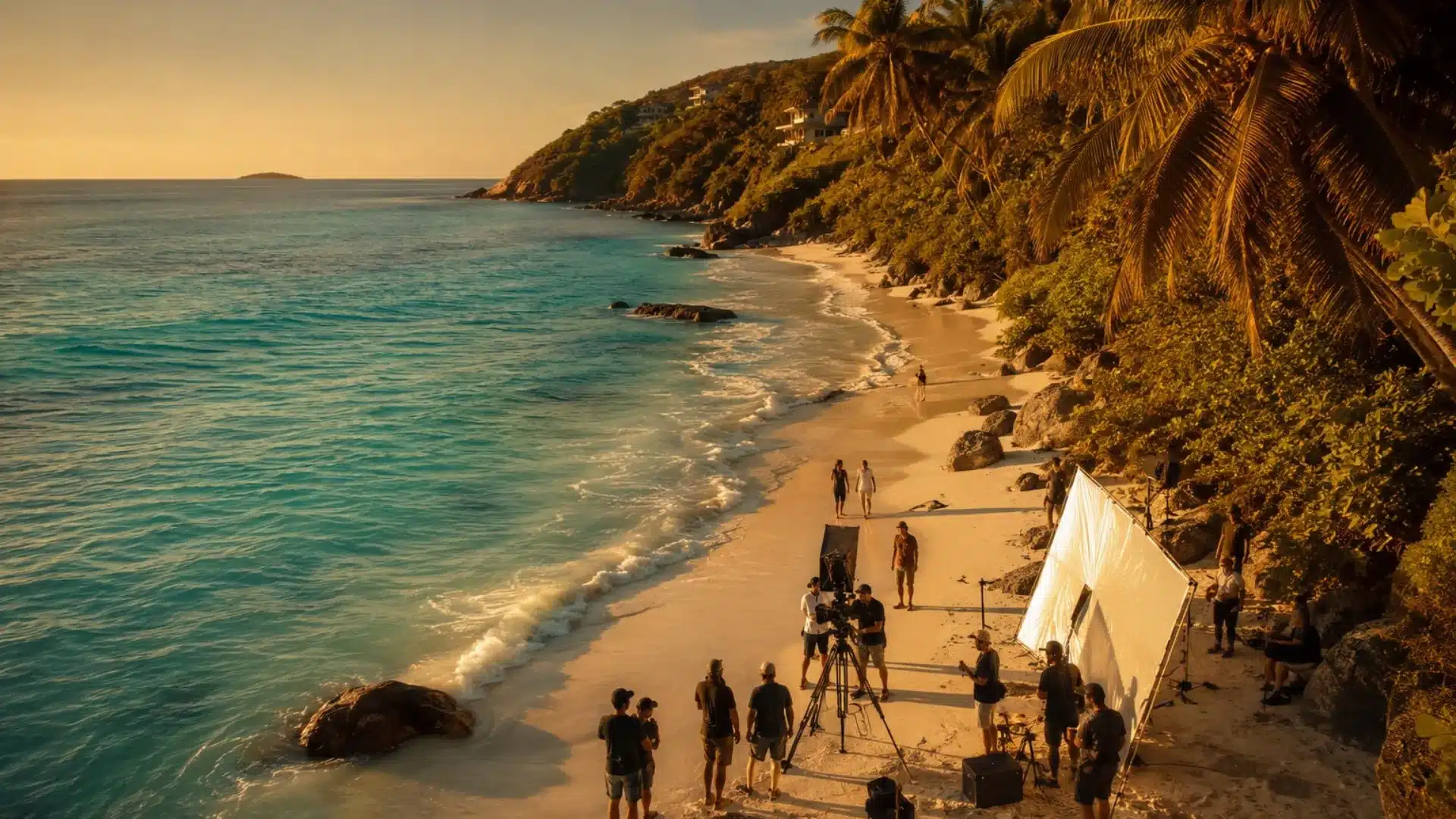
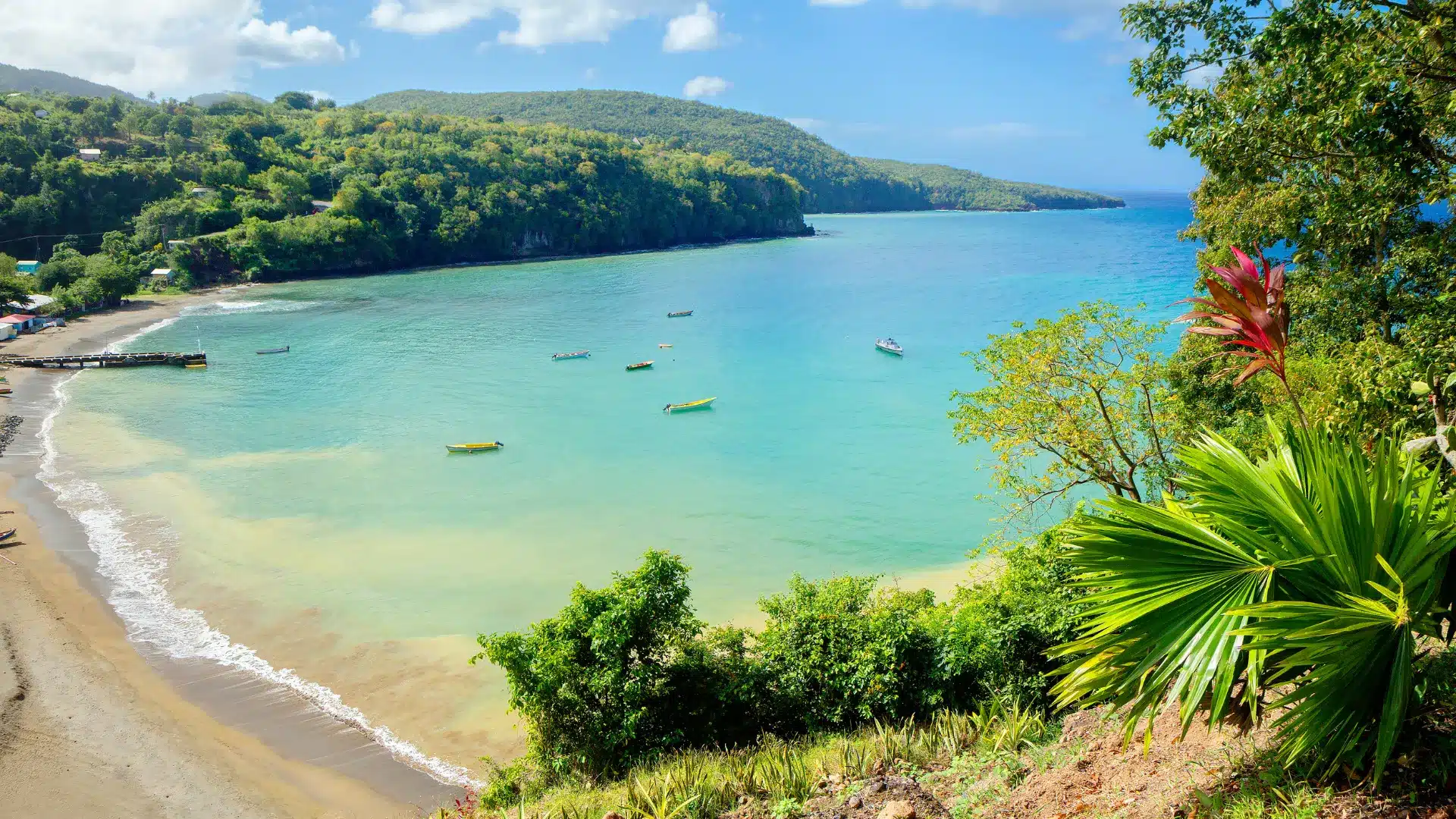
Antigua is a practical Caribbean filming destination for productions that need beaches, resorts, marine access, English-speaking coordination and compact island logistics. For commercial campaigns, branded content, factual entertainment, travel shows and documentary work in Antigua, crews get strong visual range without the operational spread of larger island environments.
The value is not only scenic. The destination offers established tourism infrastructure, experienced Antigua hospitality suppliers, yacht and marina access, tropical roads, private villas, heritage settings and a dedicated Film Commission. That makes Antigua useful for international producers looking for a polished Caribbean base with manageable movement between locations.
The island still requires proper preparation. Antigua permits, immigration checks, drone approvals, customs clearance, insurance, location agreements and weather planning should be addressed before the crew arrives in Antigua. A production-friendly destination is not the same as a permission-free destination.
Hoodlum supports productions by helping international crews in Antigua connect the creative plan with local execution. That includes fixer support, permit coordination, production logistics, location access, supplier coordination, equipment planning and practical on-the-ground support.
Why Film Production Works Well in Antigua
Antigua works best for productions that need high-end Antigua and Caribbean visuals with efficient movement. Crews can access beaches, hotels, marinas, roads, harbour views, restaurants, villas and coastal settings without building a schedule around long domestic transfers.
The destination is particularly strong for:
- Commercials and branded content
- Travel and tourism campaigns
- Reality and factual entertainment
- Documentary interviews
- Lifestyle and fashion shoots
- Marine, yacht and resort filming
- Small to medium international crews
English is the official language, which simplifies communication across authorities, property owners, hospitality teams, drivers, customs support and local suppliers.
The compact nature of the island is also useful. A production can often combine resort interiors, beach exteriors, harbour movement and town coverage into a schedule that would be more difficult in a larger territory. That efficiency is one of the strongest arguments for choosing Antigua.
The caution is that compact does not mean casual. A beach shoot may still need permission. A resort may have guest privacy rules. A marina may require access control. Drone work may need aviation approval. Local support helps crews identify these requirements before the schedule becomes expensive to change.
Best Time of Year to Film
The country has a tropical maritime climate, with warm temperatures throughout the year. The dry season generally runs from December to April, while the wet and hurricane season runs from June to November.
For exterior filming, Antigua is usually the most reliable window during the dry season. It is especially useful for beach work, marine scenes, tourism campaigns, lifestyle content and resort shoots where clear skies and predictable conditions matter.
Productions filming during the wetter months should prepare for:
- Rain delays
- Tropical storm monitoring
- Rougher sea conditions
- Weather cover for equipment
- Flexible transport planning
- Backup interior or sheltered locations
- Additional contingency in the schedule
Hurricane season does not make filming impossible, but it changes the risk profile. Productions should monitor storm activity and avoid building a schedule that depends on exposed coastal locations with no backup plan.
Hoodlum helps crews assess whether the chosen shoot window is realistic and build weather contingency into the production plan before the crew travels.
Visa and Entry Requirements for Crew
Visa requirements depend on nationality, length of stay and purpose of travel. Many nationalities may enter visa-free for short tourism or business visits, while visa-required travellers should apply through the official eVisa route.
For professional filming in Antigua, crews should not rely only on general tourism entry rules. Paid production work, commercial filming or longer activity may require additional checks with Immigration, the Film Commission or a local production partner.
Typical visa or entry documentation may include:
- Valid passport or travel document
- Completed online visa application, where applicable
- Passport-style photo
- Travel itinerary
- Return or onward ticket
- Proof of accommodation
- Proof of sufficient funds
- Production invitation letter, if travelling for work
- Fee payment confirmation
Processing times vary by nationality and visa class. Visa-required crew should allow at least two to three weeks, with additional time where production letters, crew lists and permit documentation need to align.
Hoodlum helps visiting teams prepare the right supporting information so that travel planning, immigration checks and production documentation do not drift apart.
International Crew Accreditation and Work Permissions
Short-term international productions often work through a local production service company, fixer or approved partner. Crew accreditation is usually tied to the filming permit and production authorisation process rather than handled as a completely separate creative matter.
Typical requirements may include:
- Production company profile
- Project synopsis, treatment or script
- Crew list with roles
- Passport copies for crew members
- Travel and accommodation details
- Equipment list
- Insurance details
Larger shoots, public-location work or shoots involving multiple authorities should allow two to four weeks for coordination. The more complex the production footprint, the earlier the process should begin.
This is where production support becomes valuable. Crew lists, travel details, permit documentation and insurance should match across all submissions. When those details are inconsistent, approvals can slow down. Hoodlum helps international productions keep the paperwork clean and connected to the actual shoot plan.
Film Permits and Production Approval
Filming permission is typically coordinated through the Antigua & Barbuda Film Commission, with additional approvals required where relevant departments, local authorities, police, ports, airports, heritage bodies or property owners are involved.
A small private shoot may move faster than a larger public-facing production. However, any project involving beaches, roads, public spaces, drones, ports, airports, police support, heritage sites or Barbuda locations should allow more lead time.
Typical permit information may include:
- Production title and synopsis
- Script, treatment or storyboard
- Producer and director details
- Production company information
- Shooting dates
- Location list
- Crew and cast list
- Equipment and vehicle list
- Drone details, if applicable
- Public liability insurance
- Local production partner or fixer details
Standard shoots in Antigua should usually allow two to four weeks. More complex shoots may take longer, especially when several approvals need to be coordinated.
A film permit is more than a formality. It helps define where the crew may work, what activity is approved, what services may be required and which authorities need visibility. Hoodlum helps productions prepare accurate submissions and translate the creative plan into information that authorities can review clearly.
Private Locations, Resorts and Beaches
Private location filming is negotiated directly with owners, managers or authorised representatives. This includes villas, hotels, resorts, marinas, restaurants, heritage properties and privately managed access points.
Written location agreements are strongly recommended. These agreements should confirm:
- Shoot dates and hours
- Approved areas
- Crew size
- Parking and loading access
- Equipment restrictions
- Drone use, if relevant
- Fees and payment terms
- Guest privacy requirements
- Brand visibility restrictions
- Restoration or cleaning responsibilities
Resorts can be excellent for lifestyle, travel, tourism and branded shoots, but they often have strict rules around guest disruption, signage, noise, service areas, drone activity and commercial brand exposure.
Beaches also need careful handling. Even when an area feels open to the public, production activity may require coordination if equipment, talent, vehicles, lighting, crew or drones are involved.
Hoodlum helps crews identify realistic locations, negotiate access and make sure the location agreement supports the way the shoot will actually operate.
Drone Filming Requirements
Professional drone filming requires prior planning and must comply with aviation safety rules. The Eastern Caribbean Civil Aviation Authority is the key regional aviation body, and local aviation stakeholders may also be involved depending on the flight plan.
Drone approval should be treated separately from the general film permit. A production should not assume that permission to film automatically includes permission to fly.
Typical drone information may include:
- Drone make and model
- Serial number
- Pilot credentials
- Insurance
- Flight plan
- Locations
- Dates and times
- Safety procedures
- Nearby sensitive areas
Crews should allow at least two to three weeks for drone planning, with longer lead times for sensitive areas, airports, ports, populated zones, heritage sites or complex flight paths.
Drone importation should also be prepared in advance. Crews should carry serial numbers, proof of ownership and supporting production documents. Hoodlum helps align drone planning with location permissions, customs preparation and the wider production schedule.
Equipment Customs Clearance
Professional filming equipment should be prepared for temporary import before travel. The country is generally treated as accepting ATA Carnets for temporary professional equipment, but productions should confirm with their carnet issuer, freight provider and customs support before shipping or flying with gear.
Customs documentation should be complete and accurate. Delays often happen when equipment lists are vague, values are missing, serial numbers do not match or supporting production documents are incomplete.
Typical customs documentation may include:
- ATA Carnet or temporary import declaration
- Detailed equipment list
- Serial numbers
- Declared values
- Proof of ownership
- Production invitation or permit support letter
- Entry and exit clearance documents
Airport clearance may be possible on the same day when paperwork is correct. Freight shipments usually need more lead time because brokerage, inspection and storage may be involved.
Hoodlum helps productions prepare equipment documentation, coordinate with local partners and reduce the risk of gear being held up when the crew is ready to shoot.
Safety and Security for Productions
Antigua is generally considered safe for filming, but standard production precautions remain important. Crews should protect equipment, vehicles, valuables and personal items, especially in tourism areas, public spaces and busy location moves.
Production safety should cover both security and practical shoot management. Marine filming, beach work, remote locations, road movement and hurricane season each require planning.
Key safety considerations include:
- Secure storage for camera, lighting and sound equipment
- Vehicle supervision during location moves
- Controlled access at public-facing shoots
- Weather monitoring during hurricane season
- Marine safety for boat-based work
- Medical access for remote or beach locations
- Clear communication between crew, drivers and fixers
- Insurance aligned with the actual shoot activity
A relaxed island environment should not lead to loose procedures. A missing case, delayed transport, poor weather decision or unclear location boundary can disrupt a day quickly. Hoodlum helps productions build sensible safety planning into the schedule from the start.
Film Incentives and Production Benefits
The Film Commission promotes the country as a film-friendly destination and has advertised production support and incentives. Availability, rates, eligible spend, caps and qualifying conditions should be confirmed directly before budgeting.
Productions should not treat incentive information as automatic budget relief. Written confirmation is essential before building financial assumptions around any rebate, waiver, support structure or production benefit.
Before budgeting incentives, productions should confirm:
- Whether the project qualifies
- Which production types are eligible
- Whether local spend thresholds apply
- Whether caps or exclusions exist
- What documentation is required
- Whether approval must happen before spending
- Whether a local production partner is required
Incentives do not replace visas, permits, drone approvals, customs clearance or location agreements. Each process must still be managed separately. Hoodlum helps productions ask the right questions early and avoid costly assumptions.
How the Main Approvals Fit Together
The biggest mistake visiting crews make is assuming that one approval unlocks everything. It does not.
A film permit may support the production, but it does not automatically grant immigration permission. A visa may allow entry, but it does not approve filming. A location agreement may secure access, but it does not approve drone use. Customs clearance may allow gear into the country, but it does not confirm where that gear may be used.
A proper production plan connects every approval:
- Immigration confirms who can enter and for what purpose.
- Film permits confirm whether the production may shoot.
- Location agreements confirm where the crew may work.
- Drone approvals confirm whether aerial filming is allowed.
- Customs clearance confirms whether gear can enter and exit properly.
- Safety planning confirms how the shoot will operate on the ground.
Hoodlum’s role is to help international crews turn these separate requirements into one workable production plan. That is where local coordination changes the outcome.
When This Destination Is the Right Choice
Antigua is a strong choice when a production needs coastal beauty, resort infrastructure, yacht visuals, English-speaking coordination, warm weather and compact island logistics.
The destination is especially suitable for:
- Beach commercials
- Tourism campaigns
- Resort content
- Yacht and marina shoots
- Lifestyle films
- Documentary interviews
- Reality and factual entertainment
- Branded social content
- Travel programming
It may be less suitable for productions that need major studio infrastructure, large-scale urban backdrops, extensive backlot options or heavy technical builds. Those shoots may still be possible, but they require more preparation and a stronger supplier strategy.
For many international crews, Antigua works best when used for its natural strengths: beaches, resorts, marine access, hospitality, scenic roads and tropical exteriors.
Common Mistakes to Avoid
Even in a production-friendly environment, mistakes can create delays. The most common problems usually come from late planning, unclear paperwork or assumptions about what a general approval covers.
Avoid:
- Assuming tourism entry covers professional filming
- Leaving film permits until the final week
- Treating drone approval as automatic
- Arriving with incomplete equipment lists
- Booking private locations without written agreements
- Ignoring hurricane season contingency
- Underestimating transport and loading time
- Forgetting customs handling or brokerage costs
- Assuming incentives apply without written confirmation
- Working without a local fixer on complex shoots
Most of these issues are preventable. Early planning, accurate documentation and a local partner can keep the production from losing time to avoidable problems.
How Hoodlum Supports Local Production
Hoodlum provides practical support for international crews filming in Antigua, from early planning through shoot execution. The aim is to make the production workable before the crew lands and keep each moving part aligned once filming begins.
Support may include:
- Local fixer services
- Film permit coordination
- Location research and access
- Private location agreements
- Crew and supplier coordination
- Immigration documentation support
- Drone planning
- Customs preparation
- Transport coordination
- Accommodation support
- Safety planning
- Weather contingency
- On-the-ground logistics
Film Production Services in Antigua require more than beautiful location options. A successful shoot needs accurate permits, realistic timing, clear crew movement, prepared equipment lists and reliable local coordination.
Hoodlum helps productions reduce guesswork and plan the shoot as a practical operation, not just a creative wish list.
FAQ Section
Do international crews need a visa to film in Antigua?
Visa requirements depend on nationality, length of stay and purpose of travel. Some crew may enter visa-free for short stays, while others may need an eVisa. Professional filming should always be checked before travel because production activity may require supporting documentation.
How long do film permits take in Antigua?
Standard permits should usually allow two to four weeks. Productions involving drones, public locations, beaches, ports, airports, heritage sites, road activity or Barbuda locations may need longer.
Can productions use drones in Antigua?
Yes, drone filming may be possible, but professional drone use requires prior planning and aviation approval. Drone approval should be handled separately from the general film permit and the location agreement.
Is Antigua good for commercial filming?
Yes. The destination is strong for commercials, branded content, tourism campaigns, lifestyle films, resort content, yacht shoots and marine visuals. Its compact size and English-speaking environment make it practical for small to medium international crews.
Whether you need experienced film fixers in Antigua, comprehensive location scouting Antigua across both islands, or full Antigua film production services from permits through to post-shoot logistics, Hoodlum has the local knowledge and regional connections to keep your production on track. Working closely with the Antigua and Barbuda Film Commission, our team handles everything from crew coordination and equipment clearance to drone approvals and private location access — so international productions can focus on the creative work while we manage the ground.
English Harbour and Nelson’s Dockyard
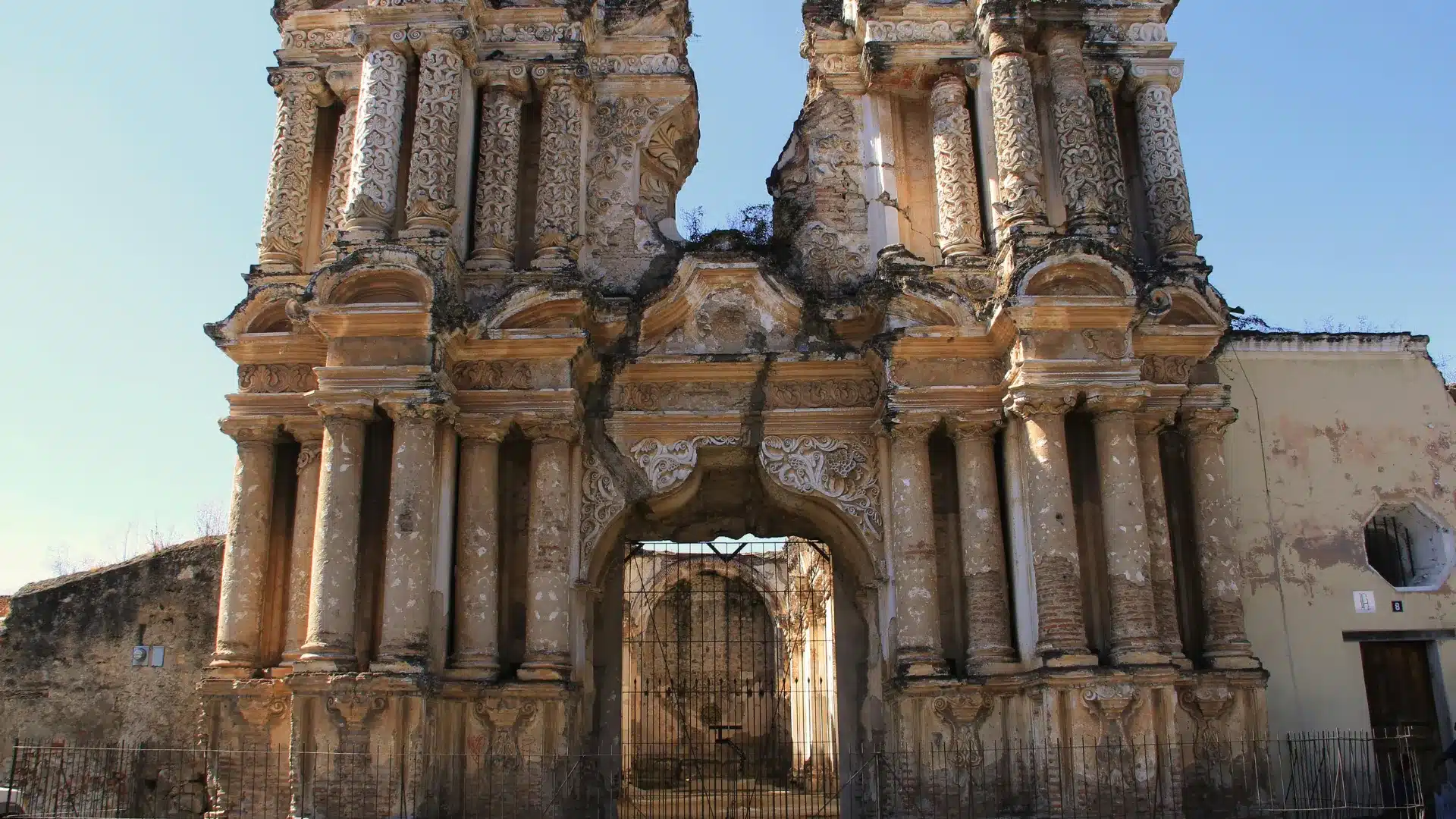
Few locations in the Caribbean carry the visual weight of English Harbour. Home to Nelson’s Dockyard — one of the best-preserved Georgian naval dockyards in the world and a UNESCO World Heritage Site — the area offers a rare combination of maritime heritage, colonial architecture, working harbour activity, and dramatic hillside backdrops. For productions needing something beyond beach and resort visuals, English Harbour delivers texture and history that is difficult to find elsewhere in the region.
Filming at Nelson’s Dockyard requires specific permission from the National Parks Authority and should be factored into the permit timeline early. The surrounding Shirley Heights area also offers elevated vantage points with panoramic views across the harbour and out to sea — useful for establishing shots, drone work, and wide landscape coverage. Hoodlum manages location access and authority liaison for productions filming across the English Harbour and Falmouth Harbour areas.
Filming on Barbuda
Barbuda offers something Antigua cannot — near-total seclusion. The island’s pink sand beaches, shallow turquoise flats, frigate bird sanctuary, and sparse human footprint make it one of the most visually distinctive and unspoiled filming locations in the entire Caribbean. For productions seeking an untouched, otherworldly coastal environment, Barbuda is difficult to match.
The practical reality is that Barbuda requires more planning than Antigua. Infrastructure remains limited following the near-total destruction caused by Hurricane Irma in 2017, and logistics — including crew transport, accommodation, equipment movement, and catering — need to be arranged and confirmed well in advance. Permit coordination also involves separate considerations for Barbuda locations. Hoodlum supports productions planning to shoot across both islands, managing the additional logistics that a Barbuda shoot requires.
Productions Filmed in Antigua and Barbuda
Antigua and Barbuda has an established track record as a production destination. Most recently, the BBC drama Mr Loverman — adapted from Bernardine Evaristo’s critically acclaimed novel — used Antigua as a primary filming location, with Hoodlum’s own Louise serving as Antiguan Line Producer on the production. The islands have also featured in travel and factual programming including The Caribbean with Andi and Miquita, reinforcing Antigua’s appeal for both high-end drama and broadcaster-led documentary content. The combination of visual range, English-speaking infrastructure, and an active Film Commission makes Antigua a credible choice for international productions across multiple genres.