















Filming in Israel
Film Production Support
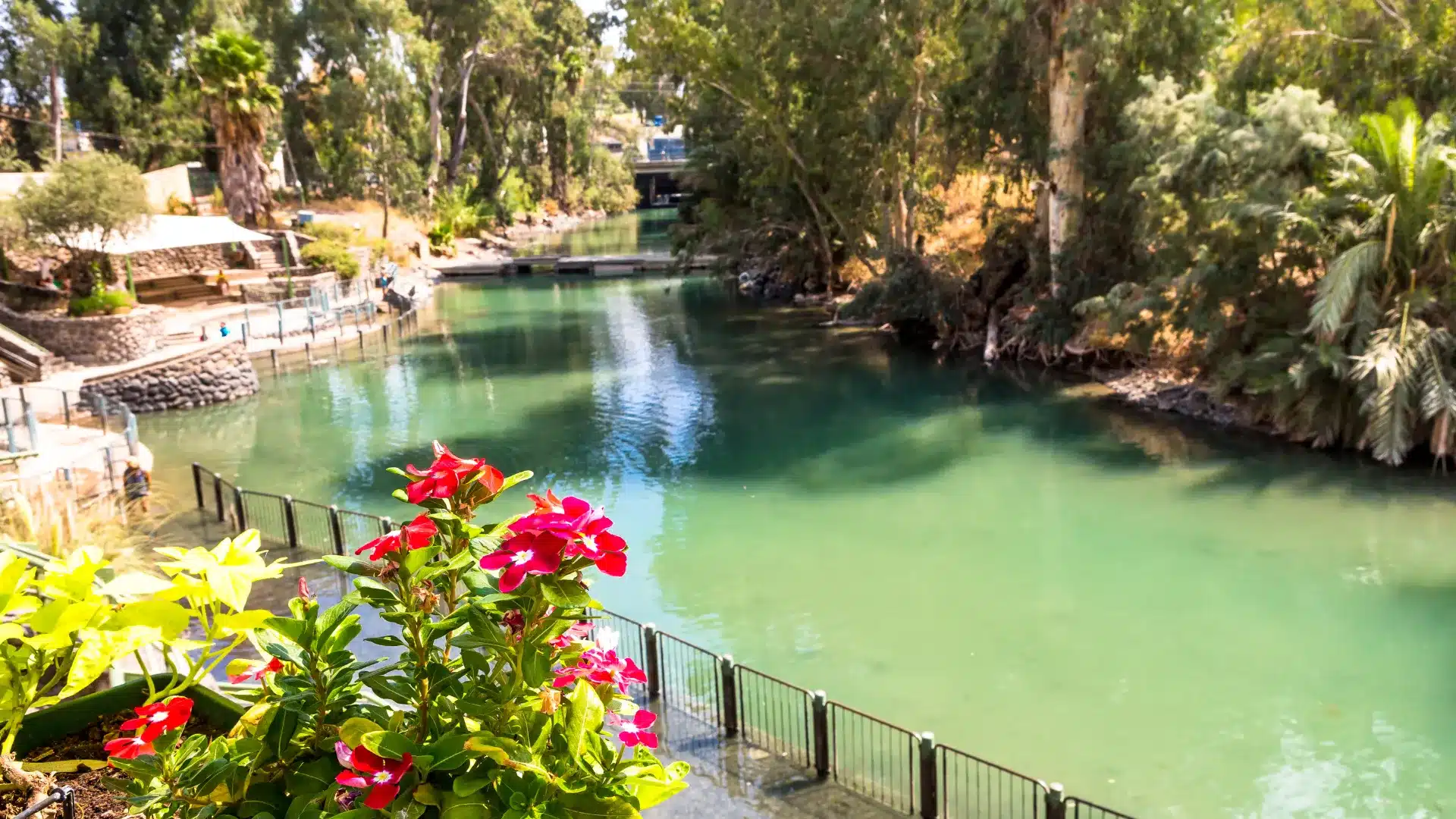
Israel is one of the world’s most compact yet astonishingly varied filming destinations, packing ancient holy sites, modern Mediterranean cities, desert craters, the Dead Sea, rolling Galilee hills and Red Sea coast into a country small enough to cross in a single day. From the sacred old city of Jerusalem and the beaches and Bauhaus architecture of Tel Aviv to the lunar landscapes of the Negev, the Ramon Crater, the Sea of Galilee and the resort of Eilat, the country offers thousands of years of history alongside a sophisticated, modern production industry, with experienced English-speaking crews and a near year-round filming climate.
For international crews, Israel offers a rare blend of extraordinary historical and natural locations, a highly professional local industry, an ATA Carnet system for equipment, and remarkably short distances between wildly different looks, balanced against the reality that this is a security-sensitive region where conditions can change and current advice must always be checked. It is one of the few places where a production can film ancient religious heritage, a modern beach metropolis and dramatic desert within a single tight schedule, supported by some of the most resourceful and reliable fixers and crews anywhere.
Hoodlum provides Film Production Services in Israel for commercials, documentaries, factual and news programming, branded content, history and religious-heritage productions, travel content, feature films and television productions. Our team supports visa guidance, municipal and site permits, location agreements, customs and carnet clearance, local crew sourcing, transport, accommodation, security planning and full on-ground production management. You can see the full scope of what we do and the people behind it on our who we are page.
Israel rewards productions that arrive with their paperwork in order and their planning informed by current conditions. It is a professional, film-friendly country with superb crews, but it is a region where security must be planned carefully and verified close to the shoot, and where permits, customs and movement benefit from expert local coordination. The right entry route, the right permits, the right customs plan and an up-to-date security assessment all need to be settled before the cameras roll, and the most efficient way to handle that is through an experienced local production partner.
Why Israel Works for History, Variety and Short Distances
Israel’s biggest production strength is the combination of remarkable location variety and tiny distances, all served by a sophisticated, experienced industry. In a single schedule a production can move from ancient holy sites to a modern beachfront, desert craters and the Dead Sea, because the entire country is only around seven hours from end to end, which removes much of the travel time of larger destinations. Add professional English-speaking crews and a near year-round shooting climate, and it becomes a remarkably efficient place to work.
Tel Aviv and Jerusalem are the operational hubs, but the value sits in the variety and the access. A documentary might explore Jerusalem’s holy sites and ancient history. A commercial might pair Tel Aviv’s beaches with the Negev desert. A travel piece might combine the Dead Sea, the Galilee and the Red Sea coast. Israel is strong because it delivers thousands of years of heritage and dramatic modern and natural locations within short reach, supported by reliable crews and a straightforward carnet system.
The country is especially well suited to:
- Documentary and factual television
- History and religious-heritage programming
- News and current-affairs coverage
- Commercials and branded content
- Travel and landscape content
- Archaeology and culture stories
- Feature films and television drama
Hoodlum’s production support team helps crews decide which locations are practical, what permissions each one needs and how to sequence an efficient schedule across the country.
Jerusalem and the Holy Sites
Jerusalem is one of the most historically and spiritually significant cities on earth, and a defining location for any heritage, religious or history production. The walled Old City, the Western Wall, the Church of the Holy Sepulchre, the Dome of the Rock, the markets and the layers of ancient and modern life offer imagery of profound global resonance.
These locations suit documentary, history, religion and culture programming above all. Filming at religious and historical sites requires specific permissions, sensitivity to worshippers and sacred spaces, and adherence to modest dress and conduct expectations, with advance coordination essential and fees applying at many churches and sites. Hoodlum handles the religious-site and heritage permissions and the careful coordination these locations demand, so they become workable and respectful filming days.
Tel Aviv and the Mediterranean Coast
Tel Aviv is Israel’s vibrant, modern heart, a Mediterranean beach city of golden sand, a lively waterfront, the UNESCO-listed White City of Bauhaus architecture, markets, nightlife and a contemporary, cosmopolitan energy, while the wider coast offers the ancient port of Jaffa, Caesarea’s Roman ruins and the city of Haifa with its Bahá’í Gardens.
These locations suit commercials, fashion, lifestyle, travel and drama, and any project needing a modern Mediterranean or beach-city look. Filming in the big cities requires municipal coordination, with public-space permits arranged through the city authorities, and street or driving work often requiring a police presence. Hoodlum uses Tel Aviv as a practical base for Film Production Services in Israel, arranging the municipal permits, locations and logistics that keep a city shoot moving.
The Negev, the Dead Sea and the South
The south of the country opens into spectacular natural landscapes: the Negev desert, the vast Ramon Crater, the salt formations and mineral shores of the Dead Sea, the lowest point on earth, and the Red Sea diving resort of Eilat. These offer dramatic, otherworldly and biblical-scale scenery within easy reach.
These locations suit natural-history, adventure, travel and commercial work, automotive shoots and any project needing desert or dramatic landscape. Desert and Dead Sea filming calls for planning around heat, access, national-park permissions and remote logistics, with the intense summer sun making cooler-month or early and late shooting advisable. Hoodlum builds the park permissions, transport, heat management and remote-location logistics into the schedule before a shoot moves into the south.
Entry, Visas and Crew Documentation
Israel is straightforward to enter for many nationalities, which keeps crew planning simple, though the right route still depends on each crew member’s nationality.
Citizens of the US, Canada, the EU, the UK and many other countries do not require a visa in advance for short stays, while other nationalities may need to obtain one from an Israeli consulate before departure, typically within around two weeks. The country issues an entry card rather than a passport stamp, which avoids complications for onward travel to some other countries. Crew should carry passports and crew contact details, and journalists working across the region may wish to hold the relevant government press credentials. Formal crew accreditation is generally not required.
Because entry is comparatively simple but the wider context needs awareness, a local partner adds value from the outset. Hoodlum helps productions confirm each crew member’s entry route, arrange any press credentials, and align documentation with the schedule.
Film Permits and Location Permissions
There is no single general national film permit, which keeps straightforward shooting simple, but municipal permits are required for filming in public spaces in the major cities such as Tel Aviv, Jerusalem and Haifa, and specific permissions are needed for national parks, historical sites and religious sites, issued by the relevant local and national authorities. The correct route therefore depends entirely on the locations.
Permits are typically arranged around seven to ten days before the shoot, supported by a statement on the client’s letterhead describing the purpose of the production and where and when it will be broadcast, along with third-party insurance cover, commonly required at around two million dollars. Costs vary by location, with city day-permits relatively modest, national parks moderate, and churches and religious sites carrying their own fees, while particularly sensitive areas require additional clearance and longer lead times. Hoodlum, which carries the required insurance, identifies the correct permit route and manages the applications.
Private locations carry a location fee, best negotiated by the local fixer. A Hoodlum location scout can propose suitable options, after which we negotiate access, dates, crew size, fees and conditions, and secure a location agreement. Private permission does not replace municipal, park or religious-site approvals a location also requires, and fees are quoted once the locations are confirmed.
Drone Filming and Aviation Rules
Drone filming is the single most important restriction to understand, because bringing a drone into the country is not permitted, and a drone will be confiscated by customs if a crew attempts to import one. This is a firm rule with no straightforward workaround for imported equipment, so productions must never plan to bring their own drones.
Because importation is prohibited, any aerial requirement must be discussed with the local partner well in advance to assess what, if anything, is feasible through approved local channels, and in many cases aerial work will not be possible. Productions should plan their coverage on the assumption that drone work is heavily constrained. Hoodlum advises honestly on what is achievable, explores any compliant local options, and ensures productions do not arrive with equipment that will be confiscated.
Equipment Customs Clearance and the ATA Carnet
Israel is an ATA Carnet country, which makes temporary equipment importation relatively straightforward for productions that prepare properly. The carnet is arranged in the country of origin before travel, listing all gear with serial numbers and values, and acts as a single international customs document allowing professional filming equipment to be temporarily imported duty-free and tax-free, on the guarantee that it will be re-exported within the validity period.
Customs clearance is handled by the national customs authority, and a clean carnet with a complete, accurate equipment list keeps the process moving, though using a local specialist who handles professional crews through customs is strongly recommended to avoid delays. The equipment is brought in temporarily and must be re-exported, so an accurate inventory is essential, and aligning the customs plan with the shooting schedule is important.
Hoodlum helps productions prepare the carnet and equipment list, coordinates a customs specialist to clear professional gear efficiently, and times the process so cameras, lighting, grip and sound equipment move through with minimal delay.
Costs, Incentives and Production Support
Israel’s costs are broadly comparable to filming in the United States and somewhat lower than parts of Europe, with crews typically budgeted and paid in US dollars, and it is worth noting that equipment availability is more limited than in major European or US markets, so some specialist gear can be more expensive to hire locally or may be worth bringing under carnet. Production planning should account for this.
While the country has at times offered initiatives to attract international productions, productions should confirm the current incentive position directly rather than assume a scheme is in place, and budget primarily around crews, logistics, permits, customs and security. The genuine strengths are the professional, resourceful crew base, the short distances, the year-round climate and the unmatched concentration of historical and natural locations. Hoodlum helps productions build a realistic budget around these genuine drivers and make the most of the country’s efficiency.
Safety, Security and Practical Logistics
Israel’s security picture requires careful, current and honest assessment, and it is the single most important planning consideration. The core cities and tourist regions such as Tel Aviv, Jerusalem, Haifa and the south are generally calm with low ordinary crime, and productions continue to work successfully there, but the wider regional situation can change rapidly, certain border areas and Gaza and parts of the West Bank carry serious risk and restrictions, and official travel advice must be checked close to the shoot. This is a region where conditions, airport operations and access can shift at short notice.
A serious production approach means working with experienced local fixers who monitor conditions and advise in advance on any areas to avoid, securing comprehensive insurance, maintaining reliable communications, understanding shelter and alert procedures, and building flexibility and contingency into the schedule. Security personnel are commonly engaged for shoots, particularly given equipment values and specific locations, and filming near military installations or sensitive sites is restricted and must be avoided. Entry to Gaza and certain areas requires official clearance and is generally not part of standard production planning.
Practically, the country is compact and well served, distances are short, crews and drivers are professional, and a local driver who knows the roads is strongly recommended for efficiency. The climate offers long rain-free periods, with intense summer heat best managed by scheduling around the cooler hours or winter months. Hoodlum helps productions build a current, realistic security and logistics framework, draws on trusted local expertise and live monitoring, and advises honestly on whether and how a brief can be achieved safely.
When Israel Is the Right Production Choice
Israel is the right choice when a production needs ancient holy sites, a modern Mediterranean city, desert and dramatic natural landscapes within very short distances, supported by professional crews, a near year-round climate and a straightforward carnet system. It is especially strong for documentary, history and religious-heritage work, news, commercials, travel and drama, and any project that values variety and efficiency in a compact, sophisticated production environment.
It may be less suitable for productions that require drone work with imported equipment, that cannot accommodate a security-sensitive and changeable regional context, or that need the cheapest possible equipment hire. It is highly workable when the entry route, municipal and site permits, carnet, location agreements and an up-to-date security assessment are settled early.
Common Production Mistakes to Avoid
The most frequent mistakes include:
- Trying to bring a drone, which is not permitted and will be confiscated
- Failing to check current, location-specific security advice close to the shoot
- Assuming a single national permit, when city and site permits vary
- Underestimating the insurance and lead time for sensitive locations
- Disregarding dress and conduct expectations at religious sites
- Filming near military installations or restricted areas
- Leaving the carnet or a customs specialist too late
- Underestimating local equipment costs and limited availability
Most of these problems are avoidable by aligning the crew list, visas, municipal and site permits, carnet, location agreements and a current security plan well before the crew travels.
How Hoodlum Supports Productions in Israel
Hoodlum provides Film Production Services in Israel for international crews that need experienced, current local coordination from early planning through to wrap. Our support covers visa and entry guidance, municipal and site permits, religious and national-park approvals, private location agreements, carnet and customs clearance with a specialist, local crew sourcing, transport and drivers, security planning and live condition monitoring, accommodation and on-ground production management.
From Jerusalem and its holy sites to Tel Aviv and the Mediterranean coast, the Negev and the Ramon Crater, the Dead Sea, the Galilee and the Red Sea at Eilat, we help productions access the most extraordinary filming environments in Israel with the right permits, fixers, customs planning and security in place. Planning a shoot? Contact us to talk through permits, visa support, local fixers, location scouting, carnet coordination, security planning and full on-ground production management.
Frequently Asked Questions
Do international crews need a visa to film in Israel?
Many do not. Citizens of the US, Canada, the EU, the UK and many other countries do not need a visa in advance for short stays, while others obtain one from an Israeli consulate, typically within about two weeks. The country issues an entry card rather than a passport stamp. Crew accreditation is generally not required.
Who issues filming permits?
There is no single national permit. Municipal permits are required for public-space filming in cities like Tel Aviv, Jerusalem and Haifa, and separate permissions apply for national parks, historical and religious sites, issued by the relevant authorities. Permits are usually arranged seven to ten days ahead, with around two million dollars in third-party insurance commonly required.
Can productions fly drones?
No. Bringing a drone into the country is not permitted, and a drone will be confiscated by customs if a crew attempts to import one. Any aerial requirement must be discussed with the local partner well in advance, and in many cases drone work will not be feasible, so productions should plan accordingly.
Is Israel an ATA Carnet country?
Yes. The carnet is arranged in the country of origin before travel, listing all gear with serial numbers and values, allowing duty-free temporary import. Using a local specialist to clear professional crews through customs is strongly recommended to avoid delays.
Does Israel offer a film rebate?
The current incentive position should be confirmed directly, as schemes change, rather than assumed. Productions should budget primarily around crews, logistics, permits, customs and security, with the country’s core strengths being its professional crews, short distances, year-round climate and concentration of locations.
What are the best filming locations?
Standout locations include the holy sites of Jerusalem, the beaches and Bauhaus architecture of Tel Aviv, ancient Jaffa and Caesarea, the Negev desert and Ramon Crater, the Dead Sea, the Sea of Galilee, and the Red Sea resort of Eilat.
Useful Authority Links
- Israel Ministry of Foreign Affairs
- Israel Nature & Parks Authority
- Israel Tax Authority – Customs
- Tel Aviv Municipality
- Israel Government Press Office
- Go Israel – Tourism
Ready to explore a production in Israel? Hoodlum handles the permits, visa guidance, location scouting, carnet and customs coordination, local crew and drivers, current security planning and full on-ground production management, so you can focus on the work in front of the lens. Get in touch with our team to start planning, and tell us your locations, dates and creative brief.
For more information, view our Hoodlum Film Fixers Israel Google Business Profile.