


















Film Fixers in Jamaica: Expert Guidance for International Crew
Production support for international shoots across tropical coastlines, mountainous interiors, and culturally distinctive urban environments.
Jamaica offers a visually dynamic Caribbean production environment supported by English-speaking crews, incentive frameworks, and accessible infrastructure. Our Film Production Services in Jamaica are structured for international producers navigating national permitting systems, customs procedures, coastal logistics, and regional location sequencing.
From white-sand beaches and dramatic cliffs to rainforest-covered mountains and historic towns, the island delivers strong visual diversity within a compact geographic footprint. Successful production depends on early regulatory engagement, incentive alignment, and realistic scheduling across urban and rural environments.
Whether supporting feature films, streaming projects, commercials, music-driven campaigns, documentary productions, or branded content, we build operational systems that balance creative ambition with financial efficiency and logistical control.
Why Film in Jamaica
Jamaica combines Caribbean coastlines with elevated terrain, colonial-era architecture, and culturally rich urban centers. The island’s compact size allows productions to access multiple visual environments without reliance on domestic aviation.
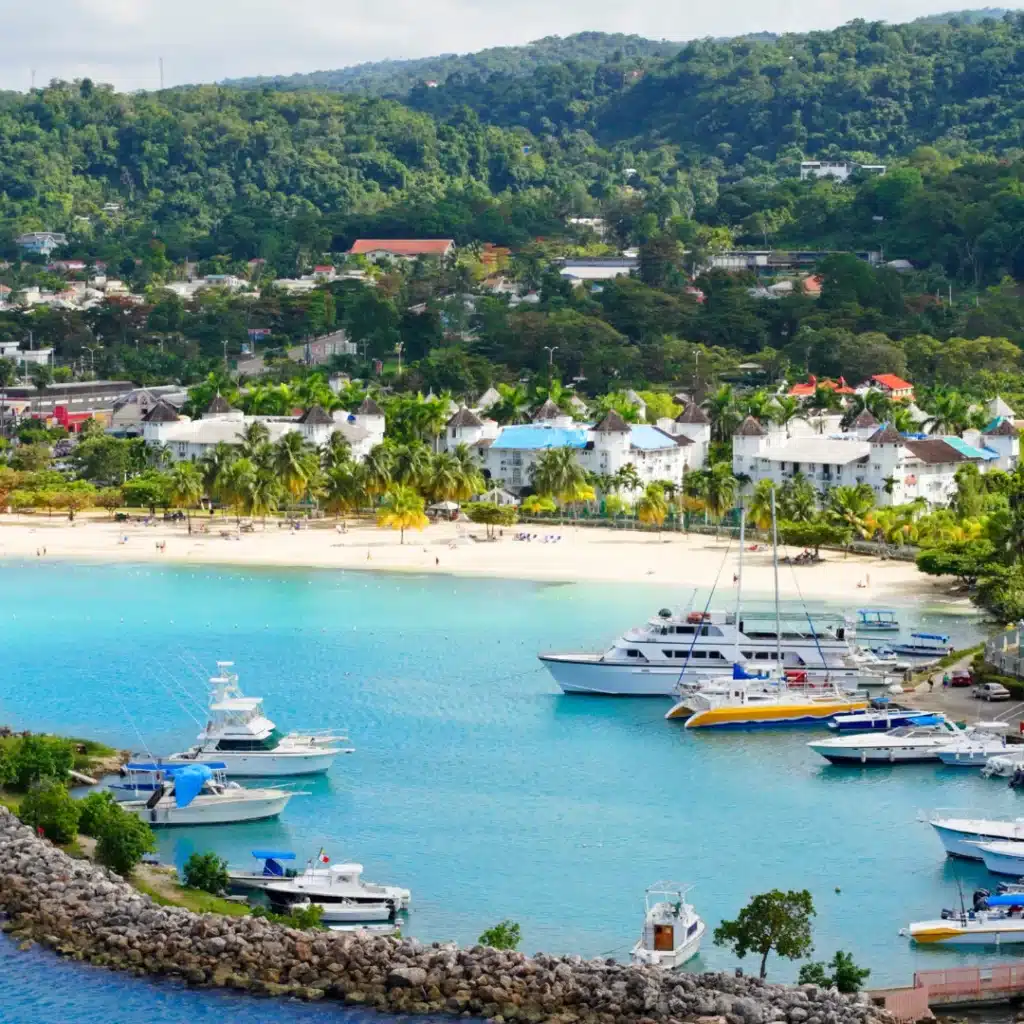
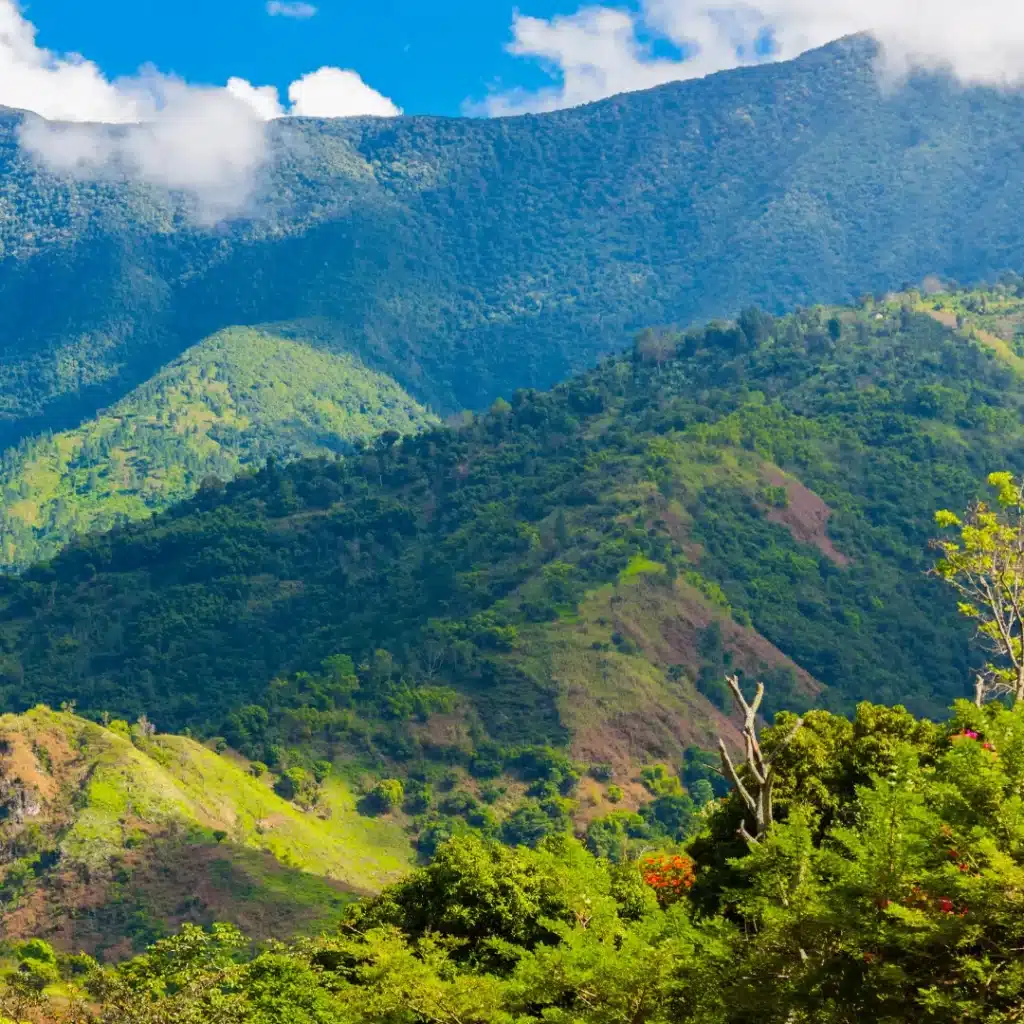
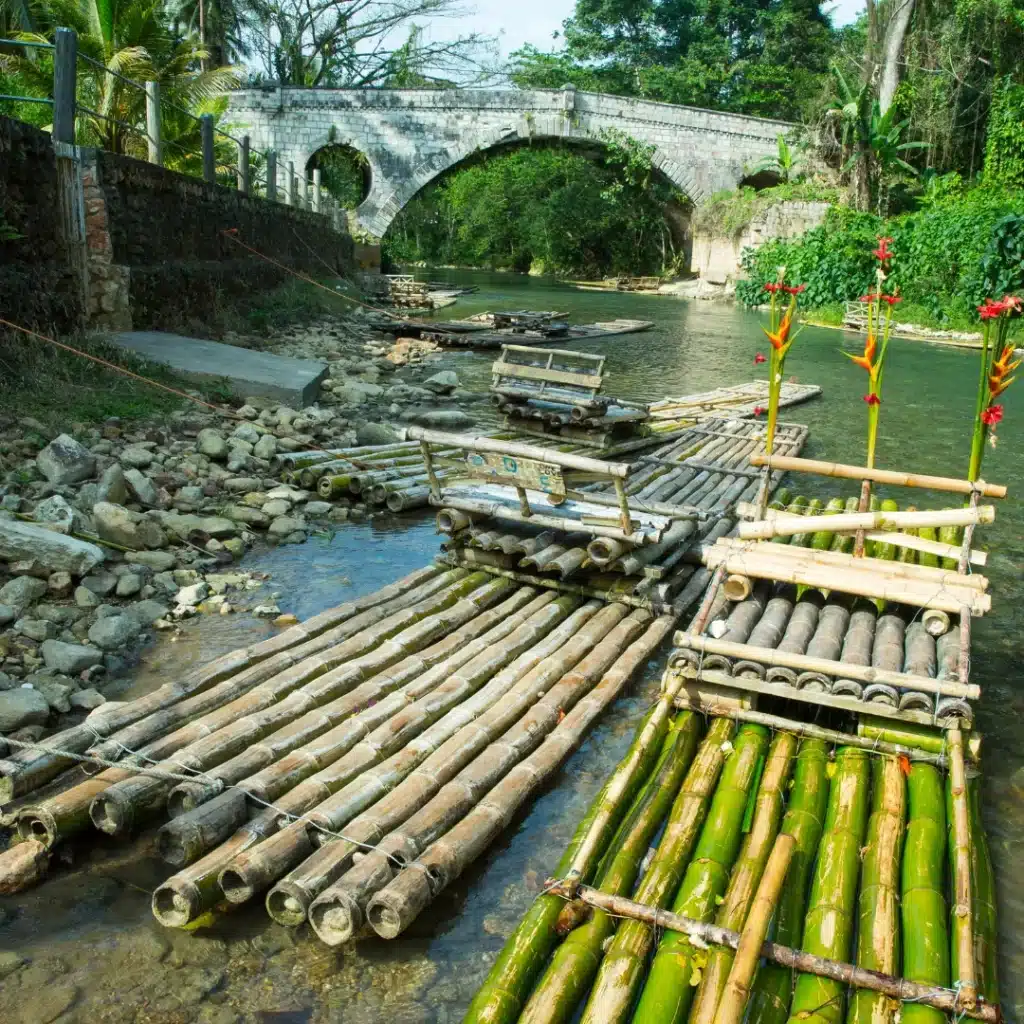
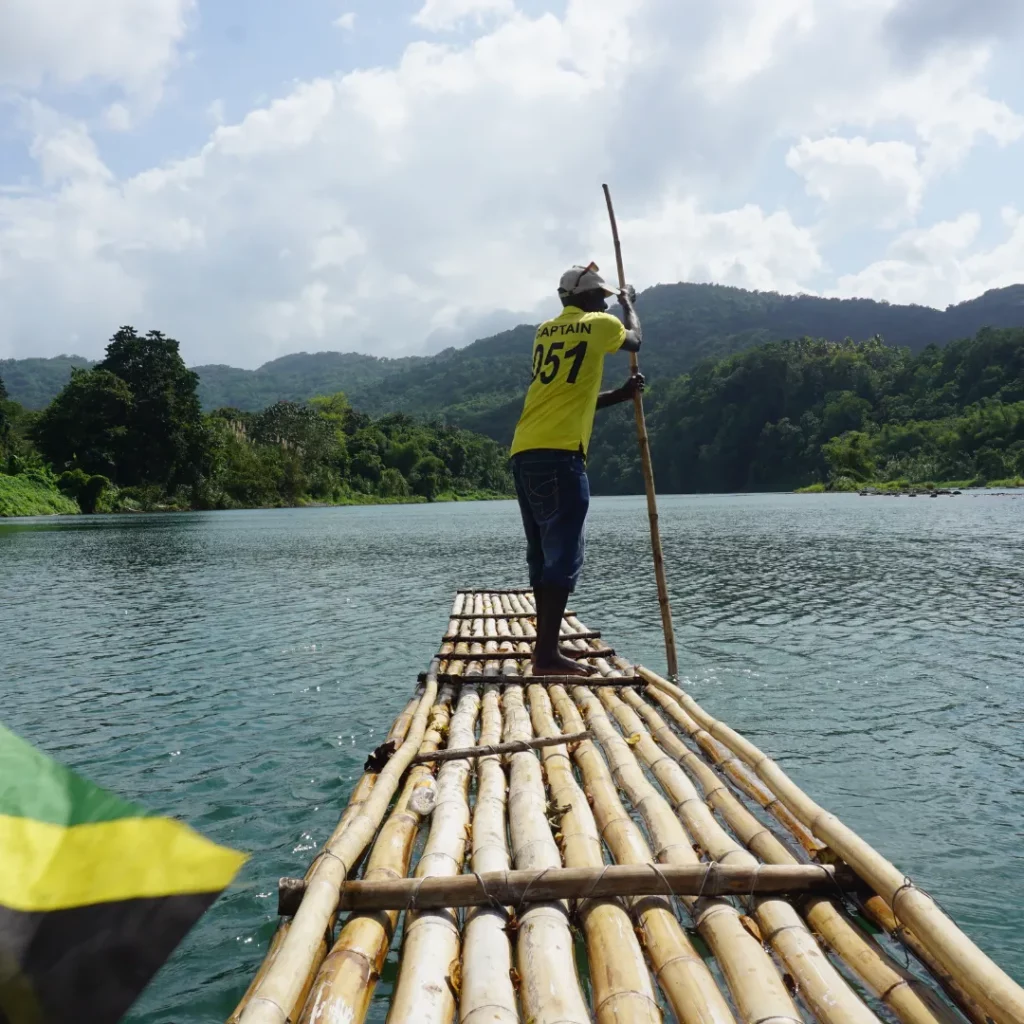
Kingston provides urban density, waterfront areas, historic neighborhoods, and modern business districts. Montego Bay and the northern coast deliver resort environments, beaches, and controlled hospitality settings. Interior regions such as the Blue Mountains introduce mist-covered ridgelines, waterfalls, and lush vegetation.
Visual environments include:
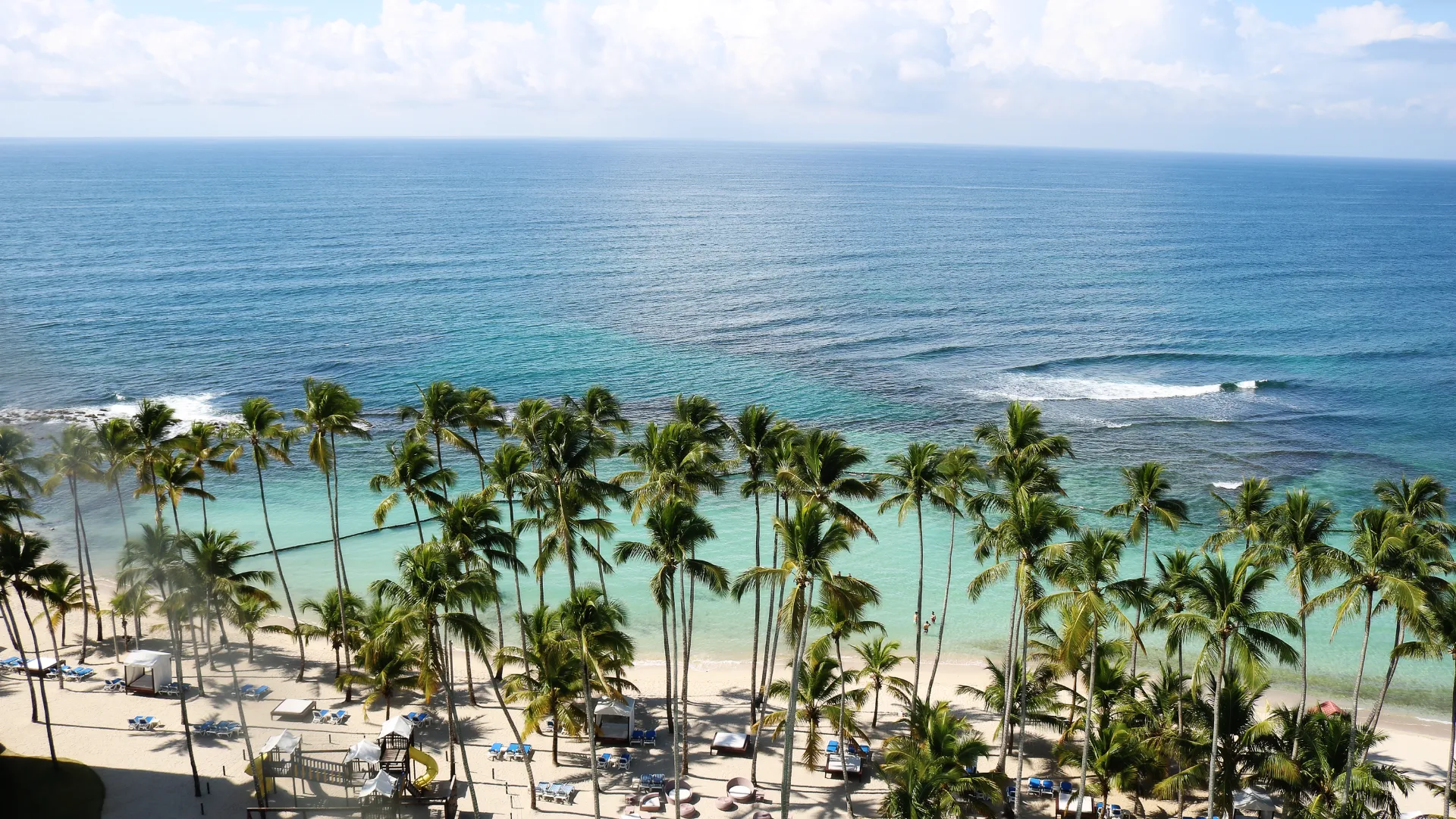
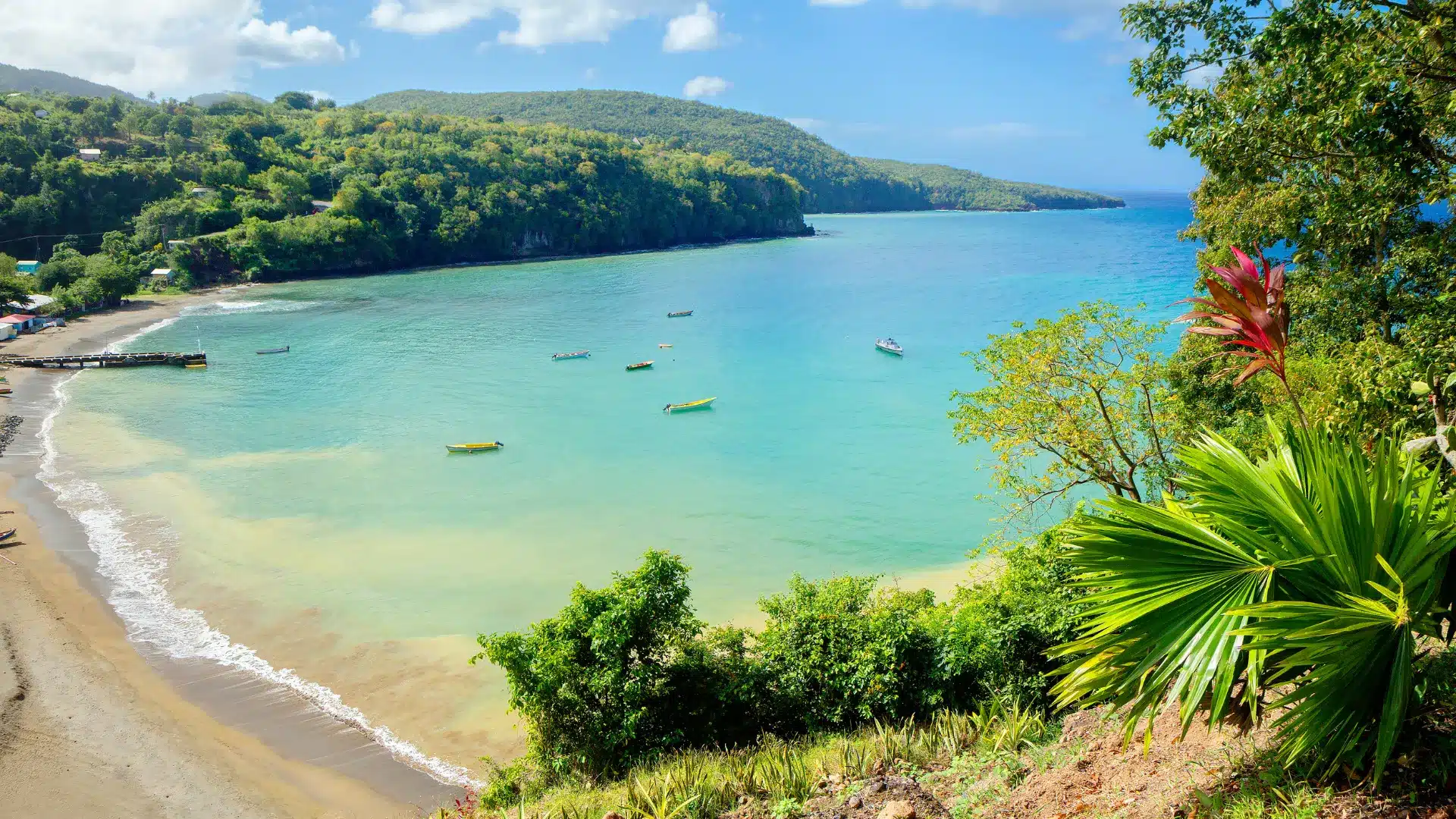
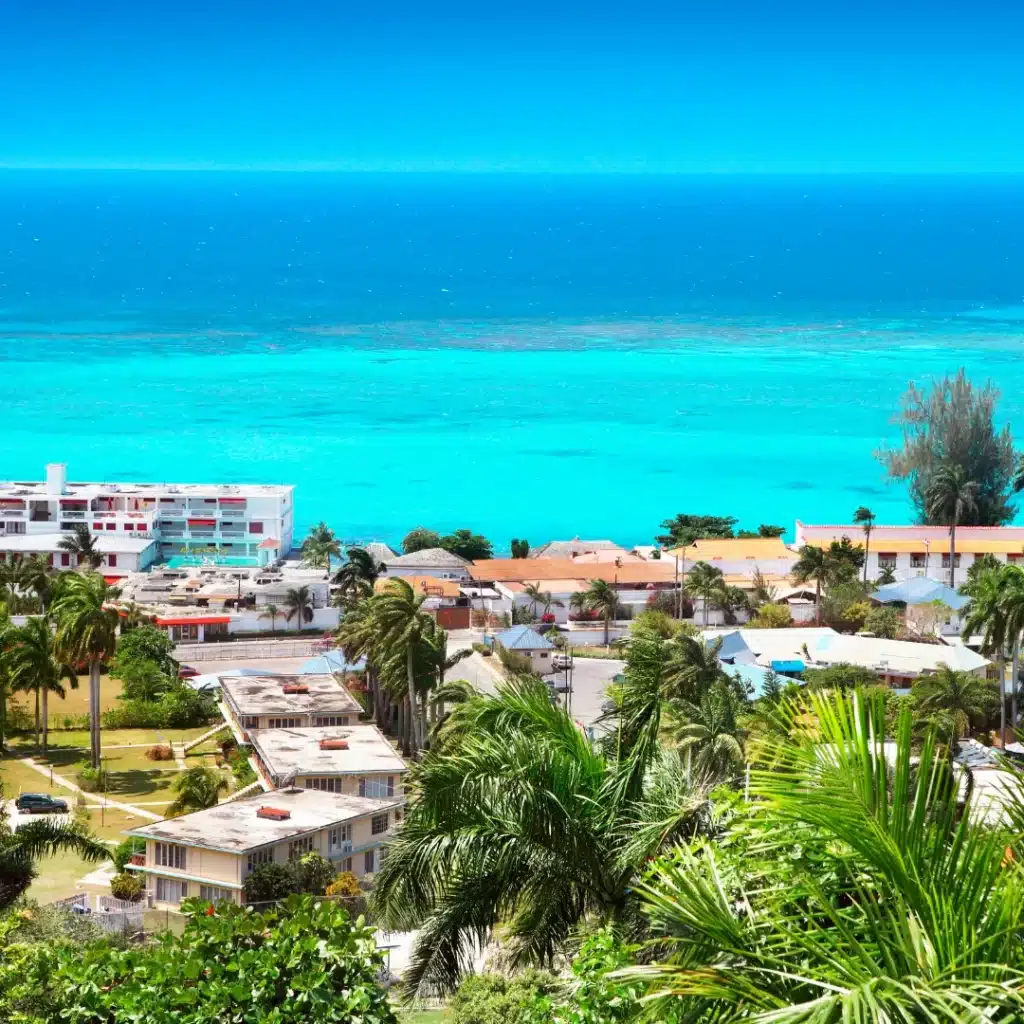
- Tropical beaches and turquoise waters
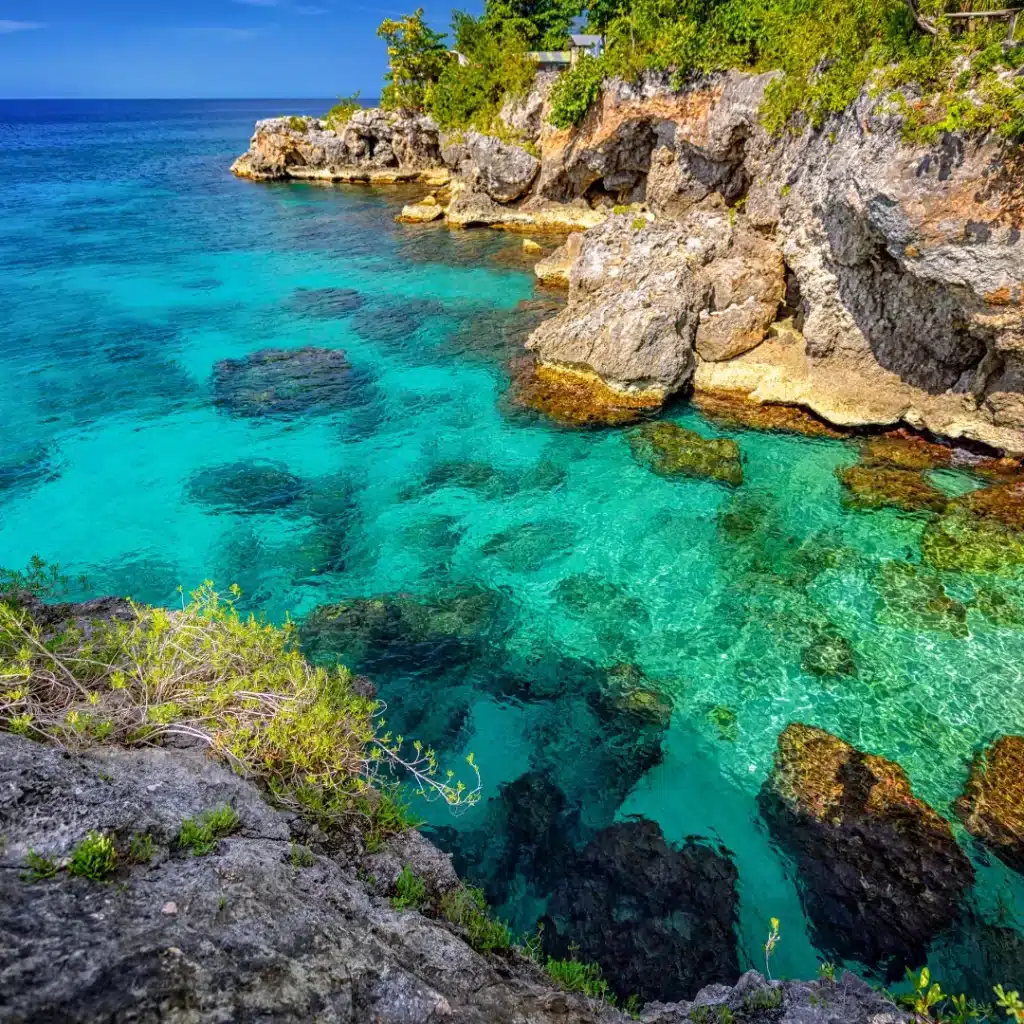
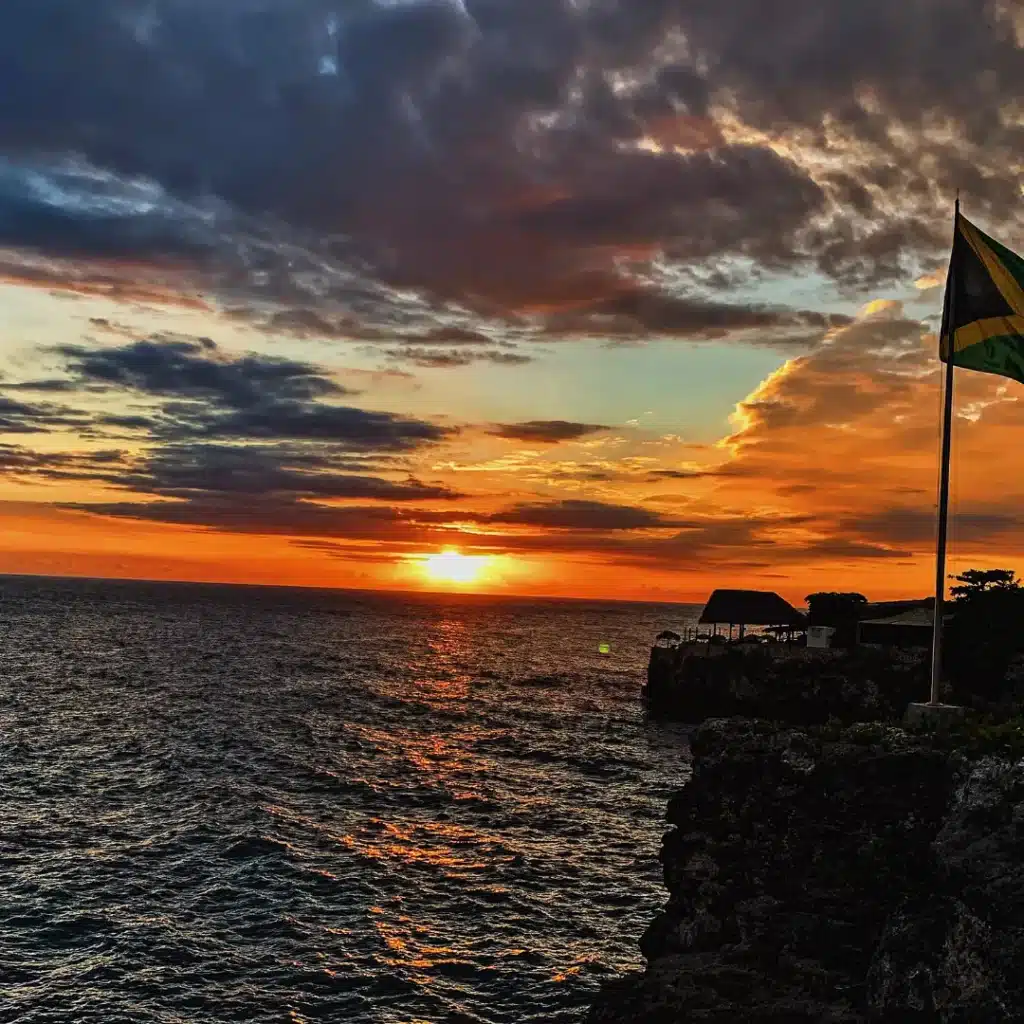
- Rocky coastal cliffs
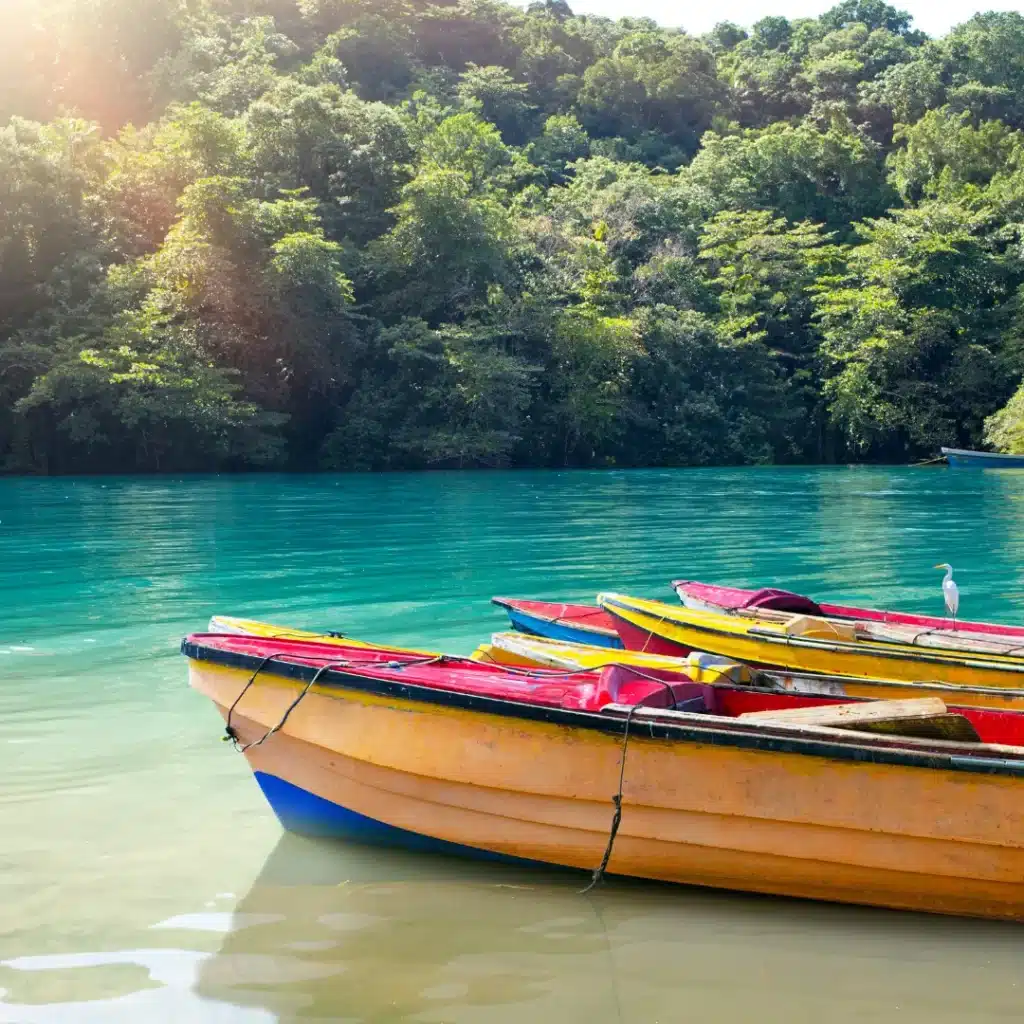
- Rainforest interiors
- Mountain ridgelines
- Colonial-era architecture
- Urban street environments
The island’s English-speaking workforce simplifies communication for international crews. Road networks connect major filming regions efficiently, allowing structured location transitions.
Jamaica’s cultural identity also adds depth to visual storytelling. Music heritage, local architecture, and community settings provide authentic narrative texture.
Production Support Jamaica
Delivering effective Production Support Jamaica requires coordination across the national film commission, customs authorities, municipal offices, private landowners, and resort operators.
Our approach integrates incentive planning, permitting compliance, and logistical sequencing.
Pre-Production
Preparation establishes both financial and operational clarity.
- Location research across parishes
- Technical recces and feasibility studies
- Incentive eligibility assessment
- Permit application coordination
- Customs documentation preparation
- Drone authorization planning
- Budget forecasting aligned with rebate structures
Incentive frameworks require structured registration and reporting. Early engagement with authorities strengthens financial predictability.
Production
Principal photography benefits from experienced local crews and manageable travel distances.
- Local crew sourcing and department coordination
- Equipment rental and freight management
- Government liaison oversight
- Traffic management planning
- Marine filming coordination
- On-site production supervision
Urban filming in Kingston may require municipal approvals for public space use. Coastal and resort environments require alignment with private property management.
Post & Wrap
Administrative discipline ensures incentive compliance.
- Incentive reporting documentation
- Payroll reconciliation
- Vendor settlement
- Equipment export coordination
- Permit closure procedures
Structured wrap processes preserve financial recovery and long-term filming relationships.
Film Fixers in Jamaica
Experienced Film Fixers in Jamaica understand the importance of balancing creative production demands with local regulatory procedures and community engagement.
Productions may coordinate with national authorities, parish-level offices, private landowners, and tourism stakeholders. Local coordinators support transparent budgeting, realistic scheduling, and efficient permit navigation.
Clear documentation and early dialogue reduce administrative friction. In culturally rich environments, respectful engagement strengthens operational stability and collaboration.
Filming Regulations & Permits
Filming in Jamaica generally requires authorization through national film authorities and, depending on location, municipal approvals. Public space filming, traffic control, and drone operations require formal clearance.
Drone use is regulated and subject to aviation authority guidelines. Equipment imports are managed through customs procedures aligned with temporary import frameworks.
Productions seeking incentive benefits must comply with structured reporting requirements.
Early regulatory planning supports timeline stability.
Incentives & Tax Rebate Framework
Jamaica maintains competitive incentive programs designed to attract international productions. Qualifying productions may receive rebates on eligible local expenditure, subject to minimum spend thresholds and documentation compliance.
Incentive planning requires:
- Formal project registration
- Defined qualifying spend categories
- Local payroll documentation
- Structured expense tracking
Integrating rebate planning into early budgeting conversations strengthens financial efficiency and ensures eligibility alignment.
Accurate accounting and audit-ready documentation protect incentive recovery timelines.
Coastal & Marine Production Considerations
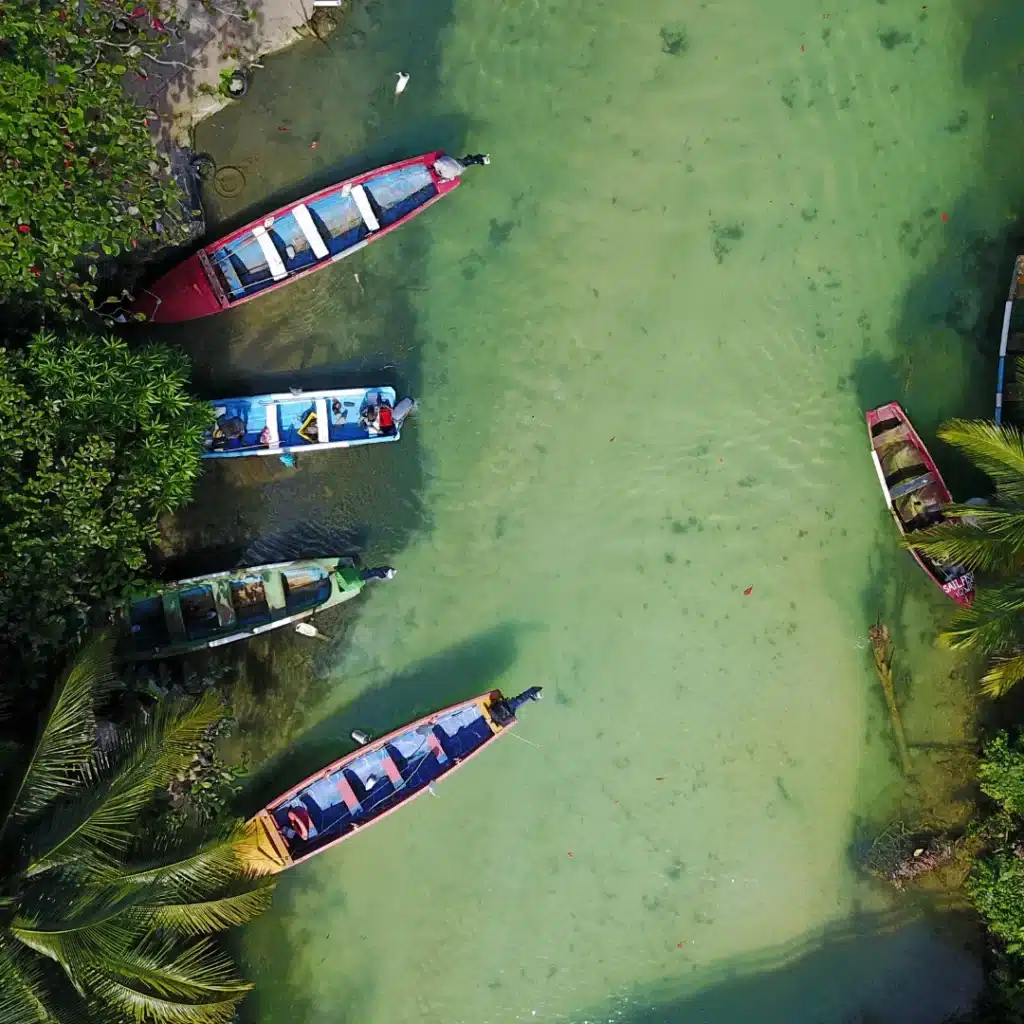
Jamaica’s coastline is central to many productions. Marine filming requires vessel coordination, safety planning, and weather monitoring.
Considerations may include:
- Licensed vessel hire
- Tidal scheduling
- Coral reef protection standards
- Hurricane season contingency planning
- Water safety supervision
Coastal wind patterns and seasonal storm activity should be integrated into scheduling frameworks. Advance marine planning protects both equipment and crew.
Mountain & Interior Terrain Operations
The Blue Mountains and inland rainforest regions provide dramatic natural backdrops. Terrain elevation changes require vehicle suitability assessment and route planning.
Humidity and rainfall may influence equipment handling and storage. Structured terrain safety planning protects crew welfare during waterfall and forest-based shoots.
Early technical recces ensure feasibility alignment with creative objectives.
Urban Infrastructure & Cultural Settings
Kingston offers dense urban visuals suitable for contemporary narratives. Street filming may require traffic coordination and municipal engagement.
Historic towns and colonial architecture provide period-production potential. Controlled filming in heritage areas may require preservation alignment.
Cultural authenticity is often central to projects in Jamaica. Productions that engage respectfully with local communities strengthen long-term collaboration.
Climate & Seasonal Planning
Jamaica maintains a tropical climate with distinct hurricane season considerations. Rainfall variability and storm monitoring should be integrated into insurance planning and scheduling frameworks.
Peak tourism periods may influence accommodation capacity, particularly in resort regions.
Building seasonal awareness into pre-production strengthens schedule resilience.
Infrastructure & Technical Capacity
Jamaica maintains a capable local crew base across camera, lighting, grip, art department, and production management roles. International productions often integrate visiting department heads with locally sourced teams.
Equipment rental availability supports a wide range of commercial and narrative formats. Larger or specialized equipment packages may require advance freight coordination.
Establishing centralized production bases simplifies daily operations and strengthens oversight.
Health, Safety & Operational Control
Structured safety frameworks protect production continuity.
Risk planning should address:
- Heat and humidity exposure
- Marine safety
- Traffic management
- Equipment security
- Emergency response coordination
Clear communication systems and defined reporting lines maintain operational stability throughout principal photography.
Music-Driven Production & Cultural Integration
Jamaica’s global identity is closely tied to its music culture, making the island particularly attractive for productions incorporating live performance, music-driven narratives, or culturally rooted storytelling. Filming music content often requires coordination with performance venues, event spaces, or outdoor festival-style environments.
Productions working with live sound or performance elements should account for venue licensing, amplified sound regulations, and neighborhood impact considerations. Advance engagement with venue operators and municipal authorities supports smoother execution, particularly in dense urban districts.
Street-based performance filming may require structured crowd management planning and clear safety oversight. Coordinating security teams and defined perimeter zones protects both crew and public welfare.
Beyond music production, cultural authenticity often enhances commercial and narrative storytelling in Jamaica. Productions that consult local creative professionals during development stages can ensure respectful representation and contextual accuracy. This approach strengthens both creative credibility and local collaboration.
Extended-Stay Production & Accommodation Planning
Medium to long-term productions benefit from early accommodation block reservations, particularly during peak tourism seasons along the northern coast. Resort environments may provide integrated housing, catering, and staging facilities, which simplify daily logistics for larger crews.
Urban basecamp setups in Kingston can centralize production offices, equipment storage, and departmental coordination. Controlled staging areas reduce daily transport exposure and streamline call times.
Vehicle fleet planning should consider terrain differences between coastal highways and interior mountain routes. Securing appropriate transport capacity in advance prevents scheduling delays during location transitions.
Weather Monitoring & Hurricane Contingency Planning
While Jamaica maintains favorable filming conditions year-round, hurricane season planning remains essential for productions scheduled between June and November. Insurance policies should reflect regional storm considerations, and contingency days should be integrated into shooting calendars.
Weather monitoring systems and structured communication channels enable rapid response adjustments if tropical systems develop. Coastal filming plans may require flexible sequencing to accommodate wind and sea state variability.
Interior mountain regions may experience localized rainfall patterns independent of coastal forecasts. Building weather resilience into call sheet design strengthens operational stability.
Regional Hub Advantage Within the Caribbean
Jamaica’s air connectivity and port infrastructure position it as a practical regional hub for Caribbean-based productions. International freight movement is manageable through established customs procedures, and regional flight connections support talent and crew mobility.
Productions operating across multiple Caribbean territories may centralize administrative operations in Jamaica while accessing additional locations as required. This hub model supports consolidated logistics, experienced local crews, and incentive alignment within a single jurisdiction.
By combining cultural production capability, structured weather planning, accommodation strategy, and regional connectivity, Jamaica supports projects ranging from boutique creative campaigns to multi-week studio-backed productions with operational control and financial clarity.
Film Production Services in Jamaica
Productions operating in Jamaica benefit from integrating incentive alignment, municipal coordination, and coastal logistics into early planning phases. The island’s compact geography allows efficient sequencing when structured correctly.
Transparent budgeting, disciplined documentation, and respectful community engagement reduce administrative delays and operational friction.
When creative ambition aligns with realistic location planning and financial strategy, Jamaica offers strong Caribbean production value within a stable and accessible framework.
Frequently Asked Questions
Do I need a permit to film in Jamaica?
Most professional productions require authorization from national film authorities and, depending on location, municipal approvals.
Are incentives available?
Yes. Jamaica offers rebate programs subject to eligibility requirements and structured documentation.
Can drone filming be approved?
Drone operations require authorization under national aviation regulations.
Is the island suitable for large-scale productions?
Yes. Jamaica supports commercial campaigns, series work, and feature projects with experienced local crews.
Are international crews allowed to operate locally?
International crews typically collaborate with locally registered production partners who facilitate compliance and coordination.
Plan Your Production
From mountain ridgelines and rainforest interiors to urban streets and Caribbean coastlines, filming in Jamaica offers dynamic visual range supported by structured planning and incentive alignment.
If you are preparing a project in Jamaica, our team can build a compliant, efficient production framework aligned with regulatory standards and financial objectives.
Climate: Best Time to Film in Jamaica
Tropical, with two distinct seasons. The dry season runs from December to April and is the most reliable window for exterior filming — lower rainfall, consistent light, calmer sea conditions and lower humidity. The wet season runs from May to November, with the heaviest rain typically in May–June and September–October. Hurricane season peaks August to October. Productions with significant exterior, drone or marine content should prioritise the dry season. Blue Mountains shoots should always build in weather contingency regardless of season — cloud and mist can close in rapidly at elevation.
GETTING AROUND / PRODUCTION LOGISTICS
Production Logistics and Getting Around Jamaica Jamaica has two main international airports: Norman Manley International (KIN) serving Kingston, and Sangster International (MBJ) serving Montego Bay. Most productions arriving for north coast shoots (Ocho Rios, Negril, Runaway Bay) route through MBJ. Kingston-based or interior shoots typically route through KIN. For productions covering multiple regions, MBJ is often the better staging hub — it has better freight infrastructure and more rental vehicle availability.
Road travel between regions is manageable but should not be underestimated. The north coast highway from Montego Bay to Ocho Rios runs approximately 90 minutes in good conditions. Kingston to Port Antonio takes 2–2.5 hours. The interior routes via the Blue Mountains require experienced local drivers — roads are narrow, steep and not suitable for large production vehicles without advance route planning.
Production vehicles, equipment transport and driver hire should be arranged through established local suppliers. Alex, Hoodlum’s Jamaica fixer, has established logistics contacts across all major filming regions.
LOCAL CREW AND EQUIPMENT
Local Crew and Equipment Jamaica has a well-established local production industry, particularly in Kingston and Montego Bay. Camera operators, gaffers, grips, sound recordists, production assistants, hair and makeup and art department crew with international production credits are available. Demand can be high during peak season (January–April), so crew should be confirmed early.
Equipment rental houses operate in Kingston and Montego Bay. Camera packages, lighting and grip are available, though the range is more limited than major production hubs — productions needing specialist lenses, large lighting rigs or niche sound equipment should plan to import. Confirm availability with local suppliers at least four weeks before the shoot.
Film Locations in Jamaica
This guide was prepared by the Hoodlum Film Fixers team using official government resources and consultation with trusted local production partners. Our combined operational experience ensures international producers receive accurate, up-to-date guidance when planning film production in Jamaica.
Useful Links – Jamaica Film Authorities
Jamaica Film Commission
https://www.filmjamaica.com/
Ministry of Culture, Gender, Entertainment and Sport
https://mcges.gov.jm/
Jamaica Civil Aviation Authority
https://jcaa.gov.jm/
Jamaica Customs Agency
https://www.jacustoms.gov.jm/