
















Production support for international shoots across complex island environments.
The Maldives presents a uniquely controlled yet logistically intricate production environment. Our Film Production Services in Maldives are built for international crews requiring structured coordination across remote islands, marine transport systems, and regulated airspace. From pre-production planning to final wrap, we manage the operational framework that allows productions to move efficiently across dispersed locations without compromising schedule or compliance.
Operating across an archipelago introduces variables that do not exist in mainland territories. Every transfer, every staging decision, and every equipment movement must be mapped against marine schedules, weather forecasts, and island access protocols. A structured operational plan is not optional here. It is foundational.
Whether the project involves resort access, open water filming, or multi-island movement, our team ensures each phase is aligned with local regulations and international production standards. Clear documentation, realistic scheduling, and proactive stakeholder engagement are central to maintaining production continuity in an island-based environment.
Why Film in the Maldives
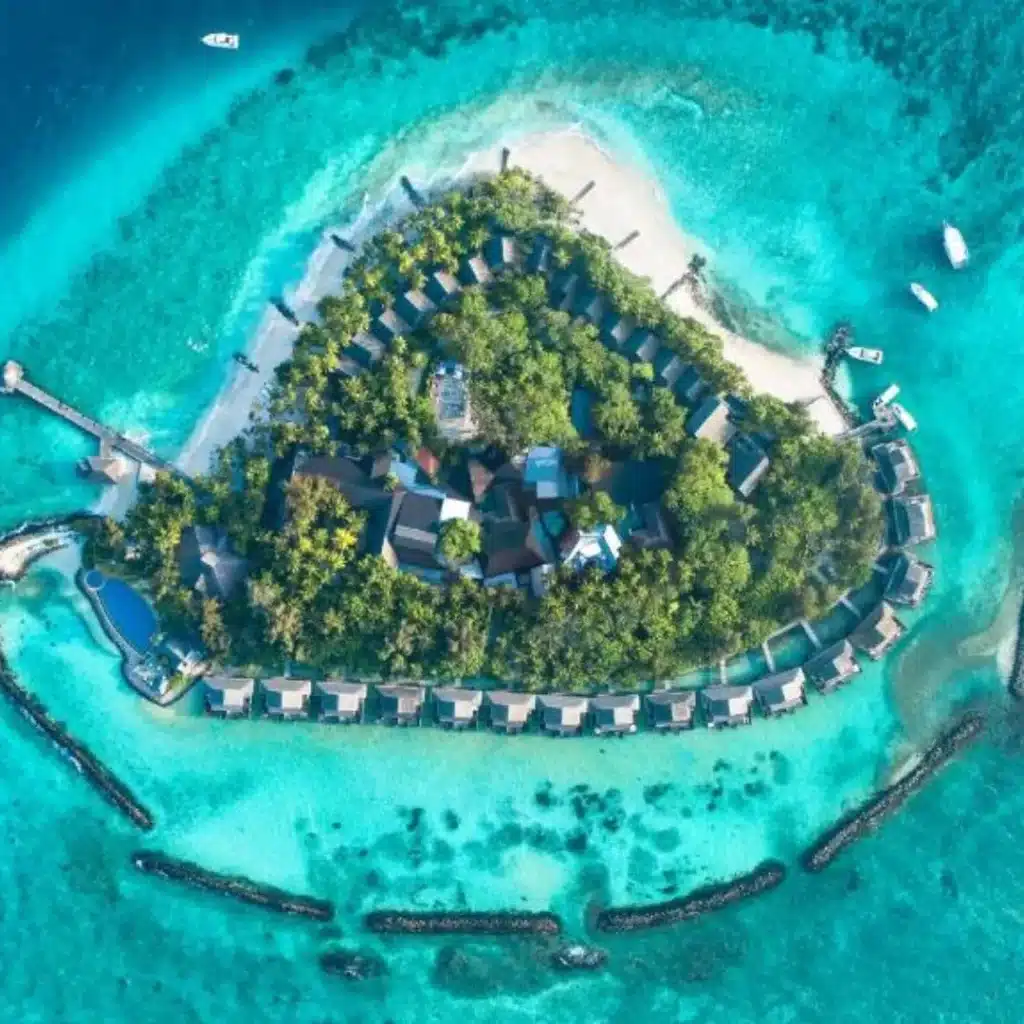
The Maldives offers a rare combination of visual isolation and production accessibility. Spread across hundreds of coral islands, the archipelago provides pristine coastlines, controlled resort environments, expansive lagoons, and open ocean horizons within relatively short travel distances by air or sea.
International connectivity via Malé allows efficient crew entry, while established tourism infrastructure supports accommodation and transport logistics at scale. The country’s island-based layout also allows for highly controlled shooting environments, particularly on privately managed resorts where filming conditions can be structured with minimal external disruption.
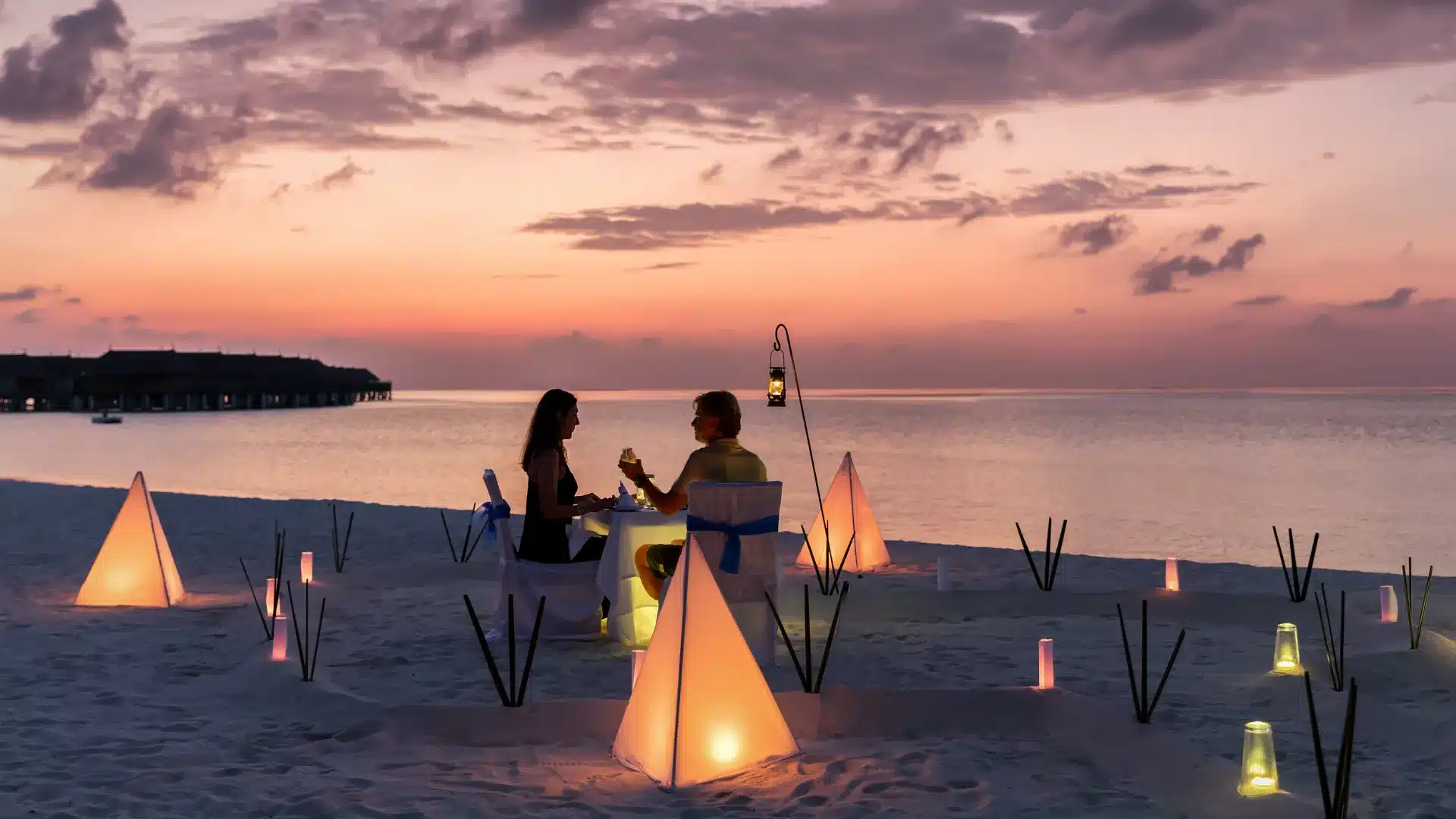
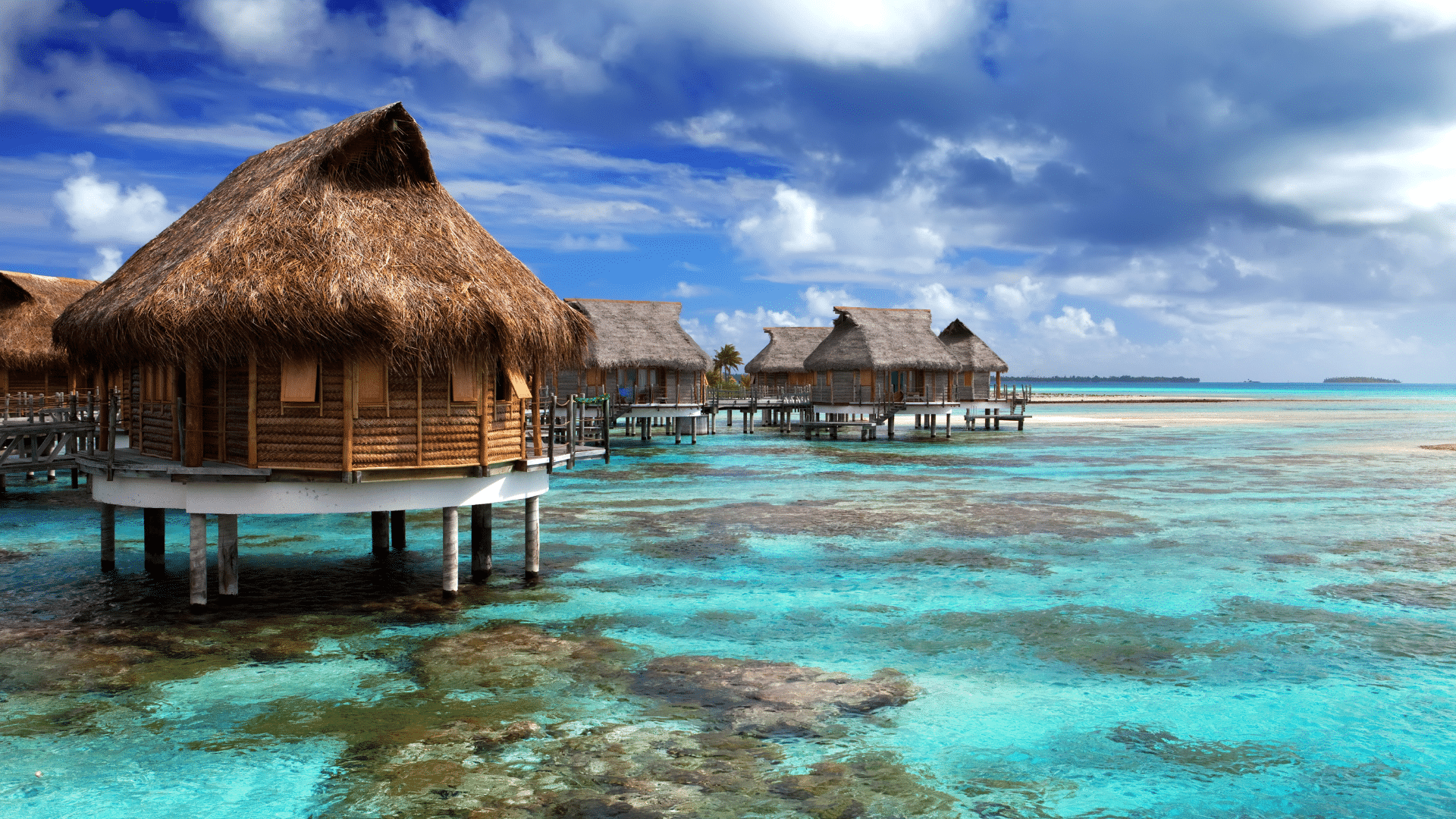
Visually, the range extends beyond white sand and turquoise water. Productions can access sandbanks, dense palm landscapes, wooden jetties, overwater villas, marine conservation zones, and open ocean expanses. Lighting conditions are consistent, horizons are unobstructed, and aerial cinematography can achieve dramatic scale when aligned with regulatory frameworks.
From commercial campaigns to long-form productions, the region supports visually distinctive work where marine landscapes, aerial perspectives, and controlled luxury settings are central to the creative vision. With structured coordination, complex island geography becomes an advantage rather than a constraint.
Production Support Maldives
Delivering effective Production Support Maldives requires structured coordination across land, sea, and air. Our approach is operationally focused, ensuring production timelines align with geographic realities and environmental protections.
Island environments demand early sequencing. Crew arrival, equipment clearance, marine transfers, and accommodation blocks must align precisely to prevent scheduling bottlenecks.
Pre-Production
Thorough preparation is the foundation of efficient island filming.
- Location research and technical recces
- Budget planning and cost forecasting
- Permit applications and compliance preparation
- Marine access coordination
- Drone approval planning
- Resort agreement negotiations
- Environmental impact alignment
Pre-production often includes evaluating tide patterns, seasonal wind shifts, and vessel capacity limitations. Early authority engagement reduces last-minute approval risk and supports realistic call sheet design.
Production
During principal photography, coordination precision becomes critical.
- Local crew sourcing and coordination
- Equipment logistics and freight management
- Government liaison and regulatory oversight
- Aviation and marine scheduling
- On-site production management
- Stakeholder communication across islands
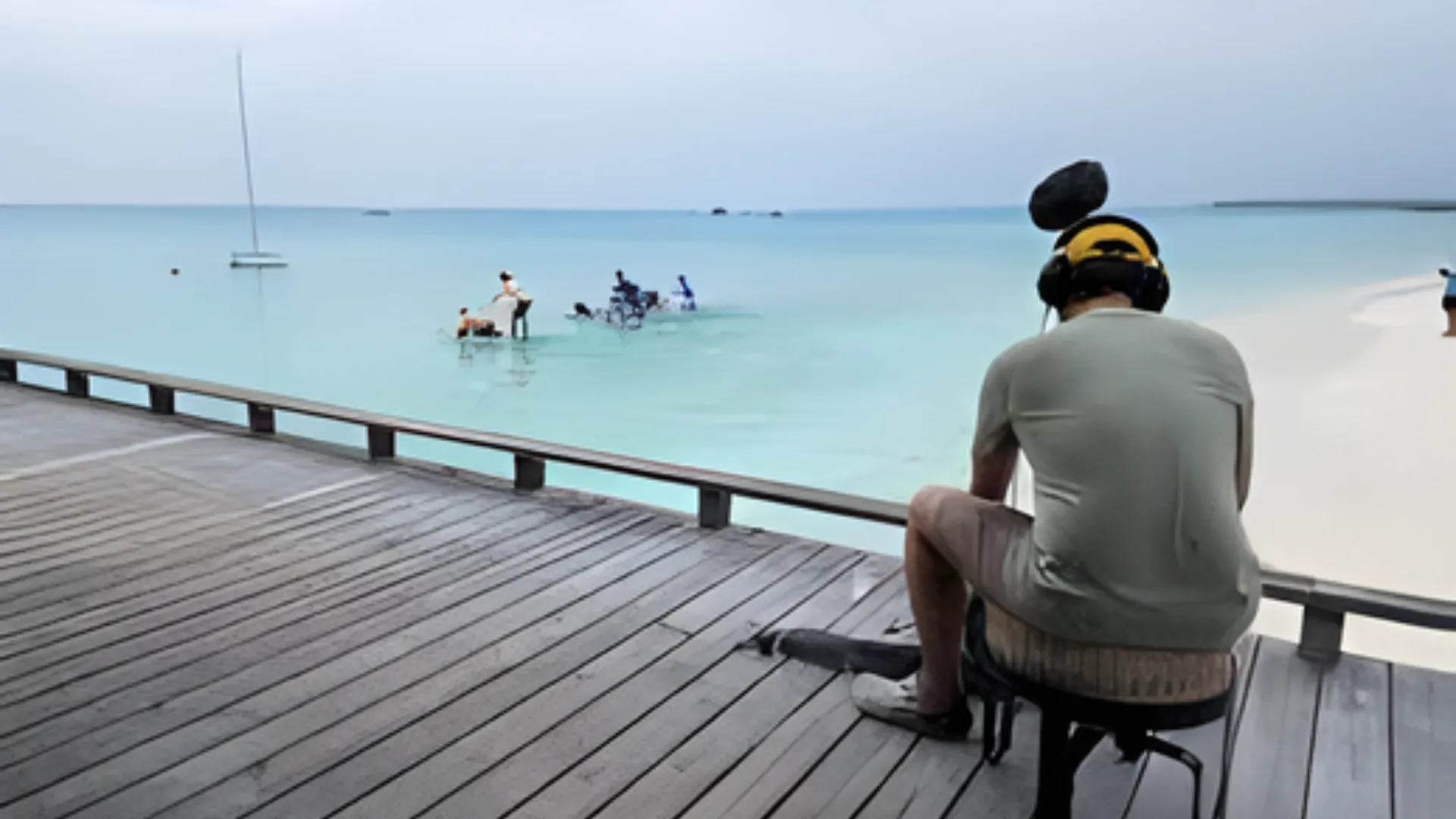
Daily operations may involve synchronized boat transfers, scheduled seaplane windows, and location changeovers influenced by marine traffic patterns. Structured communication between departments ensures safe and efficient movement across water-based locations.
Post & Wrap
Closing procedures in island environments require administrative clarity.
- Equipment customs clearance
- Payroll and vendor reconciliation
- Final compliance documentation
- Exit logistics coordination
- Property restoration sign-off
Each stage is structured to anticipate island-specific constraints such as vessel availability, weather windows, accommodation limits, and environmental compliance requirements.
Film Fixers in Maldives
Experienced Film Fixers in Maldives understand that island production operates differently from mainland environments. Local expertise is essential when coordinating between resort operators, marine transport providers, aviation authorities, customs officials, and environmental regulators.
Resort islands operate under independent management systems. Filming approvals often require direct engagement with property stakeholders in addition to national compliance procedures. Understanding internal resort logistics, dock access timing, guest movement protocols, and operational sensitivities significantly improves planning accuracy.
Our network of island-based coordinators and trusted service partners enables efficient permit handling, realistic scheduling, and seamless communication between international production teams and local stakeholders. This familiarity with regional protocols reduces risk while maintaining flexibility across multi-location shoots.
Clear communication and advance documentation are not just best practice. They are operational necessities in a dispersed island environment.
Filming Regulations & Permits
Filming in the Maldives requires formal approvals depending on location type, drone usage, and marine activity. Productions typically require coordination with national authorities overseeing media, aviation, maritime, and environmental compliance.
Drone operations are regulated and subject to approval prior to deployment. Flight zones, altitude limits, and proximity to inhabited areas influence authorization. Early submission of equipment specifications and intended flight plans supports smoother processing.
Marine filming, including vessel-based production activity, must align with maritime guidelines. Notifications may be required when operating in protected marine areas or near designated conservation zones.
Equipment imports are managed through structured customs procedures. Temporary import documentation, equipment manifests, and insurance validation should be prepared in advance to prevent clearance delays.
Our role is to ensure all regulatory requirements are addressed before principal photography begins, minimizing disruption during production and preserving schedule continuity.
Island Production Logistics
Island production logistics demand precise coordination. Inter-island movement relies on seaplanes, speedboats, or charter vessels, each operating on specific schedules, capacity limits, and weather-dependent conditions.
Equipment transport must be carefully timed to avoid delays caused by weather shifts or marine scheduling constraints. Staggered freight planning often prevents bottlenecks when filming across multiple islands.
Power supply, crew accommodation, and catering logistics vary depending on whether filming occurs on a resort island, local island, or open water. Resort islands typically provide integrated infrastructure, while remote sandbanks or marine locations require self-contained operational planning.
Environmental considerations also influence production planning. Sensitive reef ecosystems and protected marine zones require careful operational design to ensure compliance with national sustainability policies. Anchoring restrictions, waste management protocols, and marine safety standards must be integrated into the production plan.
A structured logistical strategy ensures creative objectives are met without compromising operational control or environmental responsibility.
Marine & Underwater Production Considerations
Ocean-based filming introduces additional operational layers. Licensed vessels, dive safety coordination, underwater camera systems, and marine weather forecasting must be integrated well before shoot dates.
Underwater filming requires alignment between camera teams, dive supervisors, and marine operators. Safety briefings, equipment redundancy planning, and controlled entry and exit points support both crew welfare and equipment protection.
Surface filming on open water may require vessel stabilization strategies, marine traffic awareness, and contingency scheduling for wind shifts. These variables influence call times, lighting setups, and equipment handling procedures.
Advance marine coordination protects both production integrity and environmental compliance.
Strategic Production Planning Considerations
Productions operating across island environments require a different level of pre-planning compared to mainland shoots. Scheduling must account for marine transport availability, weather variability, aircraft capacity, and location access windows that may shift depending on tides or resort occupancy levels. These variables influence everything from crew call times to equipment staging and contingency planning.
Effective coordination begins with realistic timelines. Inter-island transfers, even over short distances, can affect shooting days if not sequenced properly. Equipment staging zones must be identified in advance, particularly on smaller islands with limited dock space or storage capacity.
Technical requirements such as underwater filming, aerial coverage, or vessel-based camera platforms introduce additional compliance layers that must be structured well in advance of principal photography. Early technical planning reduces operational friction during shoot days.
Accommodation logistics also play a critical role. Crew size, production footprint, and equipment storage needs vary significantly depending on whether filming takes place on private resort islands, local islands, or open water. Early engagement with property operators and transport providers ensures that production movement remains fluid rather than reactive.
By aligning creative ambition with logistical strategy, productions can fully leverage the visual advantages of the Maldives while maintaining operational control throughout the schedule. Structured planning transforms geographic complexity into production efficiency rather than operational risk.
Frequently Asked Questions
Do I need a permit to film in the Maldives?
Yes. Most professional productions require formal approval, particularly when filming on resort properties, operating drones, or conducting marine-based shoots.
Are international crews allowed to operate locally?
International crews can work in the country, typically in collaboration with locally registered production partners who facilitate compliance and coordination.
Can drone filming be approved?
Drone filming is regulated and requires prior authorization. Approval depends on flight zones, equipment specifications, and operational intent.
Are production incentives available?
Incentive structures may be available depending on project scope and alignment with national objectives. Eligibility and requirements vary.
How complex is transporting equipment between islands?
Equipment movement requires advance scheduling via air or sea transport. Timelines depend on vessel availability, weather conditions, and customs processing requirements.
Plan Your Production
Filming across dispersed island environments requires operational precision. From permits to marine coordination, our team provides structured production support designed for complex coastal and ocean-based shoots.
If you are planning a project in the Maldives, we can help build a compliant, efficient framework from first recce through final wrap.
Maldives Filming Locations
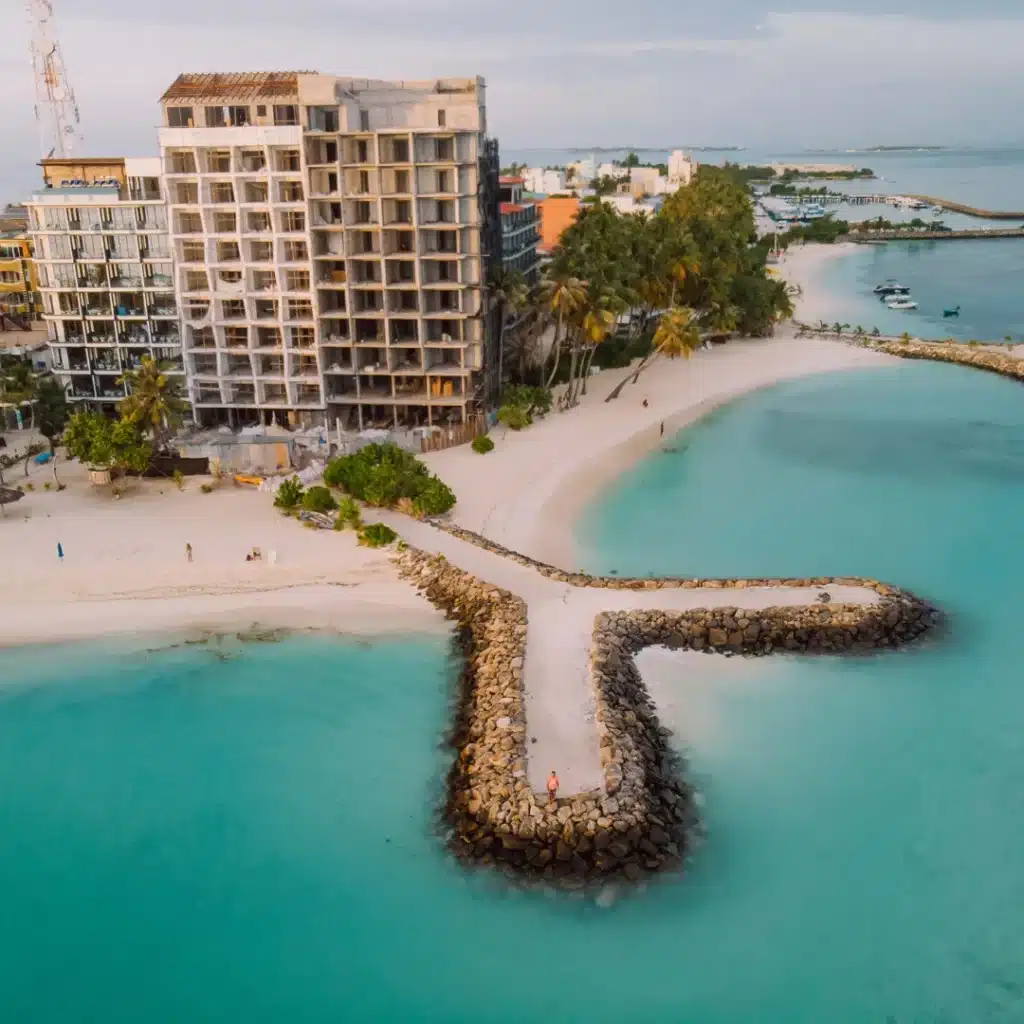
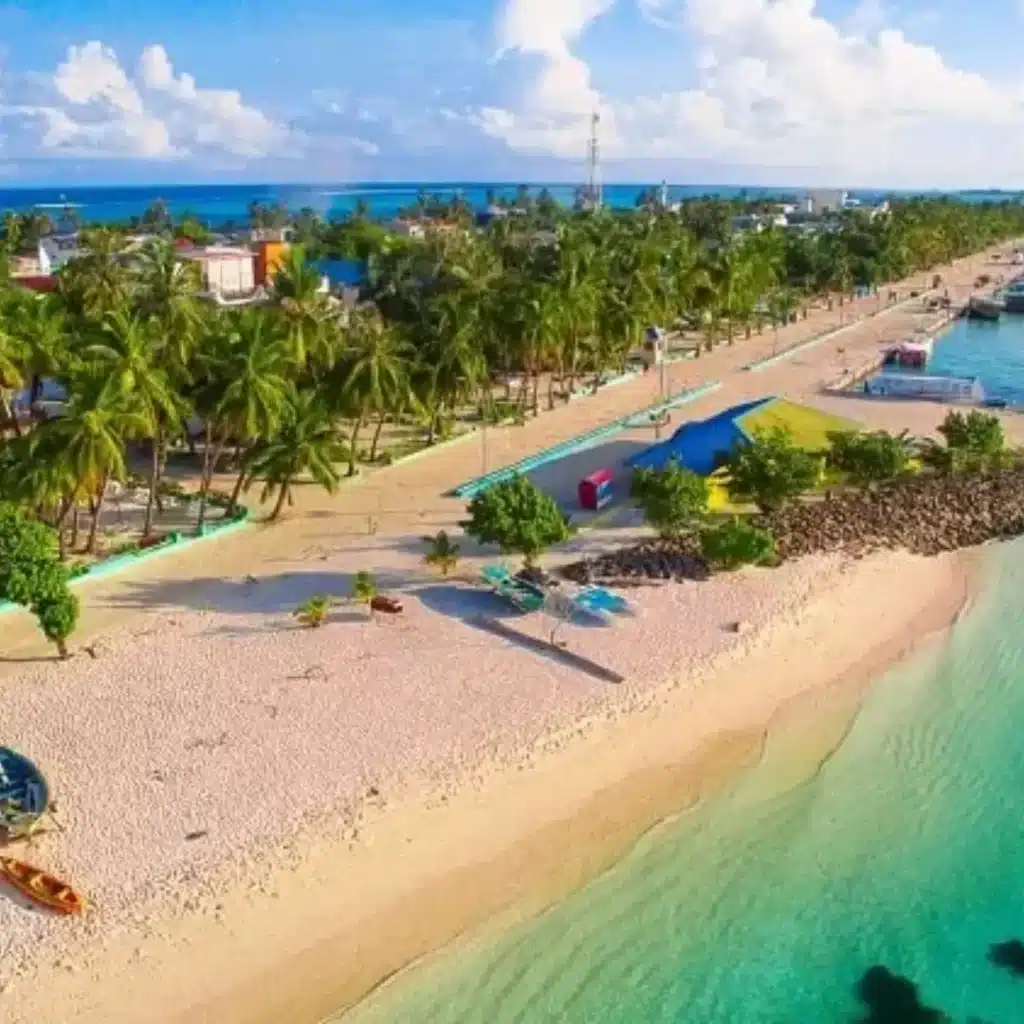
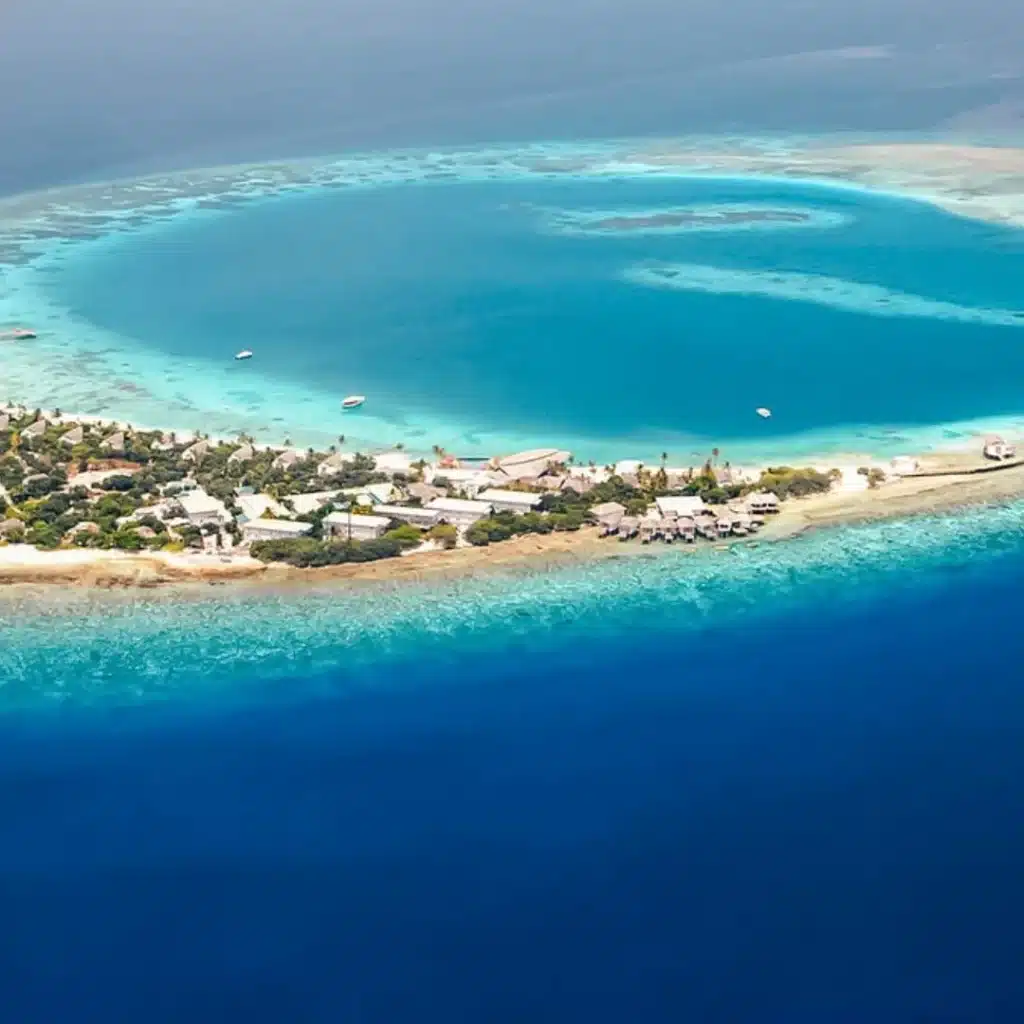
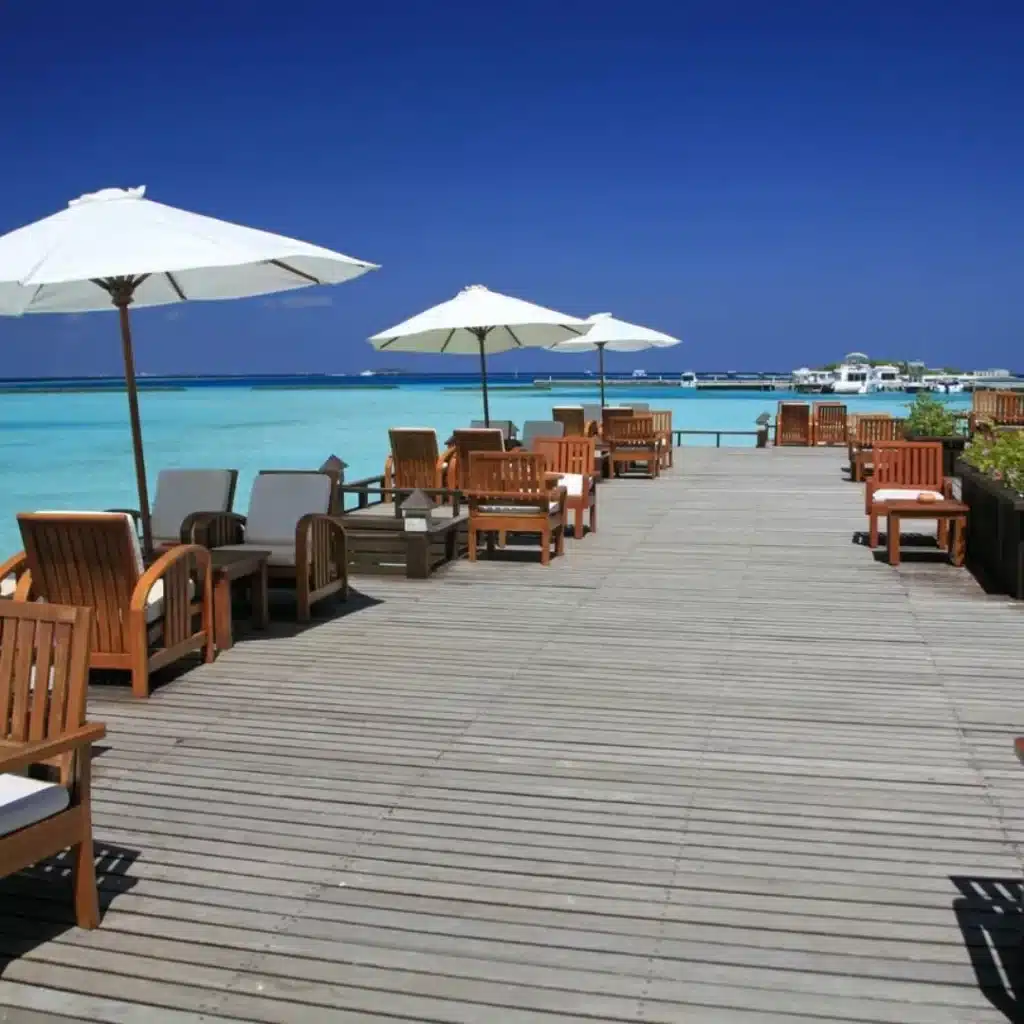
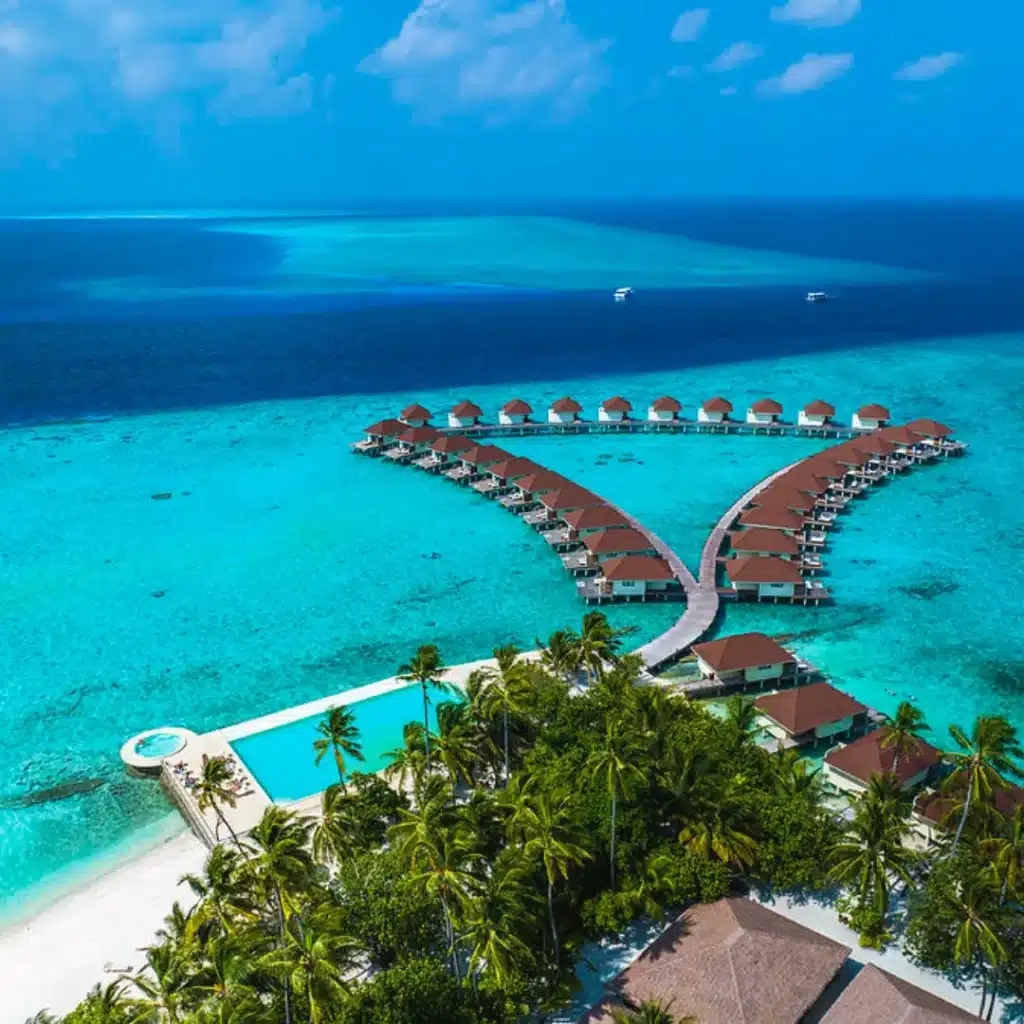
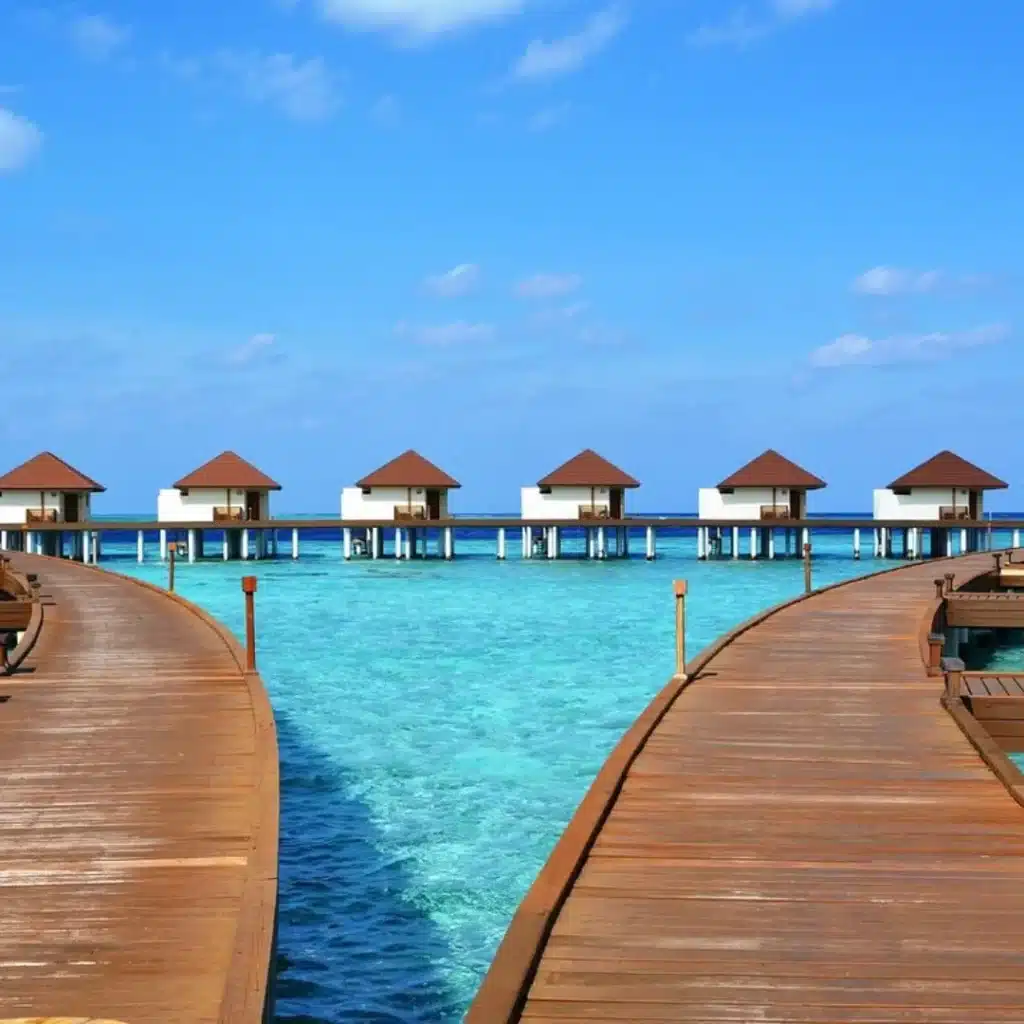
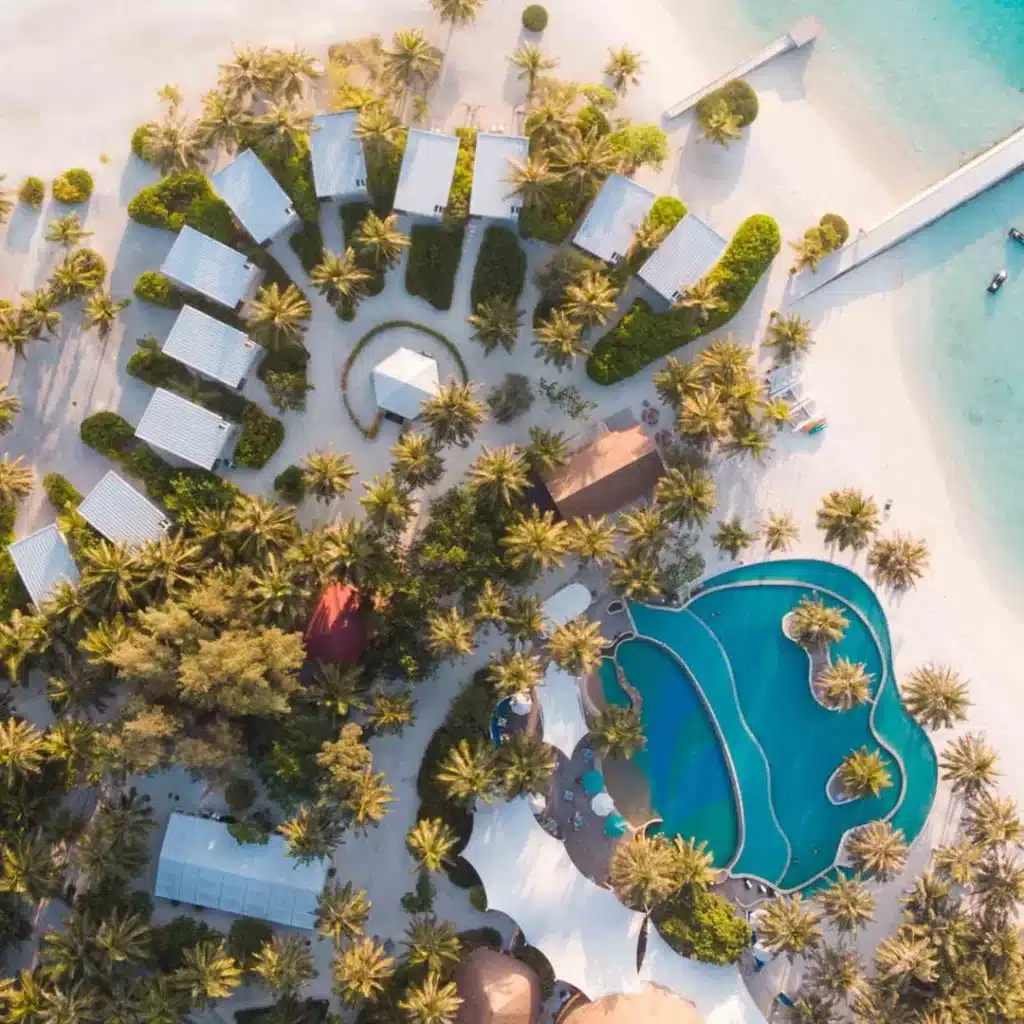
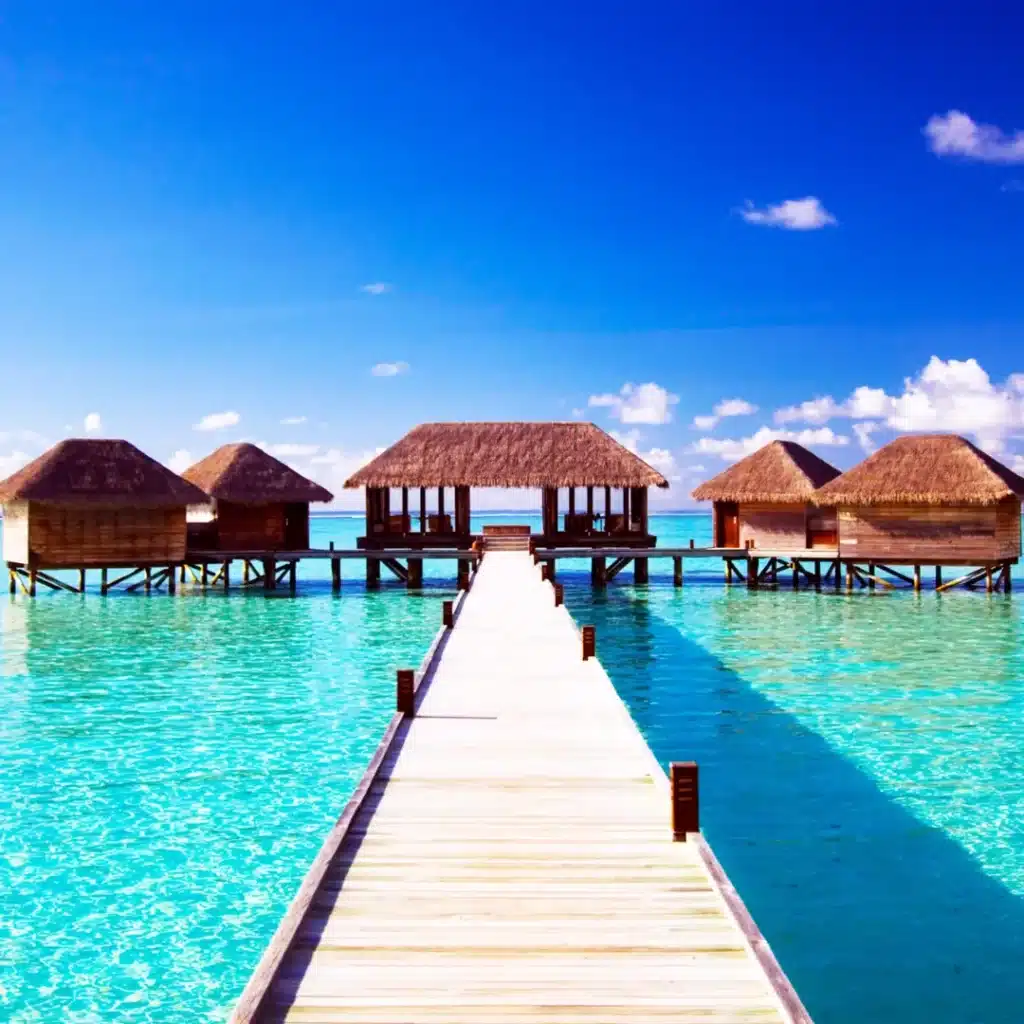

This guide was prepared by the Hoodlum Film Fixers team using information from official Maldives government resources and consultation with trusted local production partners. Our combined operational experience ensures international producers receive accurate, current guidance when planning film production in the Maldives.
Useful Links – Maldives Film Authorities
- Maldives Marketing & Public Relations Corporation (MMPRC)
https://visitmaldives.com/en - Ministry of Youth, Sports and Community Empowerment – Media & Filming Oversight
https://youth.gov.mv/ - Maldives Civil Aviation Authority – Drone & Airspace Regulations
https://www.caa.gov.mv/ - Maldives Customs Service – Equipment Import Guidelines
https://customs.gov.mv/
Everything You Need to Know About Filming in Maldives
Filming in the Maldives operates on a logic that is fundamentally different from any mainland or single-location production environment.
Every decision — crew arrival, equipment clearance, location day planning, drone deployment, inter-island movement — has a marine or aviation dimension that does not exist elsewhere. Seaplane schedules are fixed and weather-dependent. Speedboat transfers require advance booking across island-specific dock protocols. Equipment must move through customs before it can move between islands. And the film permit must be confirmed before the business visa can be applied for — a sequencing dependency that determines the entire pre-production calendar.
Productions that understand this structure from the outset, and plan around it with genuine operational discipline, will find the Maldives delivers a visual environment that is simply unavailable anywhere else in the world. This section consolidates the practical information for productions planning to film here.
The Maldives film permit — NCA process and the visa dependency
The Maldives film permit is issued by the National Centre for Arts (NCA). It is free of charge, though clients may be required to pay application process fees. Processing takes ten working days.
The permit must be confirmed before the business visa application can be submitted. This is the most important sequencing fact in the Maldives pre-production calendar. Productions that try to run visa applications in parallel with the permit process will find the immigration system requires the permit first. The full pre-production sequence therefore runs: permit application submitted first, permit confirmed, then visa applications opened for all crew simultaneously.
Required documentation for the NCA permit covers shooting location details, flight details or ticket copies, passport copies of all crew, equipment list, company registration certificate, letter of intent on company letterhead, hotel accommodation details, a detailed equipment list with serial numbers, values, weights and packing organisation, and a sponsor document from the Maldivian side. Hoodlum provides the sponsor document.
The permit is the foundation. Everything else flows from it.
Filming visa Maldives — the $100 package and passport photo requirements
The Maldives business visa for film crews costs USD 100 — USD 50 for the visa itself and USD 50 for mandatory health insurance, which is provided locally and included in the cost. Processing takes seven working days provided all documents are in order.
The single most common cause of visa rejection in the Maldives is an incorrect passport photograph. Immigration is described as very strict on this, with nine out of ten rejections attributed to photos that do not meet Maldivian standards. Before submitting any visa application, every crew member’s photograph must be verified against the official Maldivian requirements at immigration.gov.mv/application/photo.
Required documentation beyond the photograph includes a passport scan, CV and biopage for each crew member, email and telephone contacts, employer details and occupation, a visa declaration form, and proof of mandatory health insurance.
Because applications can only be submitted after the film permit is received, the entire crew documentation package should be prepared and ready to submit the moment permit confirmation arrives — so the seven-day visa processing window begins immediately.
NCA film permit Maldives — what it covers and what runs separately
The NCA film permit Maldives covers the general production approval from the national media authority. What it does not automatically cover is drone operations, which require separate approval from both the Civil Aviation Authority of Malaysia (CAA) and the Maldives National Defence Force (MNDF).
The dual-authority drone approval process is the most logistically sensitive part of Maldives pre-production for aerial-heavy productions. Both the CAA and MNDF must approve before any drone operation begins. Processing takes approximately ten working days. Documentation requirements include drone specifications, filming locations and shooting times. Drone importation must comply with customs clearance regulations, requiring an equipment list with serial numbers and a drone licence.
Productions planning aerial work — and aerial work over the Maldives is one of the most spectacular and requested production assets in the Indian Ocean region — must treat CAA and MNDF drone approval as a parallel process initiated alongside the NCA permit application, not as a follow-up after permit confirmation.
The cultural and religious sensitivities of the Maldives also apply to drone operations. As a Muslim-majority country, filming content including revealing attire, particularly on local islands, requires approval from the Maldives Film Board. Drone operators should be aware that content restrictions apply to aerial imagery as well as ground-level footage.
Maldives customs clearance — non-Carnet and what to prepare
The Maldives is not an ATA Carnet country. Professional filming equipment must be imported under a documented temporary importation process managed by Maldives Customs Service.
Required documentation includes a detailed equipment list with serial numbers, values, country of manufacture, weight and all other relevant details. The NCA film permit is a required supporting document for customs clearance — the clearance process cannot be completed without it, which reinforces the importance of confirming the permit before freight departs.
Customs clearance takes a minimum of ten working days. Cost: USD 150 plus customs agent fees and application fees, ranging from USD 100 to USD 200 depending on equipment value.
Every item — cameras, lenses, drones, batteries, lighting, grip, sound equipment, underwater housing, monitors, cases — must be listed completely with all required specifications. Incomplete documentation extends the timeline. Productions planning complex equipment freight, including underwater camera systems, must prepare documentation with the same level of detail required for any other item.
Equipment subsequently moves between islands by seaplane, speedboat or charter vessel. Each inter-island equipment transfer requires its own logistics planning aligned with marine schedules and dock access conditions. Hoodlum coordinates equipment movement across the archipelago as part of the production support package.
Resort filming in the Maldives — what access actually requires
Resort filming is the most common production type in the Maldives and the environment that gives international commercial, luxury and lifestyle productions their most controlled and visually consistent working conditions. Private resort islands operate independently, manage their own guest and operational schedules, and require individual filming agreements negotiated directly with resort management in addition to the NCA permit.
Resort filming agreements cover approved filming areas within the property, shoot dates and hours, crew size and dock access, equipment restrictions, guest privacy protocols, overwater villa and jetty access conditions, drone use confirmation, fees and payment terms, and site restoration responsibilities.
The operational management of a resort island — dock schedules, guest movement, boat traffic, housekeeping windows, food and beverage service timing — directly affects the logistics of every shooting day. Productions that engage with resort management early, understand the operational calendar, and build call sheets around real resort conditions will work significantly more efficiently than those that plan around theoretical access.
Hoodlum manages resort filming agreements with established relationships across the Maldivian resort network, covering both the formal permission process and the operational integration that determines how smoothly individual shooting days run.
Inter-island logistics — the operational reality of archipelago production
The Maldives consists of 26 natural atolls comprising more than 1,000 coral islands spread across approximately 90,000 square kilometres of ocean. Inter-island movement is entirely by seaplane or speedboat, each operating on specific schedules, with specific capacity limits, and subject to weather-dependent disruption.
Seaplane operations run only during daylight hours and are weather-dependent. Schedules are fixed and must be booked in advance. Speedboats are more flexible but are also weather and sea-condition dependent. Charter vessels provide the most operational flexibility for multi-island productions but require advance booking and cost planning.
Equipment transport between islands requires the same advance logistics planning as crew movement, with additional consideration for equipment protection against salt air, humidity and the physical demands of open-boat transfer in tropical ocean conditions.
Productions planning multi-island shoots must sequence every location day around marine logistics rather than treating transfers as incidental. Travel time between islands is not a fixed variable — weather windows, boat availability, tide patterns and seaplane schedules all influence realistic call time planning.
Hoodlum manages inter-island logistics as a core operational function, not a secondary consideration.
Marine and underwater filming — what productions need in place
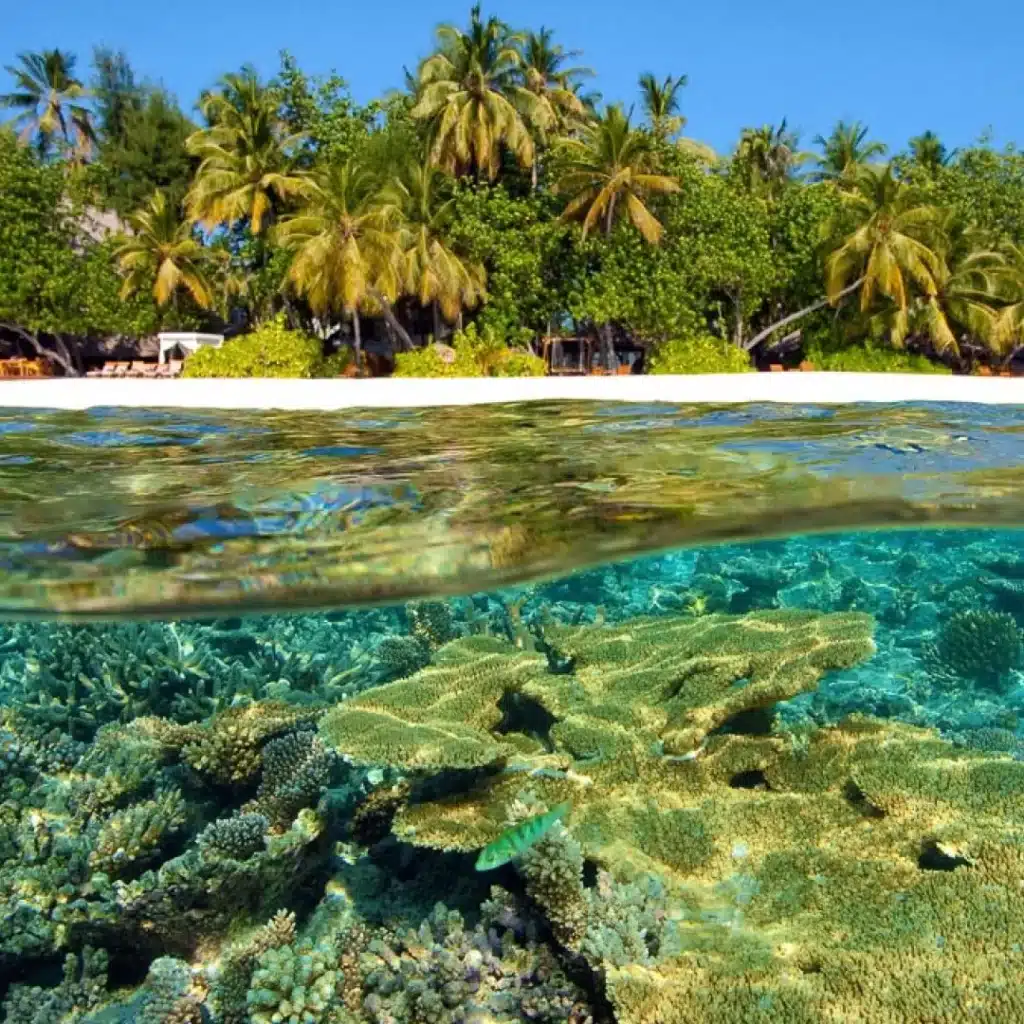
Marine and underwater filming in the Maldives offers one of the most visually extraordinary production environments on earth. The clarity, colour saturation and biodiversity of the Maldivian reef system are global benchmarks for underwater cinematography.
Positioning that environment within a professional production framework requires specific operational preparation before any camera enters the water. Licensed vessels for underwater support. Dive safety coordination with qualified dive supervisors. Underwater camera systems with specialist operators. Marine weather forecasting aligned to production windows. Controlled entry and exit points for both crew welfare and equipment protection. And compliance with Maldivian marine environmental regulations including restrictions on anchoring in reef areas, waste management protocols and marine safety standards.
Productions planning underwater sequences should treat marine production coordination as a distinct technical and safety discipline — not simply an extension of surface filming. Hoodlum coordinates marine production logistics including vessel hire, dive supervisor engagement and environmental compliance as part of the production support package.
Cultural and religious protocols for filming in the Maldives
The Maldives is a Muslim-majority country, and productions filming on local islands — as opposed to private resort islands — must observe specific cultural and religious protocols.
Filming content that includes revealing attire such as bikinis is restricted on local islands and requires specific approval from the Maldives Film Board. This applies to both ground-level and aerial footage. Productions should be explicit about content type in the NCA permit application and confirm Film Board requirements for any sequences planned on local islands.
Standard modesty requirements apply to crew behaviour and attire on local islands throughout the production. Religious observance periods, particularly Ramadan, affect local island logistics, supplier availability and the operational rhythm of communities being filmed.
Productions that approach local island filming with genuine cultural awareness will find communities welcoming and cooperative. Productions that do not will find access significantly more difficult regardless of permit status.
What a Maldives film fixer actually does
A Maldives film fixer submits the NCA permit application with complete documentation including the Maldivian sponsor document, coordinates the business visa applications for all crew immediately after permit confirmation using correctly formatted passport photographs, manages CAA and MNDF drone approvals in parallel with the permit process, prepares customs clearance documentation for equipment arriving as a non-Carnet country importation, negotiates resort filming agreements with established resort management relationships, coordinates seaplane and speedboat bookings for inter-island movement of crew and equipment, manages dock access schedules and equipment transfer logistics between islands, coordinates dive safety and marine production logistics for underwater filming, and advises on Maldives Film Board requirements for content involving local island filming.
Film production Maldives works most efficiently when Hoodlum is engaged at least three to four weeks before the first filming day — giving the NCA permit its ten working days, the drone approvals their ten working days, and the visa processing its seven working days enough parallel runway to all complete before crew travel.
Hoodlum is a Maldives-based, officially registered production house with full-service capability across the archipelago. For enquiries, visit hoodlum.tv/contact-us.
Maldives in an Indian Ocean film production guide context
For productions building an Indian Ocean film production guide — comparing the Maldives with the Seychelles, Mauritius, Sri Lanka and coastal Indian Ocean destinations — the Maldives occupies a specific and irreplaceable position.
It is the only Indian Ocean destination that combines overwater villa filming environments, controlled private resort island access, world-class reef and underwater cinematography conditions, open ocean sandbank environments accessible within short speedboat transfers, and an aerial landscape of atoll geography that is unlike any other filming environment on earth.
The trade-off is a production logistics framework that requires advance planning across marine, aviation and customs systems simultaneously, a film permit process that must precede visa applications, a non-Carnet customs system requiring detailed equipment documentation, and cultural protocols that must be respected on local islands as a genuine production requirement rather than an optional consideration.
Productions that plan correctly — NCA permit submitted first, drone approvals initiated simultaneously, visa documentation prepared and ready to submit the moment permit confirmation arrives, passport photographs verified against Maldivian standards before submission, complete equipment documentation prepared for non-Carnet customs clearance, resort filming agreements negotiated early, inter-island logistics mapped around real marine schedules, and Hoodlum engaged as the registered local production house from the earliest planning stage — will find the Maldives delivers production value that no other single destination in the Indian Ocean can replicate.
Planning a shoot in the Maldives? Contact Hoodlum for film permits, resort and island filming agreements, local fixers, customs and equipment import planning, drone authorisations, underwater and dive units, seaplane and speedboat charters, liveaboard logistics and full on-ground production management. You can also view the Hoodlum Film Fixers Maldives Google Business Profile for local production details.