


















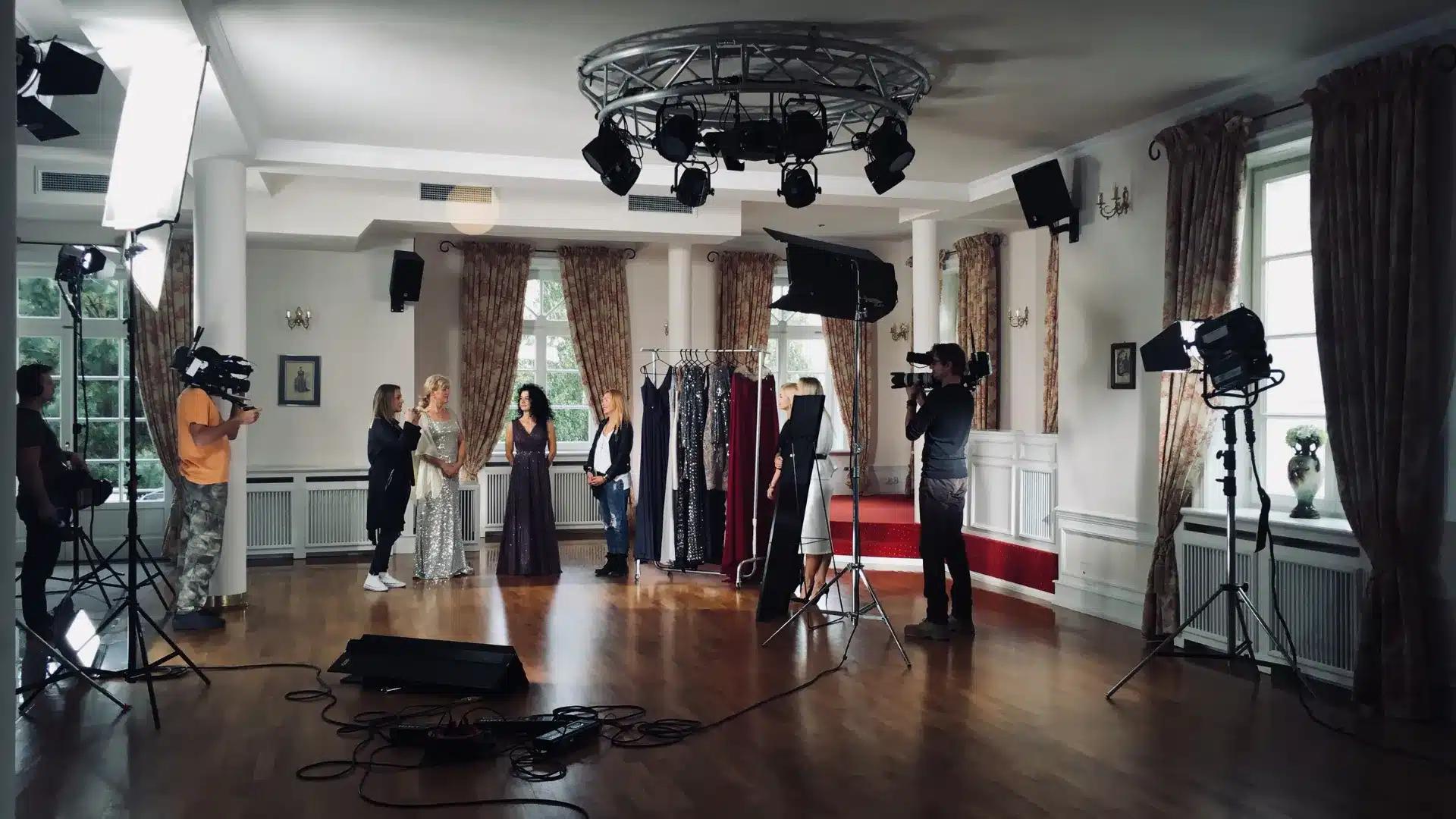
Filming in Serbia
Film Production in Serbia
Serbia is one of the strongest production hubs in the Balkans, offering experienced crews, competitive costs, studio infrastructure, historic cities, brutalist architecture, riverfronts, rural landscapes, forests, monasteries and industrial locations. For commercials, feature films, TV series, documentaries, branded content and international service productions, Serbia gives producers a useful mix of location range, crew depth and practical production value.
Hoodlum provides Film Production Services in Serbia for commercials, documentaries, television projects, branded content, feature films and regional Balkan productions across Belgrade, Novi Sad, Niš, Zlatibor, Tara National Park, Avala, Fruška Gora, the Danube corridor and historic monastery regions. Our team manages Film Center Serbia liaison, film permits, municipal approvals, police coordination, road authority permissions, ATA Carnet customs planning, drone approvals, local fixers, location scouting, crew sourcing and full on-ground production management.
Serbia is film-friendly, but it is not permission-free. Productions should plan early for work authorisation, local production partner coordination, location permits, public-space approvals, traffic control, drone clearance, customs documentation, private location agreements, insurance and incentive requirements. Shoots involving Belgrade streets, bridges, government buildings, cultural heritage sites, road work, drones or large crews need specific approvals before the crew arrives.
Hoodlum helps international productions connect the creative plan with Serbia’s production reality, making sure permits, crew documentation, locations, equipment, drone plans, transport and rebate requirements are aligned before filming begins.
Why Film Production Works Well in Serbia
Serbia works well for productions that need experienced local crews, adaptable locations and a production environment that already understands international workflows. The country can support small documentary teams, fast-moving commercial crews, scripted productions, reality formats, feature films and complex service productions with strong local support.
The destination is particularly strong for:
- Feature films and TV series
- Commercials and branded content
- International service productions
- Documentary filming
- Factual entertainment
- Automotive shoots
- Urban and street filming
- Industrial and post-industrial locations
- Period-friendly architecture
- Brutalist and socialist-era buildings
- Riverfront and bridge scenes
- Forest, mountain and rural landscapes
- Regional Balkan production coverage
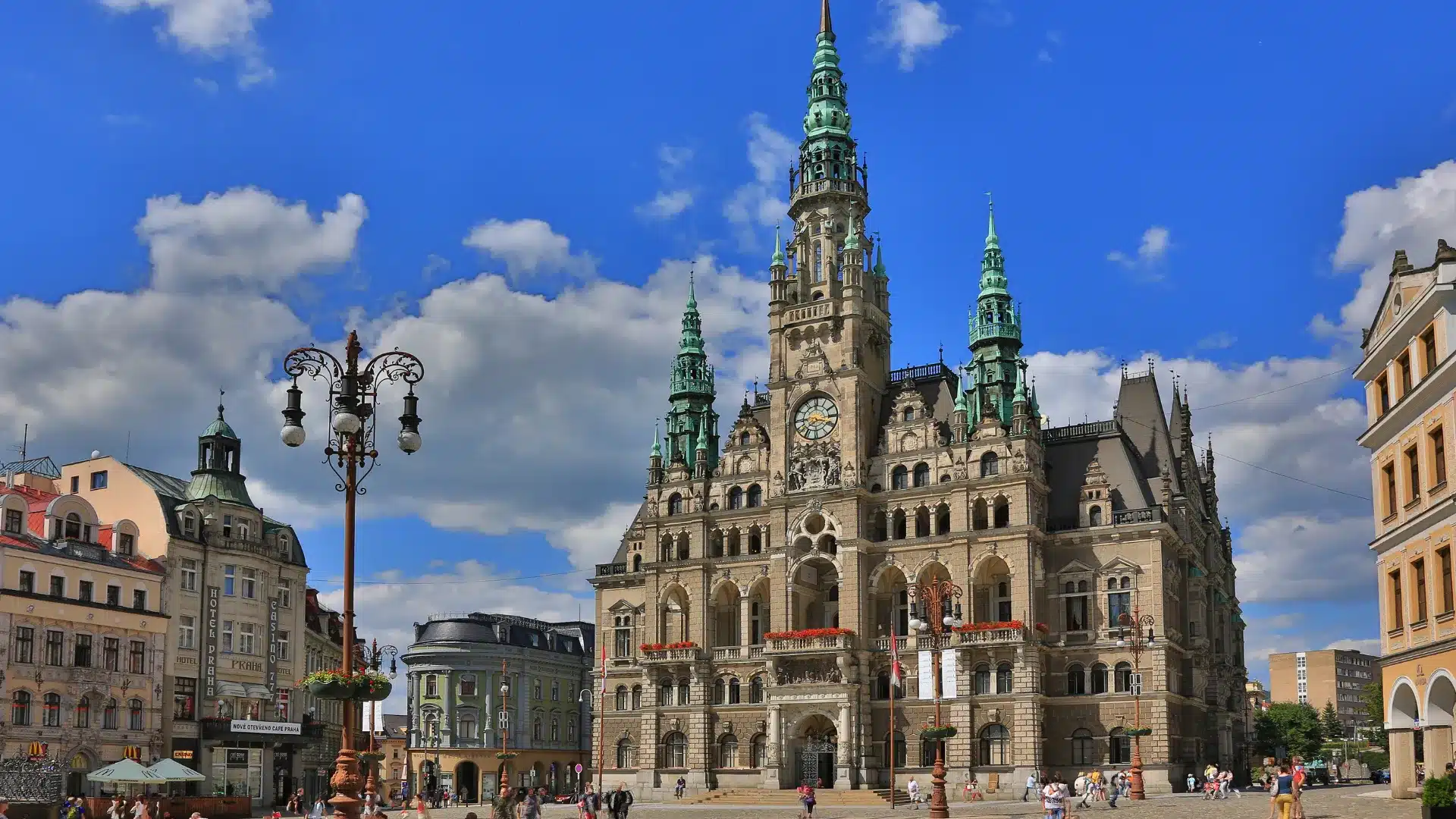
Belgrade is the main production engine. It offers major city movement, river views, bridges, old streets, concrete modernism, nightlife, residential districts, business zones, stadiums, markets and a deep crew base. Novi Sad adds a more polished Central European look, while regional locations offer forests, monasteries, mountains, villages, agricultural land, rivers and roads.
The strength here is not only visual. The country has a mature production services environment, competitive labour, strong technical crews and a national cash rebate that can make qualifying productions financially attractive.
Best Time of Year to Film
Serbia has a continental climate, with warm summers, cold winters and clear seasonal variation. This makes it useful for productions that need different looks across the year, from hot city streets and green countryside to snow, mist, winter roads and atmospheric rural environments.
Spring and autumn are often the most practical windows for exterior filming. These periods offer comfortable working conditions, good natural colour and easier movement between city, rural and mountain locations.
Productions should plan around:
- Hot summer conditions in Belgrade and lowland areas
- Cold winter conditions in mountain and rural regions
- Snow access for winter shoots
- Seasonal river and forest conditions
- Public events and city traffic in Belgrade
- Tourist movement in historic districts
- Road access in remote or mountain areas
- Daylight changes across the year
Summer works well for urban, road, river and rural filming, but heat and city traffic should be considered. Winter can be visually strong for snow, forests, mountains and atmospheric city coverage, but transport, wardrobe, heating and equipment protection need more planning.
Hoodlum helps crews assess the right filming window, build realistic movement plans and prepare weather contingency before the schedule hardens.
Visa Requirements for Crew
Serbia allows visa-free entry for citizens of many countries, often for up to 90 days within a 180-day period depending on nationality. However, visa-free entry does not automatically permit paid work or professional production activity.
Professional filming and paid work usually require local authorisation and coordination with a registered local production partner. Longer stays or formal employment activity may require a temporary residence and work permit.
Where documentation is required, productions should prepare:
- Valid passport with at least six months validity
- Proof of visa-free eligibility or visa, if required
- Production company letter
- Film project details and objectives
- Shooting locations and schedule
- Crew list
- Equipment list
- Invitation letter from a registered local production partner
- Proof of health insurance valid in Serbia
- Accommodation confirmation
- Equipment customs documentation, where applicable
Visa-free entry is immediate for eligible travellers. Permits and work-related authorisations may take 7 to 20 working days depending on nationality, crew role, production activity and local coordination requirements.
Hoodlum helps visiting crews prepare supporting documentation so that visa position, work status, production letters, crew lists and permit paperwork match the actual shoot plan.
International Crew Accreditation and Work Permissions
Serbia does not operate a separate press-style accreditation system for standard film crews. Authorisation is generally handled through film permits, location permits, local authority approvals and coordination with a registered local production partner.
For news, current affairs, sensitive documentary work, public institutions, government-related access or politically sensitive subjects, additional approvals may be required. These should be assessed early, especially where filming may involve government buildings, protests, borders, military themes or public order considerations.
Typical crew documentation may include:
- Valid passport
- Proof of legal stay
- Production company letter
- Project overview
- Shooting schedule and locations
- Crew list
- Proof of health insurance
- Equipment list
- Local production partner details
Processing is generally estimated at 5 to 10 working days, and costs are usually handled within the wider film permitting process.
This is where local production support matters. Serbia is experienced with international crews, but each crew member’s role, nationality, activity and duration should be checked properly. Hoodlum helps productions keep crew documentation, work authorisation, permits and location approvals aligned.
Film Permits and Production Approval
Film Center Serbia is the key national film body and a major reference point for international productions. It supports the screen sector and administers the national incentive programme, while location permits are still issued by the relevant municipal, police, road, transport, heritage or site-specific authorities.
Primary coordination may involve:
- Film Center Serbia
- Municipal governments
- Police departments
- Road and transport authorities
- Cultural heritage institutions
- Private property owners
- Registered production partners
A small private shoot may move faster than a public-facing production. However, shoots involving Belgrade streets, bridges, public squares, traffic control, road closures, drones, government buildings, cultural monuments or large crews should allow more lead time.
Typical film permit documentation may include:
- Film permit application
- Script or detailed treatment
- Synopsis
- Production schedule
- Shooting timeline
- Crew list and roles
- Equipment list
- Proof of insurance for crew, equipment and public liability
- Location list and maps
- Traffic or public-space plans, where applicable
- Drone details, where applicable
- Local production partner details
Processing is generally estimated at 7 to 15 working days, with longer timelines for complex, sensitive, public-space or multi-location shoots.
Film permit fees generally range from USD 100 to USD 600, depending on location, municipality, scale and authority involvement.
A shoot in Serbia works best when each location is treated individually. A street in Belgrade, a monastery courtyard, a bridge, a private warehouse and a mountain road can all involve different approval routes. Hoodlum prepares location-specific submissions so authorities can review the real shoot activity clearly.
Filming in Belgrade
Belgrade is one of the strongest urban filming environments in the Balkans. It offers dense streets, riverfronts, bridges, concrete architecture, old neighbourhoods, nightlife, business districts, markets, stadiums, residential blocks and strong production infrastructure.
Useful Belgrade filming looks include:
- Brutalist and socialist-era architecture
- Sava and Danube riverfronts
- Bridges and traffic movement
- Old city streets
- Rooftops and residential districts
- Industrial warehouses
- Nightlife and entertainment areas
- Markets and public squares
- Modern commercial zones
Belgrade is practical for commercials, fashion, automotive, music videos, documentaries, branded content, TV series and feature films. The main planning issues are traffic, parking, loading, public filming permissions, crowd control, police coordination and sound management.
Hoodlum helps productions map Belgrade locations by both visual value and operational difficulty, so the schedule does not collapse under movement times or public-space restrictions.
Filming Beyond Belgrade
Novi Sad offers a Central European city look, riverfronts and cultural settings. Niš provides southern character, history and regional access. Zlatibor, Tara National Park, Avala and Fruška Gora offer forests, roads, lakes, viewpoints and rural textures.
Regional Serbia can support:
- Mountain roads
- Forest locations
- Rural homes and villages
- Monasteries and religious sites
- Agricultural land
- River valleys
- Industrial zones
- Small-town streets
- Winter landscapes
- Period-style exteriors
These locations are useful for documentaries, travel content, automotive shoots, historical programming, commercials, scripted scenes and regional Balkan coverage.
Regional filming needs practical planning around transport, accommodation, local permissions, equipment movement, local fixers, weather, road conditions and communication. Hoodlum helps productions assess whether a regional route is realistic before it becomes a pretty map with a painful schedule hiding inside it.
Private Locations
Private location filming in Serbia is negotiated directly with owners, managers or authorised representatives. This may include homes, restaurants, hotels, farms, warehouses, factories, commercial interiors, offices, villas, clubs, event spaces and privately managed rural properties.
The private location process usually includes:
- Location scouting and identification
- Site visits and technical assessment
- Photography and documentation
- Negotiation with property owners
- Written location agreement
- Fee confirmation
- Access and restoration planning
Location fees typically range from USD 50 to USD 400 and are negotiated directly with owners.
Written location agreements are strongly recommended. They should confirm:
- Shoot dates and hours
- Approved areas
- Crew size
- Parking and loading access
- Equipment restrictions
- Drone use, if relevant
- Fees and payment terms
- Overtime
- Noise limitations
- Restoration responsibilities
- Security requirements
- Privacy limitations
The country has excellent private location potential, especially for controlled interiors, industrial sites, residential scenes, nightlife, rural homes and commercial environments. Hoodlum helps crews identify realistic options, negotiate access and make sure the agreement matches the way the shoot will actually operate.
Drone Filming Requirements
Drone filming in Serbia is regulated and permission-based. The Civil Aviation Directorate of the Republic of Serbia is the main aviation authority for drone operations.
Professional drone filming should be planned carefully, especially near:
- Airports
- Military facilities
- Police facilities
- Government buildings
- Borders
- Crowded public spaces
- Urban centres
- Bridges and transport infrastructure
- Private properties
- Sensitive sites
Drone registration is mandatory, advance authorisation is required for commercial filming and liability insurance is required. Privacy rules should also be respected, particularly when flying near homes, public gatherings, private property or identifiable individuals.
Typical drone documentation may include:
- Drone registration certificate
- Operator identification
- Flight plan and GPS coordinates
- Proof of insurance
- Film permit
- Location permits
- Script or storyboard, if requested
- Drone technical specifications
- Proof of ownership or rental agreement
Drone importation may require additional paperwork, including:
- Equipment list with serial numbers
- Commercial invoice or customs declaration
- Drone technical specifications
- Proof of ownership or rental agreement
- Insurance certificate
Drone approvals are generally estimated at 10 to 25 working days, depending on the flight area, airspace sensitivity and documentation required.
Hoodlum helps productions align drone permissions with Civil Aviation Directorate requirements, film permits, location access, customs planning and the wider production schedule.
Equipment Customs Clearance
The country is an ATA Carnet country. An ATA Carnet is strongly recommended for temporary import of professional film equipment because it can simplify customs handling and avoid import duties and VAT when equipment enters and exits correctly.
Professional film equipment is usually cleared at airports or land borders. The Customs Administration oversees customs matters.
Typical documentation may include:
- ATA Carnet
- Detailed equipment list with declared values
- Commercial invoice, if applicable
- Crew passports
- Proof of legal stay
- Proof of insurance
- Letter of introduction outlining production details
- Equipment serial numbers
- Ownership or rental documentation
With an ATA Carnet, import duties and VAT are generally not charged for temporary professional equipment. Without a carnet, temporary import VAT of 20% and customs fees may apply.
Customs processing is generally estimated at 1 to 4 hours, depending on entry point, equipment volume, paperwork accuracy and customs workload.
Hoodlum helps productions prepare equipment documentation, coordinate customs planning and reduce the risk of gear being delayed at the border.
Film Rebates and Tax Incentives
The country offers a competitive national film incentive programme administered by Film Center Serbia. The incentive is one of the country’s major advantages for international productions and can support qualifying feature films, TV series, animation and high-end productions.
Key features include:
- 25% cash rebate on eligible local spend
- 30% rebate for high-budget productions
- Administration through Film Center Serbia
- Applicability to feature films, TV series, animation and high-end productions
- Annual funding caps
Productions should confirm current eligibility, qualifying spend, budget thresholds, high-budget criteria, annual cap availability and application procedures directly with Film Center Serbia before building the incentive into the budget.
Typical incentive planning should confirm:
- Whether the project qualifies
- Which production formats are eligible
- What local expenditure counts
- Whether pre-approval is required
- What documentation must be kept
- Whether a Serbian production partner is required
- When the rebate is paid
- Whether audit or review is required
- Whether annual budget caps affect timing
Eligible spend may include local crew, services, equipment rentals, location costs, accommodation, transport, production services and qualifying local suppliers, subject to current rules.
The incentive does not replace visas, work authorisation, film permits, drone approvals, customs clearance or location agreements. Each process must still be managed separately.
Hoodlum helps productions ask the right questions early, track local spend properly and avoid building the budget around assumptions that may not apply.
Safety and Security for Productions
The country is generally safe, stable and highly experienced with international film productions, particularly in Belgrade and Novi Sad. Normal production precautions are still important, especially for public spaces, road sequences, night shoots, large crews and equipment-heavy setups.
Police presence may be required for road closures, crowd scenes, traffic control, public-space activity or filming that affects normal movement. Filming near government buildings or sensitive public infrastructure requires advance clearance.
Security considerations may include:
- Police support for road closures
- Crowd management for public shoots
- Secure transport for crew and equipment
- Local coordinators for remote locations
- Safety planning for road and automotive shoots
- Equipment supervision in busy urban areas
- Night shoot planning
- Weather monitoring for regional or mountain locations
- Medical access planning outside major cities
- Public liability insurance
Public-facing shoots need discipline, even in a production-experienced environment. Hoodlum helps productions plan security, movement and authority coordination before the crew reaches set.
How the Main Approvals Fit Together
The biggest mistake visiting crews make is assuming that one approval covers the whole production. It does not.
Visa-free entry may allow a crew member to enter the country, but it does not automatically permit paid production work. A production partner may support work authorisation, but that does not replace location permits. Film Center Serbia may support industry facilitation and incentives, but it does not automatically approve every municipality, road, public square, heritage site or private property. A drone approval may authorise a flight plan, but it does not replace the location agreement. An ATA Carnet may allow equipment into the country, but it does not confirm where that equipment can be used. Incentive eligibility may support the budget, but it does not replace permits or compliance.
A proper production plan connects every approval:
- Visa status confirms who can enter and for how long.
- Work-related authorisation confirms whether crew activity is compliant.
- Film permits confirm where filming may take place.
- Municipal approvals confirm local access.
- Police coordination confirms road, crowd or public-space control.
- Road and transport approvals confirm traffic-related filming.
- Cultural heritage approvals confirm sensitive-site access.
- Private agreements confirm property access.
- Drone approvals confirm aerial filming permissions.
- Customs clearance confirms how equipment enters and exits.
- Rebate approval confirms whether eligible local spend may qualify.
- Safety planning confirms how the shoot operates on the ground.
Hoodlum’s role is to connect these separate requirements into one practical production plan so the crew can focus on filming rather than negotiating with a many-headed Balkan paperwork dragon during prep.
When This Destination Is the Right Choice
The country is a strong choice when a production needs experienced crews, competitive production value, urban texture, studio options, industrial locations, historic architecture, rural landscapes, mountain regions and a strong national cash rebate.
The destination is especially suitable for:
- Feature films
- TV series
- Commercials and branded content
- International service productions
- Documentary filming
- Factual entertainment
- Automotive shoots
- Music videos
- Urban and nightlife scenes
- Industrial locations
- Riverfront and bridge filming
- Mountain and rural landscapes
- Regional Balkan coverage
The country may be less suitable for productions that need spontaneous public-space filming, last-minute drone approvals or multi-location traffic control with minimal prep time. Those shoots may still be possible, but they require careful planning and strong local coordination.
For many international crews, the destination works best when used for its natural strengths: crew depth, Belgrade’s urban energy, regional location variety, production value and the national film incentive.
Common Mistakes to Avoid
Even in a film-friendly production environment, small mistakes can create avoidable delays.
Avoid:
- Assuming visa-free entry permits paid production work
- Leaving work authorisation checks until the final week
- Treating Film Center Serbia support as approval for every location
- Forgetting municipal approvals for public spaces
- Leaving police or traffic coordination too late
- Treating drone permission as automatic
- Flying drones near airports, borders or government sites without approval
- Arriving without ATA Carnet documentation for major equipment
- Booking private locations without written agreements
- Assuming the rebate applies without written confirmation
- Failing to track eligible local spend properly
- Underestimating Belgrade traffic and parking
- Working without a local fixer on complex shoots
Most of these problems are preventable. Early planning, accurate paperwork and local support can keep the production moving smoothly.
How Hoodlum Supports Local Production
Hoodlum provides practical support for international crews filming in Serbia, from early planning through shoot execution. The aim is to make the production workable before the crew lands and keep every moving part aligned once filming begins.
Support may include:
- Local fixer services
- Film permit coordination
- Film Center Serbia liaison
- Incentive guidance
- Municipal authority coordination
- Police and road authority liaison
- Visa and production documentation support
- Work authorisation coordination
- Location research and scouting
- Private location agreements
- Crew and supplier coordination
- Drone planning
- ATA Carnet customs support
- Transport coordination
- Security planning
- Accommodation support
- Translation and local liaison
- On-ground production management
A successful production requires more than strong crews and attractive locations. A successful shoot needs accurate permits, realistic timing, compliant drone planning, prepared customs documentation, incentive awareness, safe public-space management and reliable local coordination.
Hoodlum helps productions reduce guesswork and plan the shoot as a practical operation, not just a creative wish list.
FAQ
Do international crews need a visa to film in Serbia?
Visa requirements depend on nationality, length of stay and production activity. Many nationalities can enter Serbia visa-free for up to 90 days within a 180-day period, but visa-free entry does not automatically permit paid filming or production work.
Do foreign film crews need work authorisation in Serbia?
Professional filming and paid work usually require local authorisation and coordination with a Serbia-registered production partner. Longer stays or formal employment may require temporary residence and work permits.
Does Serbia have a central film authority?
Film Center Serbia is the key national film body and administers Serbia’s incentive programme. Specific location permits may still be issued by municipalities, police, road authorities, cultural heritage institutions or private owners.
How long do film permits take in Serbia?
Film permits are generally estimated at 7 to 15 working days. Complex public-space shoots, road closures, cultural heritage locations, drones or multi-location productions may require longer.
Can productions use drones in Serbia?
Yes, drone filming may be possible, but it is regulated and permission-based. Drone registration, advance authorisation, flight plans, insurance and location permissions may be required through the Civil Aviation Directorate of the Republic of Serbia.
Is Serbia an ATA Carnet country?
Yes. Serbia is an ATA Carnet country, and an ATA Carnet is strongly recommended for temporary import of professional filming equipment.
Does Serbia offer a film rebate?
Yes. Serbia offers a national film incentive administered by Film Center Serbia, with a 25% cash rebate on eligible local spend and a 30% rebate for high-budget productions, subject to eligibility, approval and funding availability.
Is Serbia safe for filming?
Serbia is generally safe, stable and experienced with international productions. Public spaces, road closures, crowd scenes, government buildings and complex shoots require proper coordination and, where needed, police support.
Why use a local fixer in Serbia?
A local fixer helps manage permits, municipal approvals, Film Center Serbia liaison, location access, crew sourcing, drone coordination, ATA Carnet planning, police and road authority liaison, translation, rebate preparation and daily production logistics.
External Authority Links
- Ministry of Foreign Affairs of the Republic of Serbia
- Official Serbia visa information
- Film Center Serbia
- Film Center Serbia incentives
- Civil Aviation Directorate of the Republic of Serbia
- Customs Administration of the Republic of Serbia
- Municipal governments
- Police and road authorities
- Cultural heritage institutions
Planning a shoot in Serbia? Contact Hoodlum for film permits, location agreements, local fixers, location scouting, customs and ATA Carnet planning, drone coordination, cash-rebate guidance, crew and equipment sourcing, studio access and full on-ground production management. You can also view the Hoodlum Film Fixers Serbia Google Business Profile for local production details.