


















Production support for international shoots across turquoise sandbanks, open-ocean environments, colonial towns, and studio-ready facilities.
The Bahamas offers one of the most visually distinctive marine environments in the Caribbean, supported by experienced crews and established production infrastructure. Our Film Production Services in The Bahamas are structured for international producers navigating island logistics, marine coordination, customs procedures, and incentive qualification.
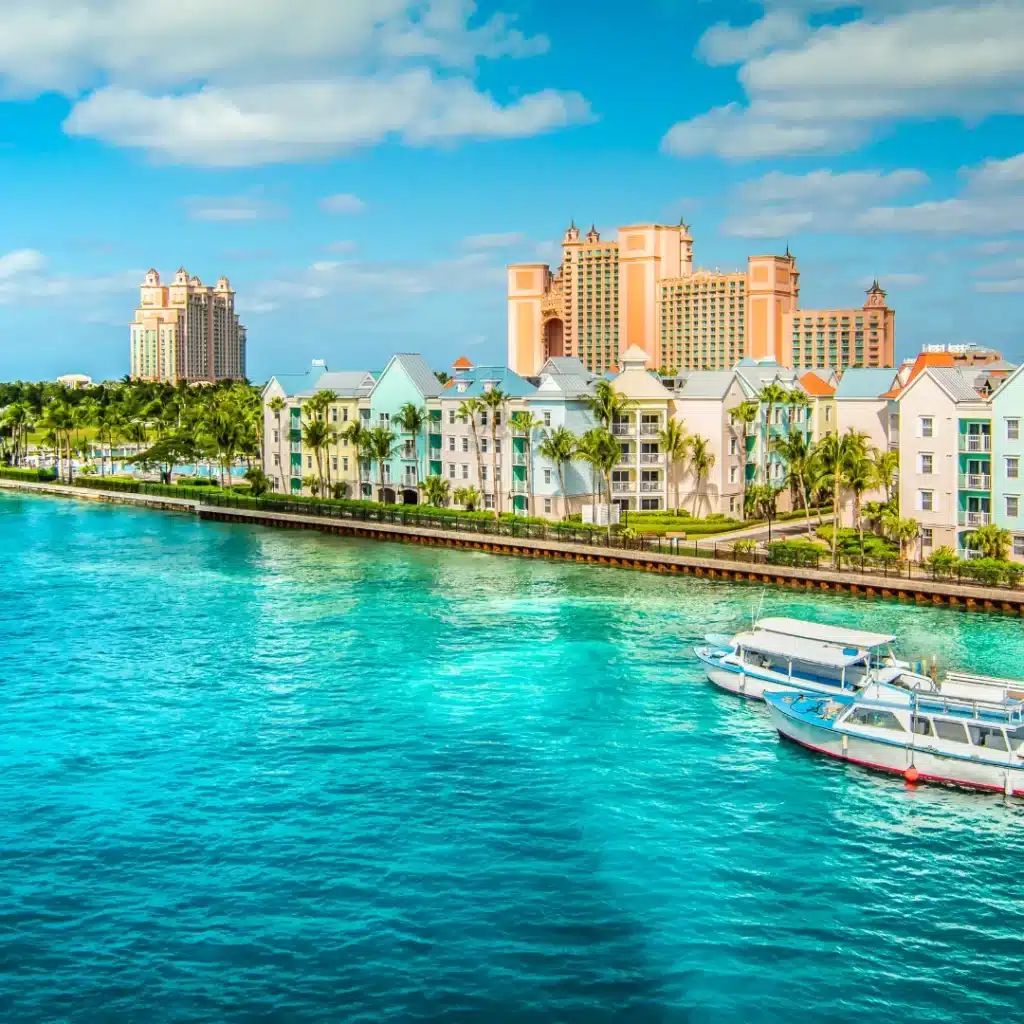
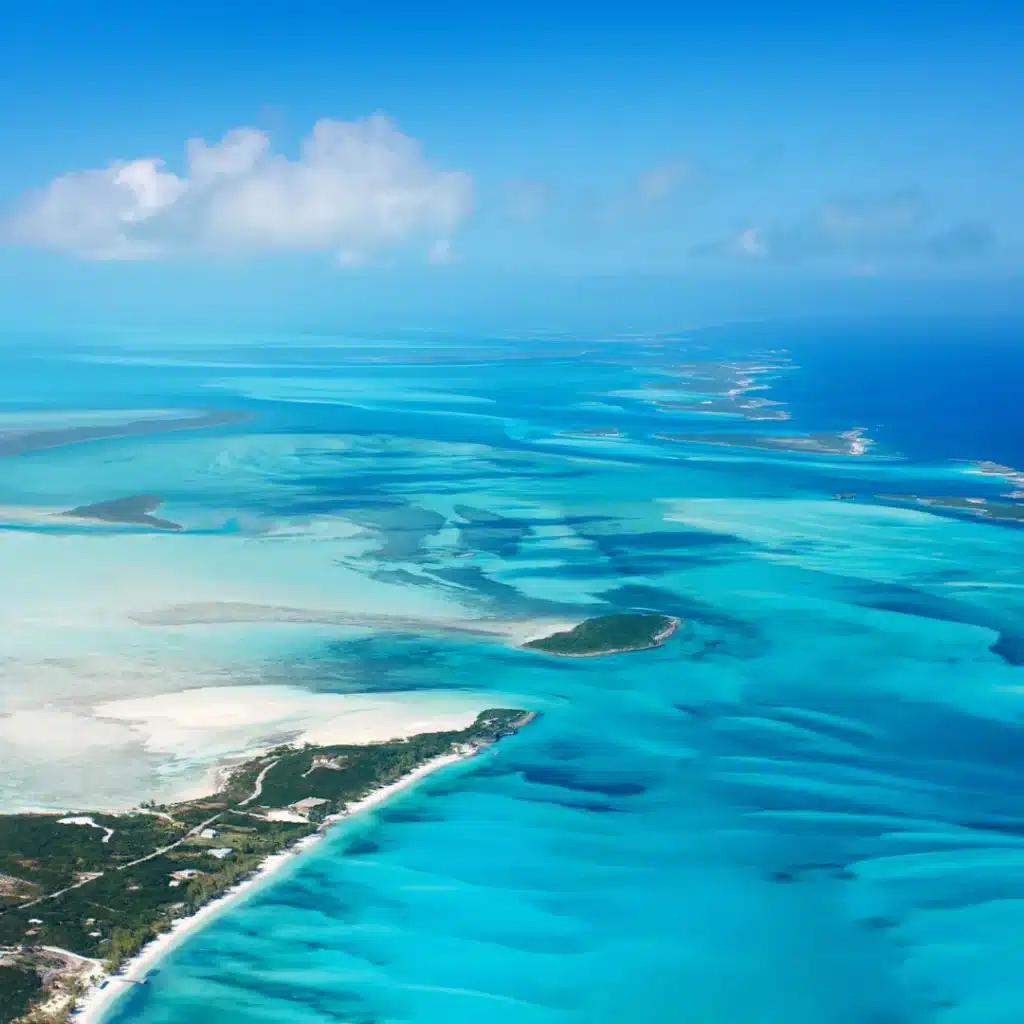
From Nassau’s colonial architecture and modern port infrastructure to the Exumas’ shallow sandbanks and outer-island coastlines, the country delivers diverse coastal visuals within a manageable archipelago framework. Successful production depends on early marine planning, structured permit coordination, and realistic inter-island sequencing.
Whether supporting feature films, streaming series, underwater productions, commercial campaigns, or large-scale marine shoots, we build operational systems that balance creative ambition with logistical precision.
Why Film in The Bahamas
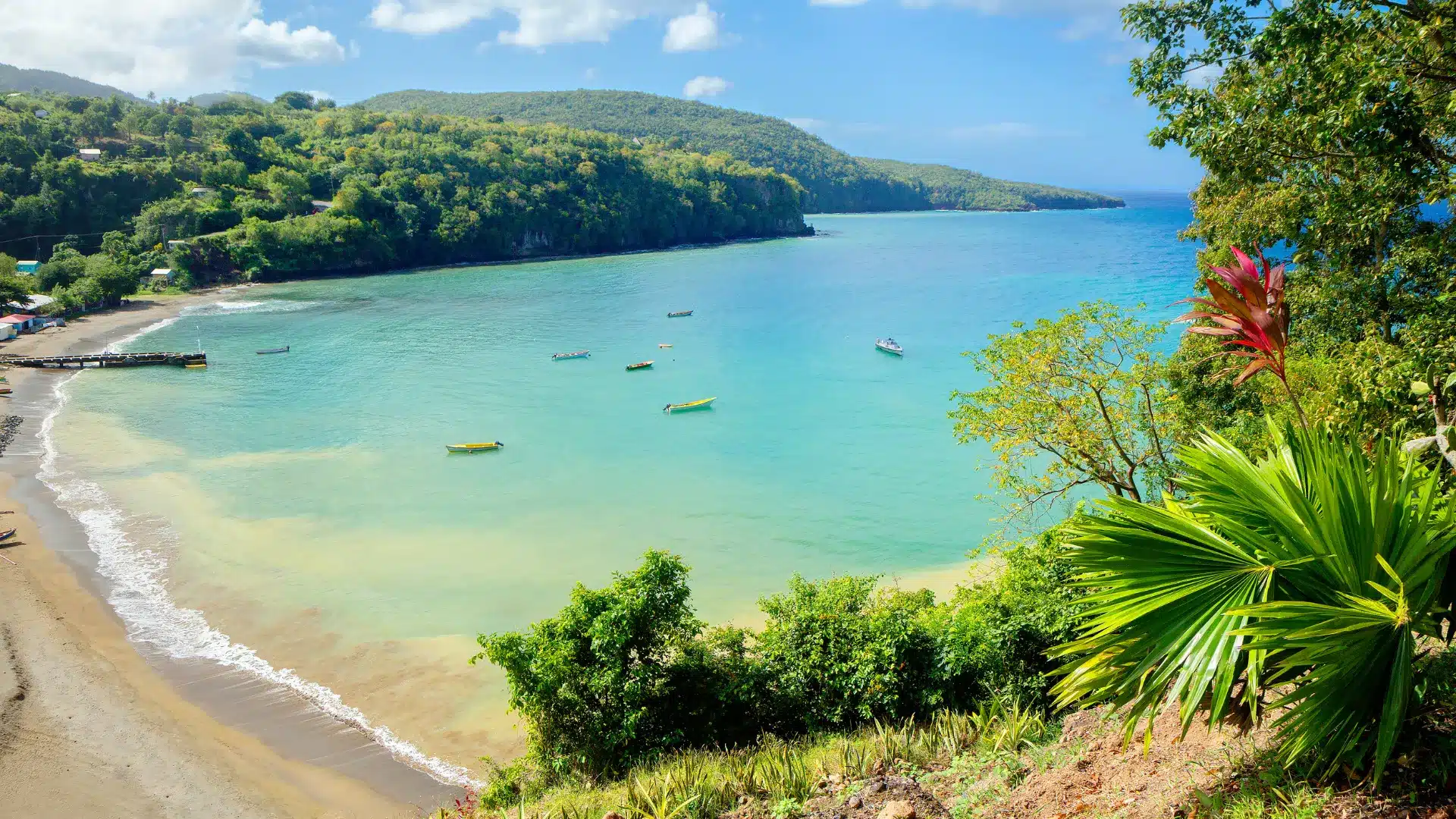
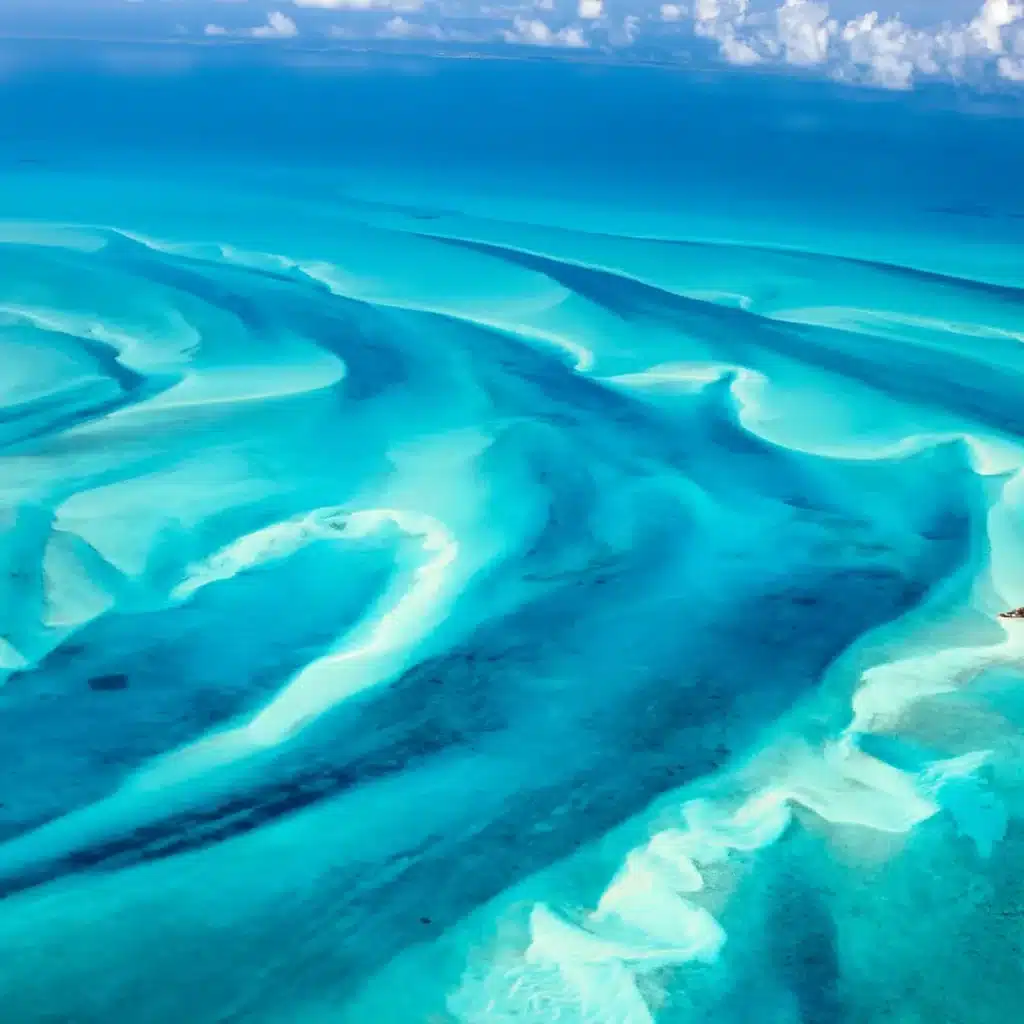
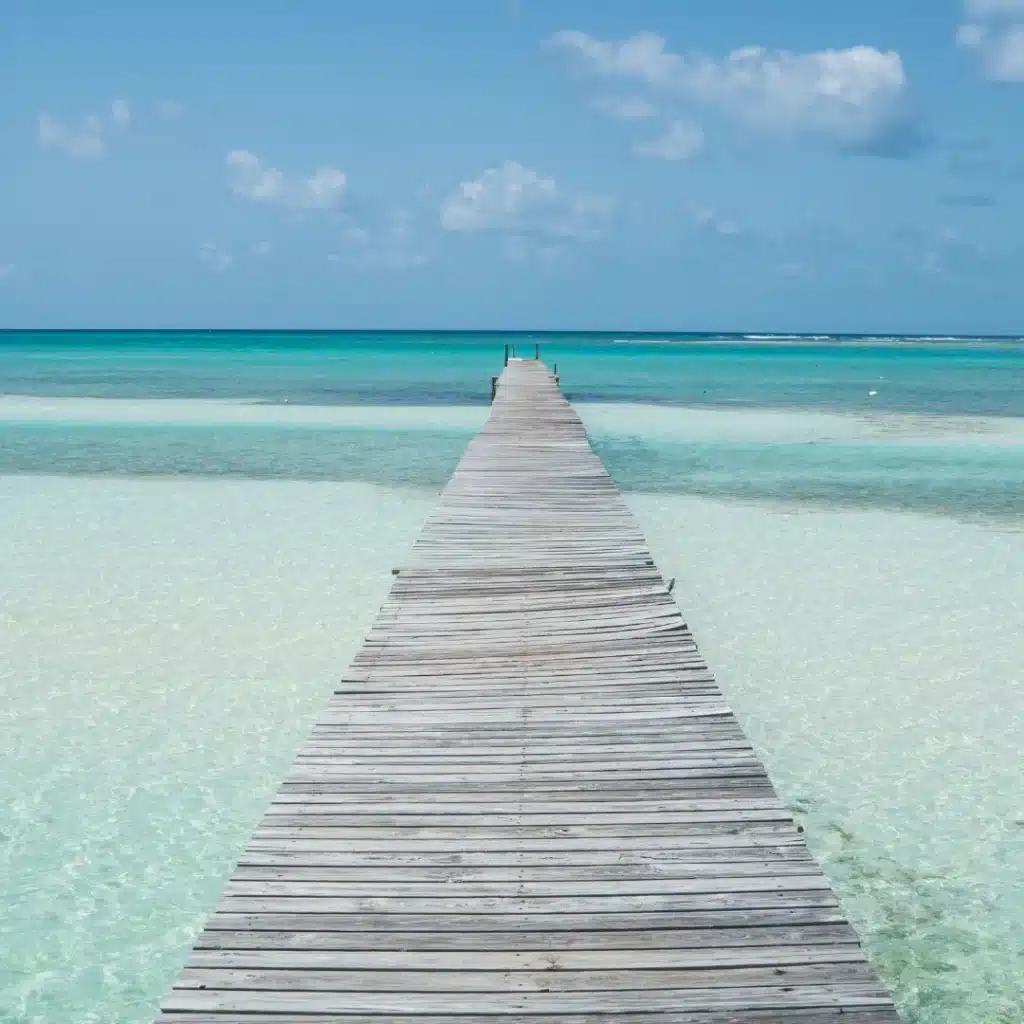
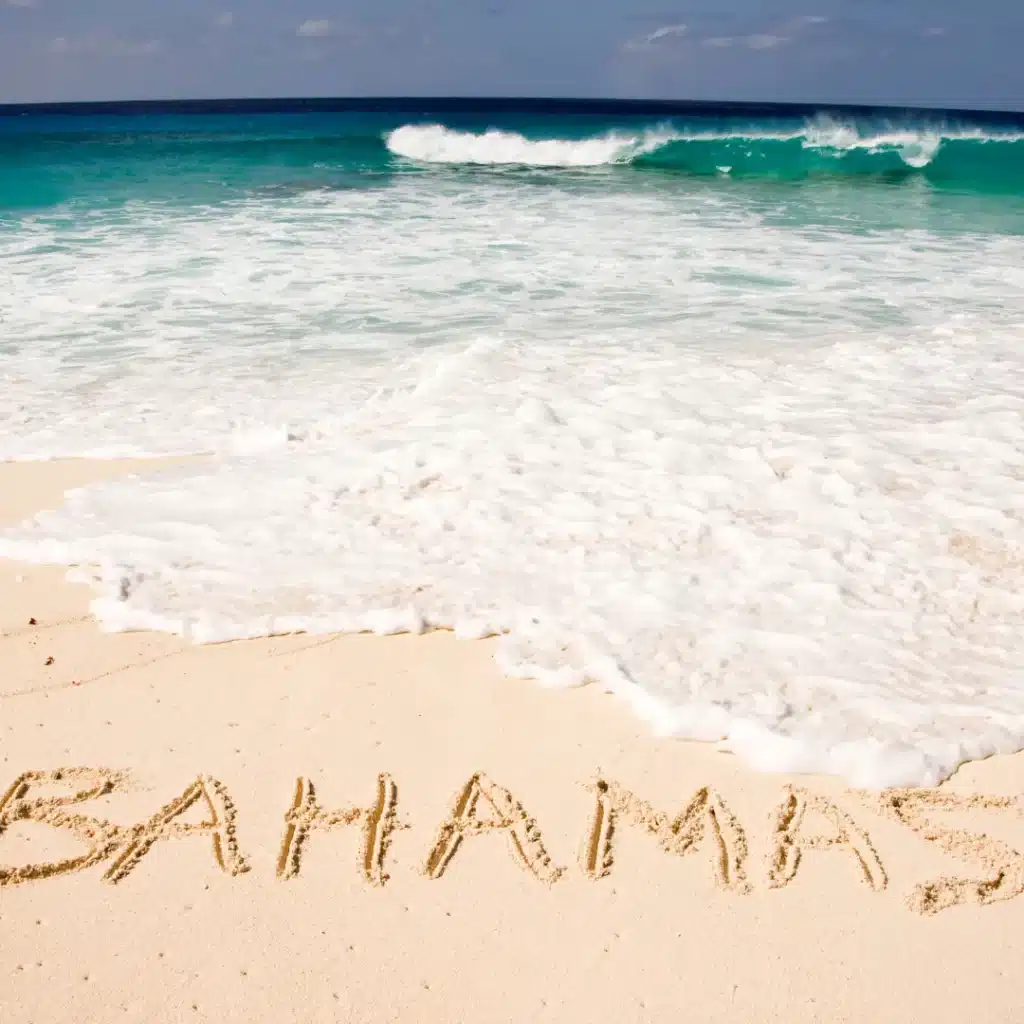
The Bahamas is globally recognized for its crystal-clear waters, expansive sandbanks, coral reefs, and dramatic ocean color variations. These environments allow productions to achieve high-production-value marine visuals with relatively shallow-water access.
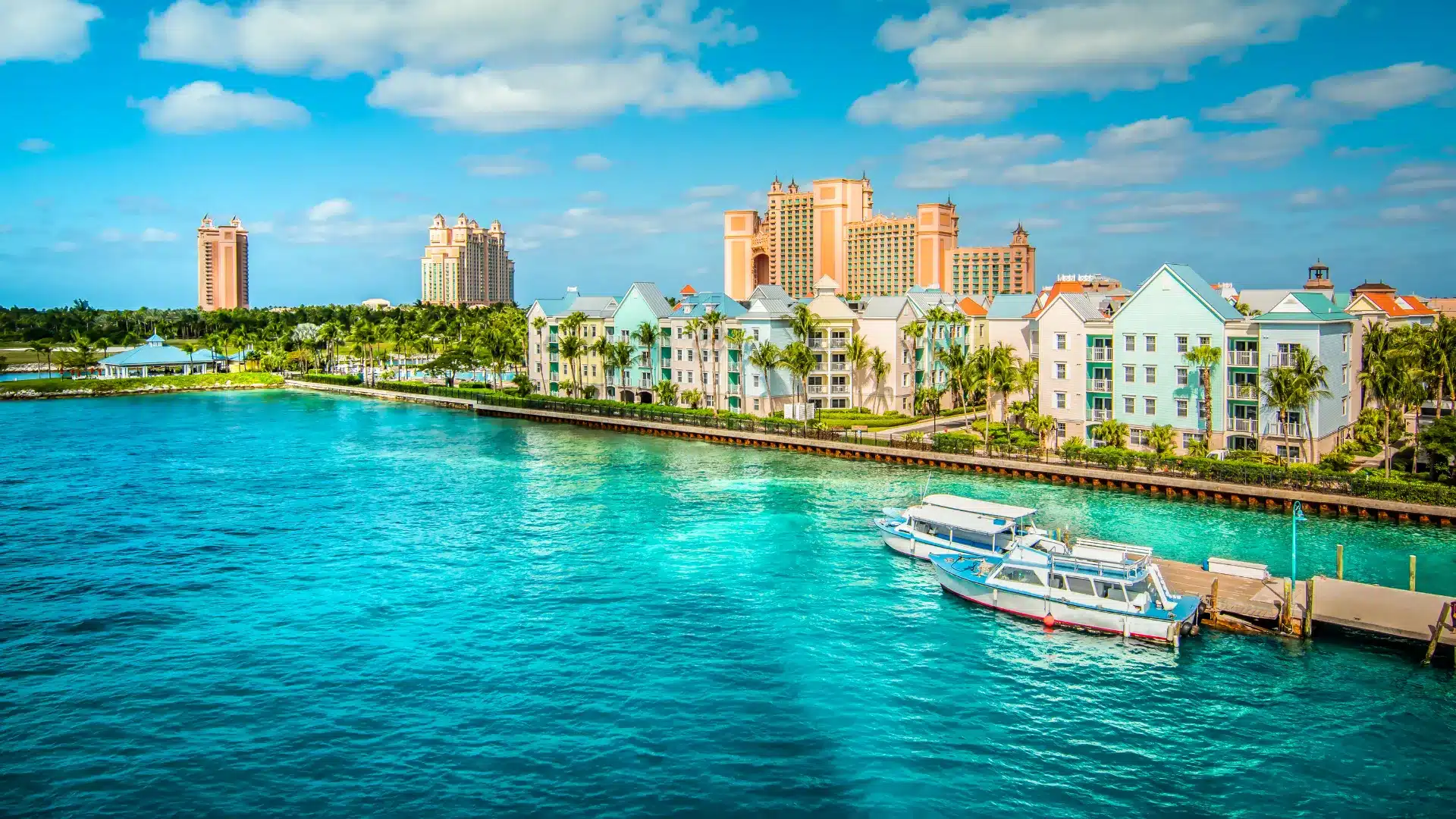
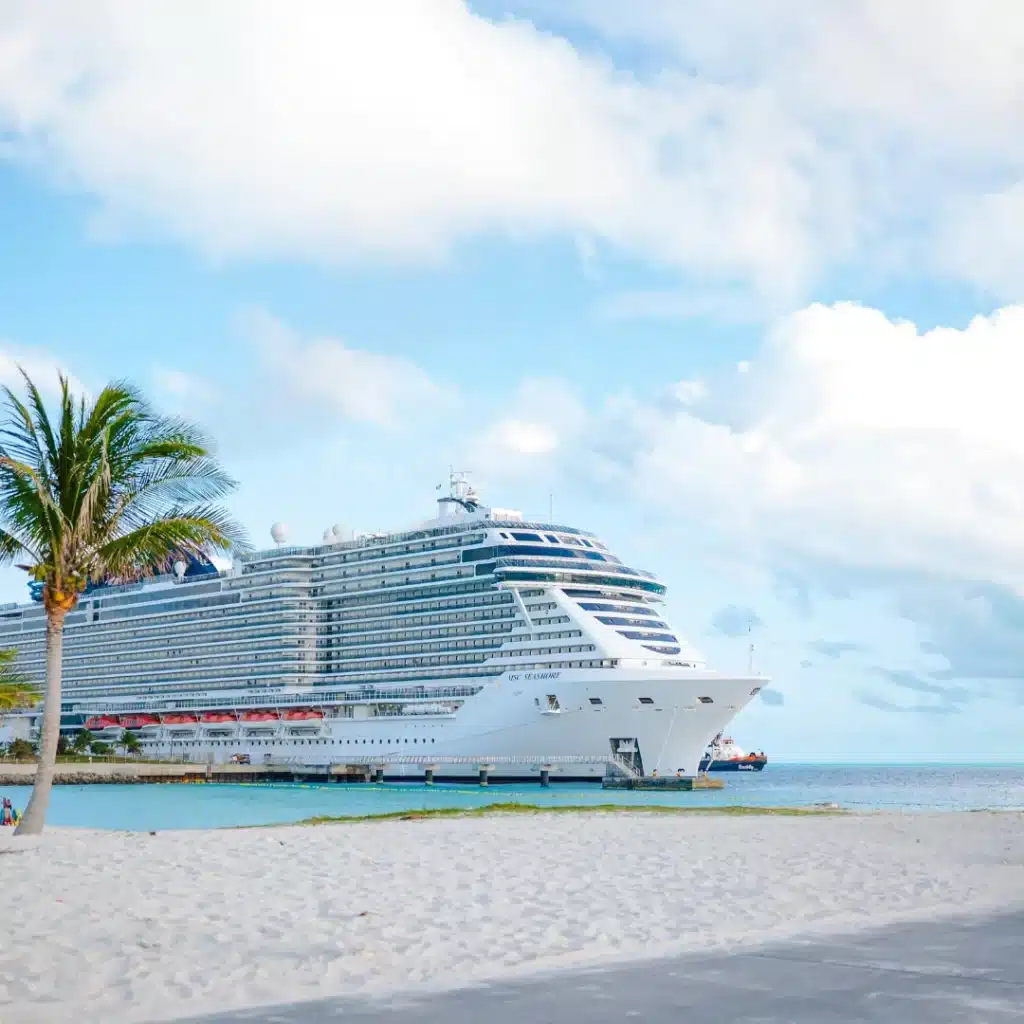
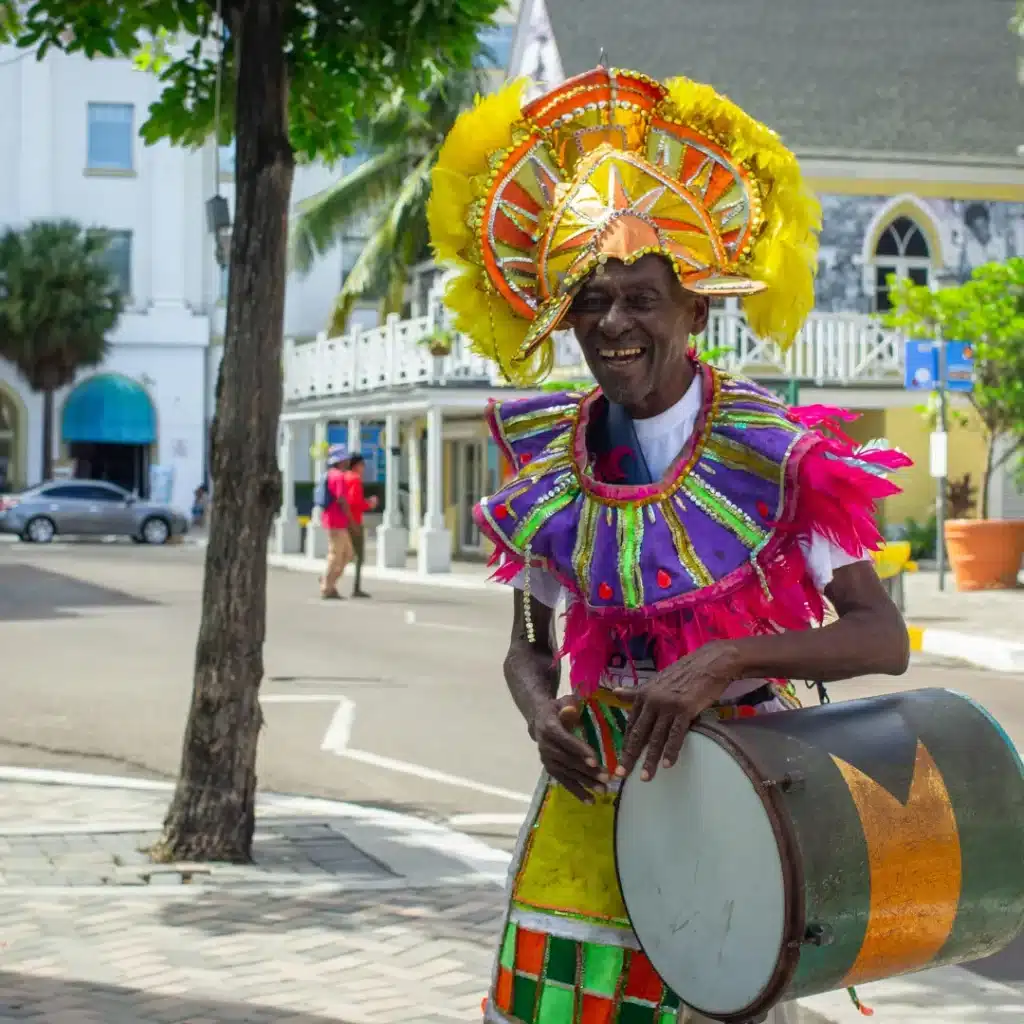
Nassau and Paradise Island provide urban infrastructure, cruise ports, marinas, resorts, and colonial-era architecture. The Exumas offer remote sandbars, uninhabited islands, and lagoon environments. Grand Bahama provides industrial port areas and additional urban density.
Visual environments include:
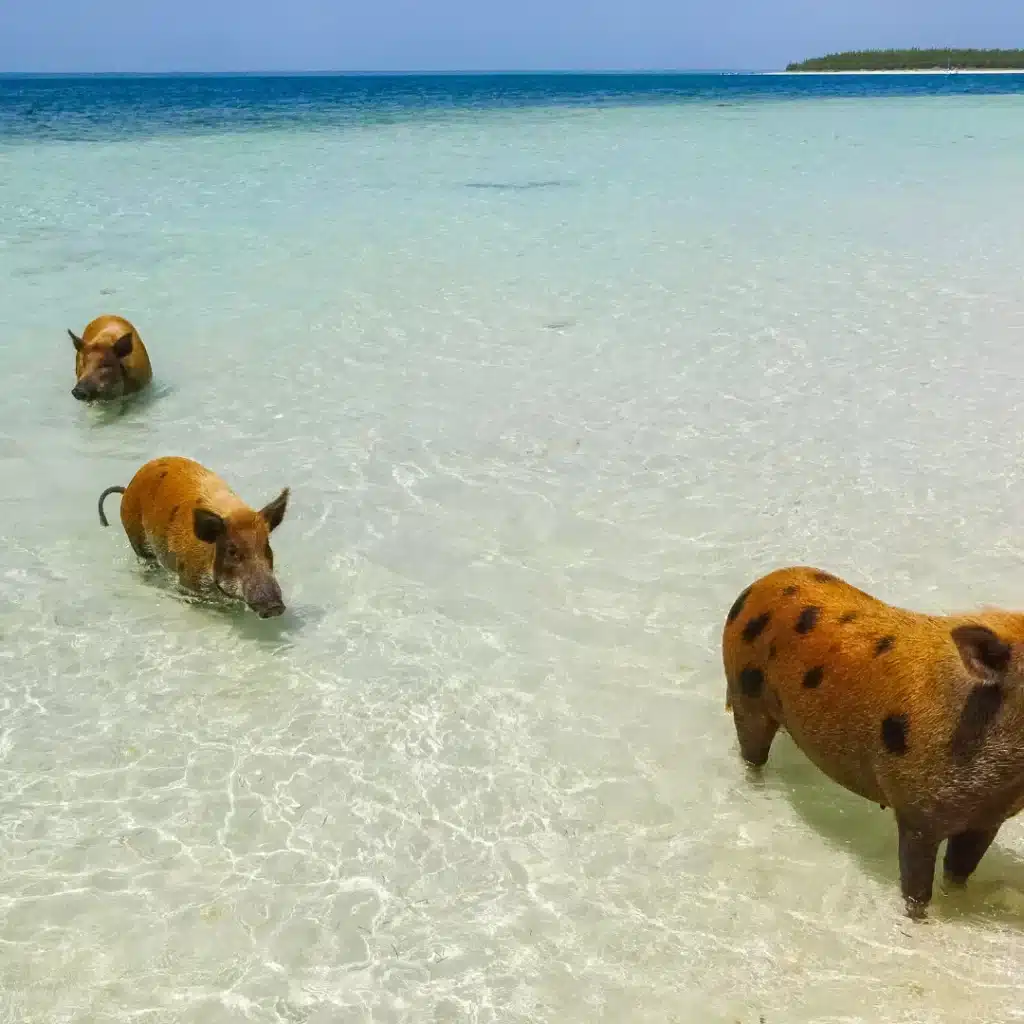
- Shallow turquoise sandbanks
- Coral reef systems
- Open Atlantic coastlines
- Colonial architecture
- Luxury resort settings
- Studio tank facilities
The proximity to the United States supports efficient freight movement and cast mobility. Road and marine transport connect key filming regions, while inter-island flights expand access to remote environments.
The appeal lies in marine accessibility and visual clarity. Productions can capture open-water aesthetics without deep-ocean exposure in many locations.
Production Support The Bahamas
Delivering effective Production Support The Bahamas requires coordination across national film authorities, customs officials, marine operators, private island stakeholders, and municipal offices.
Our approach integrates incentive alignment, marine logistics planning, and structured permitting.
Pre-Production
Preparation is central to marine-heavy production environments.
- Location research across island groups
- Technical marine recces
- Incentive eligibility assessment
- Permit application coordination
- Customs documentation preparation
- Vessel and captain booking
- Drone authorization planning
- Budget forecasting aligned with marine transport costs
Marine-based shoots often require early vessel reservation and tide analysis. Sandbanks and shallow areas shift with water levels, making timing critical.
Production
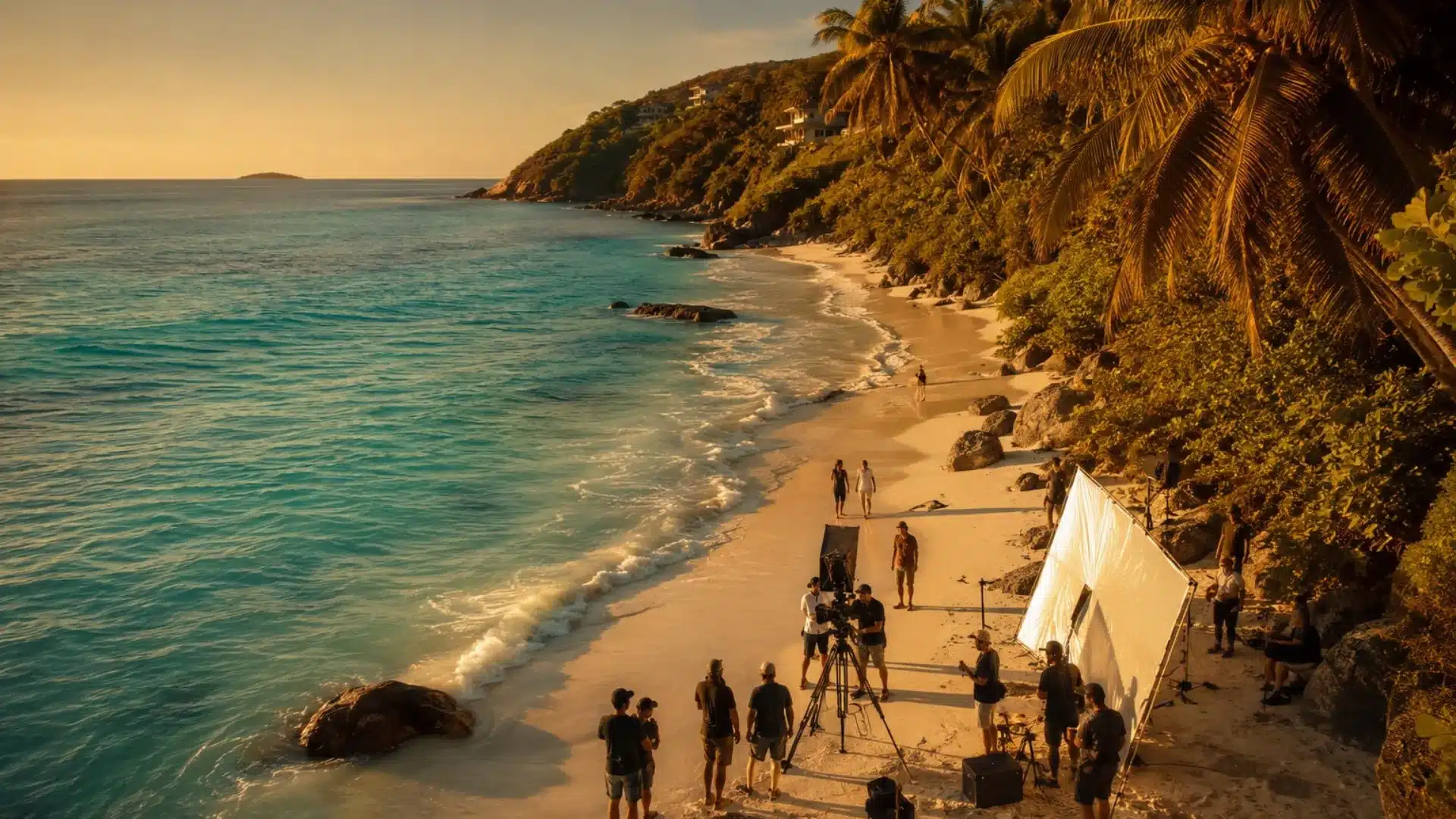
Principal photography demands precise sequencing across land and sea.
- Local crew sourcing and department coordination
- Equipment rental and freight management
- Government liaison oversight
- Marine scheduling and safety supervision
- Traffic and public space coordination
- On-site production management
Daily operations may involve synchronized vessel transfers, shallow-water staging, and weather monitoring. Clear communication between marine and land units supports efficiency.
Post & Wrap
Administrative discipline ensures compliance and incentive recovery.
- Incentive reporting documentation
- Payroll reconciliation
- Vendor settlement
- Equipment export coordination
- Permit closure procedures
Structured wrap processes protect financial eligibility and long-term filming access.
Film Fixers in The Bahamas
Experienced Film Fixers in The Bahamas understand the layered complexity of marine production combined with national permitting procedures.
Productions may engage with:
- National film authorities
- Port and maritime officials
- Private island owners
- Resort operators
- Environmental agencies
Local coordinators support transparent budgeting, vessel management, realistic weather scheduling, and structured documentation.
In an environment where tides and marine conditions influence daily operations, proactive coordination significantly reduces risk.
Filming Regulations & Permits
Filming in The Bahamas typically requires authorization through national film authorities. Public space filming, marine operations, and drone use require formal clearance.
Drone operations are regulated and subject to aviation authority guidelines. Marine filming may require notification to maritime authorities, particularly when operating near commercial shipping lanes or protected reef areas.
Equipment imports are managed through customs procedures aligned with temporary import frameworks. Early documentation submission protects timeline stability.
Productions seeking incentives must comply with structured reporting requirements and financial audits.
Incentives & Tax Credit Framework
The Bahamas maintains incentive programs designed to attract international film and television productions. Qualifying productions may receive rebates on eligible local expenditure, subject to minimum spend thresholds and documentation compliance.
Incentive structuring typically involves:
- Project registration prior to principal photography
- Defined qualifying spend categories
- Local payroll and vendor verification
- Structured accounting and audit preparation
Integrating incentive planning into early budgeting discussions improves financial efficiency and recovery predictability.
Clear documentation discipline throughout production ensures smooth rebate processing.
Marine & Underwater Production Capability
Marine filming is one of the country’s strongest assets. Shallow banks allow controlled filming conditions in waist-deep water while maintaining open-ocean aesthetics.
Underwater cinematography may require:
- Dive safety supervision
- Licensed marine operators
- Environmental compliance alignment
- Weather and swell monitoring
- Secure staging for dive equipment
Studio water tanks are also available for controlled marine sequences requiring lighting precision and safety oversight.
Advance marine planning protects both equipment and crew safety.
Private Islands & Resort Coordination
Private islands and resort environments provide controlled aesthetics and integrated infrastructure that can significantly streamline production logistics. Overwater villas, marina access, curated beachfronts, landscaped grounds, and managed guest facilities offer visually refined environments with operational predictability when structured properly.
However, resort filming requires early and structured engagement with ownership groups and management teams. Properties operate as live hospitality businesses, and production activity must align with guest experience standards. Filming approvals typically consider:
- Crew size and movement patterns
- Equipment footprint and staging zones
- Noise levels and lighting impact
- Access to docks, beaches, and restricted areas
- Brand alignment and visual representation
Advance negotiation often includes defined filming windows, controlled access zones, and guest-notification protocols where required. Productions may need to work around peak occupancy periods or restrict activity to specific time blocks.
Private island environments may offer integrated power supply, catering, accommodation, and transport coordination, reducing daily logistical movement. However, this integration depends on clear contractual agreements and realistic scheduling.
Detailed location agreements that define equipment placement, access rights, restoration standards, and operational boundaries improve predictability and reduce last-minute negotiation during principal photography.
Inter-Island Logistics & Transport Sequencing
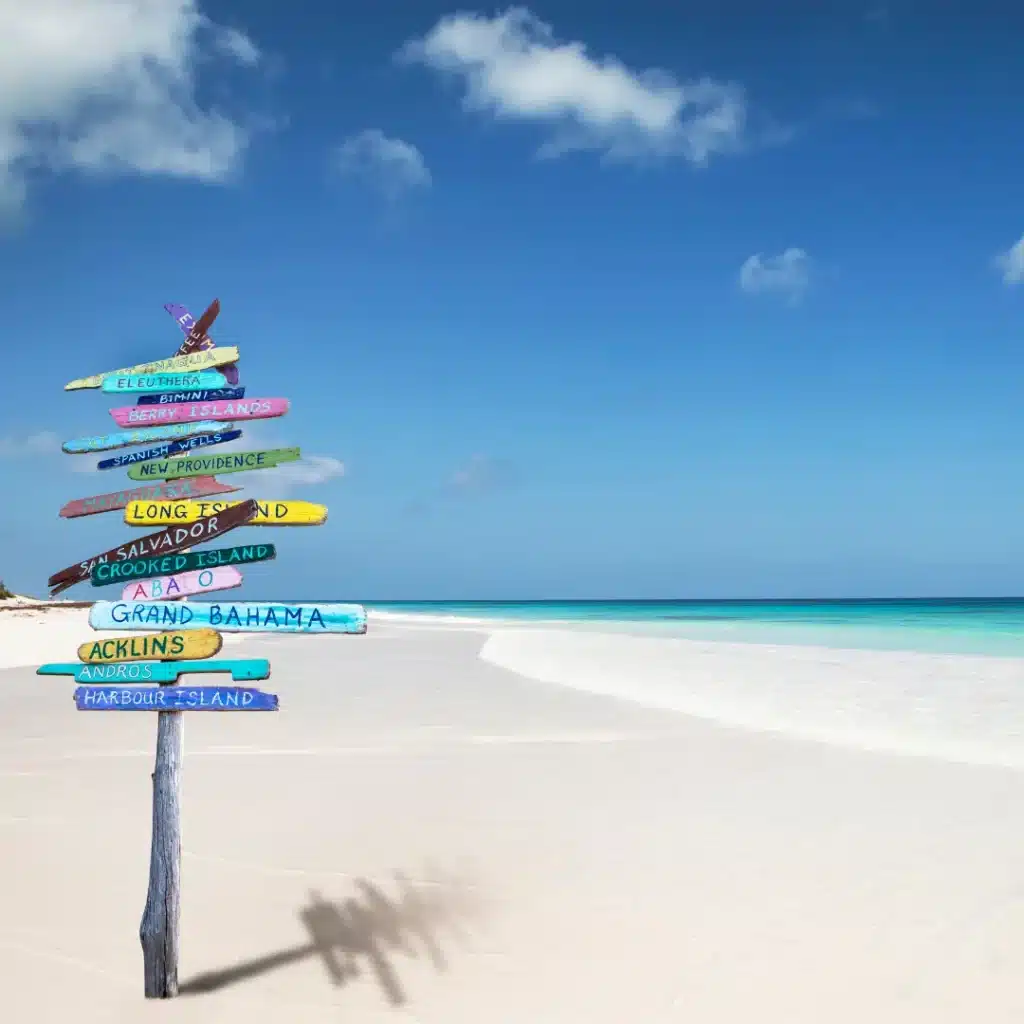
The archipelago structure of The Bahamas requires careful sequencing between Nassau and outer islands such as the Exumas, Eleuthera, or Abaco. Inter-island movement may rely on domestic flights, charter aircraft, ferries, or dedicated marine transport depending on equipment volume and scheduling constraints.
Freight capacity on smaller aircraft and ferries can be limited. Productions should assess cargo weight, oversized equipment requirements, and staging timelines during early budgeting phases. Larger shoots may require staggered freight arrivals to avoid congestion at smaller docks or regional airstrips.
Marine transfers introduce weather-dependent variables. Wind exposure, tidal conditions, and docking availability may influence daily transport schedules. Early coordination with port authorities and marina operators improves timeline reliability.
Accommodation capacity varies significantly by island. While Nassau offers broader hotel inventory and serviced apartments suitable for larger crews, outer islands may have limited room availability. Securing room blocks early prevents peak-season compression and ensures production continuity.
Establishing a primary operational hub in Nassau while deploying satellite units to outer islands can improve oversight and reduce daily inter-island exposure.
Climate & Hurricane Planning
The Bahamas maintains a tropical maritime climate with defined hurricane season considerations typically spanning June through November. Productions scheduled within this window should integrate structured storm monitoring into pre-production planning.
Insurance coverage should reflect regional weather risk, and contingency days should be built into shooting calendars. Coastal and marine-heavy productions benefit from flexible sequencing that allows inland or studio-based work to proceed during periods of elevated sea state or wind exposure.
Wind direction and tidal variation can significantly influence marine filming conditions. Sandbanks may shift visibility depending on water level and sun position. Scheduling flexibility allows productions to optimize water clarity and surface conditions for underwater or shallow-water shoots.
Heat exposure and sun intensity should also be factored into crew welfare planning. Hydration protocols, shaded staging areas, and defined rest rotations maintain operational stability during extended outdoor filming days.
Weather resilience is not reactive; it is structured during early scheduling conversations.
Infrastructure & Crew Capacity
The Bahamas maintains an experienced production workforce, particularly in marine coordination, camera operations, lighting, grip, location management, and water safety supervision. The country’s long history of hosting international studio projects has strengthened technical reliability and workflow familiarity.
International productions often integrate visiting department heads with locally sourced crews, creating hybrid teams that balance global experience with regional knowledge. Local marine specialists and dive supervisors provide essential expertise for underwater and open-water sequences.
Equipment rental providers in Nassau support a broad range of commercial and narrative formats. Camera, lighting, and grip packages are available locally, while specialized or high-volume builds may require advance freight coordination.
Studio tank facilities and controlled build environments complement on-location coastal filming. Centralizing production offices and storage in Nassau strengthens oversight, reduces daily transport complexity, and simplifies incentive documentation processes.
When supported by structured planning and experienced coordination, The Bahamas offers a stable operational environment capable o
Health, Safety & Operational Control
Structured safety planning protects production continuity.
Risk frameworks may address:
- Marine exposure
- Heat and sun exposure
- Boat transfer safety
- Equipment security
- Emergency response coordination
Clear marine safety briefings and defined reporting lines maintain operational discipline.
Film Production Services in The Bahamas
Productions operating in The Bahamas benefit from integrating marine logistics, incentive alignment, and inter-island sequencing into early planning stages. Shallow-water accessibility and visual clarity offer extraordinary creative opportunity when paired with structured scheduling.
Transparent budgeting, disciplined documentation, and proactive vessel coordination reduce operational friction.
When creative ambition aligns with marine safety, incentive planning, and realistic transport sequencing, The Bahamas delivers high-production-value Caribbean visuals within a stable regulatory framework.
Frequently Asked Questions
Do I need a permit to film in The Bahamas?
Most professional productions require authorization from national film authorities, particularly for marine and public-space filming.
Are incentives available?
Yes. Incentive programs are available subject to eligibility requirements and structured documentation.
Can drone filming be approved?
Drone operations require authorization under national aviation regulations.
Is marine filming complex?
Marine filming requires structured vessel coordination and weather monitoring. With preparation, operations are highly manageable.
Are international crews allowed to operate locally?
International crews typically collaborate with locally registered production partners who facilitate compliance and coordination.
Plan Your Production
From shallow turquoise sandbanks and coral reefs to colonial towns and studio tank facilities, filming in The Bahamas offers marine-driven visual scale supported by structured planning and incentive alignment.
If you are preparing a project in The Bahamas, our team can build a compliant, efficient production framework aligned with island logistics and regulatory standards.
Film Locations in The Bahamas

This guide was prepared by the Hoodlum Film Fixers team using official government resources and consultation with trusted local production partners. Our combined operational experience ensures international producers receive accurate, up-to-date guidance when planning film production in The Bahamas.
Useful Links – The Bahamas Film Authorities
- Bahamas Film Commission
https://www.bahamasfilm.com/ - Ministry of Tourism, Investments & Aviation
https://www.bahamas.com/ - Civil Aviation Authority Bahamas
https://www.caabahamas.com/ - Bahamas Customs Department
https://www.bahamas.gov.bs/