Varies depending on the location and individuals visiting the country.






















Production support for international shoots across diverse landscapes, high-density cities, and culturally significant environments.
Vietnam offers exceptional visual range combined with a fast-developing production ecosystem. Our Film Production Services in Vietnam are structured for international crews navigating national permitting systems, provincial authority coordination, and multi-region logistics across urban, coastal, jungle, and river-based locations.
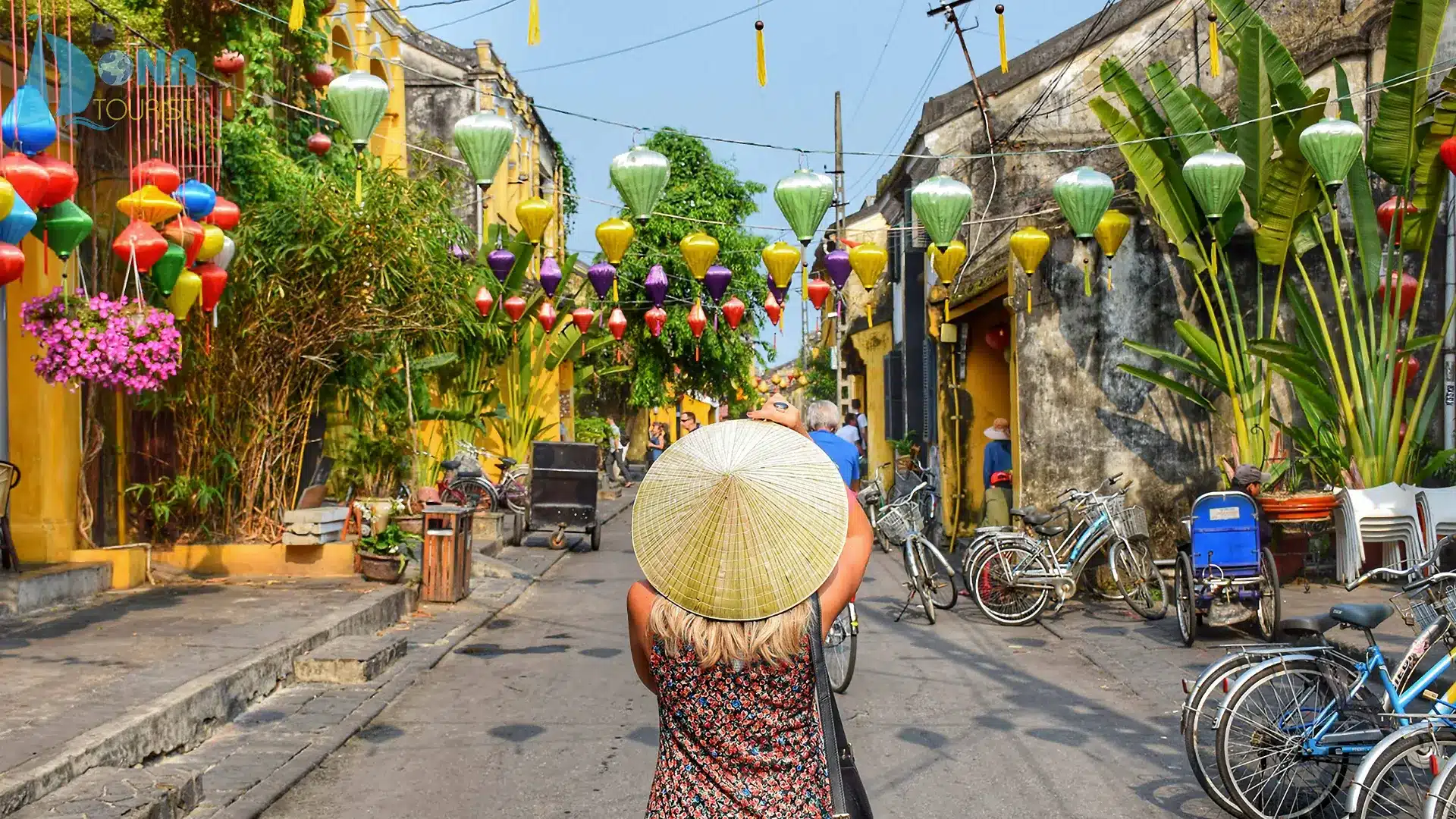
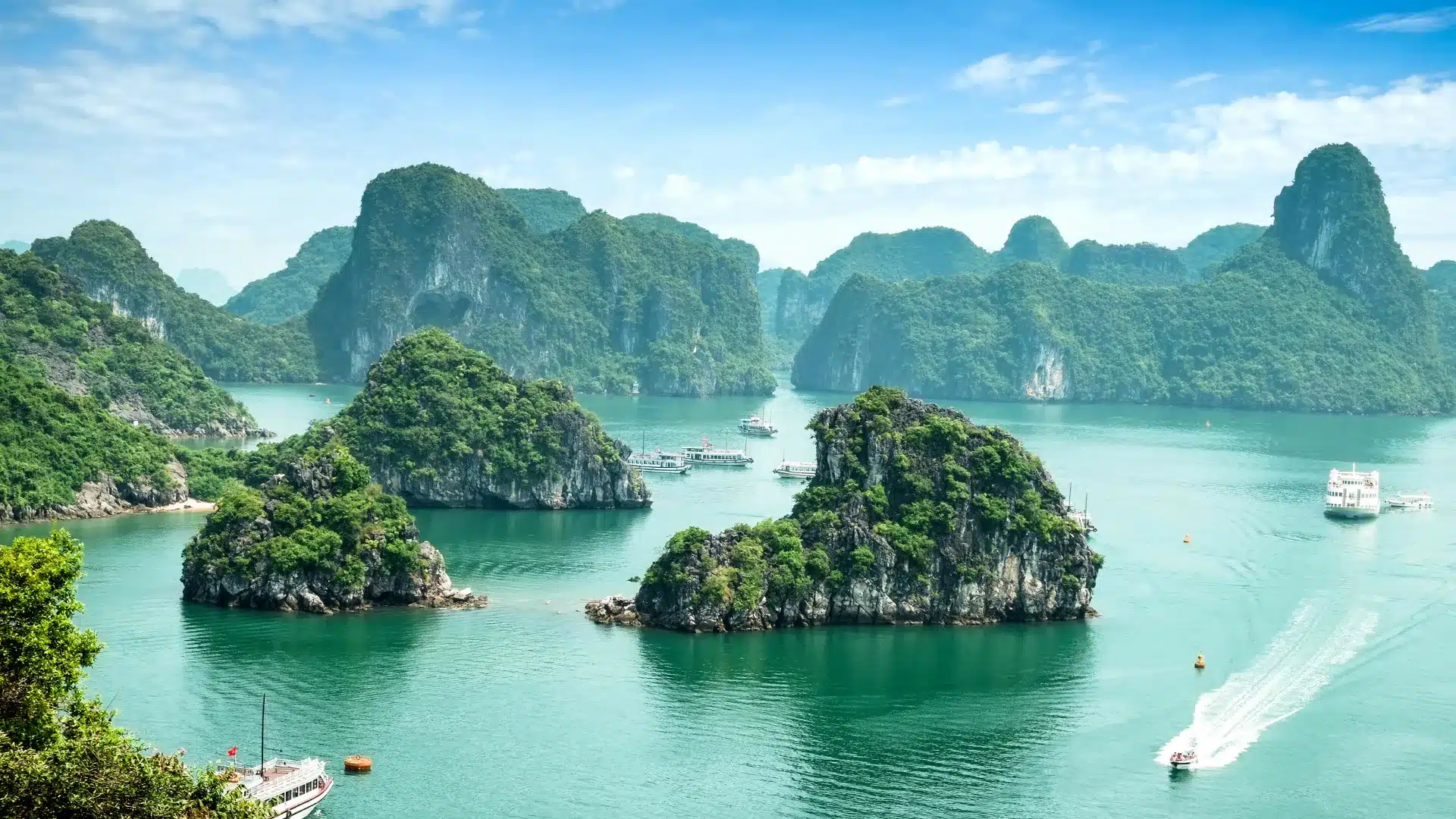
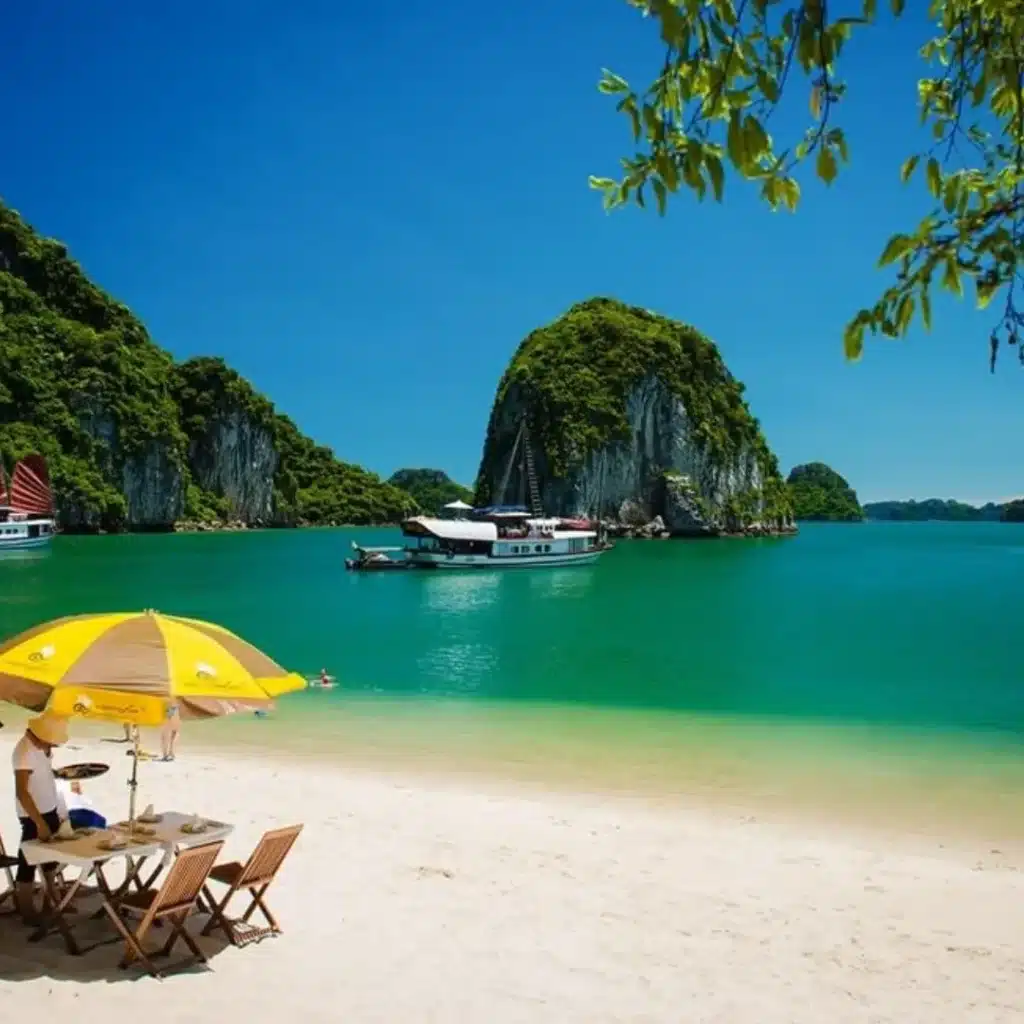
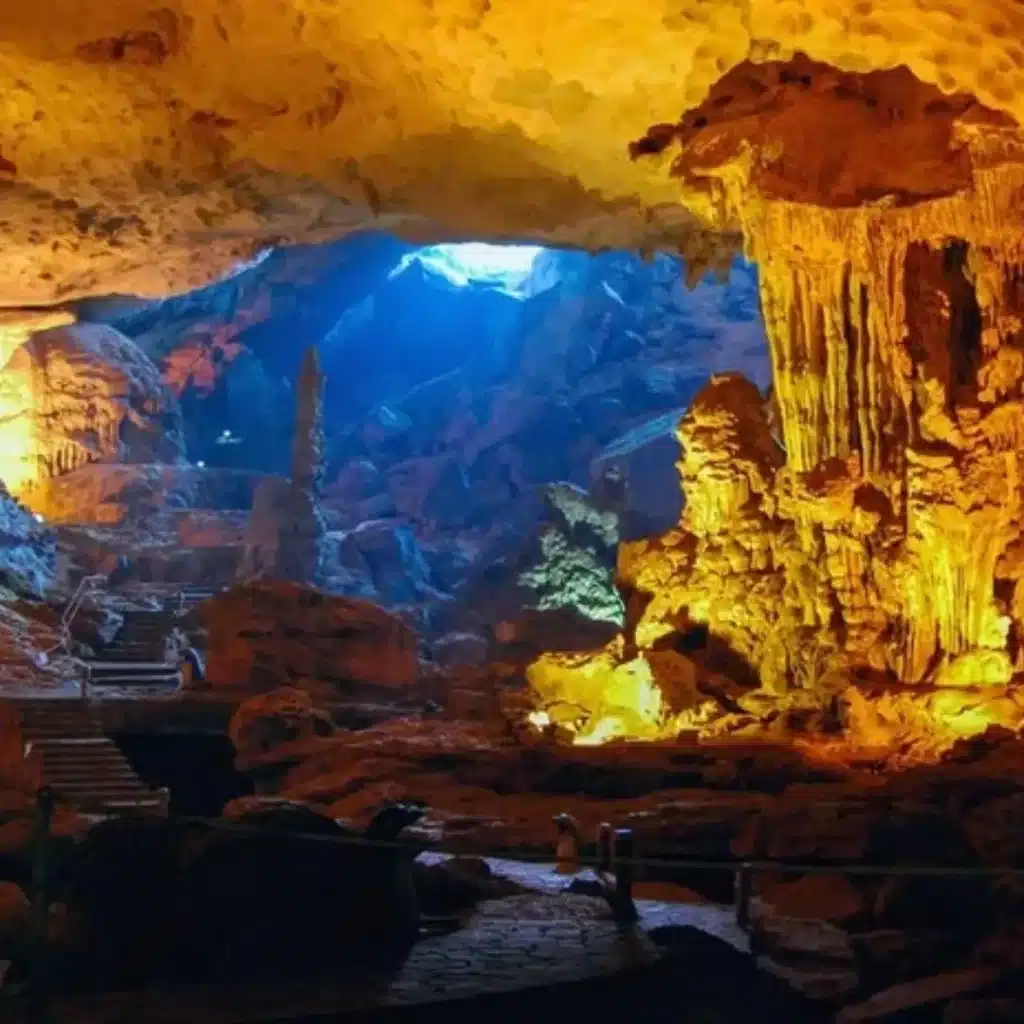
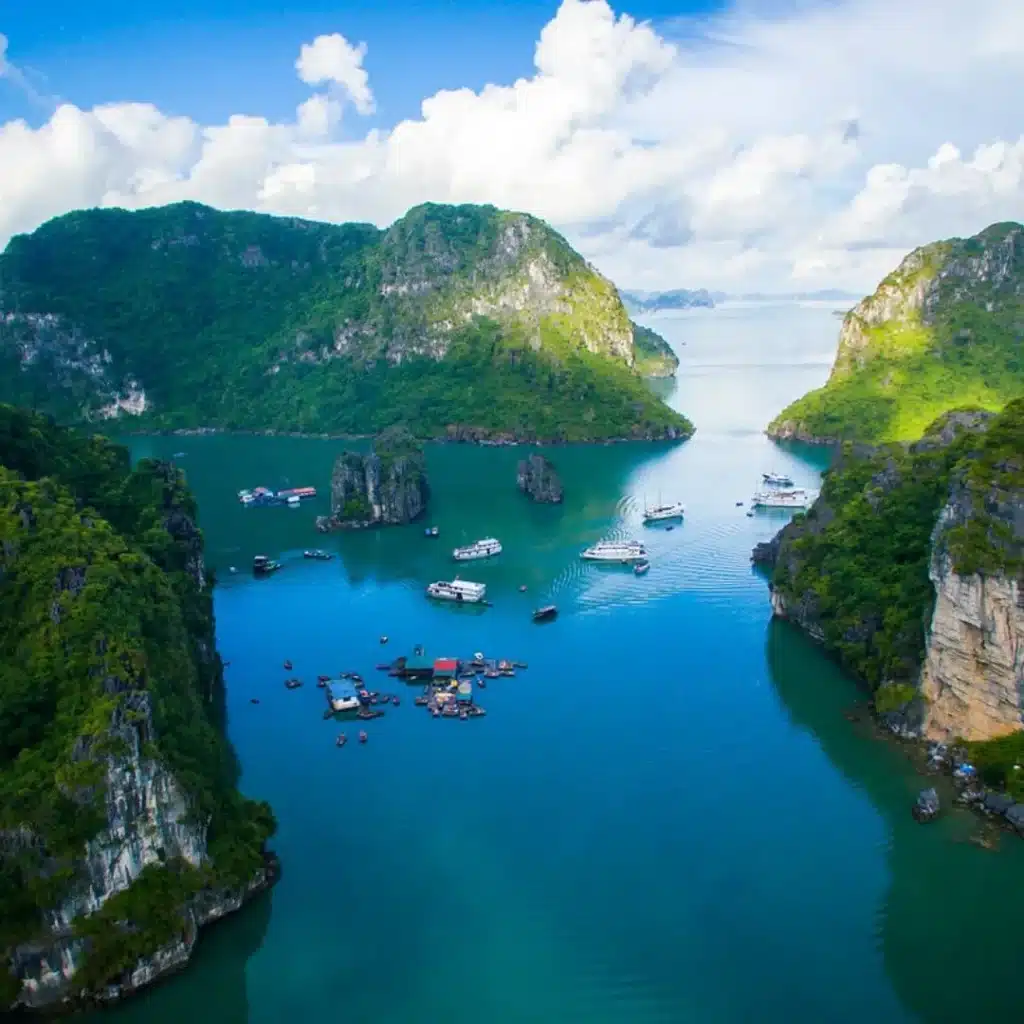
From the limestone formations of Ha Long Bay to the historic architecture of Hoi An, the dense energy of Ho Chi Minh City, and the mountain terrain of the north, the country delivers visual diversity within manageable travel distances. Successful production here depends on early regulatory engagement, regional planning, and structured scheduling aligned with both national and provincial frameworks.
Whether supporting feature films, commercials, documentary projects, branded campaigns, or streaming productions, we build operational systems that allow creative ambition to move efficiently within regulatory and geographic realities.
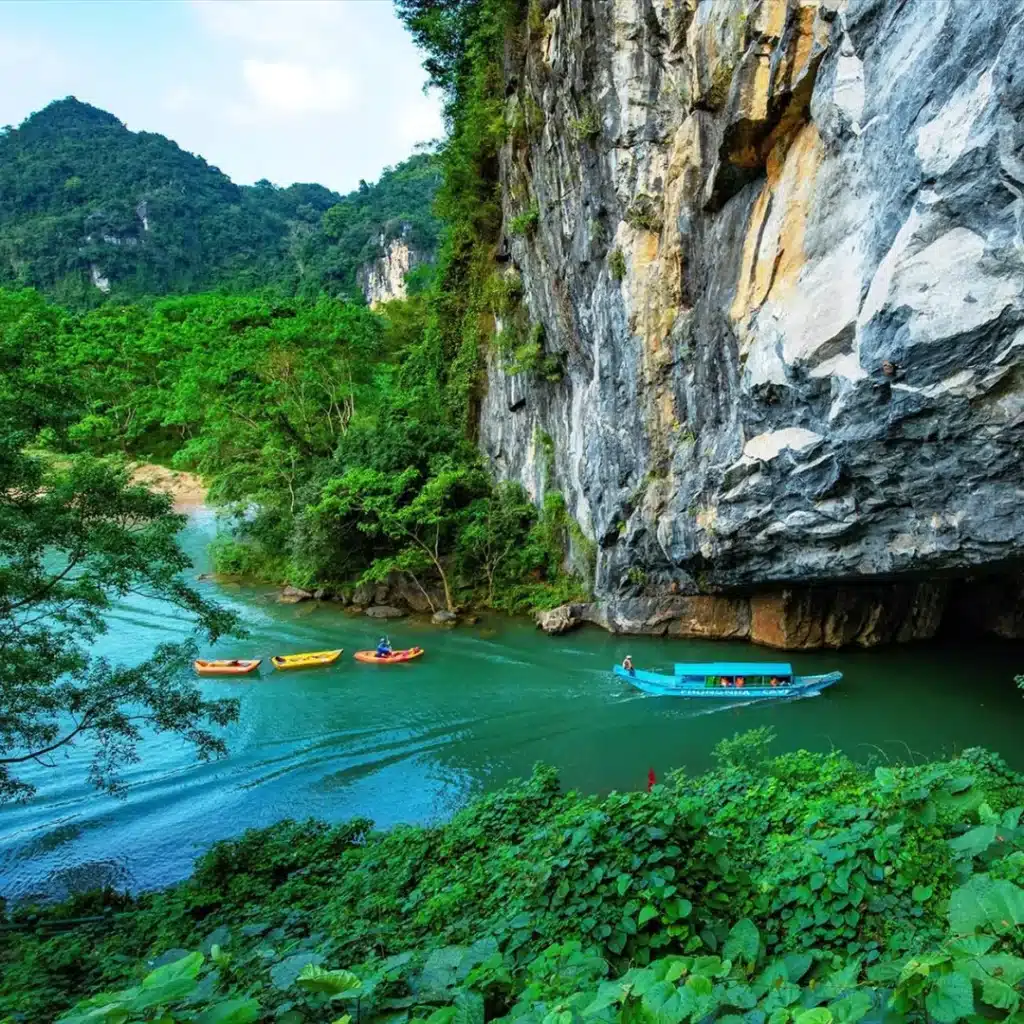
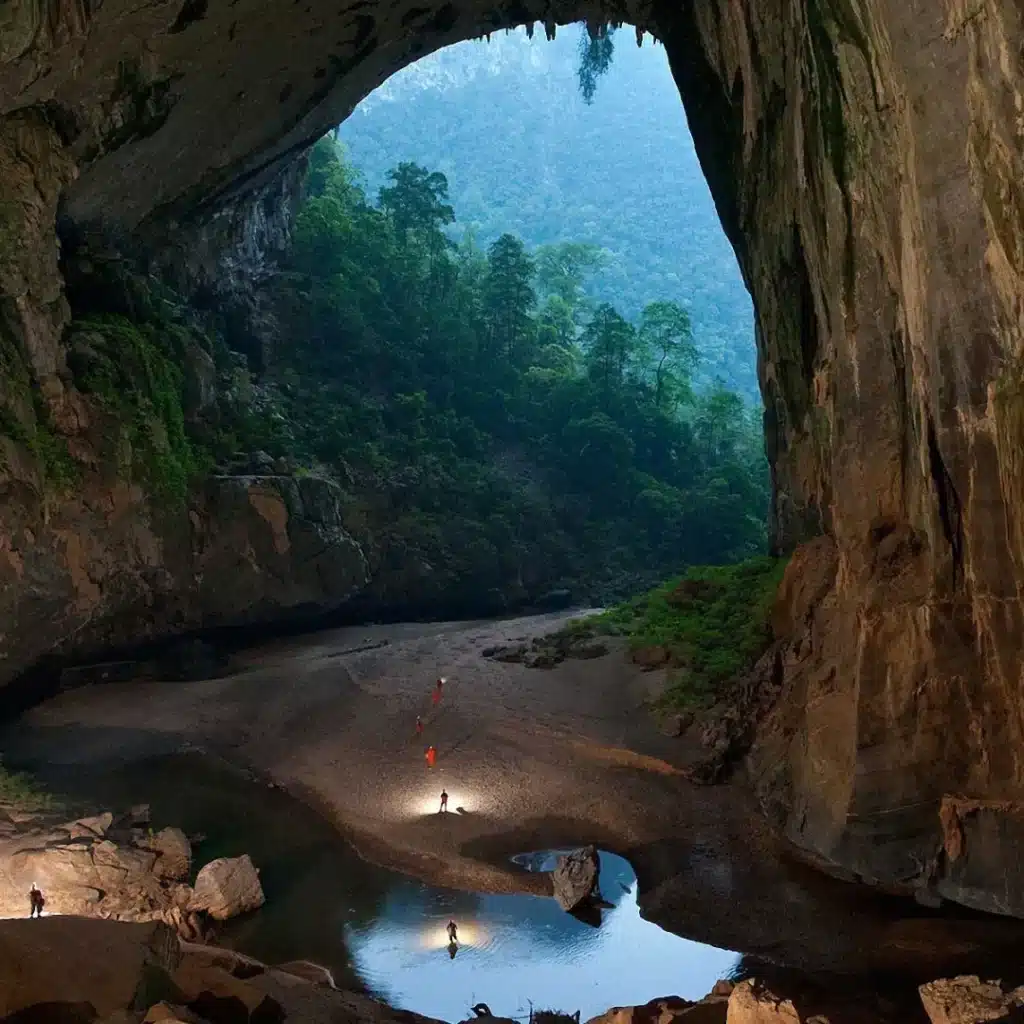
Vietnam provides a rare combination of dramatic natural landscapes and vibrant urban environments. Within a single production schedule, crews can access tropical beaches, dense jungle terrain, karst mountain formations, historic districts, river deltas, modern skylines, and rural agricultural regions.
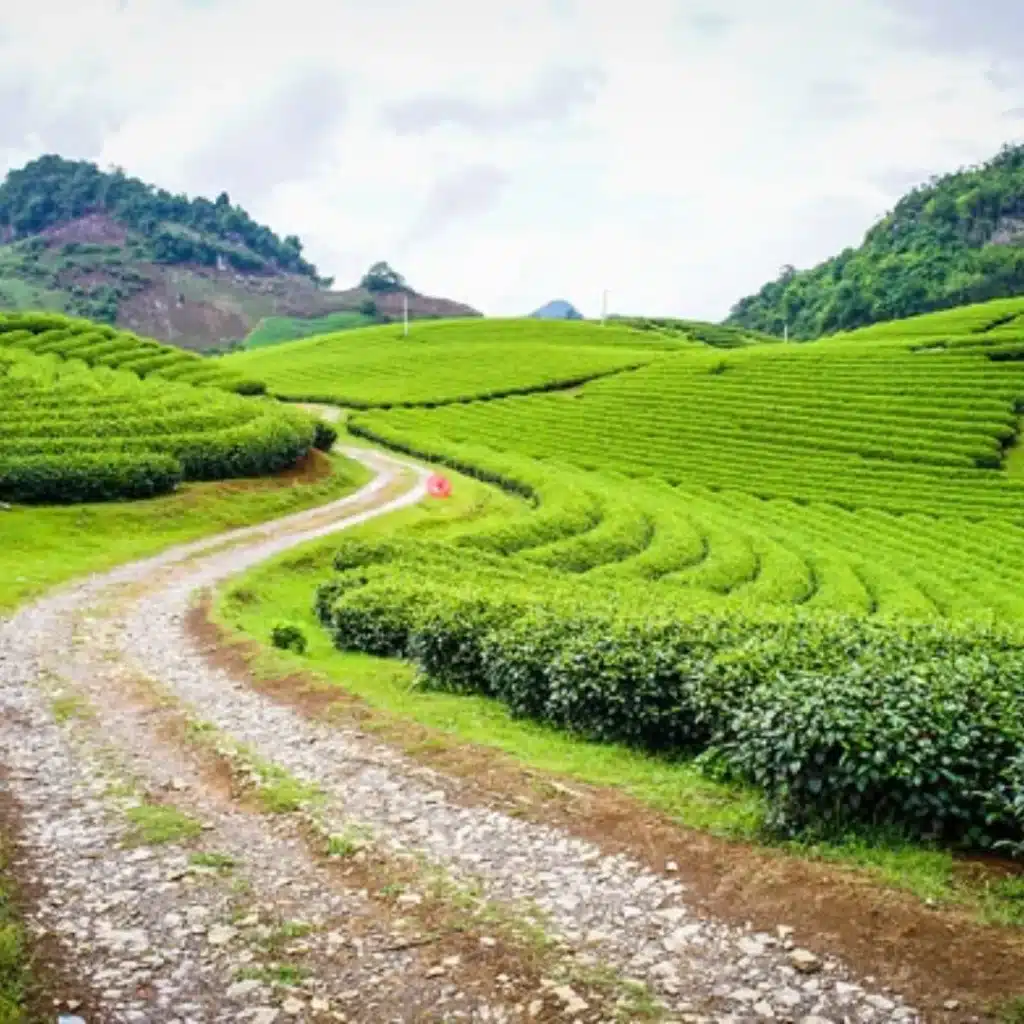
Ho Chi Minh City delivers contemporary urban energy with commercial districts, modern infrastructure, and industrial zones suitable for large-scale campaigns. Hanoi offers colonial architecture, government buildings, lakeside scenery, and historic quarters. Central regions introduce preserved towns, coastal resorts, and heritage sites. Northern provinces provide mountainous terrain and terraced rice fields that shift dramatically with the seasons.
The country’s compact geography allows efficient regional movement compared to larger territories. Domestic flights, road networks, and rail systems connect major hubs, while river systems provide additional visual and logistical opportunities.
Vietnam’s appeal lies not only in visual diversity but in its adaptability. Productions that plan carefully can integrate multiple distinct environments into one cohesive shooting schedule.
Delivering effective Production Support Vietnam requires coordination at both national and provincial levels. Filming approvals often involve central ministries alongside local authority offices, particularly when operating in public spaces, heritage zones, or environmentally protected areas.
Structured documentation and realistic timelines are central to maintaining production continuity.
Preparation is essential for navigating regulatory and geographic variables.
Approval processes may vary depending on the project’s scale and subject matter. Early submission of scripts, schedules, and crew lists supports smoother review cycles.
During principal photography, operational clarity becomes critical.
Urban filming may require traffic control planning and structured shooting windows. Rural or remote filming often involves terrain assessments and localized stakeholder engagement.
Administrative closure ensures regulatory compliance.
Each phase is sequenced to minimize disruption and preserve schedule integrity.
Experienced Film Fixers in Vietnam understand the importance of aligning international production expectations with local regulatory frameworks. Clear communication, cultural fluency, and detailed documentation significantly influence approval timelines.
Local coordinators maintain relationships with provincial departments, cultural authorities, and location stakeholders. This supports efficient processing, realistic budgeting, and smoother on-ground operations.
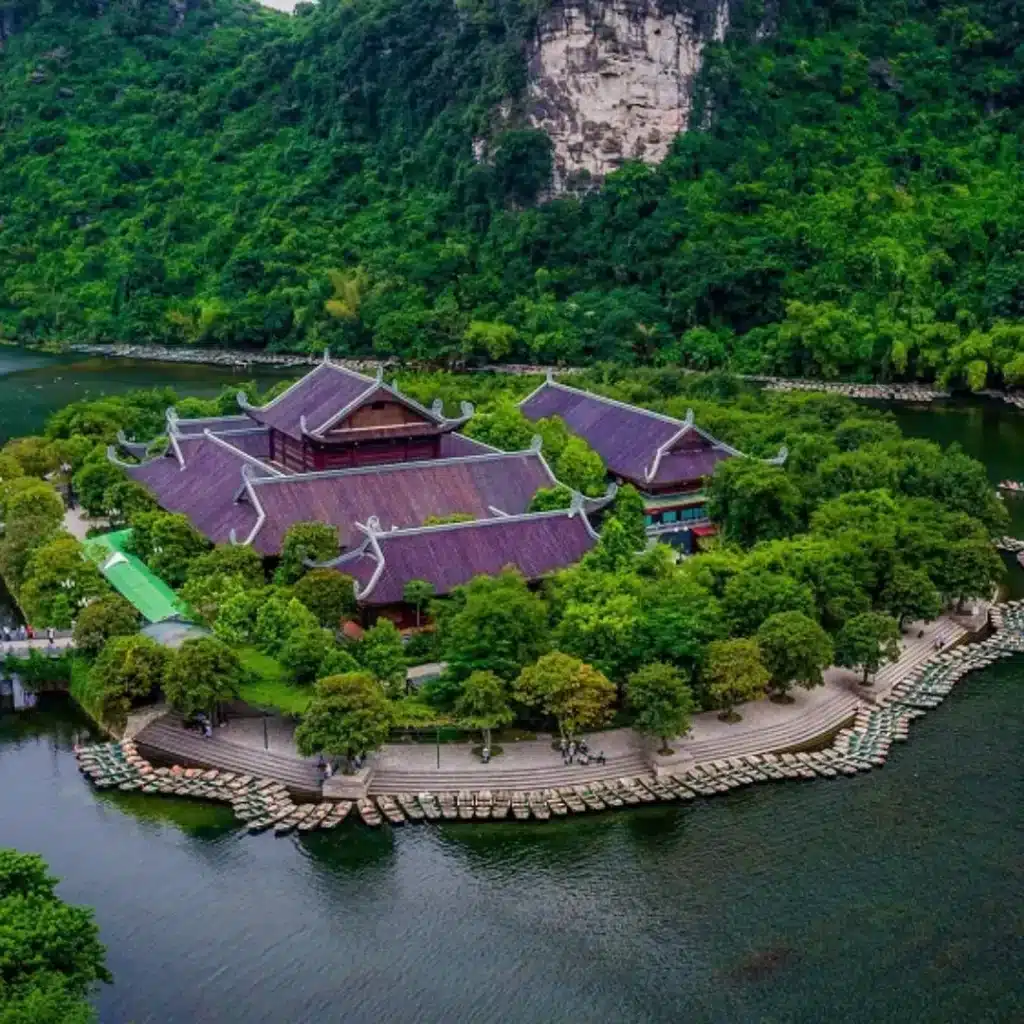
When operating in heritage sites or culturally sensitive areas, local expertise becomes particularly valuable. Understanding protocol and community engagement standards protects both production reputation and scheduling stability.
Filming in Vietnam typically requires formal approval depending on project scope, location type, and subject matter. Public space filming, drone usage, and work in heritage areas require structured authorization processes.
Drone operations are regulated and require advance approval. Airspace considerations and operating zones influence application requirements.
Projects involving culturally significant sites or historical locations may require additional review and coordination with preservation authorities.
Equipment imports are handled through established customs frameworks. Temporary import documentation should be prepared in advance to prevent clearance delays.
Early engagement with relevant authorities remains essential to protecting production timelines.
Ho Chi Minh City presents dense traffic patterns, modern commercial architecture, and high-rise skylines. Filming in central districts may require traffic management planning and defined crew footprints. Early coordination with municipal offices improves access predictability.
Hanoi offers a contrasting environment, combining historic streets, lakeside views, colonial-era buildings, and contemporary infrastructure. Controlled filming in heritage districts often requires careful planning to balance public activity and production needs.
Both cities provide access to experienced technical crews, rental houses, and post-production facilities. However, detailed scheduling is necessary to accommodate traffic flow and public space use.
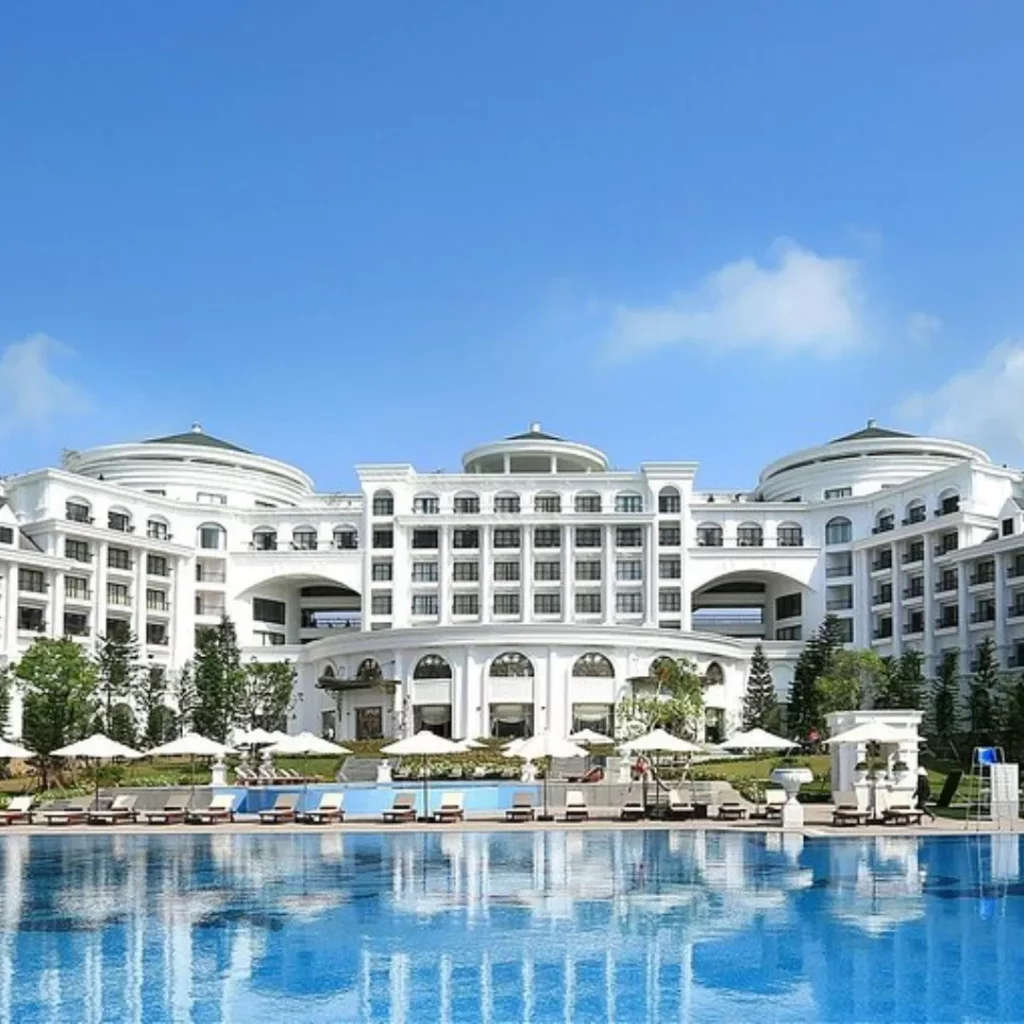
Vietnam’s coastline stretches extensively, offering beaches, fishing villages, cliffs, and resort environments. Coastal production often involves marine safety coordination, weather monitoring, and tidal scheduling.
Island filming requires transport sequencing aligned with boat or ferry schedules. Equipment staging areas may need to be identified in advance, particularly in areas with limited dock infrastructure.
Wind conditions, seasonal storms, and monsoon cycles should be integrated into production calendars.
Northern provinces provide mountainous terrain, terraced rice fields, forested areas, and elevated viewpoints. These landscapes deliver strong visual identity but introduce terrain and climate considerations.
Production planning in mountainous zones may require:
Humidity and rainfall can influence equipment handling procedures in jungle environments. Structured risk planning reduces exposure to environmental variables.
The Mekong Delta offers waterways, floating markets, and agricultural landscapes. River-based filming introduces additional coordination layers including vessel safety planning, navigation permits, and tide-based scheduling.
Boat-mounted camera setups and floating staging areas require careful balancing of safety and stability. Advance marine planning ensures safe execution without compromising creative objectives.
Vietnam experiences seasonal variation influenced by regional monsoon cycles. Northern regions have cooler winters and humid summers, while southern regions maintain a tropical climate year-round.
Rainfall patterns influence scheduling decisions, particularly for outdoor shoots. Building contingency days into production calendars improves resilience against weather disruptions.
Seasonal agricultural cycles may also influence location aesthetics, particularly in rural and mountainous regions.
Vietnam’s production industry has expanded in recent years, particularly in major urban centers. Camera, lighting, grip, art department, and post-production teams are available in key hubs.
International productions frequently combine local crew with foreign department heads. Clear workflow structures and bilingual coordination enhance collaboration efficiency.
Equipment rental availability is strongest in Ho Chi Minh City and Hanoi, with regional freight coordination required for remote shoots.
Vietnam has introduced incentive frameworks aimed at attracting international projects. Eligibility criteria and application processes may vary depending on production type and spend levels.
Understanding incentive timelines and documentation requirements early supports financial planning and structured budgeting.
Incentive applications may require detailed local spend verification and compliance reporting.
Urban density, remote terrain, and marine environments each introduce distinct safety considerations.
Structured risk planning typically addresses:
Clear safety briefings and defined reporting lines protect crew welfare and operational continuity.
Productions operating in Vietnam benefit from integrating regulatory planning, terrain evaluation, and seasonal awareness into early pre-production phases. Provincial coordination timelines should be factored into scheduling frameworks, particularly for projects operating across multiple regions.
Transport sequencing between cities, coastal areas, and mountainous provinces influences both budget and call sheet design. Structured route planning prevents unnecessary downtime during location transitions.
When creative objectives align with realistic regulatory engagement and logistical sequencing, production efficiency improves significantly. With detailed preparation, Vietnam’s geographic diversity becomes a powerful cinematic asset.
Most professional productions require formal approval, particularly when filming in public spaces, heritage areas, or operating drones.
International crews typically operate in partnership with local production companies that facilitate permits and compliance procedures.
Drone operations require advance authorization and must comply with designated airspace regulations.
Incentive programs may be available depending on project scope and eligibility criteria.
Rural filming requires terrain assessment, transport sequencing, and local coordination. With proper planning, projects can operate efficiently.
From limestone cliffs and tropical coastlines to high-density urban districts and mountainous terrain, filming in Vietnam offers creative range supported by structured coordination.
If you are preparing a project in Vietnam, our team can build a compliant, efficient production framework aligned with regional regulations and operational realities.

This guide was prepared by the Hoodlum Film Fixers team using official government resources and consultation with trusted local production partners. Our combined operational knowledge ensures international producers receive accurate, up-to-date guidance when planning film production in Vietnam.