

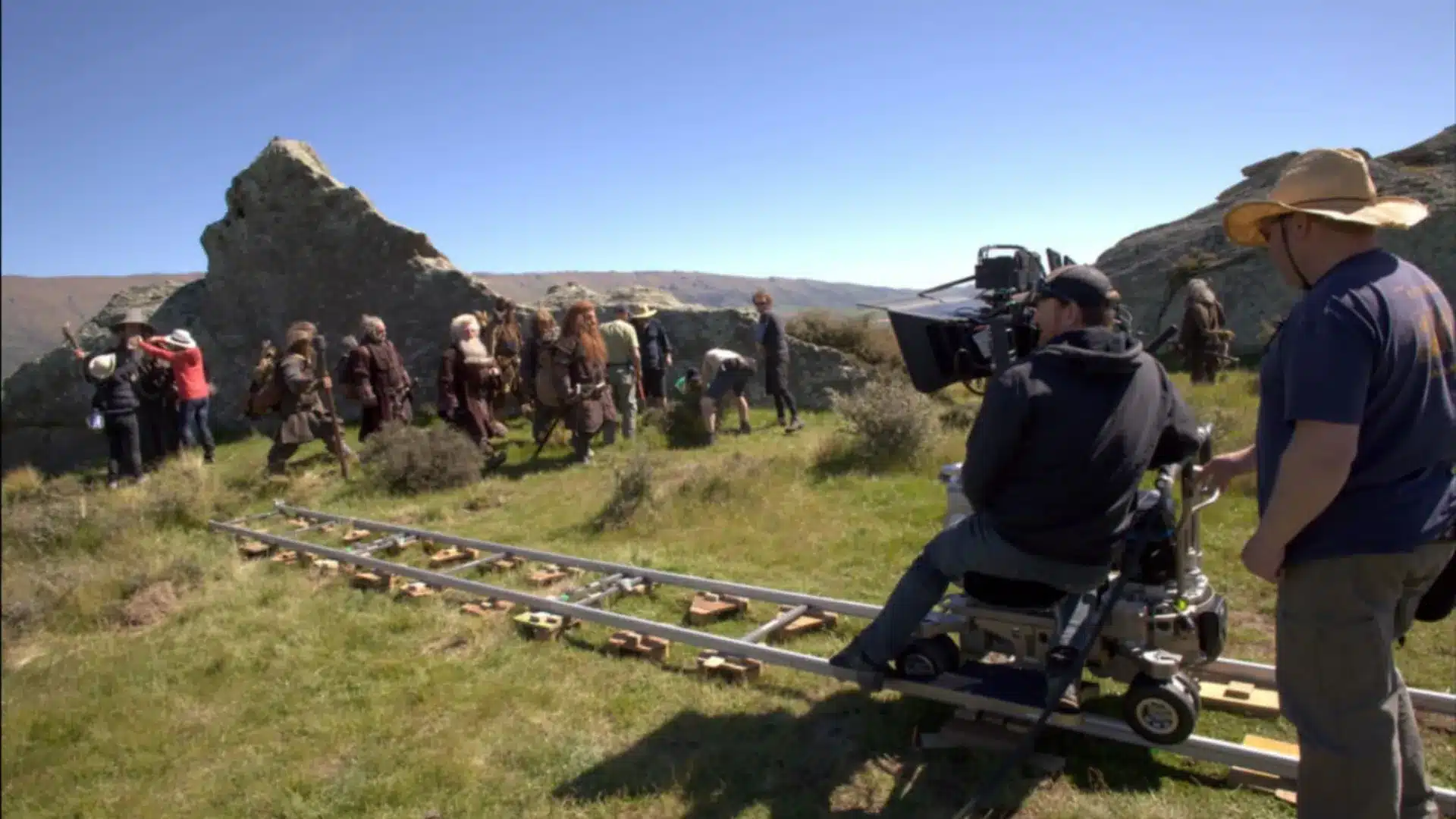
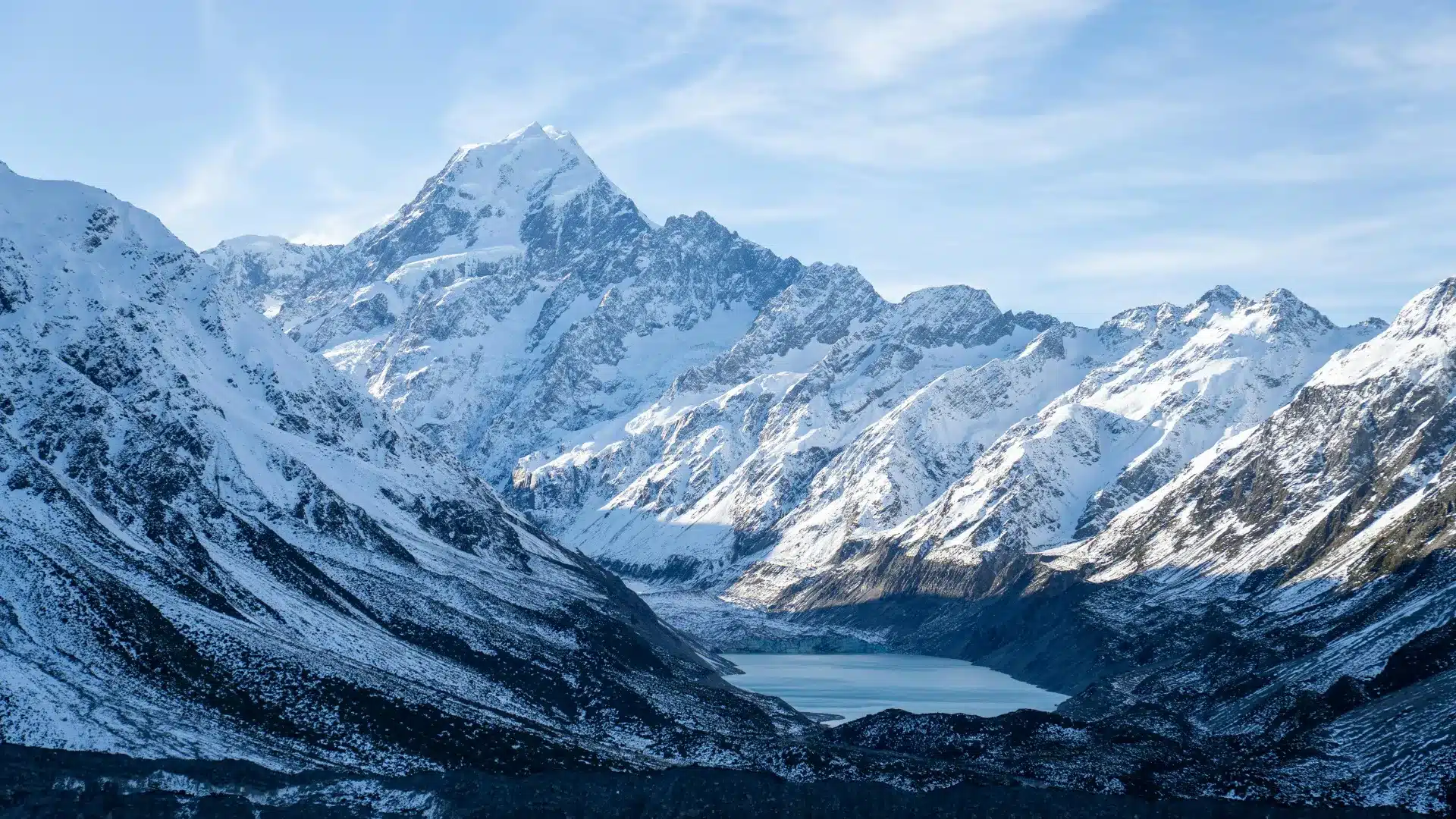
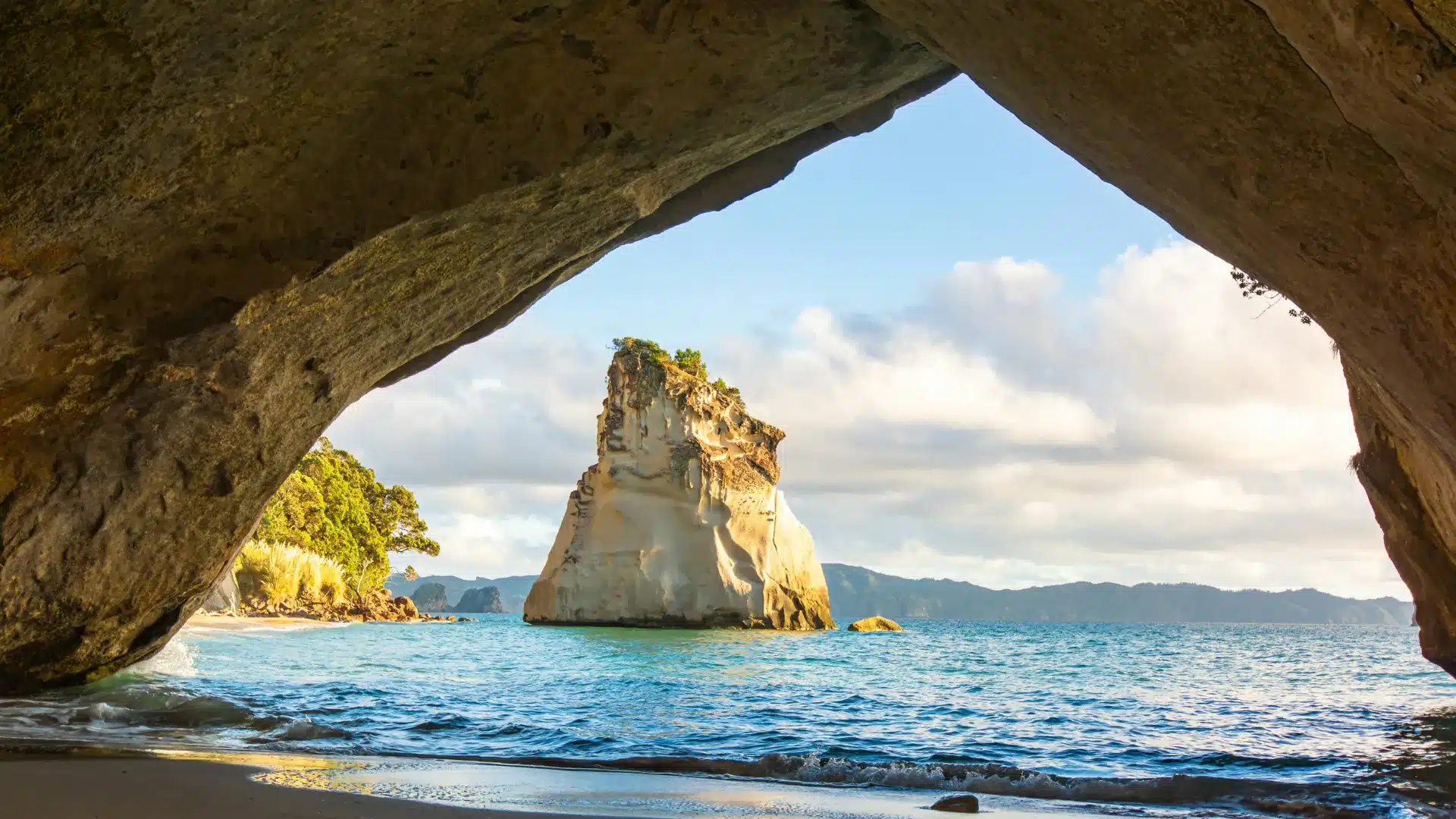
New Zealand is one of the world’s most respected filming destinations, known for its extraordinary natural landscapes, experienced crews, and a production environment built to support international projects at the highest level. From dramatic mountain ranges and rugged coastlines to modern cities, forests, and rural landscapes, the country offers exceptional visual range within a compact and well-organised territory.
For international producers, New Zealand combines creative freedom with operational certainty. Hoodlum supports productions across the country, delivering full Film Production Services in New Zealand that allow overseas teams to work efficiently while meeting global production standards.
Whether producing a feature film, television series, commercial, documentary, or premium unscripted content, New Zealand offers a stable, professional, and visually striking environment for production.
Why New Zealand Works for International Productions
New Zealand’s reputation as a global filming hub has been built through decades of consistent delivery on complex international projects. Major studios and streaming platforms continue to choose the country for its reliability, skilled workforce, and supportive screen infrastructure.
Extraordinary Landscape Diversity
Within short travel distances, productions can access:
- Alpine mountain ranges and snow-covered peaks
- Rugged coastlines and remote beaches
- Temperate rainforests and native bush
- Rolling farmland and rural environments
- Volcanic and geothermal regions
- Contemporary urban centres and waterfront cities
- Lakes, rivers, and dramatic fjords
This concentration of visual variety allows New Zealand to double for multiple international locations without cross-border travel.
A World-Class Production Industry
New Zealand’s film industry is internationally recognised for its technical excellence and collaborative approach. Local crews are highly experienced in large-scale features, long-form television, and premium commercial work.
Strengths include:
- Camera, lighting, and grip departments
- Art department and large-scale builds
- Visual effects and post-production
- Action, stunts, and safety coordination
- Long-form scripted production
International productions benefit from crews who are accustomed to global workflows and demanding schedules.
Reliable and Production-Friendly Environment
New Zealand offers a stable legal and regulatory framework, clear safety standards, and a long-standing culture of supporting international screen production. English is the primary language, communication is direct, and systems are transparent.
This reliability makes New Zealand particularly attractive for high-value or logistically complex projects.
International Access and Connectivity
New Zealand is well connected to major global markets through international airports in Auckland, Wellington, and Christchurch. Direct routes link the country to Australia, Asia, North America, and the Middle East.
Domestic travel is efficient, with short flights and well-maintained road networks allowing crews and equipment to move between regions smoothly.
Filming Approvals and Regulatory Framework
New Zealand maintains clear and structured filming approval processes. Requirements vary depending on location, land ownership, and activity type, particularly when working in conservation areas or public spaces.
Applications typically include project details, locations, schedules, safety documentation, and insurance certificates. When managed correctly, approvals are efficient and predictable.
Production Support New Zealand That Keeps Shoots Moving
New Zealand offers an efficient and well-organised filming environment, but successful productions still rely on detailed planning and experienced coordination. While the country is geographically compact, regional differences, weather conditions, and location access requirements make structured preparation essential.
This level of Production Support New Zealand is particularly important when managing multi-location schedules that combine urban centres, rural areas, and remote natural environments within a limited timeframe. With the right planning in place, productions are able to move quickly while maintaining creative and technical standards.
Transport and Crew Logistics
Transport planning in New Zealand is generally straightforward, but careful scheduling remains essential, particularly when productions are working across both the North and South Islands.
Logistics typically involve:
- Crew vans and minibuses
- Technical vehicles and equipment transport
- Domestic flights between regions
- Off-road vehicles for rural or alpine locations
- Private drivers for cast and key creatives
Shoot schedules are designed to minimise unnecessary travel, often grouping locations geographically and allowing realistic transit windows between setups.
Accommodation and Long-Stay Solutions
New Zealand offers a wide range of accommodation options suitable for film crews, from international hotel brands in major cities to regional lodges, motels, and serviced apartments.
Accommodation planning focuses on:
- Proximity to key filming locations
- Comfort for extended stays
- Early call-time flexibility
- Secure storage for equipment
- Access to production meeting spaces
Many accommodation providers are familiar with hosting film crews and are accustomed to the requirements of production schedules.
Location Scouting and Management
New Zealand’s landscapes are visually striking, but selecting the right filming location requires careful consideration beyond aesthetics. Access permissions, environmental protections, weather exposure, and infrastructure availability all play a role in determining feasibility.
Location management typically includes:
- Creative location research and shortlisting
- Photo and video references
- Technical recces and feasibility checks
- Negotiation with councils, land managers, and private owners
- Environmental and cultural assessments
- On-site coordination during filming
This ensures locations function smoothly while meeting creative objectives.
Key Filming Regions Across New Zealand
New Zealand’s primary filming regions each offer distinct visual identities and logistical advantages.
Auckland and Northland
Auckland provides modern urban environments, waterfront locations, and suburban settings, with easy access to beaches, forests, and farmland. Northland offers more remote coastlines and subtropical scenery.
Wellington and the Lower North Island
Wellington is known for its compact layout, coastal settings, and proximity to varied landscapes. The surrounding region offers farmland, rivers, and small-town environments within short driving distances.
South Island Regions
The South Island delivers alpine mountain ranges, lakes, fjords, rugged coastlines, and vast open landscapes. Lower population density allows for controlled shoots and large-scale setups.
Community Engagement and Environmental Awareness
New Zealand places strong emphasis on environmental protection and cultural respect. Filming in public spaces, conservation land, or culturally significant areas requires clear communication and adherence to local guidelines.
Key considerations include:
- Consultation with local councils and communities
- Compliance with environmental regulations
- Respectful engagement with Māori landowners and iwi where applicable
- Minimising disruption to public spaces and natural environments
This approach supports smooth shoot days and long-term filming access.
Managing Productions of Any Scale
New Zealand supports productions ranging from small documentary teams to major international features. Managing this range requires structured workflows and experienced leadership.
Production coordination typically includes:
- Crew onboarding and scheduling
- Department coordination
- Vendor and supplier management
- Daily logistics and call sheets
- Risk assessment and contingency planning
This structure allows creative teams to remain focused while operational details are managed efficiently.
Climate, Seasons, and Production Planning
New Zealand’s climate is influenced by its maritime location and varied topography, resulting in changeable weather conditions that require careful planning. While the country offers filming opportunities year-round, understanding seasonal patterns is essential for outdoor-heavy productions.
With appropriate scheduling and contingency planning, productions can work efficiently across all regions.
Best Times of Year to Film
Late spring through early autumn is generally considered the most reliable period for filming in New Zealand. These months typically provide:
- Longer daylight hours
- Milder temperatures
- More predictable weather patterns
- Comfortable working conditions for cast and crew
Winter months remain workable for many productions, particularly in urban environments, though alpine and high-altitude locations require additional planning.
Regional Weather Considerations
- North Island regions tend to have milder winters and warmer summers, with occasional rainfall throughout the year.
- South Island conditions are more variable, with cooler temperatures and alpine weather in mountainous areas.
- Coastal regions can experience rapid weather changes, particularly in exposed locations.
Planning for weather flexibility is a standard part of production scheduling in New Zealand.
Action, Stunts, and Complex Productions
New Zealand has a long history of supporting technically demanding productions, including large-scale action sequences and physically complex shoots. Local crews are highly experienced in safety-focused execution and collaborative planning.
The country is well suited for:
- Vehicle-based sequences
- Large crowd scenes
- Practical effects and controlled stunts
- Remote and challenging environments
- Physically demanding terrain
Safety planning and risk assessment are integrated into all phases of production.
Marine, Coastal, and Aerial Filming
New Zealand’s coastlines, lakes, and waterways offer visually striking marine environments, from rugged open coasts to sheltered bays and inland lakes.
Marine filming opportunities include:
- Open-water horizons
- Calm lakes and rivers
- Dramatic coastal cliffs
- Remote beaches and fjords
Aerial filming is well supported, with experienced operators and established aviation frameworks governing drone and helicopter use. Approvals vary by location and airspace classification.
Safety, Health, and Risk Management
New Zealand is widely regarded as a safe filming destination, with strong health and safety standards embedded across the screen industry. Productions are expected to follow comprehensive safety planning processes, particularly in outdoor or remote environments.
Risk management considerations include:
- Location safety assessments
- Weather and environmental monitoring
- Terrain and access planning
- Fatigue and workload management
- Emergency response procedures
This structured approach supports both crew welfare and production efficiency.
Medical and Emergency Support
New Zealand has a robust healthcare system, with modern medical facilities available in all major centres. Emergency services are reliable and responsive, and English is the primary language of communication.
For productions operating in remote or high-risk areas, additional planning may include:
- On-set medical professionals
- Remote-area safety protocols
- Emergency evacuation planning
These measures ensure cast and crew welfare remains a priority.
Environmental and Cultural Responsibility
Environmental stewardship and cultural respect are fundamental considerations when filming in New Zealand. Many locations are protected by conservation regulations, and Māori cultural values must be acknowledged and respected.
Productions are expected to:
- Minimise environmental impact
- Follow restoration and waste management guidelines
- Respect wildlife and protected ecosystems
- Engage appropriately with Māori communities and iwi
Adhering to these principles supports sustainable filming practices and long-term access to locations.
Working Across Urban and Remote Environments
One of New Zealand’s defining strengths as a filming destination is the ease with which productions can transition between urban centres and remote natural environments. It is possible to shoot in a modern city setting in the morning and be filming in isolated countryside or rugged coastal terrain within a few hours. This proximity allows productions to achieve visual variety without the logistical complexity typically associated with multi-country shoots. However, this flexibility also requires careful scheduling to account for changing conditions, access limitations, and regional infrastructure differences.
Urban filming benefits from well-managed public spaces, cooperative councils, and crews accustomed to working efficiently in live environments. In contrast, rural and remote locations demand greater advance planning, particularly around access roads, power supply, weather exposure, and crew welfare. Productions that account for these contrasts early in pre-production are better positioned to maintain momentum and avoid unnecessary delays once filming begins.
Infrastructure, Power, and Technical Considerations
New Zealand offers reliable technical infrastructure across most filming regions, but productions should still account for location-specific requirements. Urban areas provide strong access to power, communications, and support services, while rural and remote locations may require generators, satellite communications, or temporary facilities. These considerations are standard practice within the local industry and are typically factored into technical recces and location planning.
Sound considerations are also an important factor, particularly in areas exposed to wind, wildlife, or changing weather conditions. While New Zealand’s natural environments are visually striking, they often require thoughtful sound management strategies to ensure clean audio capture. With proper preparation, these challenges are manageable and rarely impact production schedules, but they reinforce the importance of detailed planning before cameras roll.
A Production Culture Built on Collaboration
New Zealand’s screen industry is known for its collaborative culture and pragmatic approach to filmmaking. Crews are accustomed to working closely across departments and adapting quickly to changing conditions, particularly in outdoor environments where flexibility is essential. This collaborative mindset contributes significantly to the country’s reputation as a reliable place to film, especially for international productions unfamiliar with the terrain or climate.
This culture extends beyond crews to include councils, landowners, and local communities, many of whom understand the value of screen production and its economic and cultural contribution. Productions that communicate clearly, operate respectfully, and plan responsibly are generally met with strong cooperation. This shared understanding helps create an environment where creative ambition and practical execution are well balanced.
Planning for Time Zones and International Coordination
New Zealand’s position in the global time zone means international productions often operate across multiple working days simultaneously. While this requires some adjustment during pre-production, it can be advantageous during post-production and delivery, allowing work to continue around the clock. Clear communication schedules, defined decision-making windows, and well-structured reporting help ensure international stakeholders remain aligned despite time differences. Productions that plan for this early tend to experience smoother approvals, faster turnarounds, and fewer delays once filming is underway.
Post-Production Support and Wrap Procedures
Once filming is complete, well-managed wrap procedures are essential to closing out a production efficiently. New Zealand’s production environment supports a smooth transition from shoot to delivery, whether post-production is completed locally or internationally.
Wrap coordination typically includes:
- Location reinstatement and final clearances
- Permit close-outs and reporting
- Equipment returns and transport coordination
- Documentation archiving
- Handover to post-production teams
New Zealand also offers strong post-production capabilities, including offline editing, sound design, colour grading, and visual effects, allowing projects to complete the full production cycle within the country if required.
Why International Productions Work with Hoodlum
Producing in New Zealand offers extraordinary creative opportunity, but success depends on working with a partner who understands both international expectations and local realities. Hoodlum combines global production experience with practical, on-the-ground knowledge to support productions of all sizes.
A key part of this support comes from experienced Film Fixers in New Zealand, who provide local coordination across cities, regions, and remote locations, ensuring productions operate smoothly within local systems.
This local expertise allows international teams to focus on creative execution while logistical and administrative details are handled efficiently.
Navigating New Zealand with Confidence
New Zealand is a country defined by contrast, scale, and natural beauty. From compact urban shoots to expansive rural and alpine locations, each production environment presents its own challenges and opportunities.
Hoodlum’s role is to simplify complexity, protect schedules, and ensure productions remain focused on storytelling rather than logistics. Every project is approached with the same objective: delivering high-quality results while maintaining safety, compliance, and efficiency.
Frequently Asked Questions – Filming in New Zealand
Do international productions require permits to film in New Zealand?
Yes. Most professional productions require permits, particularly when filming in public spaces, conservation land, or council-managed areas.
How long does it take to secure filming approvals?
Timelines vary depending on location and scope, but approvals are generally efficient when applications are well prepared.
Is New Zealand suitable for large international crews?
Yes. New Zealand regularly hosts large-scale international productions and has the infrastructure and workforce to support them.
Can productions film in national parks and conservation areas?
Filming is possible but subject to specific approvals and environmental guidelines.
Is New Zealand a safe country for filming?
New Zealand is widely regarded as a safe and stable filming destination with strong health and safety standards.
This guide was prepared by the Hoodlum team using current industry knowledge and trusted local partnerships across New Zealand. It is designed to give producers a clear, practical understanding of what to expect when planning a production in the country.
Film Authorities and Industry Resources
New Zealand has a well-established screen production framework, supported by national and regional film bodies.
- New Zealand Film Commission
https://www.nzfilm.co.nz - Film Auckland
https://www.filmauckland.co.nz - Screen Wellington
https://www.screenwellington.com - Film Otago Southland
https://www.filmotagosouthland.nz
These organisations provide official guidance on filming requirements, locations, and regulatory processes.