














Film Production Services in New Zealand
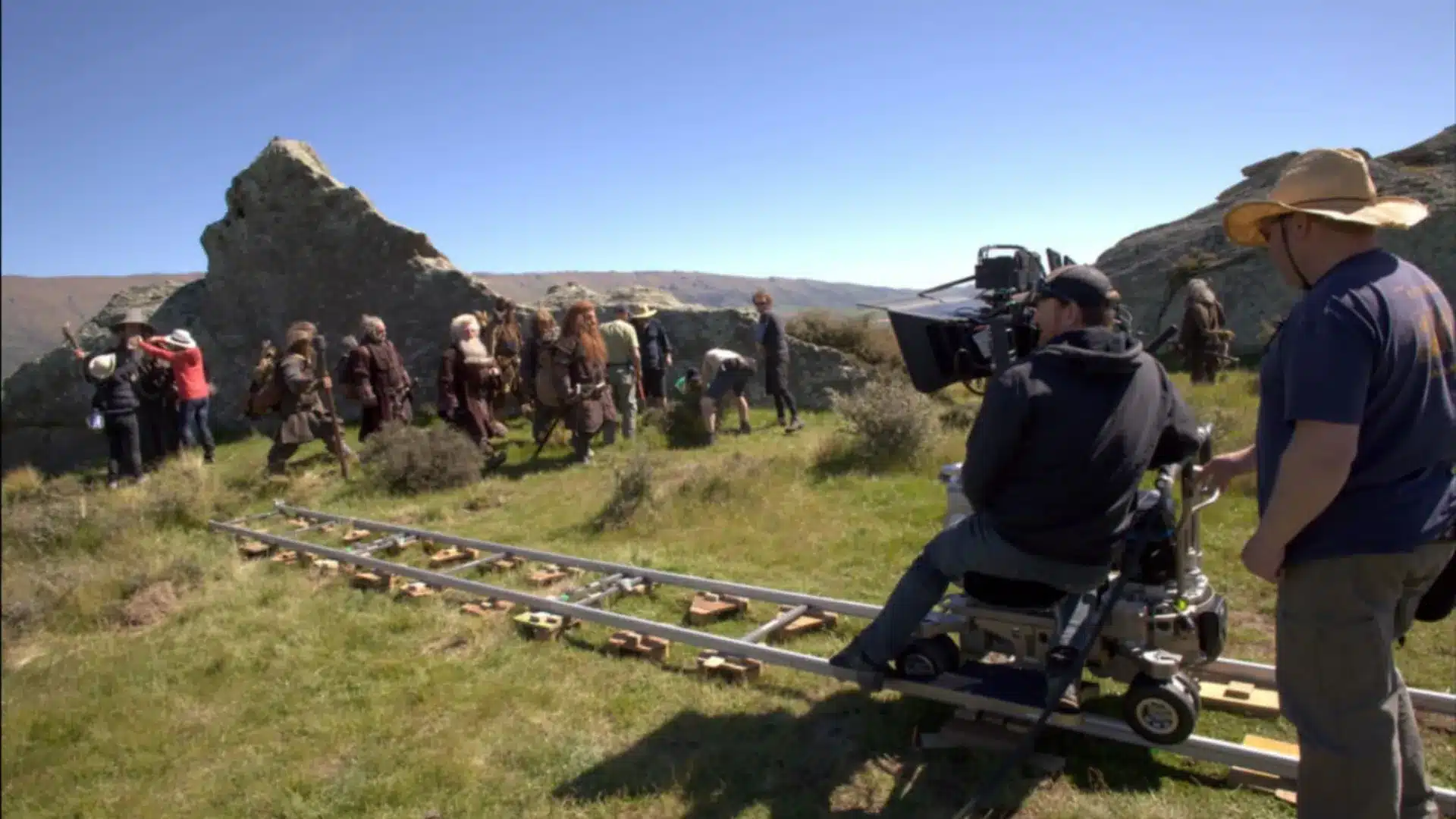
New Zealand is a strong production destination for international crews that need dramatic landscapes, reliable infrastructure, experienced local crew and practical production support. The country can deliver modern city coverage, alpine roads, geothermal environments, fjords, forests, lakes, farmland, coastal highways, studio links and controlled private locations within one production plan.
Hoodlum provides Film Production Services in New Zealand for documentaries, commercials, travel campaigns, reality television, branded content, conservation films, feature projects, automotive shoots, photography and television productions. Our team supports Immigration New Zealand visa planning, local council film permits, Civil Aviation Authority drone coordination, New Zealand Customs ATA Carnet clearance, private location agreements, local fixers, crew sourcing, transport, accommodation, safety planning and on-ground production management.
The country is production-friendly, but international crews still need the right approvals before filming begins. The process can involve immigration documents, location permits, public liability insurance, drone permissions, customs paperwork, health and safety documentation, iwi consultation, Department of Conservation approvals and private property agreements. Hoodlum helps crews identify which permissions apply, which authorities need to be contacted and how to build a realistic schedule around weather, travel, crew movement and access.
Why New Zealand Works for International Productions
New Zealand works because it combines scale with control. A production can base in Auckland for city scenes, suppliers and arrivals, move to Rotorua or Taupō for geothermal and volcanic environments, continue to Wellington for interviews or screen infrastructure, then travel south for Queenstown, Central Otago, Canterbury, Fiordland or the West Coast. That range is valuable for campaigns that need different looks without crossing multiple borders.
The country is especially useful for:
- Commercials and branded content
- Factual entertainment and reality television
- Conservation documentaries
- Travel and tourism campaigns
- Automotive shoots
- Outdoor apparel and adventure films
- Feature films and television drama
- Drone-led landscape sequences
- Photography campaigns
- Sport, endurance and expedition content
The main production advantage is not only the look of the locations. It is the combination of English-speaking crew, established local producers, strong road networks, regional film offices, experienced drone operators, reliable accommodation options and a screen sector familiar with international expectations. New Zealand can be efficient when the route is planned correctly, but it can become expensive if a schedule tries to cover too many distant regions in too little time.
Hoodlum’s production support focuses on making the route work. That includes deciding whether a brief should be based in Auckland, Wellington, Queenstown, Christchurch or a regional hub, and whether famous locations can be replaced by more practical alternatives with similar production value.
Auckland as the Main Production Base
Auckland is the main entry point for many international crews filming in New Zealand. It offers international airport access, hotels, vehicle hire, studios, production suppliers, casting options, local crew, restaurants, waterfront areas, business districts, suburbs, beaches and nearby regional locations. For many shoots, Auckland is both the arrival base and a useful filming environment.
The city can support:
- Corporate films
- Lifestyle commercials
- Fashion shoots
- Documentary interviews
- Reality television
- Harbour and waterfront coverage
- Urban road scenes
- Residential and business locations
- Branded content
- Travel campaigns
Public filming in Auckland may require approval through the relevant Auckland film office or council process. The level of approval depends on the footprint. A small documentary interview with a minimal crew may be simpler than a commercial using public space, parking bays, large lighting equipment, drones, road control, generators or a visible unit base.
Auckland filming applications often need:
- Completed permit application
- Location plan and map
- Public liability insurance
- Filming dates and times
- Crew numbers
- Equipment list
- Parking or traffic details
- Health and safety plan
- Drone details, if relevant
- Public notification plan, if required
Hoodlum helps productions manage city filming by coordinating location access, local permissions, parking, crew movement, council communication, unit base planning and supplier support. Auckland is also a practical launch point for shoots heading to Northland, Coromandel, Rotorua, Taupō, Wellington or the South Island.
Wellington, Miramar and Screen Infrastructure
Wellington is one of the country’s most important screen centres. The city offers harbour views, compact streets, hills, coastal roads, government buildings, creative spaces, studio connections and access to the Miramar screen ecosystem. It can work as a filming location, interview base, post-production link or production hub for projects moving between the North Island and South Island.
Wellington is useful for:
- Feature films
- Television drama
- Commercials
- Documentary interviews
- Government or institutional filming
- Studio-linked production
- Harbour and coastal scenes
- Screen industry stories
Filming in Wellington may require coordination with the Wellington City Council Film Office or the relevant local authority. Public spaces, waterfront areas, roads, parks, reserves, parking areas and controlled sites usually need formal approval when the shoot has a public impact.
Wellington also matters logistically. Crews moving south must plan ferry crossings, weather, vehicle movement, freight, accommodation and travel time. A South Island move should not be treated as a short local transfer, especially with equipment and production vehicles. Hoodlum helps crews decide whether Wellington should be the central base, an interview stop, a council-permitted filming location or the transition point for a wider New Zealand route.
Queenstown, Wanaka and Central Otago
Queenstown is one of the strongest filming regions in New Zealand for alpine visuals, lakes, road sequences, adventure content, winter sports, luxury lodges, tourism campaigns and automotive work. It delivers immediate production value, but it also needs careful handling because it is weather-dependent, popular with tourists and busy during peak seasons.
Queenstown and the surrounding region can support:
- Automotive commercials
- Outdoor apparel campaigns
- Drone landscape filming
- Winter sports coverage
- Luxury lodge content
- Adventure reality formats
- Tourism films
- Photography campaigns
- Feature film sequences
Wanaka, Glenorchy, Arrowtown, Cromwell and Alexandra offer different production textures. Central Otago is especially useful for dry landscapes, open roads, vineyards, small towns, wide terrain and more controllable road-based filming. In some cases, Central Otago can deliver the right visual result with less pressure than the busiest Queenstown locations.
Productions working in this region should plan for:
- Fast-changing mountain weather
- Limited winter access in some areas
- Accommodation pressure during peak periods
- Tourist traffic
- Road safety requirements
- Drone restrictions
- Scenic flight activity
- Local council approvals
- Private landowner agreements
- Safety planning for elevated or remote locations
Hoodlum helps crews structure mountain and road shoots around realistic driving times, weather windows, accommodation, crew availability, drone planning and permit timing.
Fiordland, Milford Sound and the West Coast
Fiordland and the West Coast give New Zealand some of its strongest wilderness production value. Milford Sound, Doubtful Sound, rainforest, waterfalls, mountain passes, glaciers, wild roads and exposed coastline create scale, weather and atmosphere that are difficult to reproduce elsewhere.
These locations are strong for:
- Natural history programming
- Conservation films
- Travel campaigns
- Adventure documentaries
- Automotive shoots
- Outdoor brands
- Feature sequences
- Drone-led landscape work
This region is not simple to film. Rain is common, roads can be slow, accommodation can be limited, communications may be weaker and some areas may require Department of Conservation or local authority approval. Crews also need to think about moisture protection, battery charging, data management, medical access, food, vehicle support and contingency days.
Fiordland should not be treated as a casual add-on to a Queenstown shoot. It needs its own schedule logic. Hoodlum helps productions decide whether the route should involve road access, boat access, helicopter support, local guides, conservation liaison or additional safety planning.
Rotorua, Taupō and Geothermal Locations
Rotorua and Taupō offer a different production identity from the alpine and coastal regions. This part of the North Island can provide geothermal activity, forests, lakes, volcanic terrain, Māori cultural context, tourism operations and adventure infrastructure.
Rotorua is useful for:
- Geothermal visuals
- Forest scenes
- Cultural programming
- Documentary sequences
- Tourism campaigns
- Mountain biking content
- Reality television
- Lake and adventure coverage
Taupō adds lake scale, volcanic plateau roads, rivers, outdoor sport, lodges and access to wider central North Island landscapes. Filming in geothermal or culturally sensitive areas requires careful coordination because some locations involve Māori landowners, iwi or hapū consultation, private operators, tourism businesses, conservation rules or public safety restrictions.
Hoodlum supports productions by identifying who controls access, which permissions are needed, whether the site can support the crew footprint and how to film respectfully in locations with cultural or environmental sensitivity.
Canterbury, Mount Cook and the Southern Alps
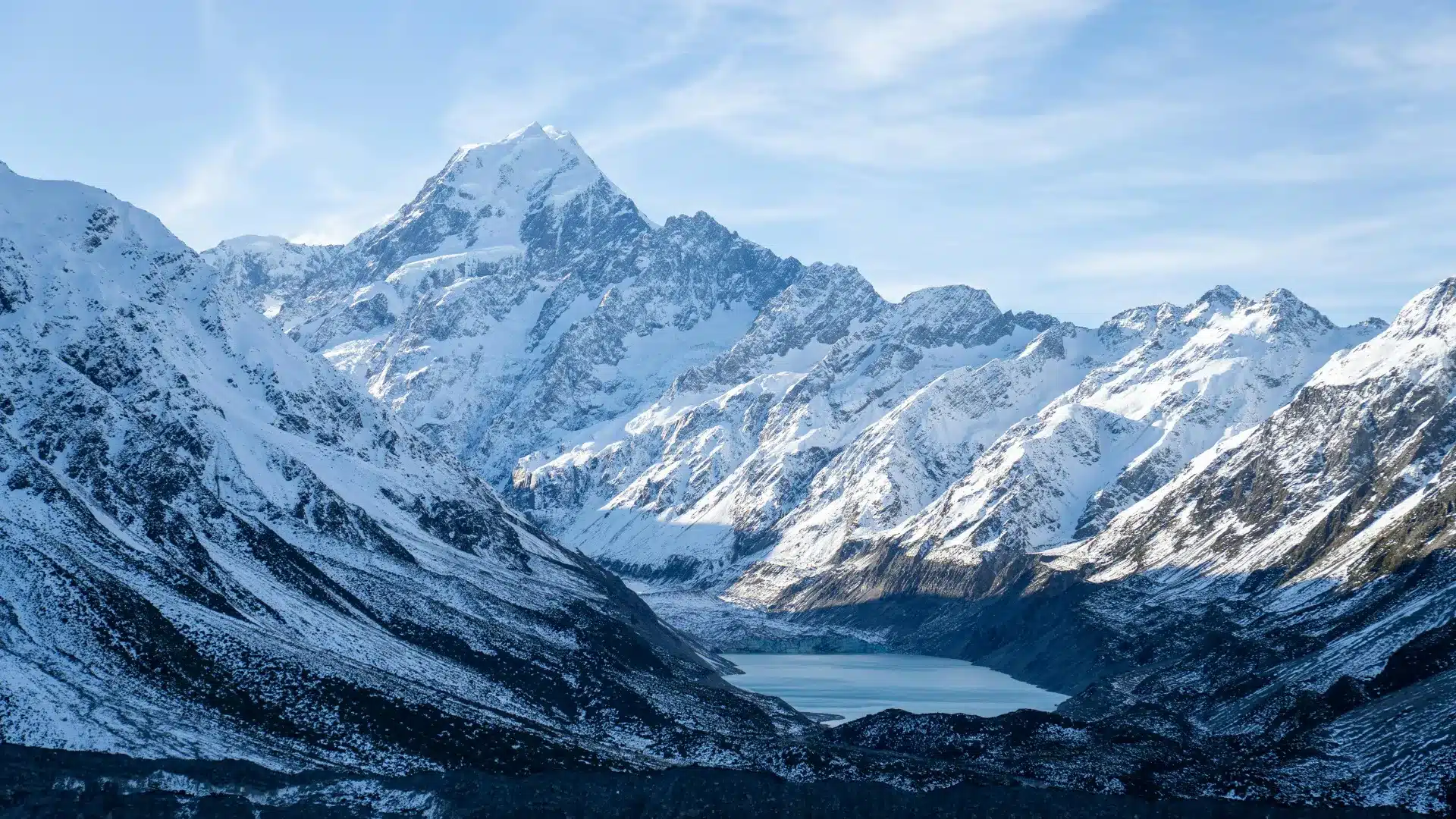
Canterbury and the Mount Cook region provide open plains, braided rivers, glacial lakes, alpine roads, farms, small towns and views of the Southern Alps. This part of New Zealand is valuable for automotive commercials, outdoor campaigns, sports content, feature films, documentary work and photography.
Christchurch can operate as a practical South Island base, especially when a production needs airport access, hotels, suppliers, vehicles and routes toward the Mackenzie Basin, Aoraki Mount Cook, the West Coast or Otago. It can be more efficient than basing everything out of Queenstown when the creative route sits closer to Canterbury.
Productions filming around Aoraki Mount Cook, Lake Tekapo, Lake Pukaki or the Mackenzie Country should consider:
- Conservation land permissions
- Weather changes
- Road access
- Aircraft and drone restrictions
- Tourist activity
- Accommodation availability
- Environmental sensitivity
- Long travel times from city bases
Hoodlum helps crews compare South Island options and choose locations based on access, permits, weather, accommodation and production control rather than reputation alone.
Northland, Coromandel and Coastal Filming
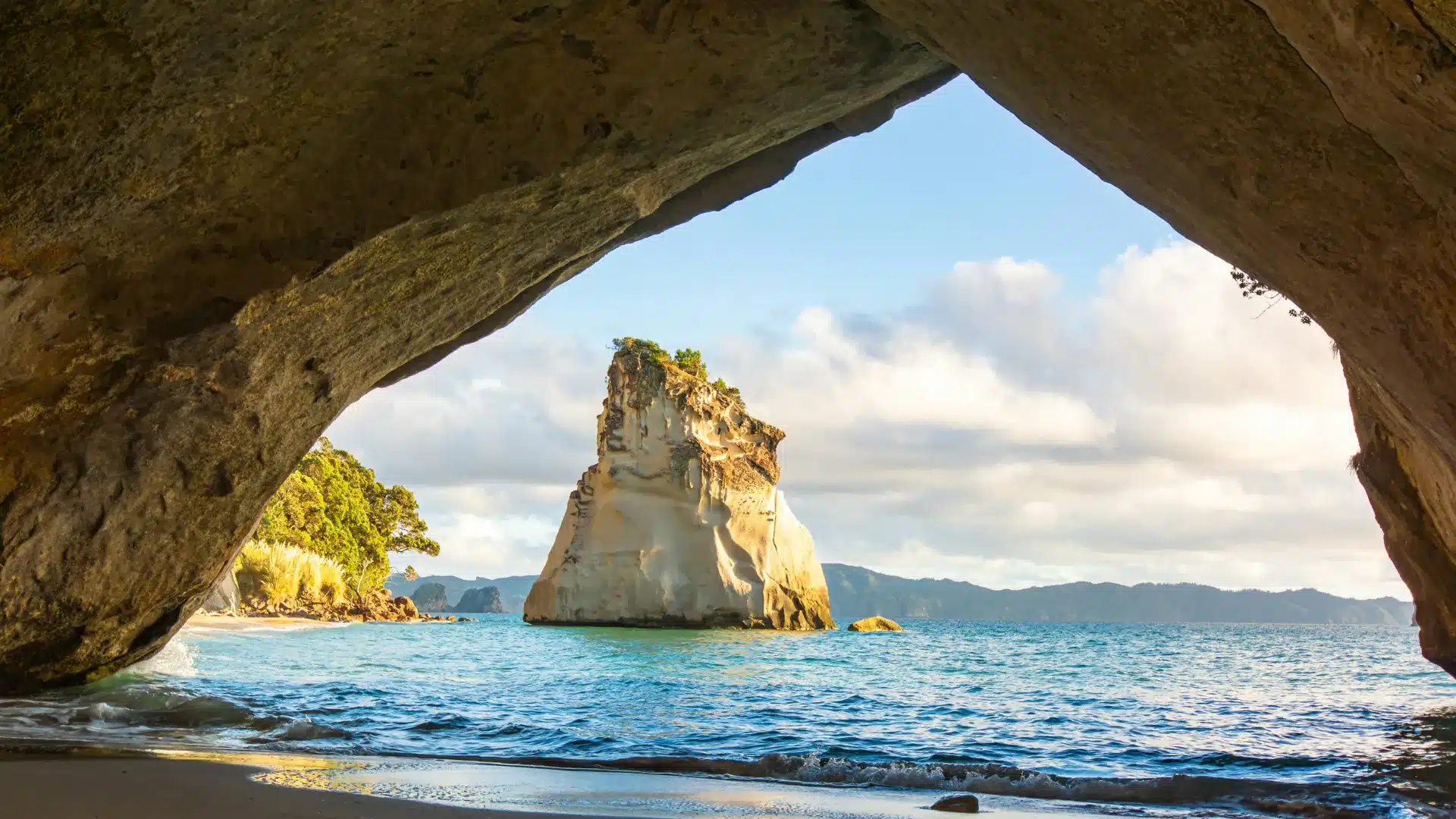
The coastal options in New Zealand are broad and varied. Northland and Bay of Islands can support beaches, boats, harbours, marine lifestyle, subtropical landscapes and tourism content. Coromandel offers forested coastline, beaches, winding roads, holiday towns and controlled coastal visuals. Auckland’s west coast provides black sand beaches and a more rugged volcanic look.
Coastal filming should account for:
- Tides
- Weather
- Marine safety
- Beach access
- Public use
- Parking
- Drone restrictions
- Private property
- Conservation rules
- Boat operators
- Surf or water safety
The coast can look very different from one region to another, so the location choice should be driven by the brief rather than simply choosing the most famous beach. Hoodlum helps crews identify coastal environments that match the creative route and then secure the correct permissions before crew and equipment move.
Visa Requirements and Crew Entry
International film crew travelling to New Zealand need the correct immigration pathway before work begins. The correct route depends on nationality, crew role, length of stay, paid activity, production type and whether the person is working as part of a professional production.
The general Immigration New Zealand online process usually involves:
- Creating an account on the Immigration New Zealand website
- Completing the relevant temporary entry or work visa application
- Uploading supporting documents
- Paying the application fee
- Submitting the application online
Documents may include:
- Passport with at least six months’ validity
- Proof of onward travel
- Health and character certificates, if required
- Evidence of sufficient funds
- Letter of support from the New Zealand Film Commission or production company
- Crew list
- Production schedule
Some temporary entry application costs commonly sit around NZD 335 to NZD 445, while work-authorised or accreditation-related processing can be higher. Fees and categories should be confirmed before filing because immigration requirements can change. Processing can take around 10 to 20 working days for many cases, but larger crews or applications requiring health, character or extra supporting documents should allow more time.
A visitor pathway should not be assumed to cover professional filming activity. Depending on the role, duration and production scope, a Temporary Work Visa or other work-authorised route may be required. Hoodlum helps productions prepare consistent crew lists, production schedules, role descriptions, invitation letters and supporting information.
International Crew Compliance
Productions involving international crew may need to consider tax, employment and health and safety obligations. This becomes especially important when a production hires local crew, contracts local suppliers, works through a local production company, applies for incentives or operates in the country for an extended period.
Compliance considerations can include:
- Inland Revenue Department registration for tax purposes
- New Zealand Business Number requirements where applicable
- Local employment obligations
- Contractor and payroll treatment
- Health and safety responsibilities
- Insurance documentation
- Production accounting records
International crew files may include passports, visa evidence, proof of onward travel, evidence of sufficient funds, production letters, crew lists and schedules. The paperwork should be consistent across immigration, permits, customs, insurance and location files. Hoodlum helps align the documents so the production story, crew roles and filming dates match across the full approval process.
General Film Permits and Local Approvals
There is no single national film permit that covers every location in New Zealand. Filming approval is usually handled by the relevant council, regional film office, public agency, land authority, private owner or site manager.
Authorities can include:
- Auckland Film Protocol Office or Screen Auckland processes
- Wellington City Council Film Office
- Regional councils
- Local district councils
- Department of Conservation for conservation land
- Road controlling authorities
- Port or airport authorities
- Private property owners
- Iwi or hapū representatives where relevant
General film permit applications usually require:
- Completed application form
- Location plan and map
- Proof of public liability insurance
- Permit fee payment
- Health and safety documentation
- Crew and equipment details
- Filming dates and times
- Parking or traffic requirements
- Drone details, if applicable
Permit timings commonly sit around 10 to 20 working days, depending on the location, council, impact and complexity of the shoot. Costs can range from around NZD 200 to NZD 1,000 for many general permit situations, but location fees, road control, council services, traffic management, security or overtime can increase the total.
Hoodlum helps crews identify the correct authority, prepare the application, manage council communication, coordinate location plans and avoid delays caused by incomplete paperwork.
Private Locations and Location Agreements
Private filming locations are arranged directly with property owners, managers, agents, businesses, hotels, lodges, farms, wineries, homes, tourism operators or landholding entities. These locations can offer more control than public spaces, but they still require proper negotiation and written approval.
The usual private location process includes:
- Location scouting
- Ownership research
- Access checks
- Initial owner or manager approach
- Fee negotiation
- Insurance review
- Confirmation of filming dates and times
- Agreement on crew size and equipment
- Signing a location agreement
A location agreement should cover approved areas, access times, parking, overtime, cleaning, restoration, security, cancellation terms, weather holds, drone restrictions, public liability insurance and any content restrictions. Costs vary widely. A small interview in a private house is very different from a multi-day commercial at a lodge, a reality format occupying a property or an automotive shoot on controlled private roads.
Hoodlum helps productions scout, approach, negotiate and manage private locations with the right agreements in place.
Drone Filming and CAA Requirements
Drone filming in New Zealand is regulated by the Civil Aviation Authority. Film crews may need Part 102 certification, an Unmanned Aircraft Operator Certificate, qualified pilots, documented operating procedures, insurance and location-specific permissions depending on the flight plan and risk profile.
Drone planning should consider:
- Civil Aviation Authority rules
- Part 102 certification requirements
- Pilot qualifications
- Third-party liability insurance
- Restricted or controlled airspace
- Local council approvals
- Landowner permission
- Privacy and consent
- Conservation land restrictions
- Airports, heliports and scenic flight activity
- Public safety
Documentation for drone operations may include:
- Completed CAA application form
- Operator’s manual
- Drone specifications
- Proof of insurance
- Pilot certificate or Remote Pilot License
- Organisational certificate for companies
For drone importation, productions may need commercial invoices, packing lists, certificates of origin, bills of lading or air waybills, customs declarations, import permits if required, compliance certificates, product manuals and certificates of conformity. Some drone approvals can take around 5 to 10 working days, but complex operations should be planned earlier.
For many international crews, hiring a locally licensed drone operator is more practical than importing equipment and managing approvals from outside the country. Hoodlum helps decide which route is safer, faster and more production-friendly.
Equipment Customs Clearance and ATA Carnets
New Zealand is an ATA Carnet country, which helps international productions temporarily import professional camera, lighting, sound, grip, drone and production equipment. The ATA Carnet can simplify temporary admission when the equipment list is accurate and the paperwork is prepared before travel.
The general ATA Carnet process is:
- Obtain the Carnet before travel
- List equipment and values accurately
- Pay Carnet fees and any required security deposit
- Present the Carnet at export and import
- Use it for temporary admission
- Re-export the equipment within the allowed period
- Return the Carnet to the issuing authority
Customs documents may include:
- ATA Carnet
- Commercial invoice
- Packing list
- Certificate of origin
- Bill of lading or air waybill
- Customs declaration
- Film permit or local authority approval
- Detailed equipment list
- Values and serial numbers
- Proof of temporary importation
New Zealand Customs Service manages customs clearance. Timing depends on the type of import, value of goods, documentation, inspection requirements and whether equipment arrives as accompanied baggage or freight. Hoodlum helps prepare Carnet documentation, equipment lists, values, serial numbers, freight coordination and arrival plans so clearance does not delay the shoot.
Screen Rebates and Incentives
The New Zealand Screen Production Rebate, known as NZSPR, can support eligible screen production activity that meets the programme rules. Some production categories, including reality television and other screen formats, may be able to access a cash rebate on qualifying local expenditure where the production meets the criteria.
Rebate planning should begin early because eligibility depends on the production type, spend level, structure, qualifying expenditure, local production arrangements, accounting records and current programme rules. Not every international shoot will qualify.
Incentive planning may affect:
- Local production partner selection
- Budget structure
- Payroll
- Procurement
- Contracting
- Accounting
- Audit documentation
- Qualifying expenditure records
- Delivery requirements
Hoodlum can help identify whether a rebate route should be explored and when to involve local accounting, production services or incentive specialists.
Safety, Security and Field Logistics
New Zealand is generally a safe filming destination, but production safety still matters. The main risks are usually environmental, logistical or activity-based rather than high-security threats.
Common production risks include:
- Mountain weather
- Cold water
- Remote roads
- Alpine access
- Helicopter work
- Drone operations
- Boat work
- Surf and marine filming
- Cliffs and uneven terrain
- Forest locations
- Geothermal areas
- Farm environments
- Vehicle shoots
- Long drives and fatigue
- Winter road conditions
- Equipment storage
Productions may need risk assessments, on-set safety personnel, secure equipment storage, traffic or public management, marine safety support, mountain or adventure guides, first aid planning, emergency communication plans, weather monitoring and local authority consultation.
Security needs depend on production profile, equipment value, public exposure and location. Some shoots may need security personnel for high-value equipment, celebrity talent, public filming or overnight storage. Smaller crews may only need practical equipment management and clear unit control. Hoodlum helps build safety and security planning into the schedule before crews reach remote or weather-sensitive locations.
When New Zealand Is the Right Production Choice
New Zealand is the right production choice when a project needs alpine scale, road sequences, wilderness, geothermal environments, coastal access, premium tourism visuals, experienced crew, production-friendly cities and strong local support.
It works especially well for commercials, documentaries, factual entertainment, reality television, automotive shoots, feature films, television drama, conservation stories, travel campaigns, outdoor sport, drone-led landscape sequences and luxury lifestyle productions.
The country may be less suitable for productions that need instant approvals, simple drone importation, extremely low-cost logistics, last-minute protected-area access or multiple remote regions without lead time. The destination is highly workable when immigration, permits, insurance, drone approvals, ATA Carnet documents, location agreements and safety planning are handled early.
Common Production Mistakes
Common mistakes include assuming one national permit covers all filming, leaving council applications too late, treating conservation land like open public access, underestimating weather, failing to secure public liability insurance, importing drones without proper planning, assuming visitor entry covers professional filming work, not preparing a detailed equipment list for customs, underestimating driving times, forgetting inter-island logistics, booking remote locations without accommodation support and ignoring health and safety documentation.
Another common mistake is choosing the most famous location without checking whether a more practical alternative can deliver the same creative result. The country has many visually strong locations, and the best production choice is not always the best-known one. Hoodlum helps crews compare creative value against permits, access, weather, cost, crew movement and risk.
How Hoodlum Supports Productions in New Zealand
Hoodlum provides Film Production Services in New Zealand for international productions that need reliable local support from early planning through wrap. Our services include visa guidance, Immigration New Zealand documentation support, local film permit coordination, Auckland and Wellington filming support, regional council liaison, private location agreements, location scouting, local fixers, crew sourcing, drone planning, Civil Aviation Authority coordination, ATA Carnet and New Zealand Customs preparation, transport, accommodation, safety planning, equipment sourcing and production management.
From Auckland and Wellington to Queenstown, Rotorua, Fiordland, Central Otago, Canterbury, Mount Cook, the West Coast, Northland and Coromandel, Hoodlum helps productions access the country with the right paperwork, permissions, crew and logistics in place.
FAQ
Do international film crews need a visa to work in New Zealand?
Yes. International crew may need a visa or work-authorised immigration pathway depending on nationality, role, length of stay and production activity. Requirements should be confirmed with Immigration New Zealand before travel.
What documents are usually needed for crew visa applications?
Common documents include a valid passport, proof of onward travel, health and character certificates if required, evidence of sufficient funds, a letter of support from the New Zealand Film Commission or production company, crew list and production schedule.
Who issues film permits?
Film permits are usually issued by local councils, regional film offices or the relevant land authority. Auckland productions may work through Screen Auckland or Auckland Council processes, while Wellington shoots may coordinate with the Wellington City Council Film Office.
How long do film permits take?
General film permits often take around 10 to 20 working days, although timings vary by location, council, production impact and complexity.
How much do permits cost?
General permit costs can range from around NZD 200 to NZD 1,000 depending on location, crew size, equipment, public impact and permit requirements.
Can international productions use drones?
Yes, but drone filming must comply with Civil Aviation Authority rules. Professional or higher-risk operations may require Part 102 certification, qualified pilots, insurance, operating procedures and location-specific approvals.
Is New Zealand an ATA Carnet country?
Yes. ATA Carnets can be used for temporary importation of professional filming equipment when the Carnet and equipment documentation are correctly prepared.
Who handles customs clearance?
New Zealand Customs Service handles customs clearance. Productions should prepare ATA Carnet documents where applicable, commercial invoices, packing lists, equipment lists, values, serial numbers and customs declarations.
Does the country offer film rebates?
Yes. The New Zealand Screen Production Rebate can apply to eligible productions that meet the programme criteria, qualifying expenditure rules and current application requirements.
Is the country safe for international filming?
Yes. The destination is generally safe, but productions still need risk assessments, health and safety planning, environmental safety procedures, equipment security and location-specific support.
What are the best filming locations?
Popular filming areas include Auckland, Wellington, Queenstown, Wanaka, Rotorua, Taupō, Fiordland, Milford Sound, Canterbury, Mount Cook, Central Otago, the West Coast, Northland, Bay of Islands and Coromandel.
External Authority Links
- Immigration New Zealand
- New Zealand Film Commission
- Civil Aviation Authority of New Zealand
- New Zealand Customs Service
- Screen Auckland
- Wellington City Council Film Office
Planning a shoot in New Zealand? Contact Hoodlum for visa support, film permits, local fixers, location scouting, ATA Carnet customs planning, drone coordination, crew sourcing and on-ground production management. For more information, you can also visit our Hoodlum Film Fixers New Zealand Google Business Profile for local production details.