Film Production Services Thailand
Thailand is one of the world’s most established and versatile filming destinations, offering vibrant cities, historic landmarks, tropical coastlines, jungle environments, islands, and mountainous regions within one highly production-friendly territory. Hoodlum provides end-to-end film production services in Thailand, helping international producers manage permits, logistics, local crew, location access, and regional movement with confidence and control.
For overseas productions, Thailand delivers a rare balance of creative freedom and operational reliability. Its experienced crew base, developed infrastructure, and broad visual range make it suitable for feature films, commercials, documentaries, branded content, and large-scale unscripted projects. Hoodlum helps turn that production potential into a workable system on the ground, allowing international teams to film efficiently, compliantly, and without unnecessary friction.
Whether the project involves a fast-moving city schedule, a multi-region shoot, a marine sequence, or a complex action setup, Thailand offers the flexibility and technical support needed to deliver world-class content when the production is planned properly.
Why Thailand Continues to Attract International Productions
Thailand has earned its reputation as a global filming hub over decades. International studios, streaming platforms, agencies, and service producers return because the country combines location range, experienced local crews, efficient production support, and practical cost advantages.
Unmatched visual range
Few countries offer the same concentration of contrasting looks within one territory. Productions can access:
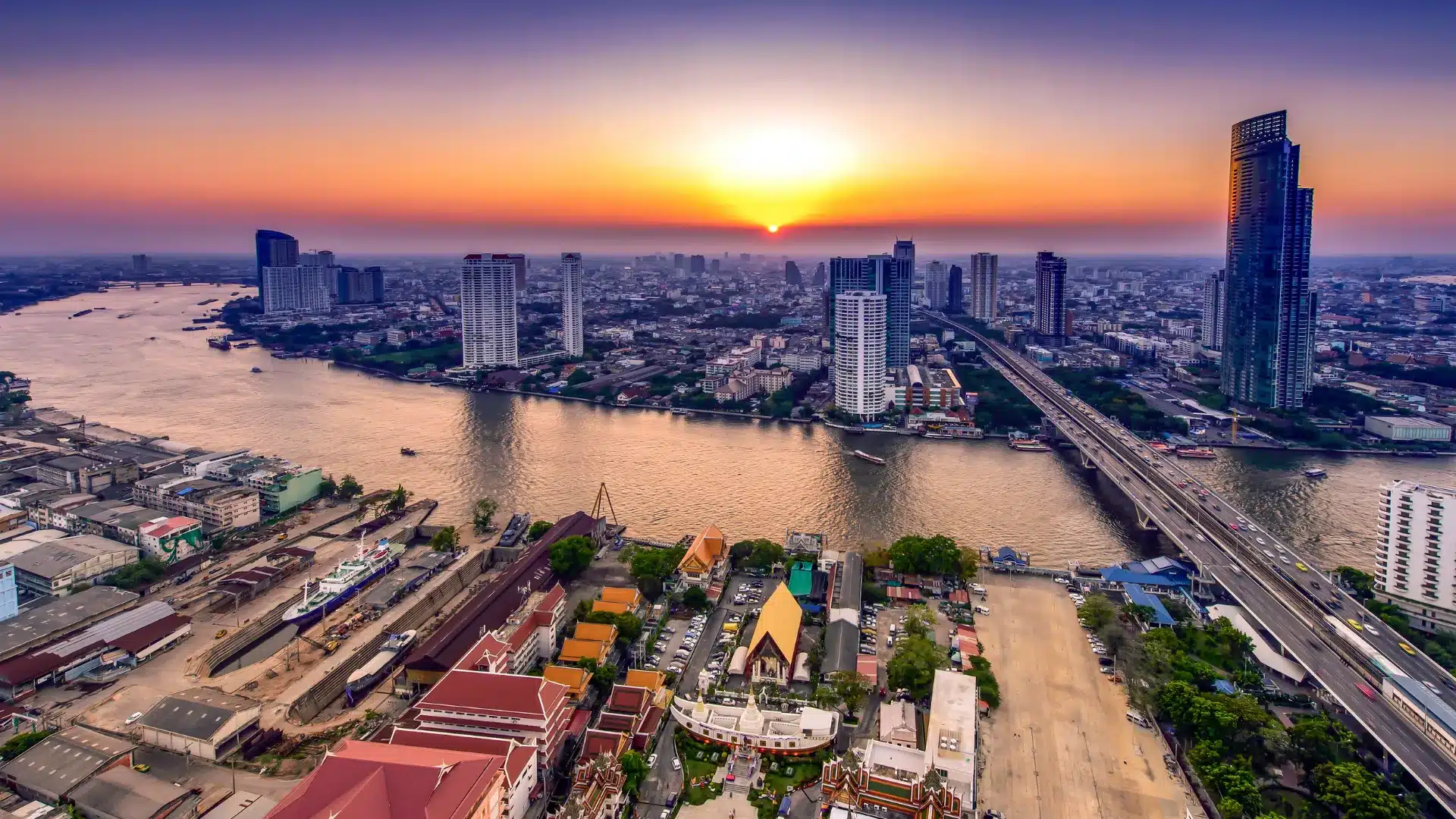
- contemporary city skylines and dense urban streets
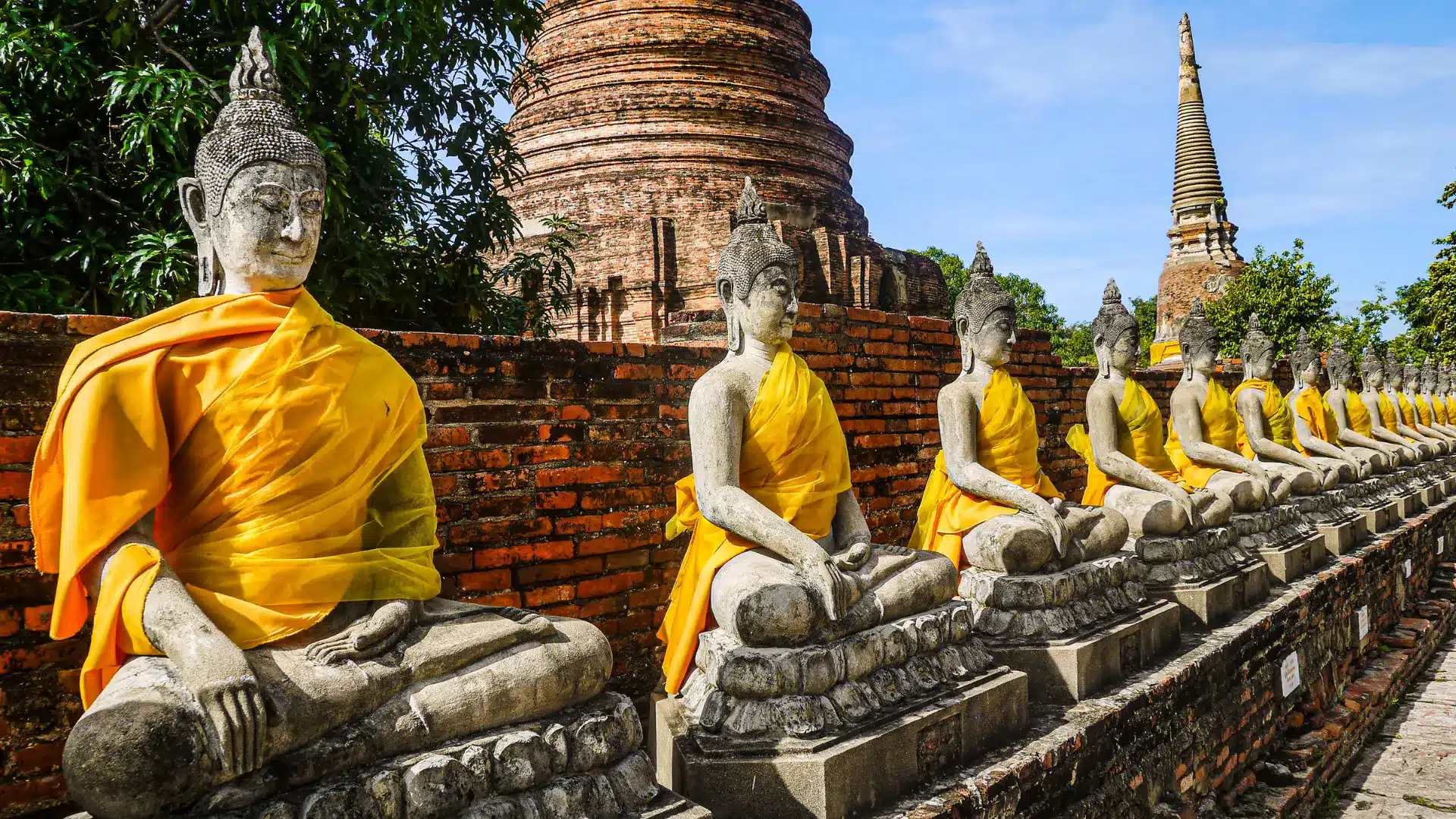
- ancient temples and royal architecture
- rural villages and agricultural landscapes
- tropical islands and clear coastal waters
- limestone cliffs, caves, and dramatic shorelines
- mountains, forests, and national park environments
This range allows producers to achieve multiple visual identities without crossing borders, reducing travel pressure and helping preserve both schedule and budget.
An industry built for international crews
Thailand’s film industry is highly experienced in servicing international productions. Local departments are used to global workflows, technical standards, and demanding schedules, making cross-border collaboration efficient from the outset.
The country is particularly strong in:
- camera and lighting departments
- art direction and large-scale set builds
- action and stunt coordination
- marine and underwater filming
- service production for international shoots
Hoodlum integrates these local capabilities into one coherent production framework, ensuring international expectations are matched by practical delivery on the ground.
Strong production value at competitive cost
Thailand remains one of Asia’s most cost-effective filming destinations. Productions often benefit from:
- competitive labour rates
- affordable accommodation and transport
- strong local equipment availability
- flexible location fees
That makes Thailand particularly attractive for producers who want high on-screen value without compromising production standards.
International access and connectivity
Thailand is exceptionally well connected for international crews. Bangkok’s Suvarnabhumi International Airport is a major regional hub with direct links to Europe, North America, the Middle East, Australia, and the wider Asia-Pacific region. Additional international airports in Phuket, Chiang Mai, and Krabi support regional shoots and reduce transfer time for location-heavy productions.
This makes Thailand especially suitable for:
- large international crews
- multi-phase productions
- commercial shoots with compressed schedules
- long-form projects requiring regional movement
Hoodlum manages arrival logistics, internal transfers, and inter-region travel so the production stays focused on shooting rather than transit.
Why Producers Choose Hoodlum for Production Support in Thailand
Thailand is a production-friendly market, but successful filming still depends on experienced local coordination. Permits, drone approvals, regional movement, transport timing, marine logistics, community liaison, and culturally sensitive locations all require more than basic access.
Hoodlum provides production support in Thailand that connects those moving parts into one practical system. For international producers, that means:
- clearer permit pathways
- better coordination with authorities and stakeholders
- realistic scheduling across regions
- smoother crew and equipment movement
- stronger local problem-solving during the shoot
- consistent operational control from prep through wrap
Thailand offers enormous opportunity, but that opportunity becomes far easier to use when the project is managed by a local production partner with international standards and on-the-ground depth.
Filming Requirements and Regulations in Thailand
Thailand is highly welcoming to international filming, but formal approvals are required for most professional productions. Managing the permit process correctly is essential for protecting the schedule and avoiding disruption.
Hoodlum manages the regulatory process on behalf of producers, helping ensure filming in Thailand remains compliant while keeping the administrative workflow efficient.
Permit process overview
Most international shoots require approval through the national film office. Applications generally include:
- project overview or script
- proposed filming schedule
- location details
- crew and equipment lists
- insurance documentation
Additional permissions may be required for:
- government or military locations
- religious or heritage sites
- national parks and protected areas
- road closures or public disruption
- aerial or specialised filming
Approval timelines depend on project complexity, but Thailand is known for moving efficiently when applications are well prepared and supported by accurate local coordination. Hoodlum handles these approval pathways so international producers can stay focused on delivery rather than paperwork.
Drone filming regulations
Drone use in Thailand is regulated and requires advance approval. Operators must comply with aviation and safety requirements, and restricted zones apply around certain sensitive locations.
Hoodlum coordinates drone approvals and operational planning so aerial filming can be carried out safely, legally, and without unnecessary schedule impact.
Production Services Across Thailand
Hoodlum delivers film production services across Thailand, supporting international teams from early development through final wrap. The goal is simple: give producers a clear operating system for filming in-country while preserving creative flexibility.
Services typically include:
- pre-production planning and budgeting to align creative scope with practical delivery
- location research and access coordination to secure filmable, production-ready environments
- permits and official liaison to keep filming compliant and on schedule
- crew and equipment coordination to connect international producers with experienced local resources
- transport and accommodation logistics to support efficient movement across regions
- on-the-ground operational management to keep the production running smoothly from call time to wrap
This structure allows producers to focus on creative decision-making while Hoodlum manages the practical realities of filming in Thailand.
Film Fixers in Thailand
In a country as geographically and operationally varied as Thailand, experienced local fixers are essential to keeping productions moving smoothly across regions, authorities, and location types. Hoodlum’s film fixers in Thailand provide the local leadership that turns planning into execution.
Their role typically includes:
- managing approvals and compliance
- coordinating with local authorities and stakeholders
- facilitating location access
- advising on logistics and regional movement
- resolving on-the-ground issues quickly and discreetly
- helping international crews work effectively within local systems
This local leadership becomes especially valuable when productions move between cities, islands, coastal zones, jungles, or culturally sensitive areas.
Production Support Thailand
Thailand is an efficient filming destination, but its scale, pace, and regional differences mean structured planning still matters. From dense urban environments to remote coastal and jungle locations, productions benefit from experienced support that aligns creative ambition with practical execution.
Hoodlum provides hands-on production support Thailand, designed to remove friction from complex shoots and help international crews work with confidence. Every schedule, location move, and setup is planned with local conditions in mind, so productions can maximise shooting time while reducing avoidable delays.
Effective production support Thailand is not just about logistics. It is about understanding how the country works day to day, and building that reality into the production plan from the beginning.
Transport and Crew Logistics
Transport planning plays a major role in successful shoots, especially in major hubs such as Bangkok, where traffic patterns and peak hours can materially affect daily schedules.
Hoodlum coordinates:
- crew vans and minibuses
- technical vehicles and equipment trucks
- private drivers for cast and key creatives
- boats and marine transport for island filming
- off-road vehicles for rural or jungle locations
Shoot schedules are structured to reduce unnecessary movement by clustering locations and aligning call times with realistic travel windows. For productions moving between regions, domestic flights and ferries can be integrated into the schedule to preserve continuity and reduce fatigue. Hoodlum plans movement around Thailand’s real operating conditions, helping crews spend more time shooting and less time navigating transport problems.
Accommodation and Crew Comfort
Thailand has one of the strongest hospitality infrastructures in the region, making it exceptionally well suited to hosting film crews of different scales.
Accommodation support may include:
- hotel and villa sourcing
- negotiated production rates
- rooming lists and extended stays
- early check-ins and late check-outs
- production offices and meeting spaces
Many accommodation providers are familiar with film crews and can offer flexibility around storage, catering access, and private areas for meetings or interviews. Hoodlum manages this part of the workflow so crew comfort, scheduling, and operational needs remain aligned throughout the production.
Location Scouting and Management
Thailand’s visual diversity is one of its greatest strengths, but choosing the right location requires more than aesthetic appeal. Access, power, sound conditions, permits, weather exposure, and community impact all affect whether a location is genuinely workable for filming.
Location services typically include:
- creative location research
- photo and video references
- technical recces
- negotiation with landowners and authorities
- community liaison
- on-site location management
Hoodlum approaches location management in Thailand as both a creative and operational exercise, balancing visual ambition with practical filming conditions, local relationships, and access realities.
Key Filming Regions in Thailand
Each region of Thailand offers its own creative value and logistical profile. Choosing the right area depends on the brief, the schedule, and the technical demands of the production.
Bangkok and Central Thailand
Bangkok is one of Asia’s most dynamic filming cities and offers:
- contemporary high-rise architecture
- rooftops and luxury interiors
- dense street life and markets
- riverfront locations and canal systems
- industrial zones and transport infrastructure
Beyond the capital, Central Thailand offers historic towns, temple environments, river systems, and rural landscapes within reach of Bangkok’s production base.
Southern Thailand and coastal areas
Southern Thailand is internationally recognised for its tropical visuals and dramatic coastline. Productions benefit from:
- limestone cliffs and karst formations
- white-sand beaches and clear waters
- secluded islands and bays
- luxury resorts and marinas
These areas are especially well suited to commercials, fashion work, travel campaigns, reality formats, and high-end branded productions.
Northern Thailand
Northern Thailand provides a strong visual contrast to the south and is often chosen for:
- mountain terrain and misty valleys
- forested national parks
- traditional villages
- cooler climates and softer natural light
This region is useful for period storytelling, nature-led content, and productions needing atmosphere and visual depth. Hoodlum helps producers compare these regions not only by look, but by access, permitting, infrastructure, and schedule practicality.
Working Respectfully with Local Communities
Thailand places strong emphasis on community respect and cultural awareness. Filming in residential areas, villages, religious sites, or culturally significant environments requires careful communication and sensitivity.
Hoodlum helps ensure:
- clear coordination with local communities
- respect for daily routines and religious practices
- careful management of noise and disruption
- observance of cultural expectations
Maintaining positive local relationships contributes to smoother shoot days and helps protect long-term filming access across regions.
Managing Scale and Complexity
Thailand supports productions ranging from small documentary units to large international features. Managing that scale effectively requires experienced leadership, clear communication, and disciplined workflows.
Support may include:
- crew coordination and onboarding
- department scheduling
- vendor and supplier management
- daily logistics and call sheets
- risk assessment and contingency planning
This structure allows creative teams to focus on the work while Hoodlum manages the operational layers that keep the production functioning efficiently.
Weather, Climate, and Seasonal Planning
Thailand’s tropical climate offers consistent daylight and strong natural light throughout the year, making it a reliable destination for filming. At the same time, seasonal patterns still influence scheduling, continuity, and location planning, especially for outdoor-heavy productions.
Thailand generally experiences three primary seasons: hot, rainy, and cool. Each can work well depending on the project type and the visual requirements of the shoot.
Best time of year to film
The most popular filming period usually runs from November to April. These months tend to offer lower humidity, reduced rainfall, and more stable working conditions, which makes them particularly suitable for:
- large-scale outdoor productions
- travel and lifestyle content
- commercials and branded campaigns
- shoots requiring consistent light and predictable weather
The cooler season also often brings calmer conditions in coastal zones, which can support marine and island-based filming.
Rainy season considerations
The rainy season generally falls between May and October. Rain can be intense, but it is often brief and predictable enough for experienced productions to work around.
Filming during this period may offer:
- greener landscapes
- reduced tourist traffic
- greater location availability
- more flexible scheduling
With proper contingency planning, the rainy season remains workable for many projects. Hoodlum builds local weather patterns into schedules and backup plans so outdoor shoots remain manageable rather than guesswork-driven.
Action, Stunts, and Large-Scale Productions
Thailand has long been recognised as a destination capable of supporting demanding action sequences and large-scale shoots. Its crews are experienced in handling technically complex productions that require coordination, safety oversight, and practical control.
Thailand is particularly well suited for:
- high-speed vehicle work
- water-based action sequences
- martial arts choreography
- large crowd scenes
- practical effects and controlled stunts
Hoodlum works with local stunt, safety, and production teams to ensure action-heavy filming is executed responsibly and efficiently while supporting the pace expected by international productions.
Marine and Underwater Filming
Thailand’s islands, coastlines, and offshore environments offer some of the strongest marine filming options in the region. Clear waters, varied underwater terrain, and calm bays make the country a compelling destination for ocean-based storytelling.
Marine filming opportunities include:
- open-water scenes with uninterrupted horizons
- calm bays for talent-in-water sequences
- coral and limestone environments
- marina settings
- remote island backdrops
These shoots require specialist planning. Hoodlum coordinates the additional layers of support involved, including boats, safety divers, tide considerations, environmental sensitivity, and location-specific logistics. That helps marine shoots remain visually ambitious without becoming operationally chaotic.
Safety, Security, and Risk Management
Thailand is widely regarded as a safe and stable country for international productions. Its mature film industry, modern healthcare infrastructure, and strong hospitality network all contribute to a secure working environment.
Hoodlum places strong emphasis on risk assessment and safety planning, helping productions operate responsibly and efficiently across different environments.
Safety planning may include:
- location risk assessments
- weather and environmental monitoring
- marine safety coordination
- crowd control and public safety
- emergency response planning
This proactive approach helps productions protect crew welfare while preserving operational continuity.
Health, Medical, and Emergency Support
Thailand has a strong network of private hospitals and medical facilities, especially in Bangkok and key filming regions. Many hospitals are internationally accredited and staffed by English-speaking professionals.
For remote or higher-risk productions, additional support can be arranged, including:
- on-set medics
- ambulance services
- marine medical teams
- emergency evacuation planning
These measures help ensure crew welfare remains protected even on technically demanding or remote shoots.
Environmental and Cultural Responsibility
Filming in Thailand requires consideration for both the natural environment and cultural heritage. National parks, marine areas, temples, and local communities may all have specific rules designed to protect ecosystems, traditions, and public access.
Productions are generally expected to:
- minimise environmental impact
- follow waste management protocols
- respect wildlife and marine life
- observe cultural and religious customs
Hoodlum works closely with authorities, partners, and communities to help productions operate responsibly and in line with local expectations.
Post-Production Support and Wrap Services
Once principal photography is complete, strong wrap procedures help keep the project on schedule and within budget. Thailand’s production ecosystem can support a smooth transition from shoot to delivery, whether post-production is completed locally or internationally.
Hoodlum assists with:
- wrap logistics and location reinstatement
- final permit sign-offs and reporting
- equipment returns and export coordination
- archiving of production documentation
- post-production introductions when needed
For productions remaining in Thailand for finishing work, the country also offers experienced post-production facilities including editing, grading, sound, and subtitling services.
When Hoodlum Is Especially Valuable in Thailand
Hoodlum becomes especially valuable in Thailand when the production involves operational complexity rather than simple location access.
This includes:
- multi-region shoots across Bangkok, Chiang Mai, Phuket, Krabi, or island locations
- productions requiring national film office approvals
- drone filming and specialist aerial work
- marine or underwater filming
- action, stunt, or large crowd sequences
- remote jungle, coastal, or mountain logistics
- international crews working to tight commercial schedules
- productions needing strong coordination with communities and local authorities
In these situations, experienced production support in Thailand directly affects schedule stability, compliance, and overall shooting efficiency.
Why International Productions Choose Hoodlum
Producing in Thailand offers significant opportunity, but success depends on working with a partner who understands both international production expectations and local realities. Hoodlum combines global experience with regional knowledge, helping projects move from plan to execution with clarity and confidence.
What sets Hoodlum apart:
- extensive experience supporting international productions
- strong working relationships with local authorities and vendors
- transparent budgeting and clear communication
- scalable support for productions of different sizes
- practical problem-solving on the ground
- consistent standards across regions
Our teams understand the pace and pressure of international filming and are structured to support creative ambition while maintaining operational control.
Film Production Services in Thailand with Hoodlum
Thailand remains one of the most flexible and rewarding filming destinations in the world. Its cityscapes, coastlines, islands, mountains, cultural depth, and experienced crews make it a compelling option for a wide range of productions. The real value, however, comes from structuring the production properly across permits, logistics, locations, crew support, and regional movement.
Hoodlum provides film production services in Thailand that help international producers work efficiently, stay compliant, and deliver ambitious projects with confidence. From early planning through final wrap, our role is to simplify complexity and make Thailand work as a production-ready system.
Frequently Asked Questions – Filming in Thailand
Do international productions need permits to film in Thailand?
Yes. Most professional productions require formal approval, and the process varies depending on the scope of the project, filming locations, and whether specialised activities are involved.
How long does it take to secure filming approvals in Thailand?
Timelines depend on the complexity of the production and the locations involved. Simpler shoots may move relatively quickly, while larger or more sensitive productions usually require additional lead time.
Why use a local fixer in Thailand?
A local fixer helps international productions navigate permits, location access, regional logistics, community coordination, and real-time on-set problem-solving. In Thailand, that support is especially valuable for multi-region, marine, or tightly scheduled productions.
What does production support in Thailand usually include?
Production support in Thailand typically includes pre-production planning, budgeting, permits, official liaison, local crew and equipment coordination, accommodation, transport, location management, and operational oversight during the shoot.
Can productions film in temples and heritage sites?
Yes, but filming in culturally significant locations usually requires additional permissions and respectful handling. Each site may have its own rules, limitations, and access conditions.
Is Thailand suitable for large international crews?
Yes. Thailand regularly hosts international productions and has the infrastructure, accommodation base, transport connectivity, and experienced crew network needed to support large-scale shoots.
Is Thailand safe for filming?
Thailand is widely considered a safe and stable filming destination, supported by modern healthcare facilities, experienced local crews, and strong production infrastructure.
This guide was prepared by the Hoodlum team using current industry knowledge and trusted local partnerships across Thailand. It is designed to give producers a clear, practical understanding of what to expect when planning a production in the country.
Film Authorities and Industry Resources
Thailand has a well-established framework for international film production, with clear official points of contact for permits and guidance.
These organisations provide official information on filming requirements, locations, and regulatory processes.