


















Production support for international shoots across expansive natural terrain, modern urban centers, and strategically positioned Central Asian landscapes.
Kazakhstan offers large-scale cinematic environments combined with improving production infrastructure and growing international collaboration. Our Film Production Services in Kazakhstan are structured for international crews navigating regional permitting systems, remote terrain logistics, and cross-border coordination within Central Asia.
From sweeping steppe landscapes and mountain ranges to futuristic cityscapes and industrial zones, the country provides visual scale rarely matched in the region. Successful production here depends on detailed logistical planning, regional authority coordination, and realistic scheduling aligned with geographic distances.
Whether the project involves feature films, commercials, streaming series, automotive campaigns, or documentary productions, we build operational frameworks that maintain control across vast terrain and varied climate conditions.
Why Film in Kazakhstan
Kazakhstan offers visual scale that feels cinematic by default. Endless steppe plains, dramatic mountain backdrops near Almaty, desert terrain, industrial complexes, Soviet-era architecture, and contemporary city skylines coexist within a single national territory.
Almaty provides access to alpine environments, lakes, forests, and snow-covered terrain within short travel distances. Astana presents futuristic architecture, wide boulevards, and modern government buildings suitable for high-production urban visuals. Western regions introduce desert and oil-field landscapes, while southern areas offer cultural heritage sites and Silk Road influences.
Geographically positioned between Europe and Asia, the country provides strategic access for international productions seeking distinctive Central Asian settings without excessive cross-border complexity.
The scale is not just visual. It is logistical. Productions often operate across large distances, making structured planning essential for maintaining schedule efficiency.
Production Support Kazakhstan
Delivering effective Production Support Kazakhstan requires coordination across regional authorities, municipal offices, and private land stakeholders. Filming permissions may vary depending on location type, particularly when operating in public urban zones, near infrastructure sites, or within protected natural areas.
Our approach focuses on early planning, detailed documentation, and realistic distance-based scheduling.
Pre-Production
Thorough groundwork ensures smoother execution.
- Location research across regions
- Technical recces in remote terrain
- Budget forecasting aligned with transport distances
- Permit application coordination
- Regional authority liaison
- Risk and safety planning
- Equipment import preparation
- Climate and seasonal assessment
Remote filming often requires evaluation of road access, terrain stability, and infrastructure support availability. Advance planning mitigates delays caused by travel distance or environmental conditions.
Production
Principal photography in large-scale environments demands clear operational sequencing.
- Local crew sourcing and coordination
- Equipment rental and freight management
- On-site production supervision
- Traffic coordination where required
- Drone operation planning
- Regional stakeholder communication
Filming in open landscapes may require additional planning for weather shifts, road transport reliability, and communication coverage. Urban filming introduces municipal coordination and potential traffic management procedures.
Post & Wrap
Closing operations require administrative precision.
- Temporary import reconciliation
- Customs clearance
- Vendor settlements
- Location restoration confirmation
- Final compliance documentation
Each phase is designed to maintain administrative clarity across regional jurisdictions.
Film Fixers in Kazakhstan
Experienced Film Fixers in Kazakhstan understand the importance of navigating both urban bureaucratic processes and remote regional coordination. Productions often engage with local authorities, landowners, municipal offices, and, in some cases, industrial operators.
Local knowledge is essential when filming in mountainous terrain, desert landscapes, or near industrial infrastructure. Access permissions, safety standards, and environmental considerations vary by region.
Our network of coordinators supports transparent communication, realistic scheduling, and practical solutions aligned with geographic realities. This reduces operational risk and supports smooth collaboration between international crews and regional stakeholders.
Filming Regulations & Permits
Filming in Kazakhstan typically requires permits depending on the nature of the location and level of public impact. Urban filming may involve municipal approvals, particularly when affecting traffic or public infrastructure.
Drone operations are regulated and subject to authorization. Flight planning, equipment specifications, and operating zones may influence approval processes.
Filming in protected natural areas or near strategic infrastructure may require additional review and documentation. Early authority engagement ensures compliance and minimizes production delays.
Equipment imports follow established customs procedures. Temporary import documentation should be prepared in advance to prevent clearance bottlenecks.
Structured regulatory planning protects production continuity across both urban and remote environments.
Landscape & Terrain Logistics
Kazakhstan’s geographic scale introduces logistical considerations distinct from smaller territories. Travel time between regions can influence scheduling decisions significantly.
Productions operating in mountainous areas near Almaty must account for elevation changes, road conditions, and seasonal weather variability. Desert and steppe regions may introduce wind conditions and limited infrastructure access.
Vehicle fleet planning, fuel logistics, and communication systems must align with terrain realities. Satellite communication solutions may be advisable in remote locations with limited mobile coverage.
Advance route assessments and contingency planning reduce operational exposure.
Urban Filming Environments
Kazakhstan’s urban centers provide distinct visual identities that support varied creative briefs.
Astana offers futuristic architecture, large civic plazas, government complexes, and wide, symmetrical boulevards suited to automotive campaigns, corporate films, and large-scale commercial productions. The structured layout of the capital allows for controlled compositions and wide-lens framing.
Almaty presents a different visual tone. Tree-lined avenues, Soviet-era buildings, contemporary business districts, and mountain backdrops create layered visual depth. The proximity of alpine terrain to urban infrastructure makes it possible to capture multiple visual environments within a compact production schedule.
Urban filming typically requires coordination with municipal offices when operating in high-traffic areas or conducting controlled activity in public spaces. Advance documentation and defined crew footprints support smoother approvals.
Desert, Steppe & Remote Terrain Operations
The scale of open steppe landscapes provides visual minimalism and cinematic scope. These environments are often selected for automotive shoots, fashion campaigns, and feature productions seeking isolation without extensive set construction.
However, remote filming introduces logistical planning requirements:
- Road condition assessments
- Vehicle redundancy planning
- Mobile power generation
- Communication coverage solutions
- Environmental risk mitigation
Wind conditions across open terrain can influence sound recording and equipment stabilization. Structured pre-production testing supports realistic equipment planning.
Where filming occurs in desert zones, water supply logistics and crew welfare planning become critical components of daily operations.
Mountain & Alpine Production Considerations
The mountain ranges near Almaty offer dramatic elevation changes, alpine lakes, forested slopes, and snow coverage during winter months. These landscapes support everything from winter sports campaigns to narrative productions requiring dramatic natural backdrops.
Mountain filming requires:
- Terrain access assessment
- Seasonal weather monitoring
- Safety supervision planning
- Controlled vehicle movement
- Backup transport sequencing
Rapid weather shifts at elevation can influence shooting windows. Contingency days and alternative location mapping provide operational flexibility.
Industrial & Infrastructure Locations
Kazakhstan’s industrial sectors, including oil fields, mining sites, rail yards, and large-scale infrastructure projects, provide unique visual textures that are difficult to replicate elsewhere.
Filming in industrial zones often requires additional safety documentation, access agreements, and operational briefings. Coordination with site operators is essential to align filming activity with working schedules and compliance standards.
Structured planning ensures production does not interfere with operational output while maintaining safety protocols.
Cross-Border & Regional Coordination
Strategically positioned between Europe and Asia, Kazakhstan can function as a production base for wider regional shoots. Projects that extend into neighboring territories may leverage the country’s logistical infrastructure as a staging point.
Air connectivity through major hubs supports equipment freight and crew movement. Productions operating across multiple territories benefit from coordinated customs planning and synchronized transport scheduling.
Cross-border considerations should be integrated into early budgeting and documentation frameworks to prevent administrative delays.
Incentives & Investment Landscape
Kazakhstan has developed incentive frameworks aimed at attracting international productions. Eligibility criteria and application processes may vary depending on project scope, spend thresholds, and content alignment with national objectives.
Understanding the application timeline and documentation requirements early in development supports financial planning. Incentive programs often require structured reporting and local spend verification.
Productions seeking to leverage available support mechanisms should integrate incentive strategy into early budgeting conversations.
Equipment & Technical Capacity
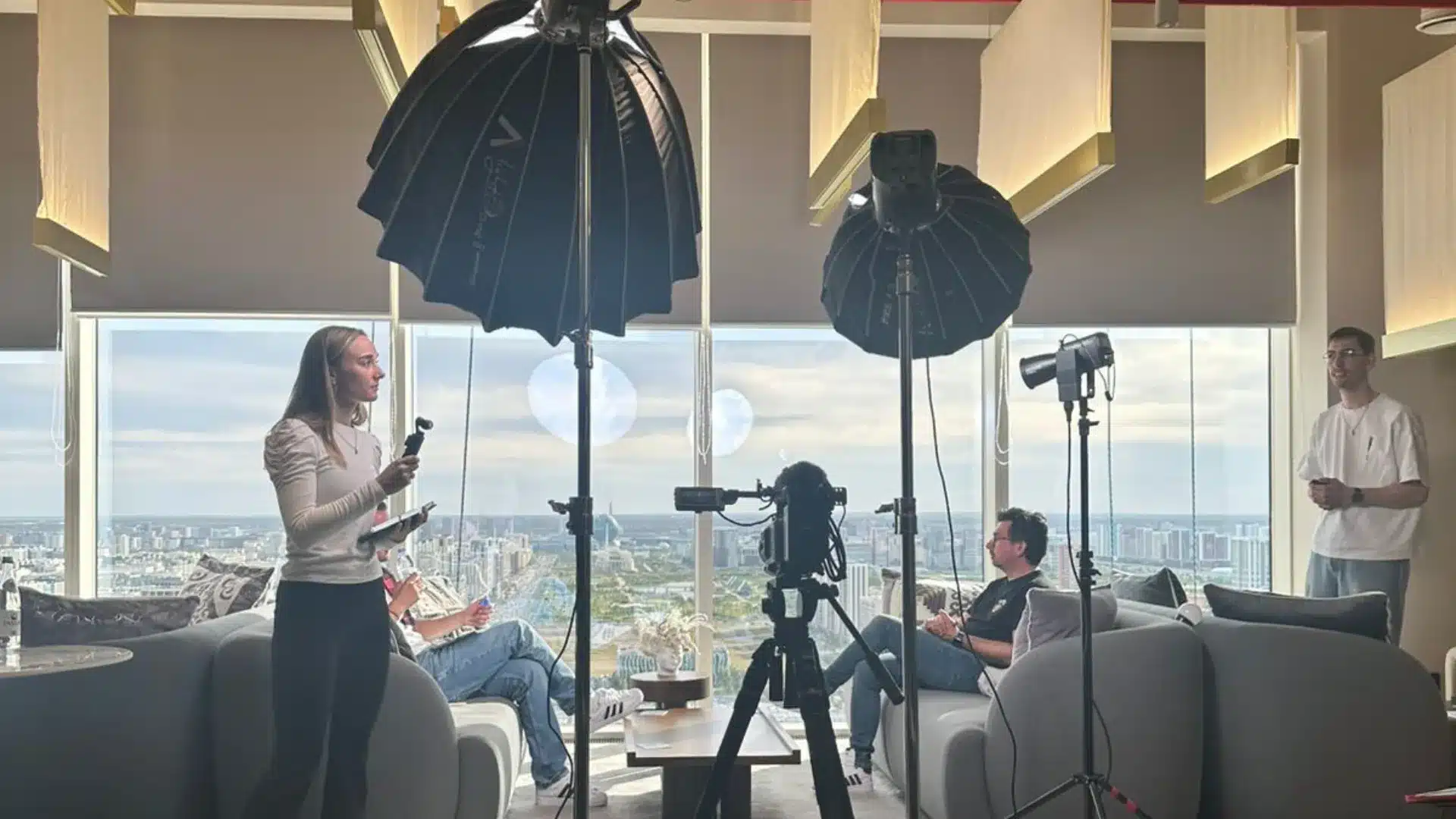
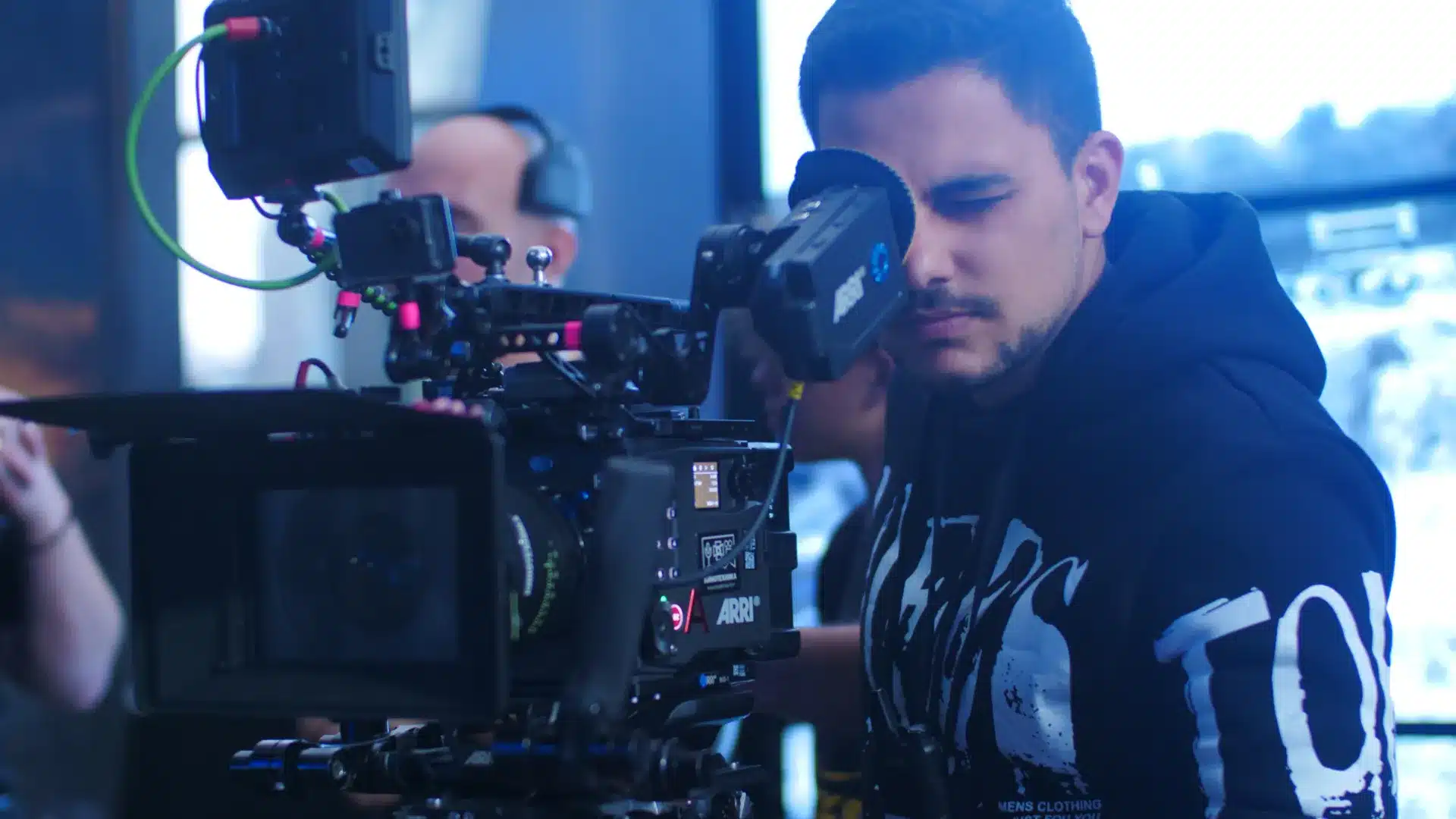
Primary cities provide access to camera, lighting, and grip departments with experience across commercial and narrative formats. Equipment rental providers operate in key hubs, with freight solutions supporting regional shoots.
For remote productions, equipment redundancy planning is advisable. Backup generators, vehicle-mounted camera rigs, and terrain-adapted grip systems may be required depending on the location profile.
Technical scouting remains essential for assessing infrastructure capacity in remote zones.
Health, Safety & Risk Management
Remote and large-scale landscapes introduce unique risk considerations. Structured safety planning should address:
- Extreme temperature exposure
- Terrain hazards
- Limited medical access in remote areas
- Vehicle safety standards
- Emergency evacuation protocols
Insurance documentation and risk assessments must align with both urban and rural operational environments.
Clear safety briefings and defined chain-of-command structures protect crew welfare and production continuity.
Film Production Services in Kazakhstan
Productions operating in Kazakhstan benefit from aligning creative ambition with geographic and administrative realities. Large distances between regions can influence call sheet design and transport budgeting.
Advance engagement with regional authorities improves approval timelines, particularly when filming near infrastructure or protected natural areas.
Route mapping, fuel logistics, accommodation clustering, and communication infrastructure planning form the backbone of remote production sequencing. These frameworks reduce reactive decision-making during principal photography.
By integrating logistical foresight with creative objectives, productions can unlock cinematic scale while maintaining operational control.
Frequently Asked Questions
Do I need a permit to film in Kazakhstan?
Most professional productions require permits, particularly when filming in public spaces, urban centers, or protected areas.
Are international crews allowed to work locally?
International crews may operate in collaboration with local production partners who facilitate permits and regulatory compliance.
Can drone filming be approved?
Drone operations require authorization and may be subject to location-specific restrictions.
Are incentives available?
Incentive programs may be available depending on project scope and eligibility criteria.
Is filming in remote areas complex?
Remote terrain requires structured planning, transport sequencing, and safety coordination. With proper preparation, projects can operate efficiently.
Plan Your Production
From alpine landscapes to vast open steppe and modern urban architecture, filming in Kazakhstan offers cinematic scale supported by structured planning.
If you are preparing a project in Kazakhstan, our team can build a compliant, efficient production framework aligned with regional regulations and geographic realities.
Film Locations in Kazakhstan
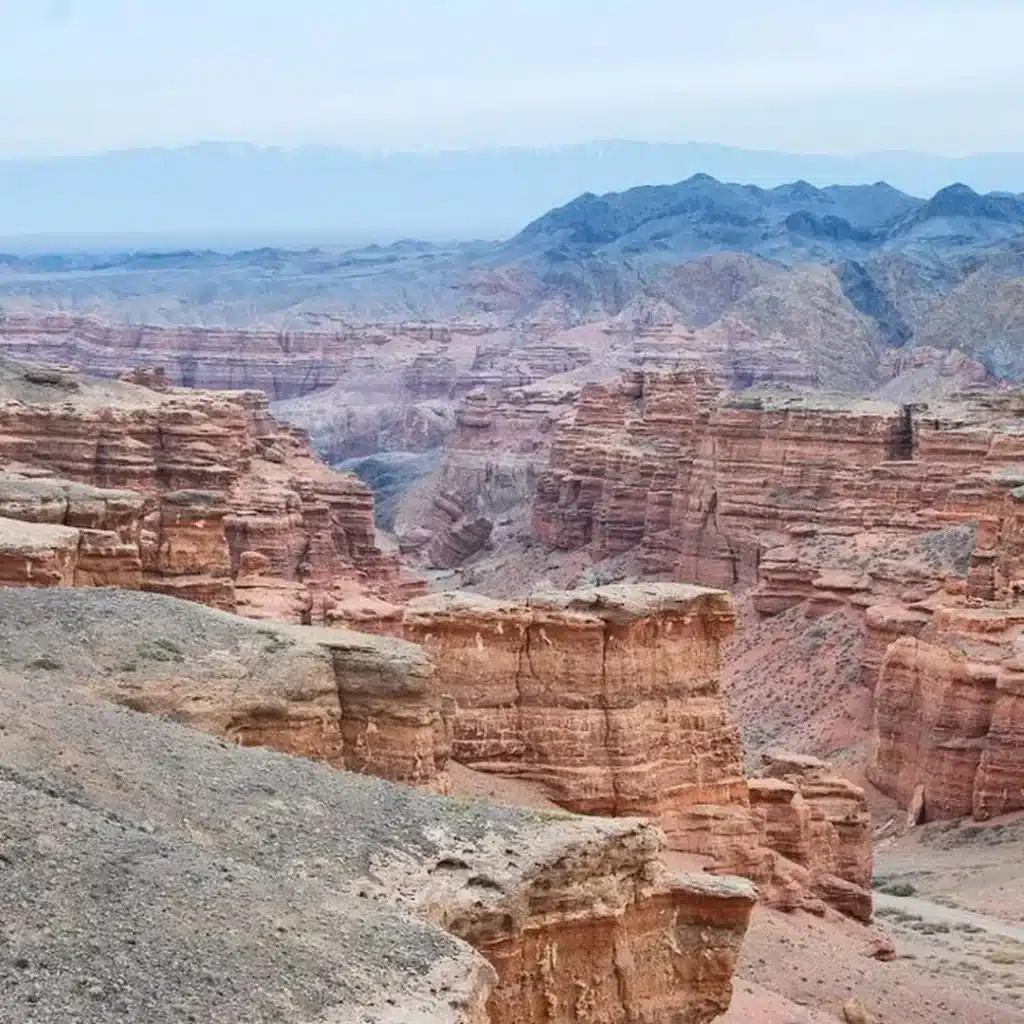
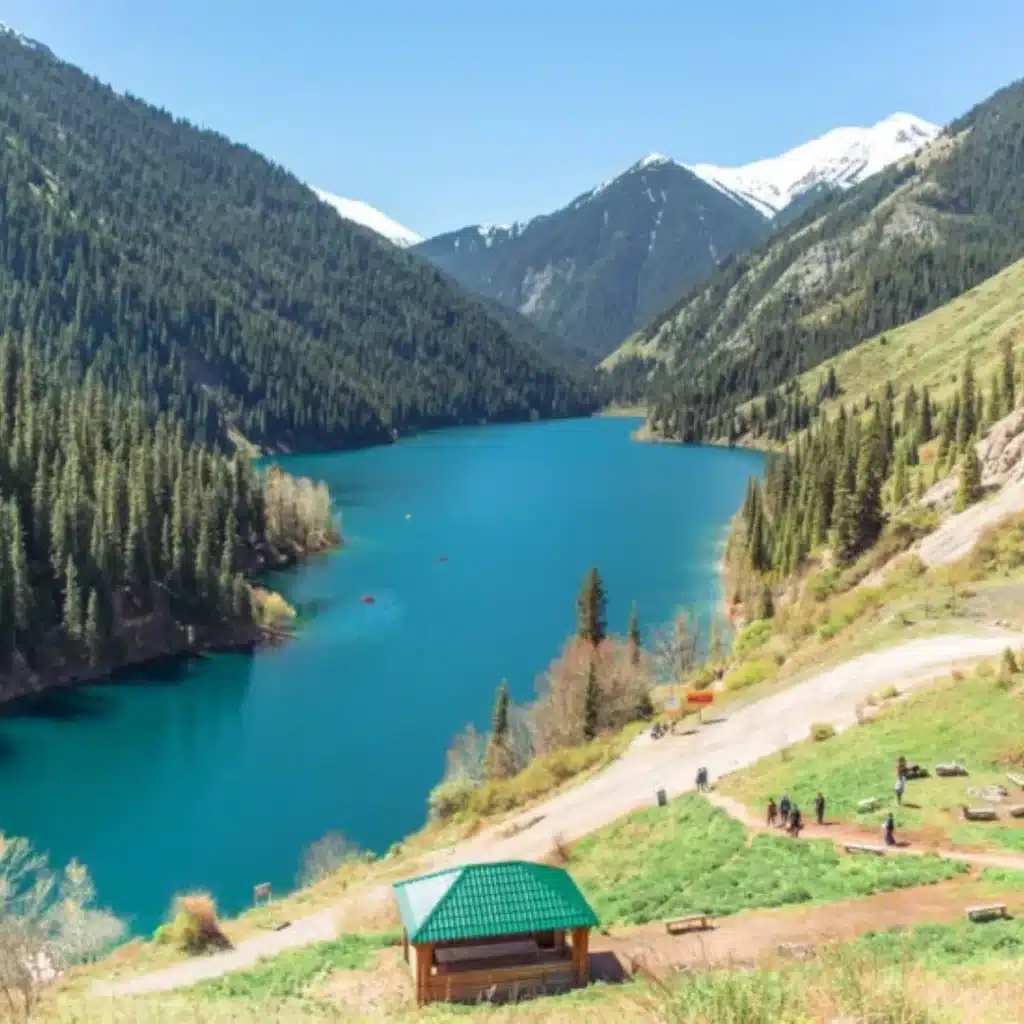
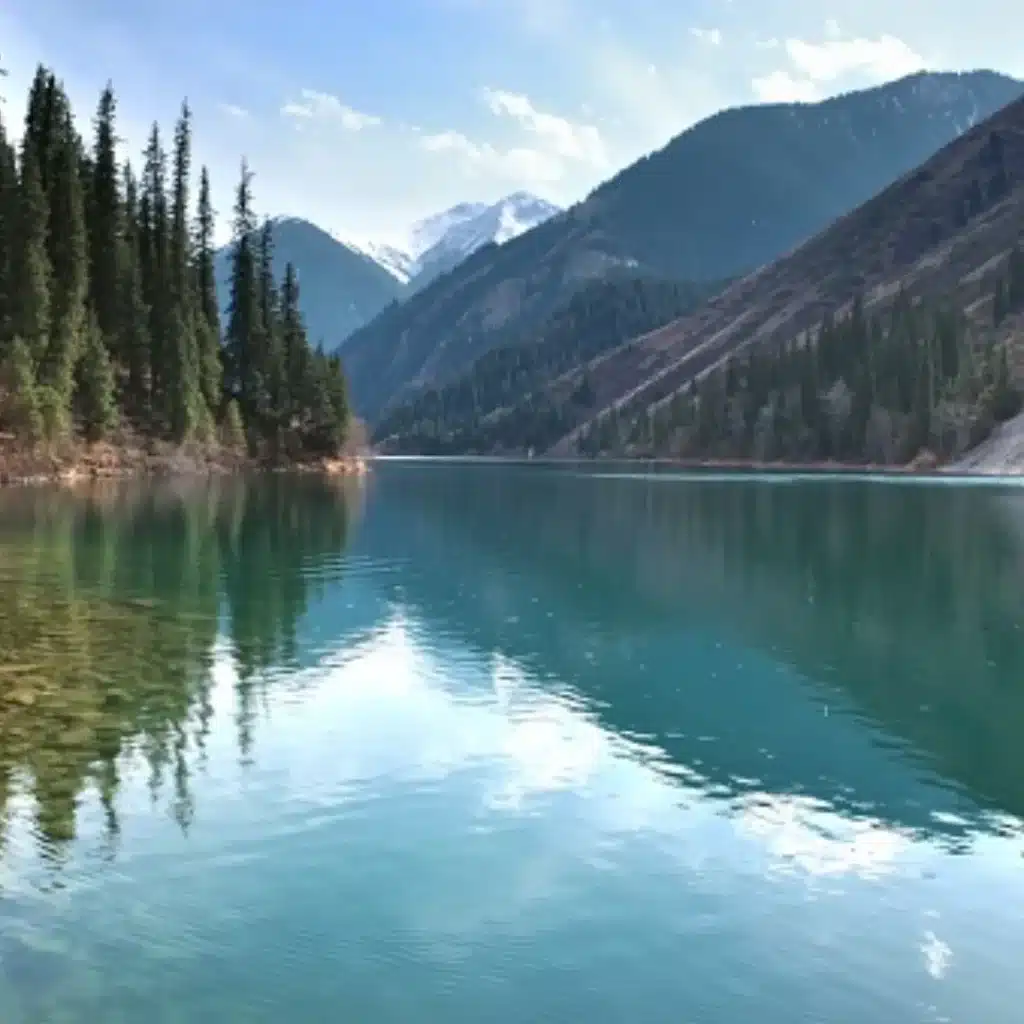
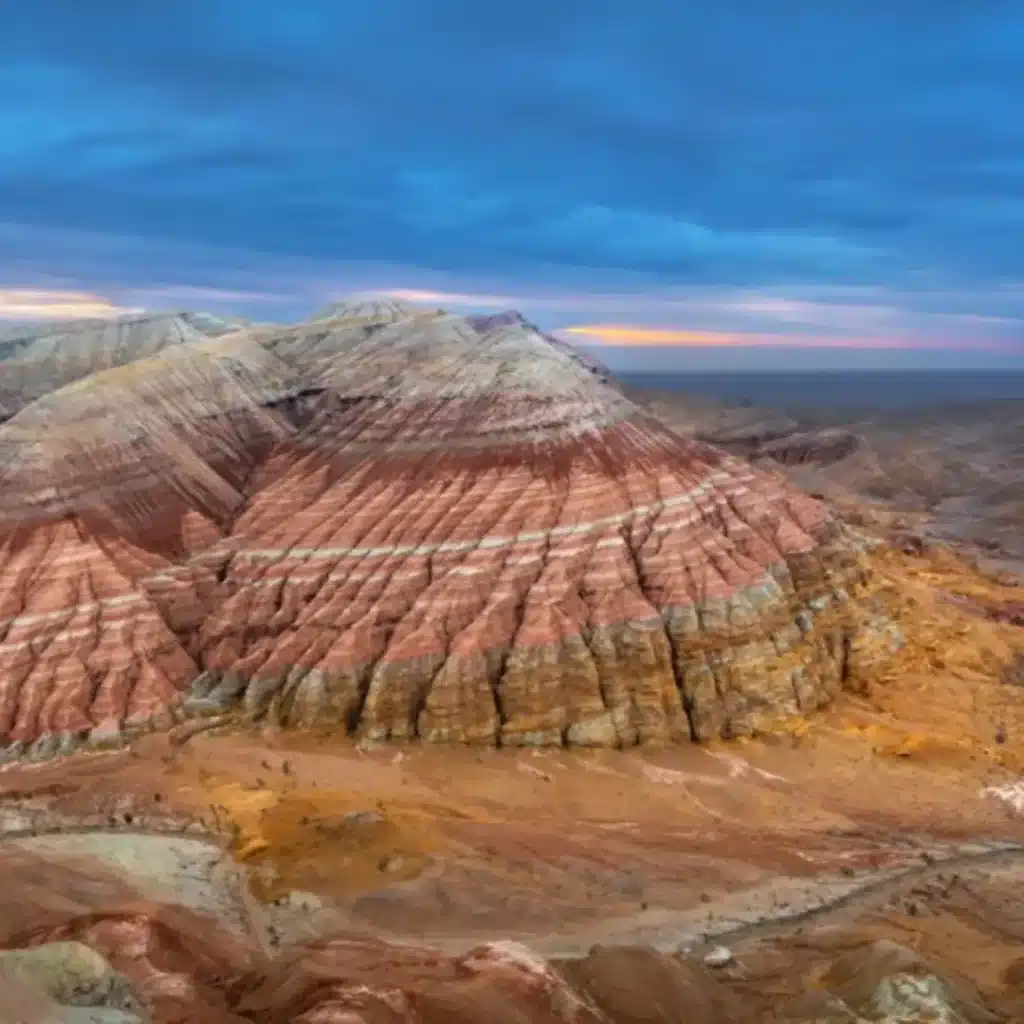
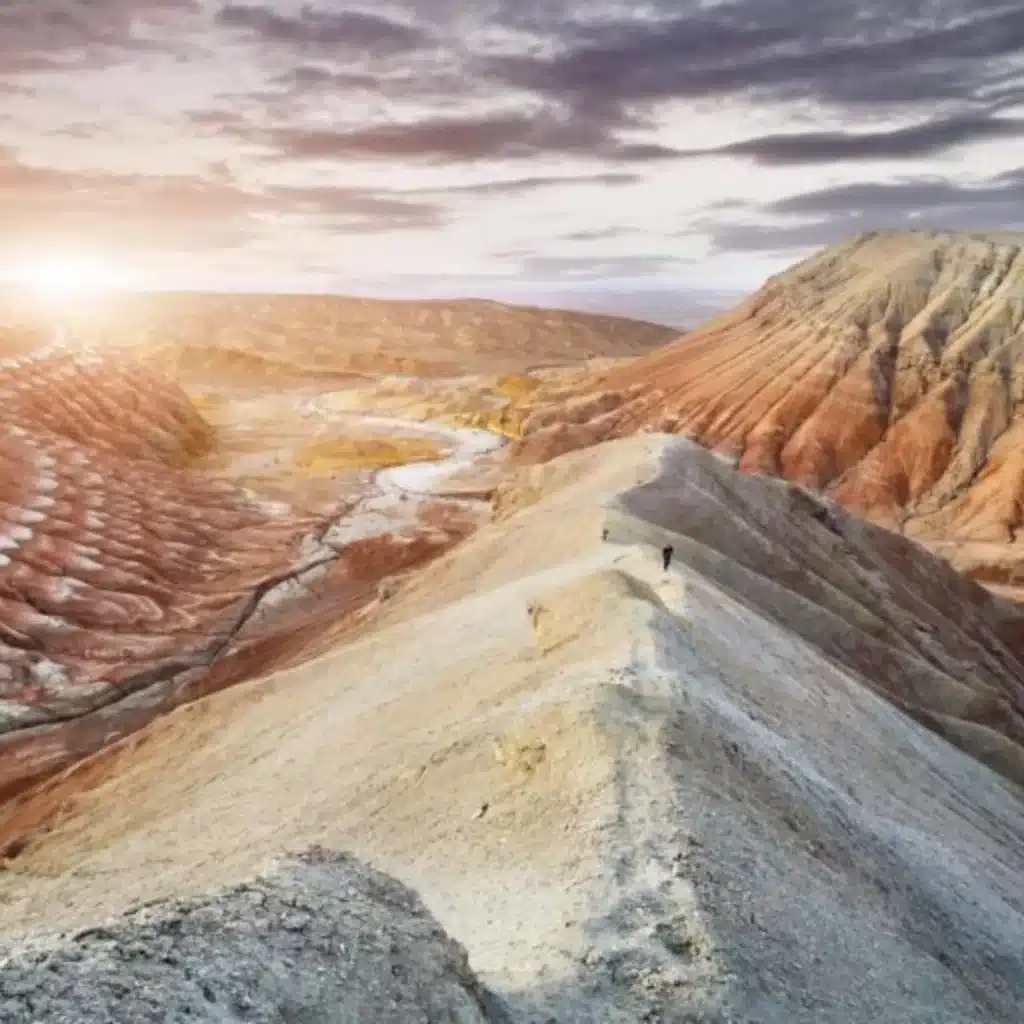
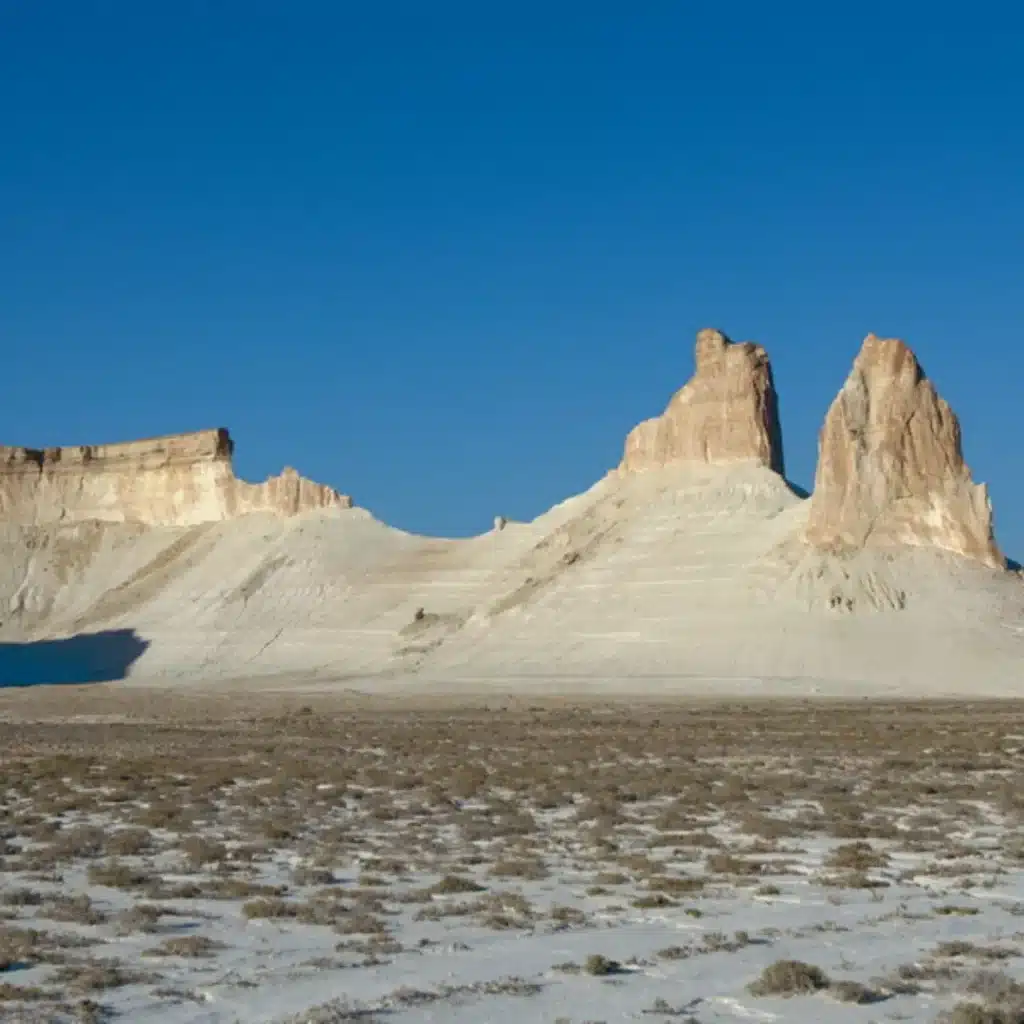
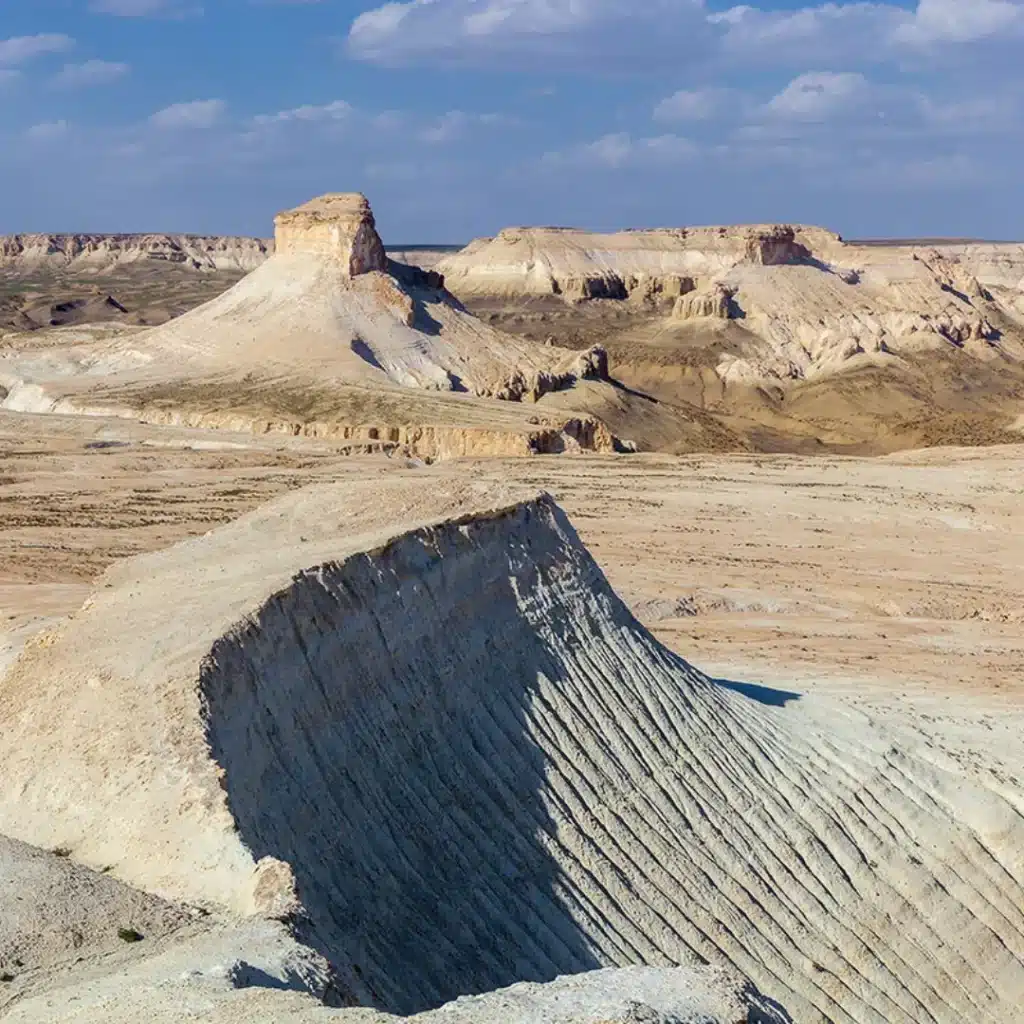
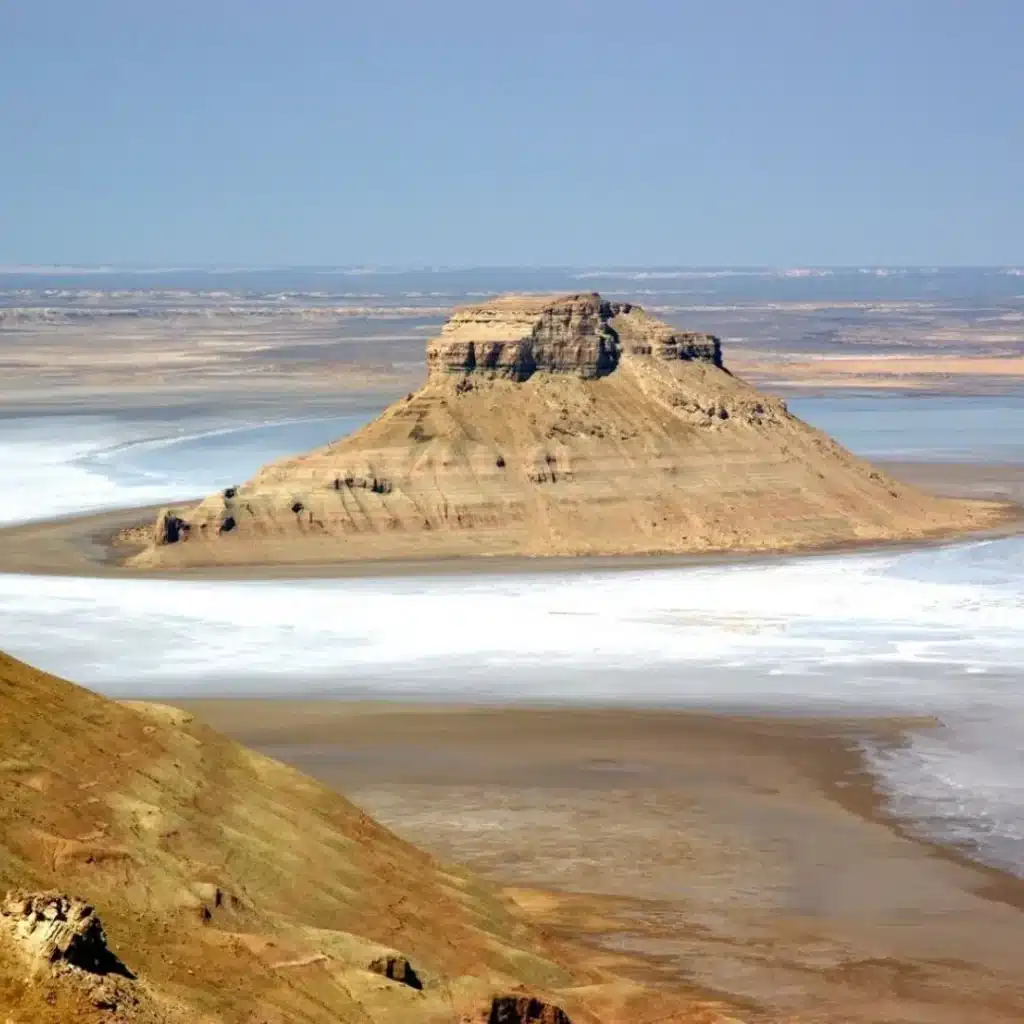
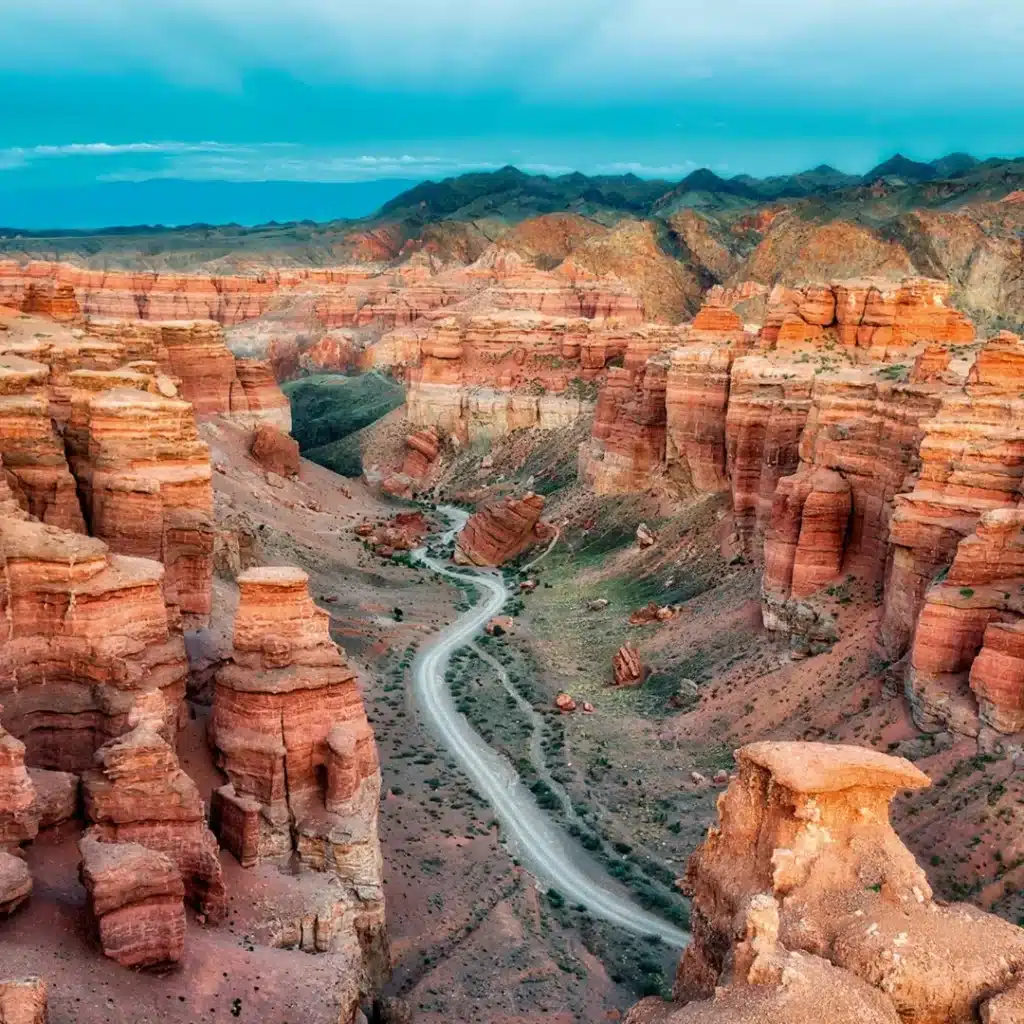
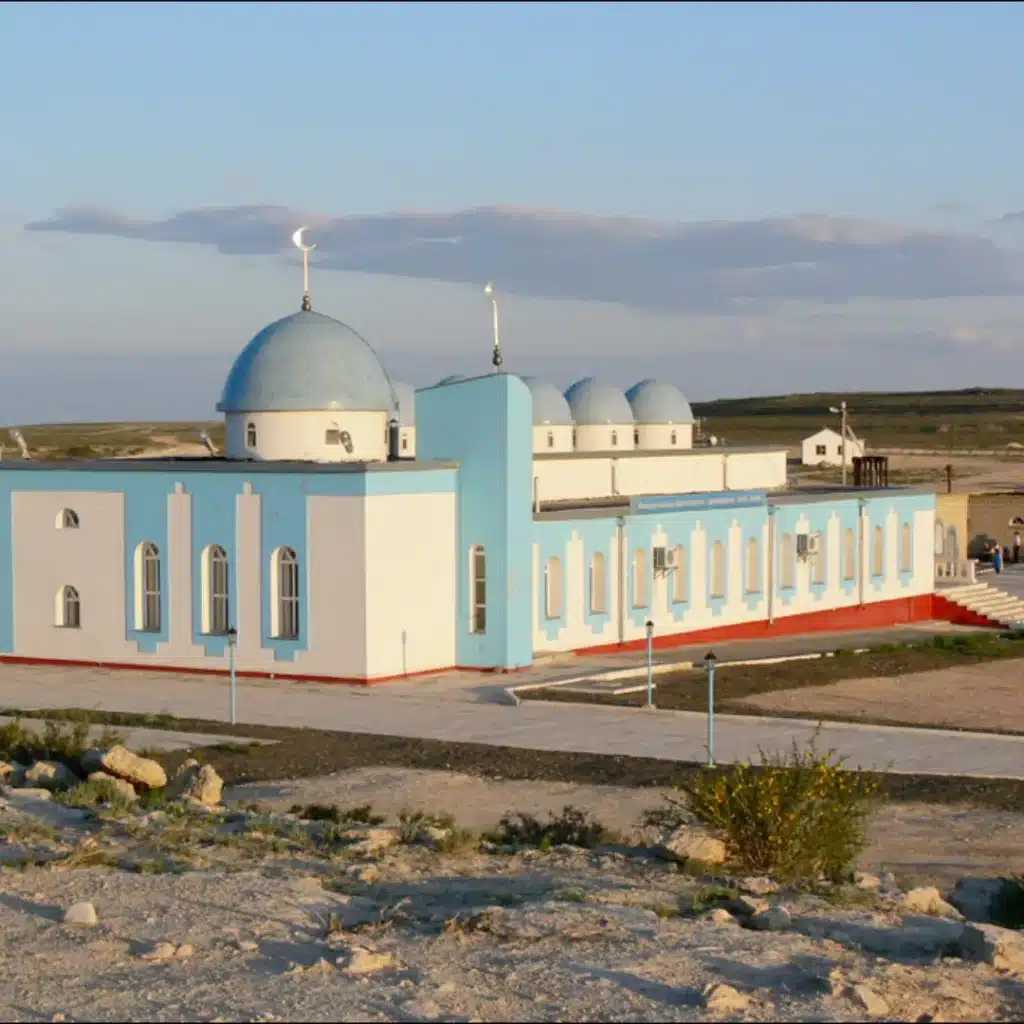
This guide was prepared by the Hoodlum Film Fixers team using official government resources and consultation with trusted local production partners. Our combined operational knowledge ensures international producers receive accurate, up-to-date guidance when planning film production in Kazakhstan.
Useful Links – Kazakhstan Film Authorities
- Kazakhfilm Studio
https://kazakhfilm.kz/ - Ministry of Culture and Information
https://www.gov.kz/memleket/entities/mam - Civil Aviation Committee – Drone Regulations
https://www.gov.kz/memleket/entities/aviation - State Revenue Committee – Customs Information
https://kgd.gov.kz/
Everything You Need to Know About Filming in Kazakhstan
Filming in Kazakhstan rewards productions that understand what makes it genuinely different from other international filming destinations — and plan accordingly.
Kazakhstan is the world’s ninth-largest country. The geographic scale is not a marketing point. It is a production reality. The distance between Almaty and Astana is approximately 1,200 kilometres. The steppe landscapes that make Kazakhstan visually extraordinary are also the landscapes that make logistics demanding. Productions that build their schedules and transport planning around real distances, rather than assuming proximity, will find Kazakhstan one of the most cinematically rewarding destinations in Central Asia.
The permit framework is notably more flexible than many international productions expect. For most standard feature film and commercial work, accreditation is generally not required and formal film permits are often unnecessary. For large-scale projects, extended shoots and national nature parks, preliminary approval from the Ministry of Culture is advisable. Understanding that distinction — and not over-engineering the permit process where it is not needed, while not under-preparing where it is — is what an experienced Kazakhstan film fixer provides.
This section consolidates the practical information for international productions planning a Kazakhstan shoot.
The Kazakhstan film permit — what productions actually need
Kazakhstan has no single centralised legislative framework for film permits. Industry practice confirms that accreditation is generally not required for organising feature film production in the country. For most commercial and narrative productions, permission is often unnecessary for standard locations.
The significant exceptions are large-scale projects involving a significant number of international specialists, extended filming periods exceeding thirty days, and locations within national nature parks and protected areas. For these, preliminary approval from the Ministry of Culture and Sports is strongly advisable.
When a formal permit application is required, it should be submitted to the Ministry of Culture and Sports, clearly specifying the purposes and timelines of filming, the proposed shooting locations and any special location requirements. There is no fee for obtaining filming permits in Kazakhstan.
This relatively light-touch formal permit framework is one of Kazakhstan’s genuine production advantages. Productions can focus pre-production time on logistics, location access and customs preparation rather than multi-authority permit processes. The counterbalance is that private location access is highly individualised — there is no standardised process, and each arrangement requires direct negotiation with property owners through the local fixer.
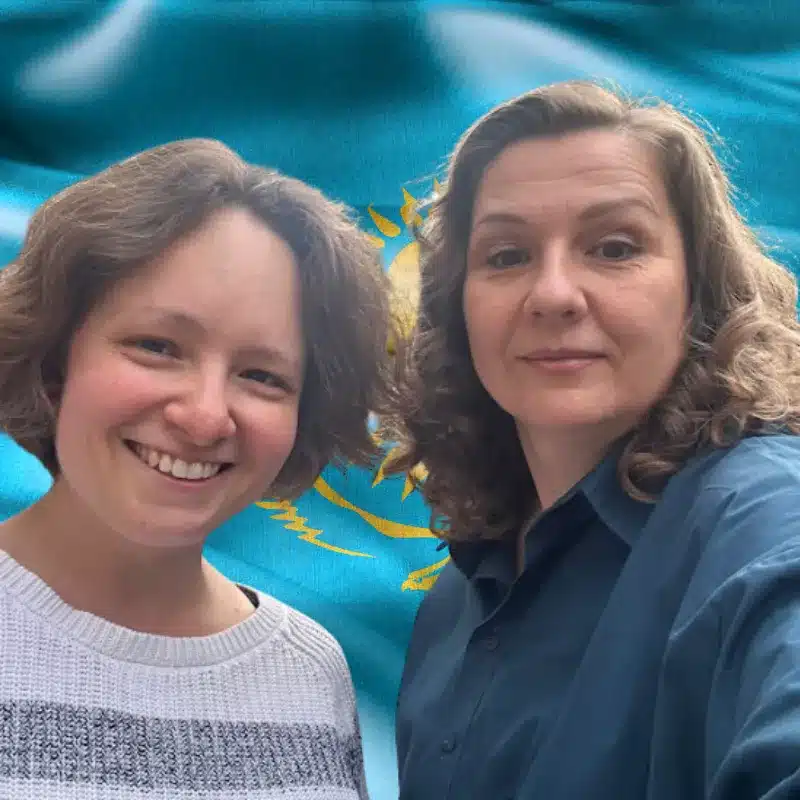
Hoodlum’s Kazakhstan fixers — Ana, Inna and Liya — have established regional relationships that make private location negotiation across both urban and remote environments significantly more efficient than cold outreach.
Filming visa Kazakhstan — e-visa and the visa-free regime
Kazakhstan offers a visa-free regime for citizens of many countries. Citizens of 109 countries can apply for an e-visa at vmp.gov.kz. The e-visa permits a single-entry Business Visa. A Work Visa is not available through the e-visa option.
For countries not on the visa waiver list, a Business Visa (B1, B2, B3) is required from a Kazakhstani embassy or consulate. Required documentation includes a valid passport, passport photograph, copy of the passport identity page, original consular fee receipt, and an invitation petition approved by the Ministry of Internal Affairs with the visa support number.
Processing time for the visa invitation through the Migration Service takes five to seven working days on average, with possible extension to thirty calendar days. An additional five working days are required for visa stamping at the consulate. The e-visa portal processes applications in approximately thirty minutes.
Costs: Single Entry Visa USD 80. Multiple-Entry up to one year USD 200. Multiple-Entry up to two years USD 400. Multiple-Entry up to five years USD 1,000.
Upon arrival, the hotel or host must register crew presence with Kazakhstani authorities within three working days. Hoodlum’s in-country team manages this registration process as part of the standard production setup.
Almaty filming locations — the production hub and alpine environment
Almaty filming locations give productions access to Kazakhstan’s most visually diverse and logistically well-serviced production environment.
Almaty is Kazakhstan’s financial and cultural centre — the largest city in the country, with Soviet-era architecture, contemporary commercial districts, tree-lined avenues, traditional bazaars and the backdrop of the Trans-Ili Alatau mountain range rising dramatically to the south. The proximity of alpine terrain to urban infrastructure is exceptional. Productions can film a city street sequence in the morning and access mountain lakes, forested slopes and snow-covered terrain in the same afternoon.
The Medeu skating rink and its surrounding mountain valley, the Shymbulak alpine resort above Almaty, the Charyn Canyon approximately four hours east, and the Big Almaty Lake in the Ile-Alatau National Park are all within viable distance of the city for location day logistics.
For productions based in Almaty, the local crew base is the strongest in Kazakhstan. Camera teams, grip, lighting, art department and production vehicles with Central Asian experience are available in the city. Kazakhfilm Studio — Kazakhstan’s national film studio — is also based in Almaty and provides studio infrastructure and production support for qualifying productions.
Astana filming location — the futuristic capital
The Astana filming location gives productions access to one of the most architecturally distinctive capital cities in the world — a planned metropolis built on the Central Asian steppe, with sweeping futuristic architecture, wide symmetrical boulevards, geometric government complexes and the distinctive Bayterek tower rising above the civic centre.
Astana’s visual character is unlike any other Central Asian city. For automotive campaigns, corporate films, commercial productions requiring a modern and ambitious visual environment, and productions that need a futuristic or utopian aesthetic without the logistical complexity of more famous cities, Astana offers a compelling and practically accessible option.
Municipal coordination applies for filming in high-traffic civic areas and around government complexes. The city’s planned grid layout, wide boulevards and modern infrastructure give productions significantly more vehicle access, staging space and technical flexibility than comparable urban filming environments in Europe or Asia.
The Kazakhstan steppe — what large-scale landscape filming actually requires
The Kazakhstan steppe is the defining visual environment of the country for international productions — endless flat plains stretching to every horizon, vast sky, extreme seasonal light conditions, and the kind of cinematic scale that is simply unavailable in most European or Asian filming destinations.
For automotive campaigns, the steppe’s combination of straight horizons, dramatic light and complete absence of visual clutter makes it a consistently requested backdrop. For feature films needing Central Asian landscape environments, period epics, military or post-apocalyptic visual concepts, and nature documentary work, the steppe offers a visual register that cannot be replicated by proxy.
What the steppe requires is logistics planning at a scale that differs fundamentally from urban production. Vehicle redundancy — multiple production vehicles with mechanical support. Communication coverage — satellite solutions are advisable in areas with limited mobile coverage. Fuel logistics — there are no fuel stations every few kilometres on the open steppe. Water supply for crew welfare. Weather monitoring — temperature extremes, wind conditions and rapid weather changes require genuine contingency planning rather than optimistic scheduling.
Productions that treat steppe location days as standard location days will encounter problems. Productions that plan them as field expeditions with full logistics support will find the steppe delivers production value that justifies every element of that preparation.
AAK drone permit Kazakhstan — the 30 to 45 working day timeline
The AAK drone permit Kazakhstan process through the Aviation Administration of Kazakhstan takes thirty to forty-five working days. This is the longest drone permit timeline in this guide and needs to be the first process initiated in any Kazakhstan pre-production calendar that includes aerial work.
Drone operations are categorised into Open, Specific and Certified categories. Professional film productions typically operate in the Specific category. For filming in the Specific category, particularly above densely populated urban areas including Almaty and Astana, the following documents are required: application in established form, copy of identity document, and a UAV operator certificate, category 1.
The most significant practical consideration is pilot certification. Even foreign drone operators with professional certification from their home country must undergo training and obtain Kazakhstan certification. For filming outside cities in the Specific category, online training is available but conducted only in Russian. For filming within cities, offline training in Russian or Kazakh is required.
The strongly recommended approach is hiring a local Kazakh drone operator with a registered drone and appropriate certification. This eliminates the certification requirement for foreign pilots, reduces the AAK approval timeline complexity, and provides a drone operator with genuine knowledge of local airspace conditions and restrictions.
There is no fee for the AAK drone permit application process.
Kazakhstan customs clearance ATA Carnet
Kazakhstan participates in the ATA Carnet system. Professional filming equipment can be imported under the standard Carnet framework. The Carnet is obtained in the home country, presented to Kazakhstan Customs upon entry where it is registered without duties, and equipment is used as per temporary import rules before being presented for export inspection on departure.
Required documentation beyond the Carnet includes customs declaration, invoice, contract, transport documents, ownership proof and any necessary permits or certificates.
Customs clearance with correct submissions takes one to five working days. Additional verification requirements can extend this timeline.
Customs duties typically range from 0%–15% of equipment value. Customs broker services, which are available through the State Revenue Committee of the Ministry of Finance, may cost USD 200–500, leading to a total clearance cost of USD 500–1,500 or more.
Complete equipment lists with serial numbers and values are required. Productions splitting equipment arrivals across Almaty International Airport and other entry points should ensure documentation reflects the actual arrival location for each item.
What a Kazakhstan film fixer actually does
A Kazakhstan film fixer confirms whether a formal Ministry of Culture permit is required for the specific production type and locations, manages hotel registration of international crew within the required three-day window, negotiates private location agreements with landowners across urban, steppe, mountain and industrial environments, initiates AAK drone permit applications immediately as the longest-lead process.
Manages e-visa or Business Visa invitation preparation for crew nationalities that require it, prepares ATA Carnet customs documentation, plans vehicle logistics and fuel supply for remote steppe and mountain location days, coordinates satellite communication equipment for areas outside mobile coverage, sources local Kazakh-certified drone operators, and manages cross-regional logistics across the significant distances between Almaty, Astana, the western oil regions and the southern Silk Road heritage cities.
Film production Kazakhstan works most efficiently when Hoodlum is engaged with the AAK drone application as the first action — the thirty-to-forty-five working day timeline is the binding pre-production constraint for any production with aerial sequences. Everything else can be managed in parallel within that window.
Hoodlum provides full production support for international crews across Kazakhstan — from early research and Kazakhstan location scouting through permit coordination, steppe and mountain logistics, drone planning, customs clearance and on-the-ground production management across Almaty, Astana and all regional locations. For enquiries, visit hoodlum.tv/contact-us.
Kazakhstan in a Central Asia film production guide context
For productions building a Central Asia film production guide — comparing Kazakhstan with Uzbekistan, Kyrgyzstan, Tajikistan and Turkmenistan — Kazakhstan occupies a specific and important position.
It is the most production-ready destination in Central Asia. The local crew ecosystem in Almaty is the most developed in the region. The ATA Carnet membership is the most practically significant customs advantage for international productions. The visa-free regime for 109 countries is the broadest entry facilitation available across the Central Asian republics. And the combination of Almaty’s alpine-urban environment, Astana’s futuristic architecture and the Kazakhstan steppe’s cinematic scale gives productions a visual range within a single country that no other Central Asian destination can match.
The trade-off is geographic scale that requires serious logistics planning, a drone permit timeline that starts at thirty working days, and a private location landscape with no standardised access process — both of which are managed most efficiently with an experienced in-country fixer from the earliest pre-production stage.
The practical groundwork is always the same: initiate the AAK drone application first and immediately, confirm whether Ministry of Culture approval is required for the specific project, confirm e-visa or Business Visa requirements for each crew member’s nationality, prepare ATA Carnet documentation before freight is packed, plan vehicle and fuel logistics for steppe and remote location days, hire a locally certified Kazakh drone operator to simplify the aerial approval process, and engage Hoodlum’s Kazakhstan fixer team — Ana, Inna and Liya — at the research and budgeting stage rather than the departure week.
Planning a shoot in Kazakhstan? Contact Hoodlum for film permits, regional and restricted-zone clearances, media accreditation, local fixers, location scouting, customs and ATA Carnet planning, drone coordination, steppe convoys, domestic flights, mountain and desert logistics and full on-ground production management. You can also view the Hoodlum Film Fixers Kazakhstan Google Business Profile for local production details.