Filming in Australia continues to attract international producers because it offers a rare combination of premium crew depth, dependable infrastructure, broad location range, and disciplined execution. For brands, agencies, and production companies working on high-spec commercials, automotive shoots, tourism campaigns, and large-scale branded content, Australia stands out because it combines scale with dependable Production Support in Australia.
Australia’s federal screen incentive system also adds real strategic weight for eligible projects, with a 30% Location Offset and 30% PDV Offset, while the Producer Offset can be 40% for eligible feature films made for commercial cinema release and 30% for certain other eligible projects.
For producers comparing mature filming markets, the real value is not only visual quality. It is the ability to scale crews, handle ambitious shot lists, and still keep the job running like a clean machine instead of a runaway trolley. That is why film production services in Australia remain attractive when the brief calls for premium execution rather than improvisation dressed up as flexibility.
Why producers trust Australia for premium commercial production
Premium commercial production is usually less about whether a country can host a shoot and more about whether it can do so at a high standard, under pressure, with minimal operational wobble. Australia has built that reputation over time. Ausfilm positions the country as a destination for international film and television production with access to screen businesses, government partners, studio facilities, and diverse locations, which reflects the strength of the broader production ecosystem.
For commercial producers, that matters in practical ways:
- crew pools are deeper than in many smaller markets
- suppliers are used to agency-facing work and demanding client processes
- location, transport, and safety coordination are typically more structured
- major cities can support high-end production without losing access to natural locations
That combination is a big reason why Film Production Services in Australia are often chosen for jobs where polish is non-negotiable. The market is especially strong when the production needs a professional environment that can handle layered approvals, multiple departments, and premium brand expectations without turning every shoot day into a fire drill. That combination is a big reason why international producers continue to rely on Film Production Services in Australia when polish, speed, and execution standards all matter at the same time.
Large crews without operational drag
One of Australia’s biggest advantages is that it can support large crews while still maintaining structure. In practical terms, that means producers can build out more ambitious shoots with confidence, whether the project involves multiple vehicles, complex art direction, studio days, remote unit movement, aerial work, or a heavy agency and client presence.
This is where film production services in Australia and production support Australia become especially relevant. Large jobs do not succeed because a market looks good on paper. They succeed because transport, location control, permitting, scheduling, catering, crew booking, technical supply, and safety planning all hold together under pressure.
Filming in Australia is strong here because the ecosystem is mature. Productions are not building everything from scratch every time. They are stepping into a market with established vendors, experienced line production structures, and a broad understanding of what premium execution actually requires. That maturity reduces friction, and reduced friction is often the difference between a beautiful schedule and a bruised one.
On more ambitious jobs, experienced Film Fixers in Australia help keep scheduling, logistics, and location coordination aligned across every department.
Controlled execution with Film Fixers in Australia is the real advantage
Plenty of markets can sell sunshine, skylines, or “world-class” crews. Australia’s stronger selling point is control. The systems around filming tend to support orderly execution rather than constant reactive problem-solving.
That matters at every level:
- location approvals are generally clearer
- professional standards are well understood
- safety expectations are taken seriously
- suppliers and crew are used to structured workflows
- large cities can handle significant production logistics
In New South Wales, for example, Screen NSW’s filming regulations and resources page states that the state’s updated screen framework is designed to modernise the regulatory environment and support location filming, while the Premier’s Memorandum “NSW: Always Screen Ready” says state agencies are expected to facilitate screen production and that filming applications should be approved unless exceptional circumstances apply. That kind of institutional posture matters because it shows a system trying to reduce avoidable drag rather than create it.
This is why Film Fixers in Australia are useful even in a mature market. Their job is not to rescue chaos after it appears. It is to keep the machine running cleanly before chaos has a chance to arrive. That is where strong Production Support in Australia becomes especially valuable, because controlled execution depends on more than good crews alone.
Location range without changing countries
Australia’s location diversity is one of its most commercially useful advantages. A production can move between sleek urban architecture, coastline, beach environments, arid desert, rainforest, open road, rural textures, luxury lifestyle settings, and studio-controlled builds without changing national systems. Screen NSW’s official locations resource highlights the breadth available even within one state, from cityscapes and beaches to rainforests and country towns.
For creative and production teams, that translates into flexibility. One territory can cover:
- automotive campaigns needing long roads and strong horizon lines
- tourism content needing coastline, wildlife, and lifestyle texture
- premium brand spots needing polished urban visuals
- fashion and beauty campaigns needing controlled service environments
- narrative-led commercials needing radically different backdrops within one production plan
The Australia Location Deck is useful here because it helps frame how broad that visual range can be without losing the operational advantages of staying in one country. One of the biggest advantages of filming in Australia is that productions can access radically different visual environments without changing national systems.
Incentives matter more when the budgets get bigger
Australia’s incentive framework is a serious part of the country’s appeal for eligible projects. Screen Australia states that the federal screen production incentives include:
- a 30% Location Offset on qualifying Australian production expenditure for eligible large-budget productions filmed in Australia
- a 30% PDV Offset on qualifying Australian production expenditure relating to post, digital, and visual effects work
- a Producer Offset that can be 40% of QAPE for eligible feature films produced for commercial cinema release and 30% for certain other eligible projects that commenced principal photography on or after 1 July 2021.
That does not turn every commercial into a rebate play. But it does strengthen the broader argument for Production Support Australia when the work sits alongside larger production, post, or mixed-format planning. For international producers and studios, the key point is that Filming in Australia is not only operationally strong. It is also financially legible, and legibility is powerful when budgets get large. For larger campaigns and eligible productions, Film Production Services in Australia become even more attractive when incentive structures support the broader production plan.
Compliance is not glamorous, but it protects the schedule
One reason producers choose Filming in Australia for premium work is that compliance culture is relatively clear. When a market has understood rules, experienced professionals, and institutions that are used to production, the result is often less uncertainty. That reduces insurance exposure, safety risk, and timing surprises.
Drone work is a good example. CASA states that drone safety rules apply across Australia, including the requirements not to fly higher than 120 metres, not to fly over people, and not to operate in prohibited or restricted airspace. CASA also notes that if you fly a drone for work, extra rules apply, including registration and the relevant licence or accreditation requirements.
For producers, that clarity is helpful. It means aerial work can be planned properly rather than handled with fingers crossed and hope wearing a hi-vis vest. Controlled execution is easier when the rules are known and the local teams know how to work within them. This is one reason Production Support in Australia is so valuable on high-spec shoots involving drones, road control, or technically sensitive locations.
Access, visas, and bringing in the right people
Australia is not a casual throw-a-bag-in-the-van market for international crews, but the visa pathways are at least formalised rather than mysterious. The Department of Home Affairs states that people intending to work in the entertainment industry, including directors and producers, may be eligible for the Temporary Activity visa (subclass 408) in an entertainment activity, while some specialist workers may be eligible for the Temporary Work (Short Stay Specialist) visa (subclass 400). The department also notes that applications should be made in advance to account for processing variability.
That is another area where production support Australia and the older guidance on importing film equipment into Australia become useful companion reads. Australia rewards preparation. It is not hostile to production, but it does expect the paperwork and logistics to be handled properly. Experienced Film Fixers in Australia are particularly useful when visas, customs handling, and incoming crew logistics all need to be coordinated at the same time.
Who Australia suits best
Australia is especially strong for:
- premium commercials with high production-value expectations
- automotive work needing open roads, technical coordination, and controlled movement
- large branded campaigns with multiple departments and heavy client oversight
- tourism campaigns needing visual range and polished execution
- fashion and beauty shoots requiring clean service delivery
- mixed studio and location projects where timing discipline matters
This is also why production company in Australia remains a useful supporting reference. The strongest case for filming here is not simply that Filming in Australia is beautiful. It is that beauty arrives with systems, suppliers, and professional control. For premium campaigns that depend on timing, consistency, and professional control, filming in Australia remains one of the strongest options in the market.
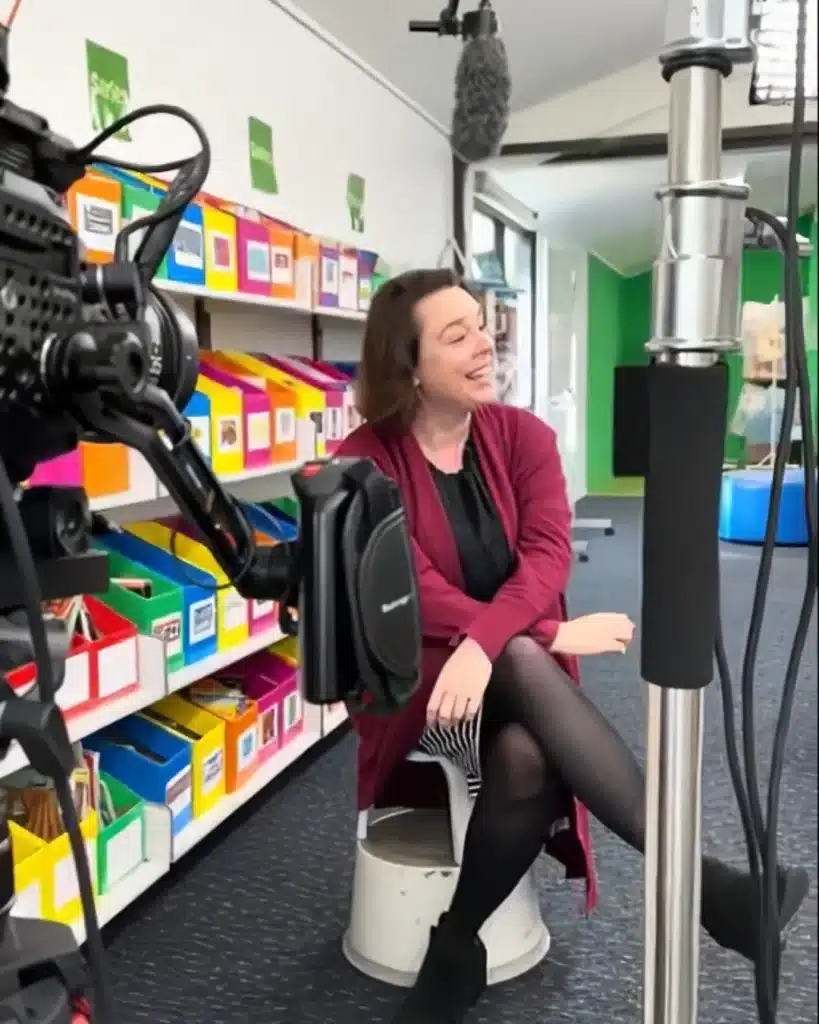
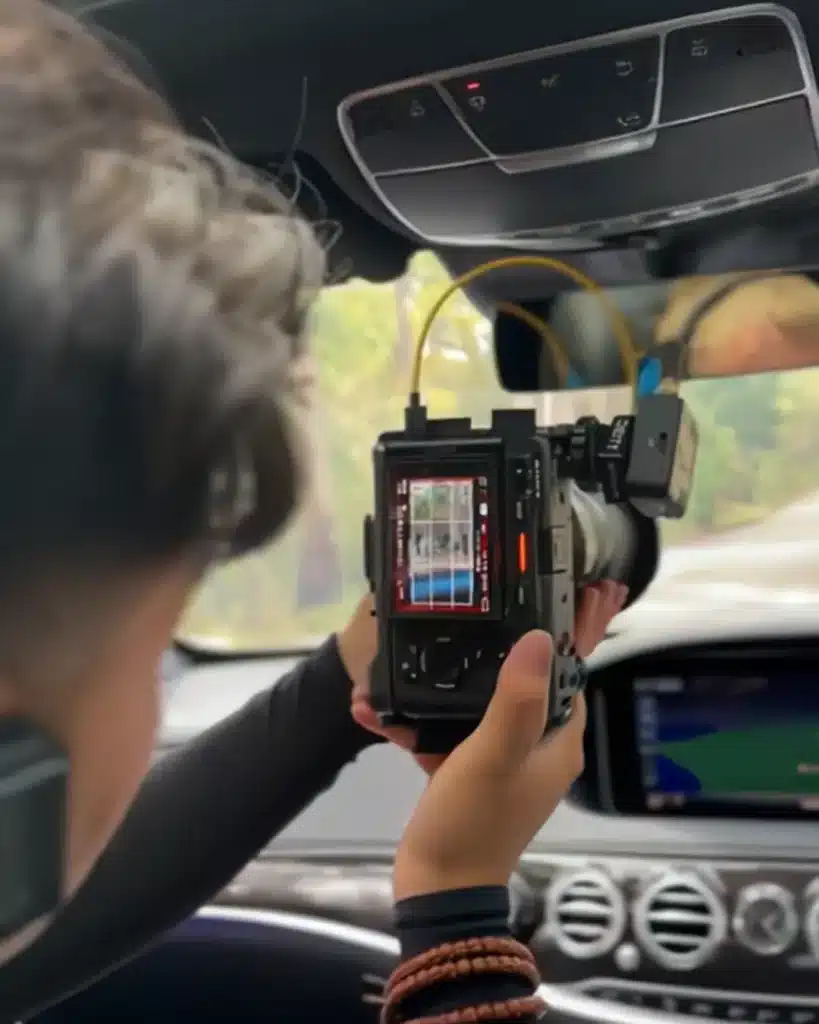
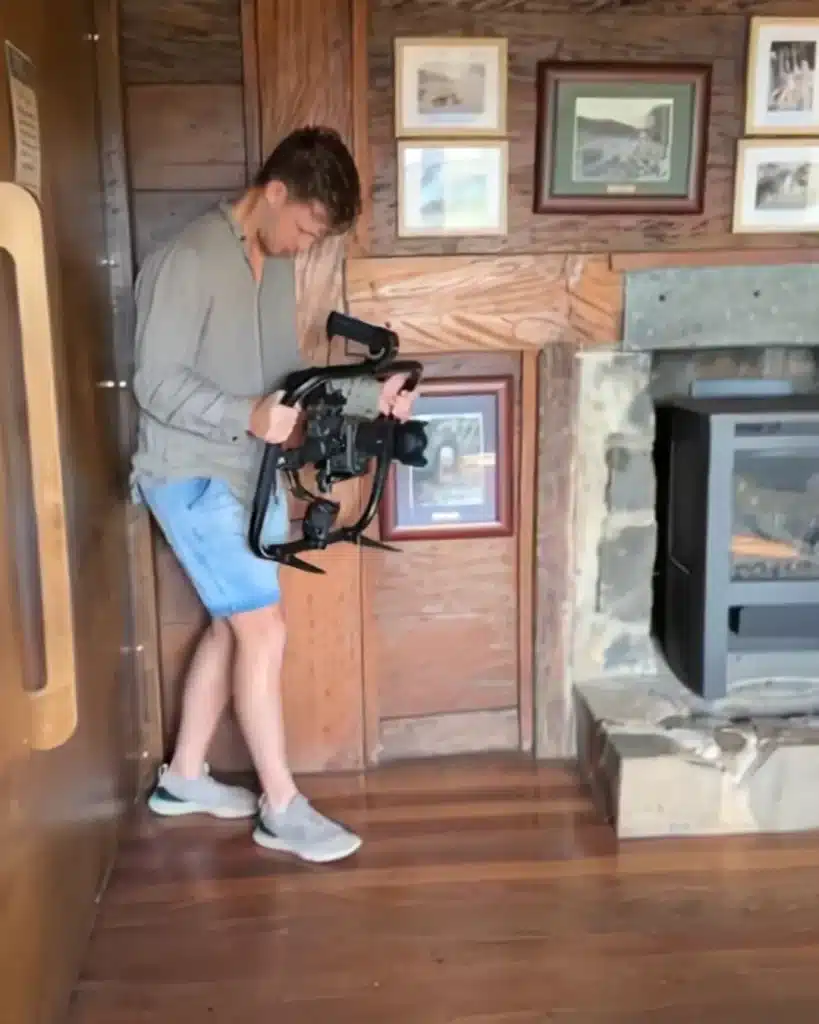
Hoodlums Film Fixers in Australia has a ton of experience!




Film authorities and industry resources
When production decisions need official grounding, Australia offers credible institutional sources.
- Screen Australia for federal incentive guidance, including the Producer Offset, Location Offset, and PDV Offset. (screenaustralia.gov.au)
- CASA for drone rules, safety requirements, and commercial-use obligations. (Civil Aviation Safety Authority)
- Screen NSW for permit protocols, location-filming resources, and the “Always Screen Ready” policy framework in New South Wales. (Screen NSW)
- Ausfilm for broader industry positioning, studio capacity, locations, and production-business context. (Ausfilm)
- Department of Home Affairs for temporary activity and work-visa guidance relevant to incoming production personnel. (Immigration and citizenship Website)
Those official bodies matter because they make the filming environment feel less like guesswork and more like a properly engineered set. Add the operational layer from what we do and the production background on who we are, and the case for Australia becomes easier to understand: premium work tends to go where complexity can be controlled.
FAQs
Why do international producers choose filming in Australia?
They choose Australia because it combines premium crews, dependable infrastructure, strong suppliers, broad location range, and clearer compliance frameworks than many less mature markets. Those factors support controlled execution on high-spec work.
Is Australia good for large commercial productions?
Yes. Australia is especially strong for large commercial productions because its crew depth, supplier ecosystem, and studio-location mix can support more complex jobs without as much operational friction.
Does Australia have film incentives?
Yes. Australia offers a 30% Location Offset, a 30% PDV Offset, and a Producer Offset that can be 40% for eligible feature films for cinema release and 30% for certain other eligible productions.
Are drone shoots tightly regulated in Australia?
Yes. CASA sets national drone rules, and commercial operators face additional requirements such as registration and the relevant licence or accreditation depending on the operation.
What kind of productions benefit most from production support in Australia?
Premium commercials, automotive shoots, tourism campaigns, fashion and beauty work, and large branded productions benefit the most because they rely heavily on control, timing, compliance, and smooth multi-department execution.
This article was written by Zandri Troskie-Naudé using verified information from relevant national authorities and production professionals. Australia’s filming environment reflects strong regulatory clarity, established supplier networks, and dependable on-ground execution. With experienced Film Fixers in Australia, robust Film Production Services in Australia, and reliable Production Support Australia, producers can plan ambitious shoots with far greater confidence.