
















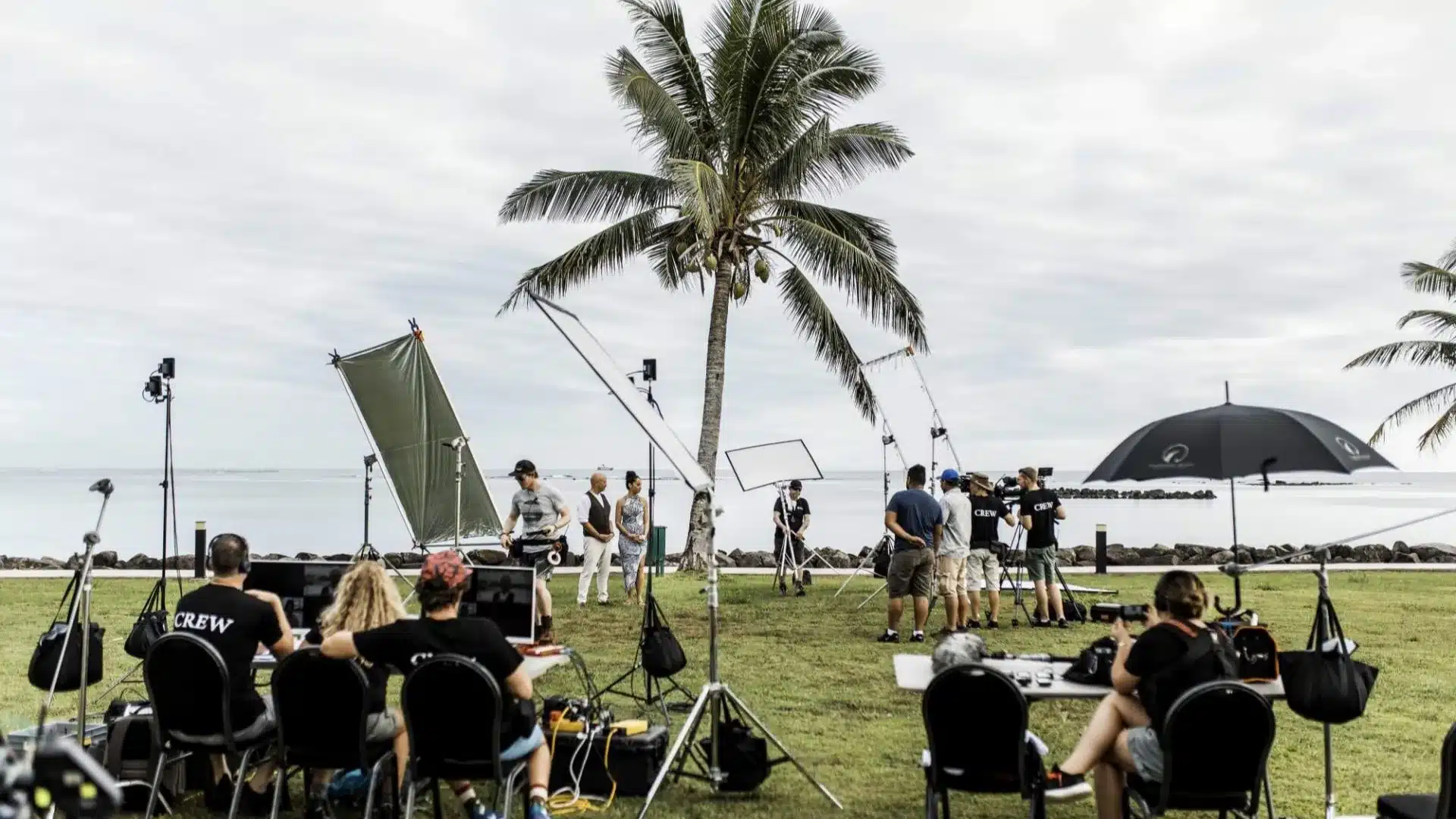
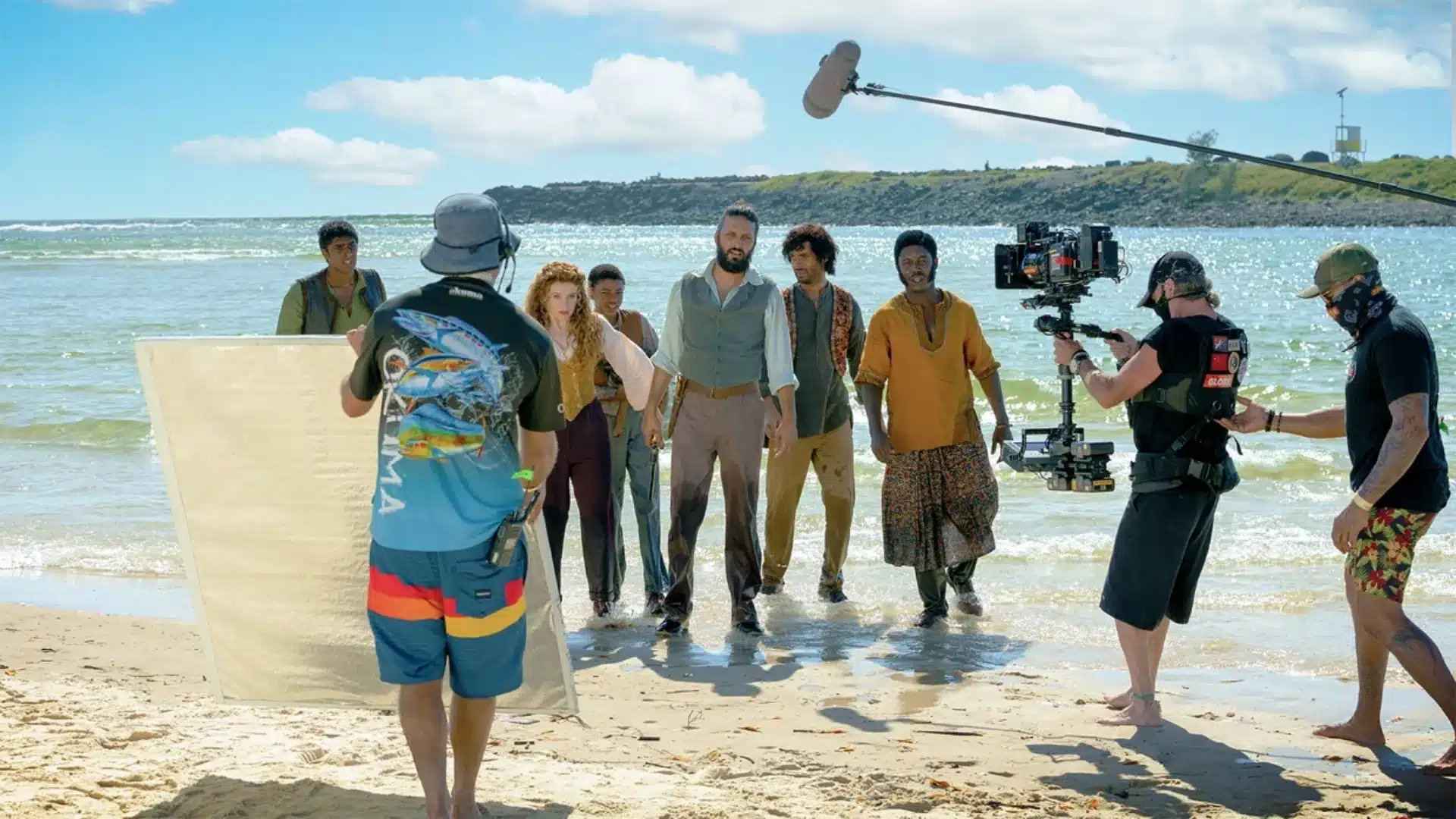
Film Production Services in Tahiti
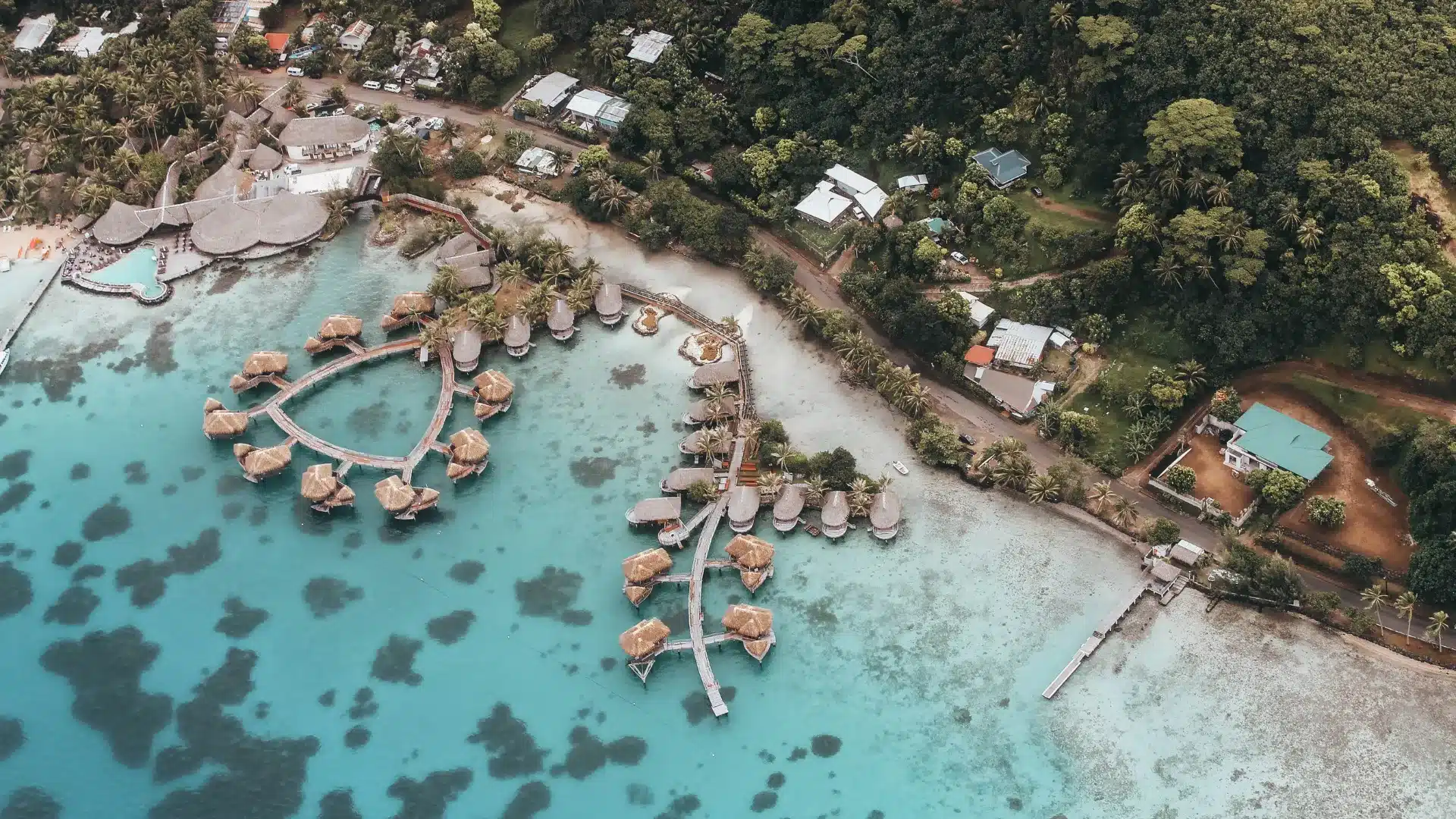
Hoodlum provides practical, fixer-led Film Production Services in Tahiti for international productions that need permits, local crew, location access, customs, drones, transport, marine logistics, security and full production support. Tahiti is the main production gateway for French Polynesia, offering crews access to Papeete, coastal roads, mountain interiors, ports, resorts, private properties, lagoons, cultural locations, boats, hospitality settings and onward island connections.
Tahiti can support documentary, factual television, commercial, branded, travel, lifestyle, marine, conservation, fashion, tourism, social, corporate and controlled-location productions. As the largest island in French Polynesia and the main logistics hub, Tahiti is often the most practical starting point for crews filming across the region. It provides access to local suppliers, accommodation, transport, customs coordination, government liaison, boats, fixers, local crew and onward movement to other islands.
Professional filming in Tahiti requires careful planning around temporary work visas, crew accreditation, film permits, drone approvals, equipment customs clearance, private location permissions and local authority coordination. Film permits are issued through the French Polynesian Government’s Film Commission in conjunction with the Tahiti Tourism Board and the local municipality. Drone operations for commercial filming require prior authorisation from the French Polynesian Civil Aviation Authority, and customs clearance is handled through the Direction des Douanes, also known as Douanes de Polynésie française.
Hoodlum supports productions in Tahiti with visa guidance, Film Commission permit coordination, crew accreditation, fixer services, private location access, resort and municipal liaison, local crew sourcing, drone permit planning, customs clearance, equipment documentation, transport, accommodation, marine logistics, security coordination and complete on-the-ground production management. Tahiti can work efficiently for international crews when approvals, locations, customs, drone operations and logistics are organised before arrival.
Why Tahiti Works for International Productions
Tahiti works for productions that need French Polynesian access, a practical island base, marine filming, resort locations, cultural settings, mountain roads, coastal movement, ports, private properties and strong local logistics. For crews filming in French Polynesia, Tahiti is often the best operational starting point because it provides the clearest access to government offices, customs, accommodation, local coordination and inter-island travel.
Tahiti is well suited to documentary, commercial, travel, lifestyle, tourism, conservation, branded, marine and factual productions. It can support both small-footprint crews and more structured commercial shoots, provided the production is properly permitted and the schedule accounts for island logistics, weather, transport and location access.
Papeete is the main production and logistics base. Crews can coordinate arrivals, customs, accommodation, local fixer meetings, vehicle hire, production supplies, municipal permits, port access, boat logistics and onward movement from the capital. From Papeete, productions can move to coastal roads, private beaches, hotels, mountain interiors, villages, harbours, markets, cultural sites and marine environments.
Tahiti is most effective for crews that can plan ahead. Temporary work visa processing may take 2 to 4 weeks, film permits typically take 2 to 4 weeks, crew accreditation takes around 3 to 5 working days, drone permits take 7 to 10 working days, and customs clearance can usually be completed in 2 to 4 hours when documents are accurate. Early planning allows the production to protect shoot days and avoid arrival delays.
Papeete as the Main Production Base
Papeete is the main production base for filming in Tahiti. It is the centre for crew arrivals, customs processing, government liaison, accommodation, transport, local fixers, suppliers, port logistics, municipal coordination and production administration. Most international productions will use Papeete as the operational base even when filming across the island or using Tahiti as a gateway to other French Polynesian locations.
The city can support interviews, public spaces, waterfront locations, port access, hotels, markets, offices, roads, commercial spaces, cultural locations, private properties and controlled urban filming. It is also the most practical place to coordinate permits, crew accreditation, temporary work visa support, drone submissions and customs documentation.
Public filming in Papeete may require municipal approvals, Film Commission coordination, owner permissions or local authority liaison. Productions using roads, larger crews, public spaces, drones, lighting, generators or visible equipment should confirm permissions before filming.
Hoodlum supports Papeete-based production with local fixer services, municipal coordination, Film Commission liaison, private owner negotiation, local crew sourcing, transport, accommodation, customs support, drone planning and daily production management. A well-managed Papeete base allows crews to work efficiently across Tahiti and wider French Polynesia.
Coastal, Mountain and Marine Filming in Tahiti
Tahiti offers a wide range of filming environments within a manageable island footprint. Coastal roads, harbours, lagoons, mountain interiors, private properties, beaches, viewpoints, resorts and cultural locations can often be combined in a single production schedule when access is properly planned.
Marine and coastal filming require careful coordination. Productions may need boats, port access, safety planning, dry storage, weather checks, marine permissions, equipment protection and crew transfer planning. Salt, humidity, wind and spray can affect camera, sound, drone and data equipment, so protective cases and backup systems should be included in the kit plan.
Mountain and interior locations may require additional transport planning, local guides, weather contingency, vehicle access checks and location permissions. Even where travel distances are short, island roads, weather and access points can affect timing.
Hoodlum supports coastal, mountain and marine production by coordinating local fixers, vehicles, boats, location permissions, weather-aware scheduling, equipment protection and daily logistics. Tahiti’s production value is strongest when the island route is planned realistically.
Crew Entry and Visa Requirements for Tahiti
Film crews travelling to Tahiti may require a temporary work visa depending on nationality, duration, production activity and the nature of the work. Tahiti is part of French Polynesia, so visa and work authorisation processes follow French and French Polynesian channels. Applications may be made through France-Visas where required.
Film crew visa applications typically require a valid passport, completed and signed application form, recent passport-sized photos, proof of professional qualifications, proof of medical insurance, a letter of intent from the production company and a detailed shooting schedule. The production letter should explain the project, crew, dates, locations, purpose of filming and local support structure.
Temporary work visa processing for film crews typically takes around 2 to 4 weeks. Productions are advised to apply at least 6 to 8 weeks before the planned shoot date to allow for timely issuance and to avoid delays if additional information is requested.
The cost of a temporary work visa for film crews in Tahiti is approximately 8,000 to 10,000 Pacific Francs, subject to change. Productions should confirm current fee levels before applying.
Hoodlum supports visa planning by helping prepare production letters, crew role information, professional qualification documents, insurance proof, shooting schedules and local support materials. Entry planning should be aligned with film permits, crew accreditation, customs and drone approvals.
International Crew Accreditation in Tahiti
Film crew members working in Tahiti may be required to obtain accreditation from the French Polynesian Government’s Film Commission. Accreditation typically involves submitting proof of identity, proof of professional qualifications and a letter of intent from the production company.
Accreditation documents usually include a valid passport, proof of professional qualifications such as résumés or certificates, a letter of intent from the production company, and a completed and signed accreditation application form. The accreditation file should make each crew member’s role clear and should align with the film permit application.
Crew accreditation usually takes around 3 to 5 working days to process. Productions are advised to apply at least 2 to 3 weeks before the planned shoot date to allow enough time for review and any requested corrections.
The cost of crew accreditation in Tahiti is approximately 5,000 Pacific Francs per person, subject to change. This cost should be confirmed at the time of application.
Hoodlum supports crew accreditation by preparing passport copies, professional qualification documents, crew role letters, production company letters and Film Commission submissions. Consistency across visa, accreditation, permit and customs documents helps keep the production process smooth.
Film Permits in Tahiti
Film permits in Tahiti are issued by the French Polynesian Government’s Film Commission, in conjunction with the Tahiti Tourism Board and the local municipality. The exact approval path depends on the production type, locations, public impact, drone use, crew size and whether private, public, resort, coastal, marine or municipal locations are involved.
Film permit applications typically require a detailed shooting script, storyboard, location plans, equipment list, crew list, proof of liability insurance and a letter of intent from the production company. Productions should also prepare a schedule, location list, drone plan where relevant and any special access requirements.
The processing time for a film permit in Tahiti is usually around 2 to 4 weeks. Productions are advised to apply at least 6 to 8 weeks before the planned shoot date to allow enough time for approval, location coordination and supporting permissions.
Film permit costs vary depending on location, production type and duration of the shoot. Typical costs range from 50,000 to 200,000 Pacific Francs, subject to final confirmation based on the project scope.
Hoodlum supports film permit applications by preparing scripts, storyboards, schedules, location plans, equipment lists, crew lists, liability insurance documents and production letters. We also coordinate local municipality and tourism-related approvals where required.
Private Locations, Resorts and Owner Permissions
Private location filming in Tahiti is arranged through a fixer, location scout or local production partner. The fixer helps identify suitable locations, arrange site visits, negotiate with landowners, coordinate logistics and liaise with local authorities, service providers and property managers.
Private locations may include homes, resorts, hotels, restaurants, beaches, gardens, private roads, villas, commercial properties, cultural spaces, harbour-related areas or private coastal access points. Some private locations may also require municipal or Film Commission awareness depending on the production footprint.
Accurate private location costs cannot be given until the production schedule, location requirements, crew size, equipment needs, access hours and filming dates are known. Fees may depend on exclusivity, disruption, privacy, brand use, guest impact, staffing, parking, power, overtime, cleaning, restoration and security requirements.
A written location agreement should confirm filming dates, access times, permitted areas, fees, insurance, owner restrictions, privacy requirements, power, parking, equipment storage, security, overtime and cancellation terms. Hoodlum supports private location filming by scouting options, negotiating access, arranging agreements and managing the filming day.
Public Filming and Municipal Coordination
Public filming in Tahiti may require coordination with the Film Commission, the Tahiti Tourism Board, the local municipality and any relevant public authority. Streets, roads, waterfronts, markets, parks, public buildings, beaches, cultural sites and harbour areas should be checked before filming.
Crews should carry film permits, crew accreditation, passports, visa documents, insurance, equipment lists, local fixer contacts and location permissions while filming. This helps explain the production if approached by officials, property managers or local representatives.
Public filming should be planned around pedestrian access, traffic, parking, sound, public privacy, equipment safety and local disruption. Larger crews, lighting, road control, drones, generators or public-facing shoots may require additional approvals or local support.
Hoodlum supports public filming by identifying approval requirements, coordinating municipal permissions, briefing crews and managing local liaison. Tahiti is a practical filming environment when the production footprint is clearly communicated in advance.
Drone Filming in Tahiti
Drone operations for commercial filming and photography in Tahiti require prior authorisation from the French Polynesian Civil Aviation Authority, also known as DAC. Operators must comply with local regulations, maintain liability insurance, respect restricted airspace and follow privacy laws.
Drone permit applications typically require a completed permit application form, proof of liability insurance, drone registration documents, pilot certification and a detailed flight plan with maps and coordinates. The drone plan should state where the drone will fly, the purpose of the flight, flight dates and the intended filming areas.
Drone permit processing usually takes around 7 to 10 working days. Productions are advised to apply at least 2 to 3 weeks before the planned drone operation to allow enough time for approval and any follow-up questions.
The cost of a drone permit in Tahiti is approximately 15,000 to 30,000 Pacific Francs, depending on permit type and duration of operation. Drone flights near airports, villages, resorts, crowded areas, sensitive environmental areas, government locations or restricted airspace may be limited or refused.
Hoodlum supports drone filming by preparing flight plans, maps, coordinates, insurance documents, pilot certification, drone registration and authority submissions. Drone planning should be aligned with the film permit, private location agreements and municipal approvals.
Drone Importation into Tahiti
Drone importation into Tahiti for commercial purposes requires temporary importation planning through French Polynesian customs, and may require declaration, inspection and payment of applicable duties or taxes. Drone importation should be coordinated before the crew travels.
Drone import documentation typically includes a commercial invoice, bill of lading, packing list, certificate of origin and detailed technical description of the drone, including make, model and serial number. The drone should also appear on the main equipment list and any customs documentation.
Productions should not arrive with undeclared drone equipment. The drone, batteries, accessories, chargers and related parts should be documented clearly, with values and serial numbers where applicable. Airline battery rules should also be checked before travel.
Hoodlum supports drone importation by aligning customs documents, technical specifications, drone permit materials, equipment lists and local aviation requirements. This reduces the risk of equipment holds or delays at customs.
Equipment Customs Clearance in Tahiti
Customs clearance in Tahiti is handled by the Direction des Douanes, also known as Douanes de Polynésie française. Professional filming equipment should be documented before arrival and cleared through the appropriate temporary import process.
Tahiti is part of French Polynesia rather than a country in its own right. Productions should confirm the correct customs route for French Polynesia before travel. Where a temporary import bond or customs guarantee is required, crews may need to provide a bank guarantee or cash deposit to cover duties and taxes on the equipment, refundable upon departure.
Film crews arriving in Tahiti may be required to present a commercial invoice, packing list, certificate of origin, detailed equipment list, completed temporary import declaration form and a letter explaining the purpose of the shoot and intended duration of stay. Equipment lists should include cameras, lenses, sound gear, lighting, grip, data equipment, drones, batteries and any specialist production items.
Customs clearance typically takes around 2 to 4 hours, but timing can vary depending on shipment complexity, documentation accuracy and customs workload. Customs clearance costs for film crews typically range from 5,000 to 20,000 Pacific Francs, depending on equipment type and value.
Hoodlum supports customs clearance by preparing equipment lists, values, serial numbers, commercial invoices, packing lists, certificates of origin, temporary import declarations, production letters and local customs coordination. Accurate documentation is essential for a smooth arrival in Tahiti.
Local Crew, Fixers and Production Support
Local fixer support is essential for filming in Tahiti. A fixer helps coordinate visas, Film Commission permits, crew accreditation, private locations, customs, drones, transport, accommodation, marine access, local crew, service providers, local authorities and daily production logistics.
Tahiti has a stronger production base than many smaller French Polynesian islands, but specialist equipment and crew may still need to be sourced regionally or internationally depending on the project. Productions should confirm what can be hired locally and what needs to be brought in.
A Tahiti fixer may support location scouting, owner negotiations, municipal liaison, resort access, translation, crew movement, customs documentation, drone approvals, boat logistics, supplier coordination and shoot-day troubleshooting.
Hoodlum helps build the right local production structure for each Tahiti shoot. A commercial, documentary, resort shoot, marine production, tourism campaign or cultural project will each require a different mix of local crew, fixer support, permits and logistics.
Transport, Accommodation and Island Logistics
Transport in Tahiti should be planned around crew size, equipment volume, accommodation, filming locations, road access, port movement, marine activity and weather. Productions may need vehicles, drivers, boats, parking, secure equipment transport and coordinated call times.
Accommodation should be booked early and selected around location access, equipment storage, power, parking, crew movement and production schedule. Hotel and resort filming may also require separate access agreements and operating protocols.
Island logistics should include charging, data backup, waterproof cases, humidity protection, marine safety, weather contingency, sun protection, food, water, traffic timing and local liaison. Even where distances are manageable, island schedules should account for loading, transport and access coordination.
Hoodlum supports transport, accommodation and logistics by arranging vehicles, drivers, accommodation, local crew, boats, location access and daily movement plans. Tahiti shoots are most efficient when the route and access plan are built before the crew arrives.
Safety and Security in Tahiti
Tahiti is generally a manageable filming environment, but productions should take normal precautions to secure equipment and personnel. Local security personnel or police escorts may be useful when filming in isolated areas, crowded spaces, public events or with high-value equipment.
Security planning should include equipment protection, crowd management, secure storage, transport safety, resort privacy, marine safety, weather disruption and natural hazard awareness. Larger shoots or public-facing commercial productions may require more structured security than small documentary crews.
Crews should also plan around heat, humidity, sun exposure, marine activity and road movement. Equipment should be protected from salt, rain and humidity, especially for coastal and boat-based shoots.
Hoodlum supports security planning by coordinating local security personnel, police support where appropriate, equipment storage, access control and location-specific risk planning. Tahiti is workable and low-friction when basic production security is in place.
Environmental and Cultural Considerations
Tahiti has important cultural and environmental considerations for film crews. Productions should respect local communities, private land, cultural spaces, marine areas, lagoons, coral environments, village settings and protected locations.
Drone flights, marine filming, beach access, resort shoots and public filming should be planned with respect for privacy, environmental restrictions and local protocols. Some areas may require additional permission beyond the general film permit.
Crews should work with local fixers to understand expectations around community filming, cultural references, local language, traditional settings, marine access and environmental care. This is especially important for documentary, travel, branded and tourism productions.
Hoodlum supports responsible production by coordinating local liaison, cultural guidance, environmental awareness and location-specific restrictions. Respectful local coordination helps keep filming smooth and protects access for future productions.
Film Rebates and Tax Incentives
Tahiti offers access to French Polynesia’s film rebate programme, known as the Tax Rebate for Film and Audiovisual Productions. This programme can provide a rebate of up to 35% of eligible expenses incurred in French Polynesia, subject to current rules and confirmation.
Productions should confirm eligibility, qualifying spend, minimum requirements, application process, documentation, local partner obligations and payment timelines before budgeting around the rebate. Incentive rules can change, so current confirmation is essential.
The rebate may be relevant for productions with meaningful local spend on crew, accommodation, transport, locations, services, equipment, logistics and other qualifying production costs in French Polynesia. Accurate records and local coordination are important.
Hoodlum supports incentive planning by helping productions coordinate with local partners, track spend and align production logistics with documentation requirements. Incentive planning should begin before filming, not after wrap.
When Tahiti Is the Right Production Choice
Tahiti is the right production choice when a project needs French Polynesian access, Papeete logistics, resort settings, marine filming, cultural locations, mountain roads, coastal roads, boats, private properties, hospitality locations or onward access to nearby islands.
The island is best suited to productions that can allow enough lead time for permits and logistics. Temporary work visas can take 2 to 4 weeks, film permits can take 2 to 4 weeks, crew accreditation can take 3 to 5 working days, drone permits can take 7 to 10 working days and customs clearance generally takes 2 to 4 hours when paperwork is accurate.
Tahiti is less suitable for productions that need last-minute permits, informal drone flights, unsupported customs clearance, unconfirmed resort access or heavy equipment movement without local planning. The island is highly workable, but the production should be organised.
Hoodlum helps producers assess whether Tahiti fits the creative, budget, schedule and logistics of the project. When it is the right location, we provide the fixer-led support needed to keep filming efficient and properly approved.
Common Tahiti Production Mistakes
A common mistake is assuming Tahiti can be filmed informally because it is a tourism destination. Professional productions still need permits, insurance, location permissions and local coordination.
Another mistake is leaving temporary work visas too late. Processing can take 2 to 4 weeks, and productions should apply 6 to 8 weeks before filming where visas are required.
Productions also sometimes underestimate Film Commission requirements. Film permit applications may need scripts, storyboards, location plans, equipment lists, crew lists, insurance and production letters.
Drone planning is another frequent issue. Commercial drone operations require prior approval, insurance, pilot certification, flight plans, maps and coordinates.
Customs can also create delays if equipment lists, temporary import declarations or commercial documents are incomplete. Professional gear should be documented before arrival.
Finally, productions may underestimate marine and island logistics. Boats, weather, coastal access, resort privacy and equipment protection should all be built into the schedule.
How Hoodlum Supports Productions in Tahiti
Hoodlum supports productions in Tahiti with practical, fixer-led production services for international crews. We help coordinate the approvals, local relationships and logistics needed to film efficiently across the island.
Our support includes temporary work visa guidance, France-Visas support, Film Commission permit coordination, Tahiti Tourism Board liaison, municipal coordination, crew accreditation, private location negotiation, resort access, local fixer services, drone permit planning, French Polynesian Civil Aviation Authority coordination, customs clearance support, equipment list preparation, local crew sourcing, boat logistics, transport, accommodation, security planning, incentive guidance and daily production management.
We help productions prepare passports, application forms, passport photos, professional qualification documents, medical insurance proof, production letters, shooting schedules, scripts, storyboards, location plans, equipment lists, crew lists, liability insurance, drone registration documents, pilot certifications, flight plans, maps, coordinates, commercial invoices, packing lists, certificates of origin and temporary import declarations.
Tahiti can be a strong French Polynesian production base when permits, customs, drones, locations and island logistics are handled early. Hoodlum provides the on-ground support needed to keep international crews documented, mobile and ready to film.
FAQ
Do film crews need a visa for Tahiti?
Film crews may require a temporary work visa depending on nationality, duration and production activity.
How long does a Tahiti film crew visa take?
Temporary work visa processing usually takes around 2 to 4 weeks, but productions should apply 6 to 8 weeks before filming.
How much does a temporary work visa cost?
The cost is approximately 8,000 to 10,000 Pacific Francs, subject to change.
Is crew accreditation required in Tahiti?
Film crew members may be required to obtain accreditation from the French Polynesian Government’s Film Commission.
How long does crew accreditation take?
Crew accreditation usually takes around 3 to 5 working days.
How much does crew accreditation cost?
Crew accreditation costs approximately 5,000 Pacific Francs per person, subject to change.
Who issues film permits in Tahiti?
Film permits are issued by the French Polynesian Government’s Film Commission in conjunction with the Tahiti Tourism Board and the local municipality.
How long does a Tahiti film permit take?
Film permits usually take around 2 to 4 weeks, but productions should apply 6 to 8 weeks in advance.
How much does a Tahiti film permit cost?
Film permit costs typically range from 50,000 to 200,000 Pacific Francs, depending on location, production type and duration.
Can film crews use drones in Tahiti?
Yes, but commercial drone operations require prior authorisation from the French Polynesian Civil Aviation Authority.
How long does a drone permit take?
Drone permits usually take around 7 to 10 working days.
How much does a drone permit cost?
Drone permit costs are approximately 15,000 to 30,000 Pacific Francs.
Who handles customs clearance in Tahiti?
Customs clearance is handled by the Direction des Douanes, also known as Douanes de Polynésie française.
How long does customs clearance take?
Customs clearance typically takes around 2 to 4 hours, depending on shipment complexity and documentation accuracy.
Does Tahiti offer a film rebate?
Yes. Tahiti offers access to French Polynesia’s Tax Rebate for Film and Audiovisual Productions, which can provide up to 35% of eligible local expenses.
Is Tahiti safe for filming?
Tahiti is generally manageable for productions, but crews should secure equipment and consider local security or police support for isolated, crowded or high-value shoots.
External Authority Links
Contact Hoodlum today for expert Film Production Services in Tahiti, including fixer support, film permits, crew sourcing, drone permissions, customs clearance, location access and complete on-the-ground production management. For more information, visit the Hoodlum Film Fixers Tahiti Google Business Profile.