Filming in the Maldives is rarely about filling a gap on a location list. It is about intention.
The Maldives is not a backdrop. It is an environment. Light sits differently here. Water shifts between glass and cobalt within minutes. Resorts operate like self-contained ecosystems suspended between sky and sea. For producers seeking pristine visuals, exclusivity, and scale without urban interference, filming in the Maldives offers something precise: controlled paradise.
But paradise is dispersed. The Maldives is made up of 26 atolls and more than 1,000 islands. This means line production in the Maldives is less about city logistics and more about marine choreography.
This guide is designed for international producers evaluating filming in the Maldives as a serious production decision, not a postcard idea.
For on-the-ground coordination, visit our Maldives location page
Why International Productions Choose the Maldives
International productions in the Maldives are typically drawn by three elements:
- Unmatched turquoise lagoons and reef systems
- Architecturally striking overwater villas and private island resorts
- Controlled, low-density environments ideal for luxury storytelling
Commercial filming in the Maldives is especially popular for:
- Luxury travel campaigns
- High-end fashion editorials
- Jewellery and watch campaigns
- Resort branding films
- Wellness and lifestyle productions
- Underwater and marine content
The visual language is clean. Horizon lines are uninterrupted. Minimal urban noise allows complete environmental control.
But filming in the Maldives requires understanding how that control works.
Island Filming Locations Maldives: Controlled Environments
Most island filming locations Maldives fall into one of three categories:
Private Resort Islands
These are self-contained properties with dedicated management, transport infrastructure, and security protocols. Resort filming permissions are handled directly with ownership or management groups. Approval processes vary by brand and level of exclusivity.
Inhabited Local Islands
These offer cultural texture and community-driven visuals. Permits and coordination require engagement beyond resort management, often involving local administrative authorities.
Uninhabited Islands & Sandbanks
Used frequently for commercial filming in the Maldives. Access depends on marine logistics and environmental considerations.
Unlike urban destinations, filming in the Maldives means each island functions as its own jurisdictional micro-environment.
Line Production in the Maldives: Marine Logistics First
Line production in the Maldives begins with boats and flight schedules.
Transport between atolls for production is a core operational consideration. Movement may involve:
- Speedboats
- Seaplanes
- Domestic flights
- Charter vessels
Logistics for filming across islands must account for:
- Tide schedules
- Weather shifts
- Marine traffic
- Equipment transfer between vessels
- Resort docking restrictions
A production that looks effortless on screen is often built on precise marine timing behind the scenes.
Line production in the Maldives is less about road closures and more about anchoring windows.
Producing in the Maldives: Resort Coordination & Access
Producing in the Maldives almost always involves resort partnerships.
Resort filming permissions typically require:
- Concept presentation
- Shooting schedule
- Crew size breakdown
- Equipment scope
- Usage rights clarification
High-end resorts are accustomed to international productions in the Maldives, but they operate within guest privacy standards. Productions must align with:
- Occupancy levels
- Guest experience management
- Restricted filming zones
- Noise control
Producing in the Maldives is as much about relationship management as it is about visual design.
Film Permits in the Maldives: Structured but Manageable
Film permits in the Maldives are required for professional productions, particularly for commercial filming in the Maldives.
While this blog does not focus exclusively on permits, it is important to understand that approvals typically involve:
- National authority coordination
- Island-level permissions
- Environmental oversight for certain zones
- Resort agreements
Timelines vary depending on scope and location. Underwater filming Maldives projects or drone filming in the Maldives may require additional clearances.
The key is early submission and clarity of scope.
Underwater Filming Maldives: A Category of Its Own
Underwater filming Maldives projects require specialised planning.
The Maldives is globally recognised for:
- Coral reefs
- Manta rays
- Whale sharks
- Clear visibility conditions
However, marine environments are regulated. Underwater filming Maldives operations must consider:
- Protected reef zones
- Dive permits
- Marine safety coordination
- Environmental restrictions
Water clarity is an asset. Reef preservation is a priority.
Productions that respect that balance find the Maldives highly cooperative.
Drone Filming in the Maldives
Drone filming in the Maldives is possible but regulated.
Applications generally require:
- Pilot credentials
- Flight plans
- Equipment specifications
- Location coordinates
Drone filming in the Maldives may be restricted near airports, populated islands, or certain resort zones. Coordination with both national authorities and resort management is essential.
Because aerial visuals are often central to commercial filming in the Maldives, drone approvals should be integrated into early planning rather than added late.
Logistics for Filming Across Islands
Logistics for filming across islands define schedule realism.
Transport between atolls for production often determines:
- Call times
- Equipment split strategies
- Accommodation planning
- Crew accommodation distribution
- Backup weather windows
Unlike mainland destinations, filming in the Maldives requires horizontal thinking across water.
Weather patterns shift quickly. Marine transfers are not always instantaneous. Production design must align with tide and daylight windows.
Luxury does not eliminate logistics. It refines them.
Infrastructure & Production Support
The Maldives offers:
- High-end accommodation
- Marine transport networks
- Resort-based technical support
- International airport access in Malé
However, infrastructure for large-scale builds is limited compared to mainland markets. International productions in the Maldives typically bring core technical heads while integrating local marine, dive, and logistical teams.
Line production in the Maldives succeeds when international expertise merges with island-based operational knowledge.
Timing Your Shoot: Seasons, Light & Luxury Occupancy
Filming in the Maldives is as much about timing as location.
The dry season typically offers calmer seas, clearer visibility for underwater filming Maldives projects, and more predictable marine transport between atolls for production. However, it is also peak tourism season. Resort occupancy may be higher, which affects availability, privacy controls, and filming windows.
During quieter months, commercial filming in the Maldives can benefit from greater flexibility at resort level, but weather windows should be factored into scheduling.
Producing in the Maldives means aligning three variables: light, tides, and guest flow.
The most seamless international productions in the Maldives are those that treat seasonality as part of the production design rather than an afterthought.
Regional Indian Ocean Context
If your production spans the Indian Ocean or South Asia region, you may also consider Sri Lanka or India
Each market offers different terrain, infrastructure scale, and regulatory environments. Filming in the Maldives stands apart for controlled island luxury and marine-driven visuals.
FAQ
Is filming in the Maldives suitable for large-scale productions?
Yes, but scale must align with island logistics. Marine transport and resort coordination are central considerations.
Do we need resort filming permissions?
Yes. Most island filming locations Maldives require direct agreement with resort management.
Is underwater filming Maldives heavily regulated?
Marine areas may require additional environmental compliance and dive coordination.
How complex is transport between atolls for production?
Transport is structured but requires advance scheduling using boats, seaplanes, or domestic flights.
Can drones be used for commercial filming in the Maldives?
Yes, with prior approval and coordination with relevant authorities and island operators.
Filming in the Maldives is not about convenience. It is about precision.
It is about choosing an environment where horizon lines are uninterrupted, water behaves like light, and luxury architecture floats above reef systems.
Line production in the Maldives requires marine timing, resort alignment, and logistical discipline. But when structured correctly, producing in the Maldives delivers something few destinations can: total environmental control within natural beauty.
For international productions in the Maldives seeking experienced coordination across atolls, marine logistics, and resort permissions, explore our full production overview.
In the Maldives, the setting does not compete with the story. It elevates it.
Previous Work We’ve done
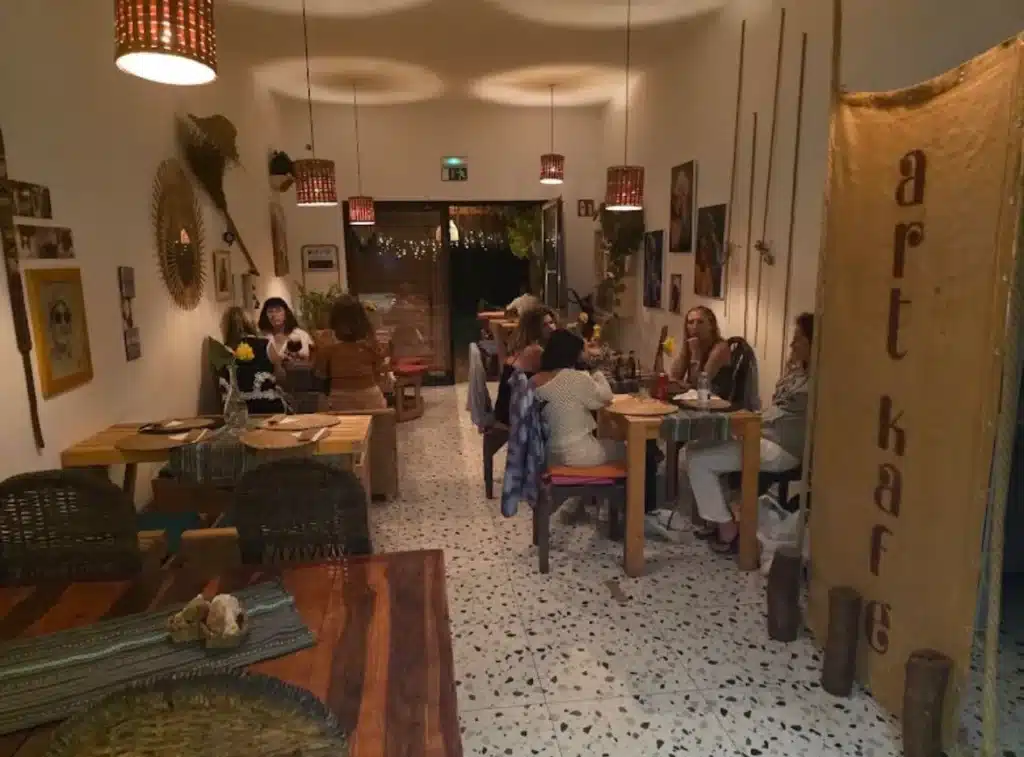
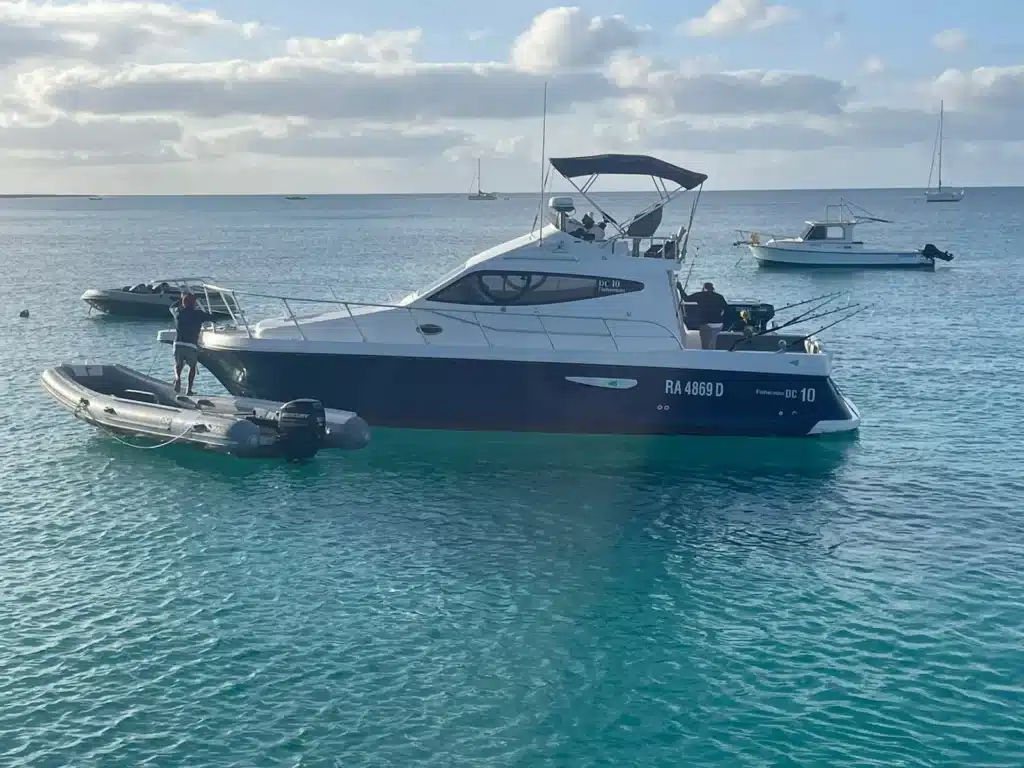
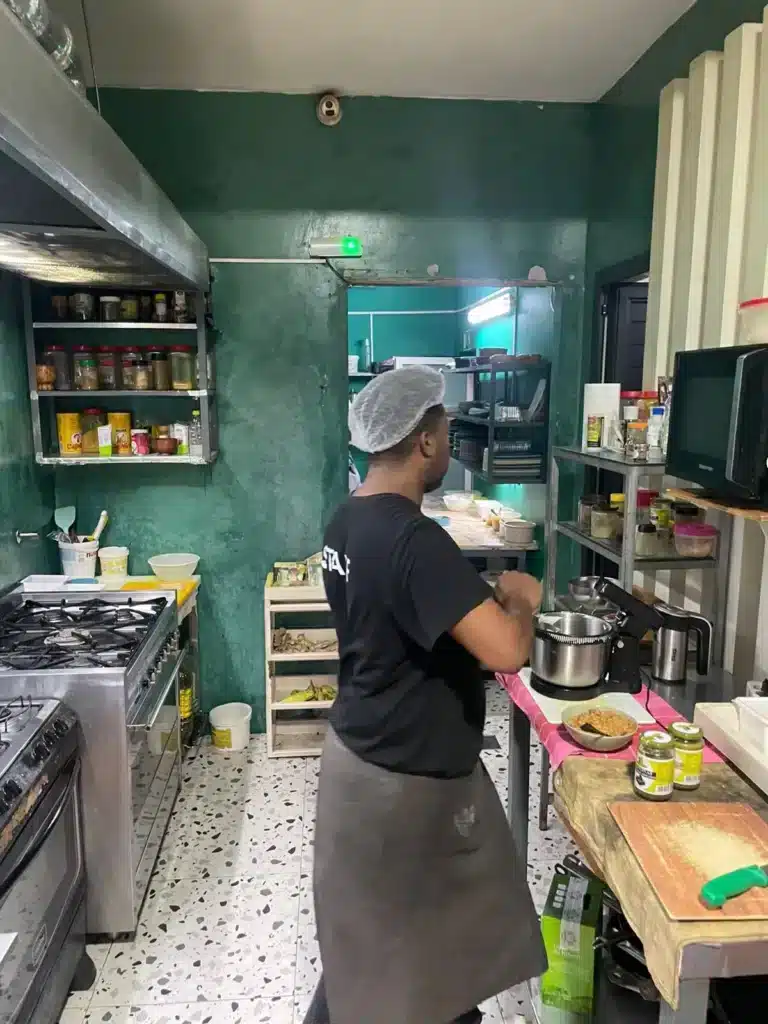
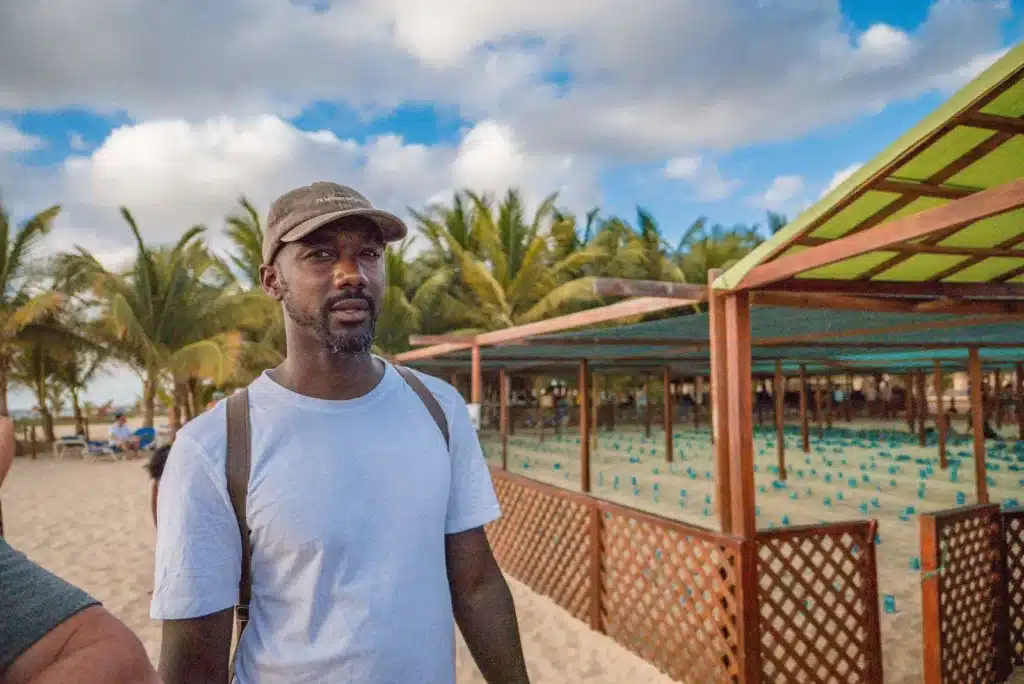
This article was written by Zandri Troskie-Naudé using verified information from relevant national authorities and regional production professionals, the filming environment reflects local regulatory oversight, location authority coordination, and established on-the-ground production capability. With experienced film fixers, comprehensive film production services, and dependable production support, productions operate within a framework built for structured, efficient execution.
Film Authorities & Key Regulatory Bodies
Filming in the Maldives is coordinated through a combination of national government authorities and island-level stakeholders. Because production often spans private resort islands, inhabited islands, and marine environments, understanding which authority governs which space is essential.
Maldives Marketing & Public Relations Corporation (MMPRC) / Visit Maldives
The primary body promoting the Maldives internationally and often the first point of contact for international productions in the Maldives. MMPRC facilitates coordination for commercial filming in the Maldives and works alongside relevant ministries where approvals are required.
Official site: https://visitmaldives.com/
Ministry of Tourism and Environment
Engages in matters relating to resort islands, tourism zones, and environmental oversight. Resort filming permissions and certain island filming locations Maldives may require ministry-level awareness depending on scope.
Official site: https://tourism.gov.mv/
Maldives Civil Aviation Authority (MCAA)
Regulates aviation matters, including drone filming in the Maldives. Prior approval is required for commercial drone operations, particularly near airports, populated islands, and controlled airspace.
Official site: https://www.caa.gov.mv/
Environmental Protection Agency (EPA) Maldives
Relevant for underwater filming Maldives projects, marine shoots, reef-sensitive environments, and protected zones. Environmental compliance is especially important for underwater and coastal production activity.
Official site: https://epa.gov.mv/
Island Councils & Resort Management
Because many island filming locations Maldives are privately operated resorts or locally governed islands, final filming clearance often involves direct coordination with resort ownership or local island councils.
Early engagement with the appropriate authority ensures that filming in the Maldives remains structured, compliant, and aligned with environmental and tourism regulations.