















FILM FIXER HAITI — HOODLUM PRODUCTION SERVICES
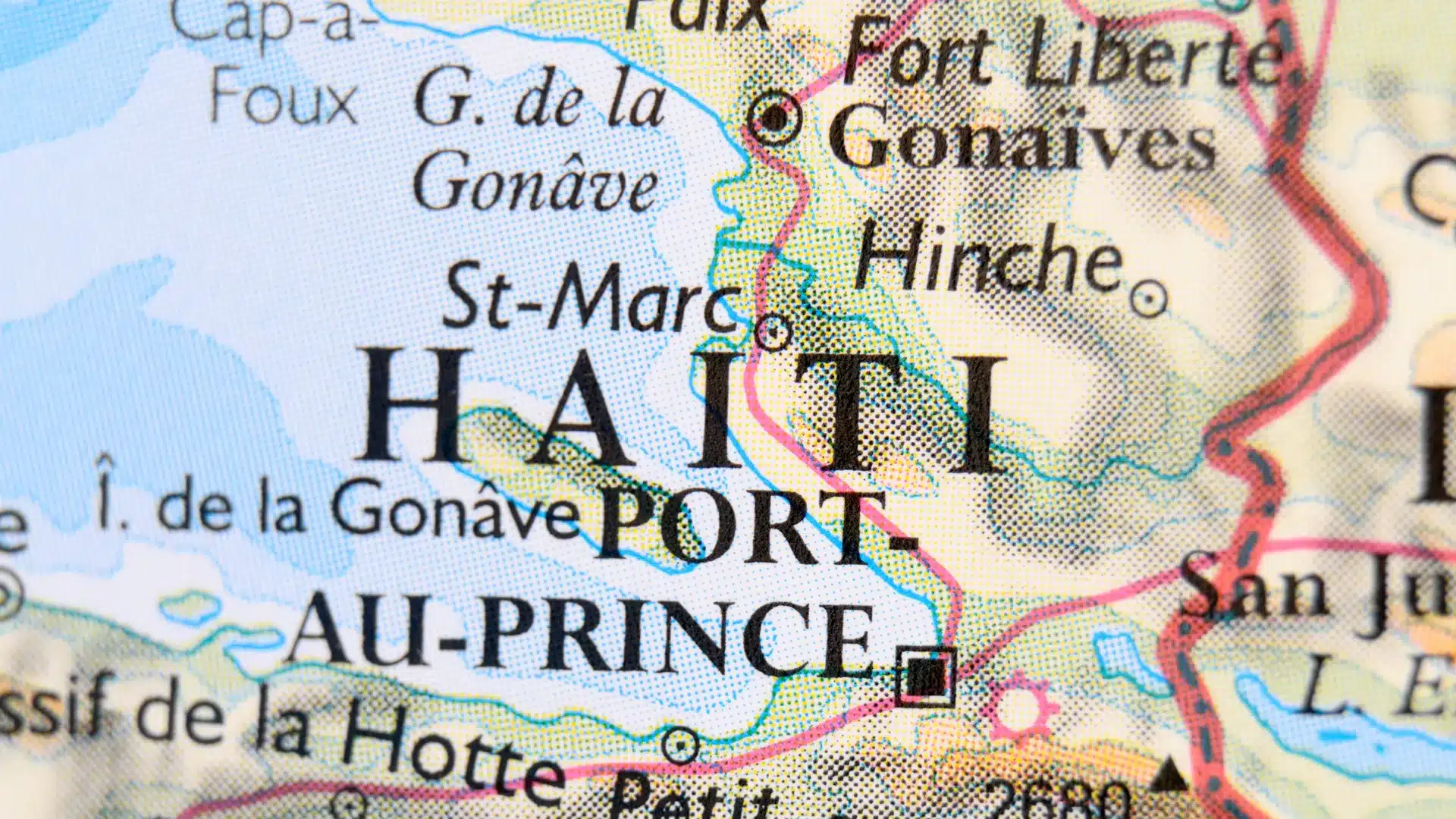
Hoodlum is the expert film fixer Haiti international productions depend on for location scouting, permit management, security planning, logistics coordination, local crew connections and end-to-end production support across one of the most visually powerful and culturally extraordinary filming territories in the Western Hemisphere. Haiti is the first independent Black nation in the world, a country of UNESCO World Heritage fortresses, mountain ranges, colonial coastal towns, vibrant Vodou cultural traditions and some of the Caribbean’s most compelling human stories — and a production environment that rewards preparation, local knowledge and field-tested experience above everything else.
Hoodlum facilitates international productions of every scale across Port-au-Prince, Cap-Haïtien, Jacmel, Les Cayes, the Southern Peninsula and Haiti’s interior, managing every layer of local complexity so your crew can focus entirely on the work.
WHY FILM IN HAITI
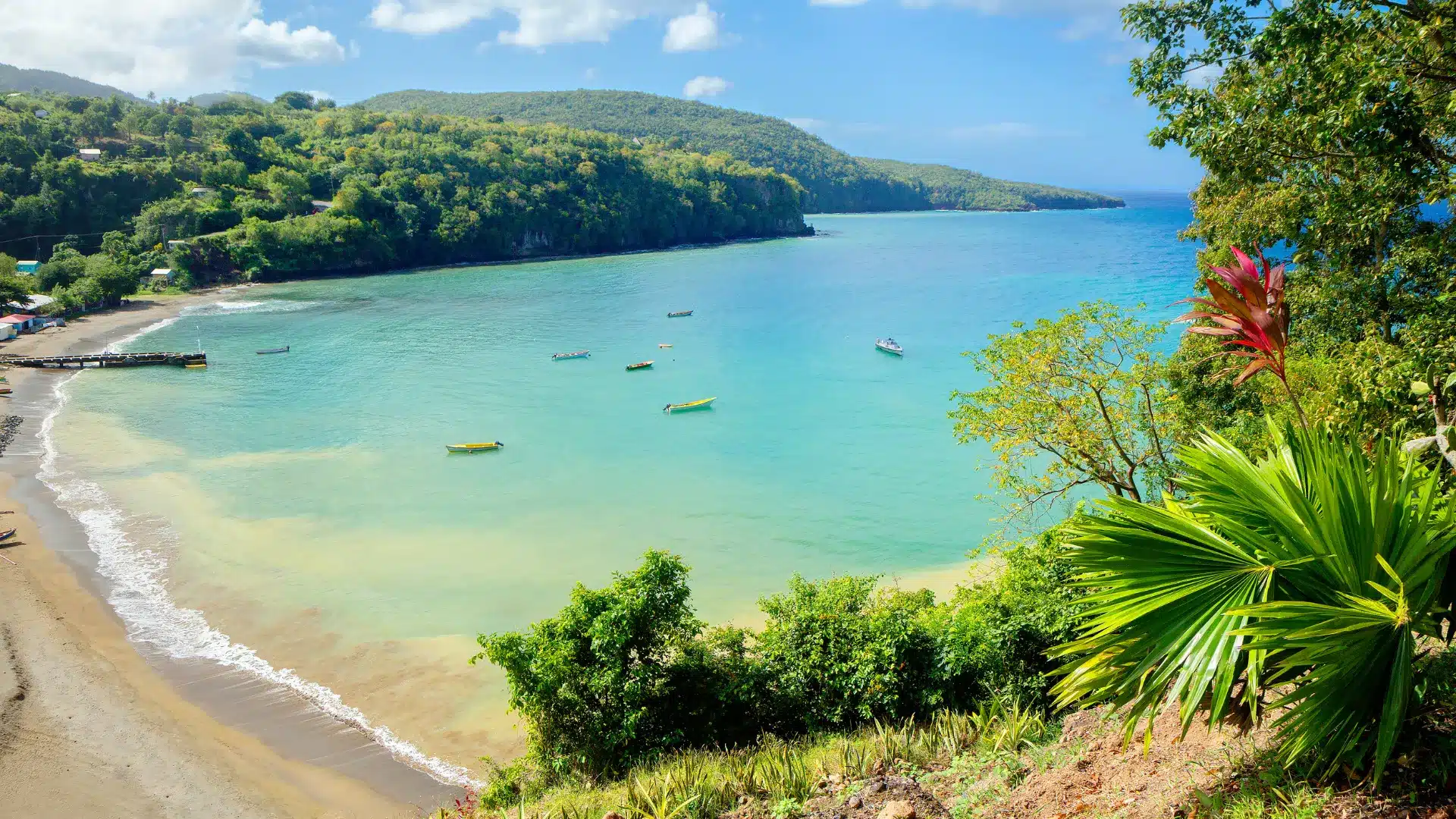
Haiti offers a production environment unlike anywhere else in the Caribbean. Its visual range spans breathtaking mountain landscapes, pristine coastal settings, colourful colonial architecture, working agricultural valleys and the raw urban energy of Port-au-Prince — all within a single territory that carries one of the most extraordinary cultural and historical narratives in the world.
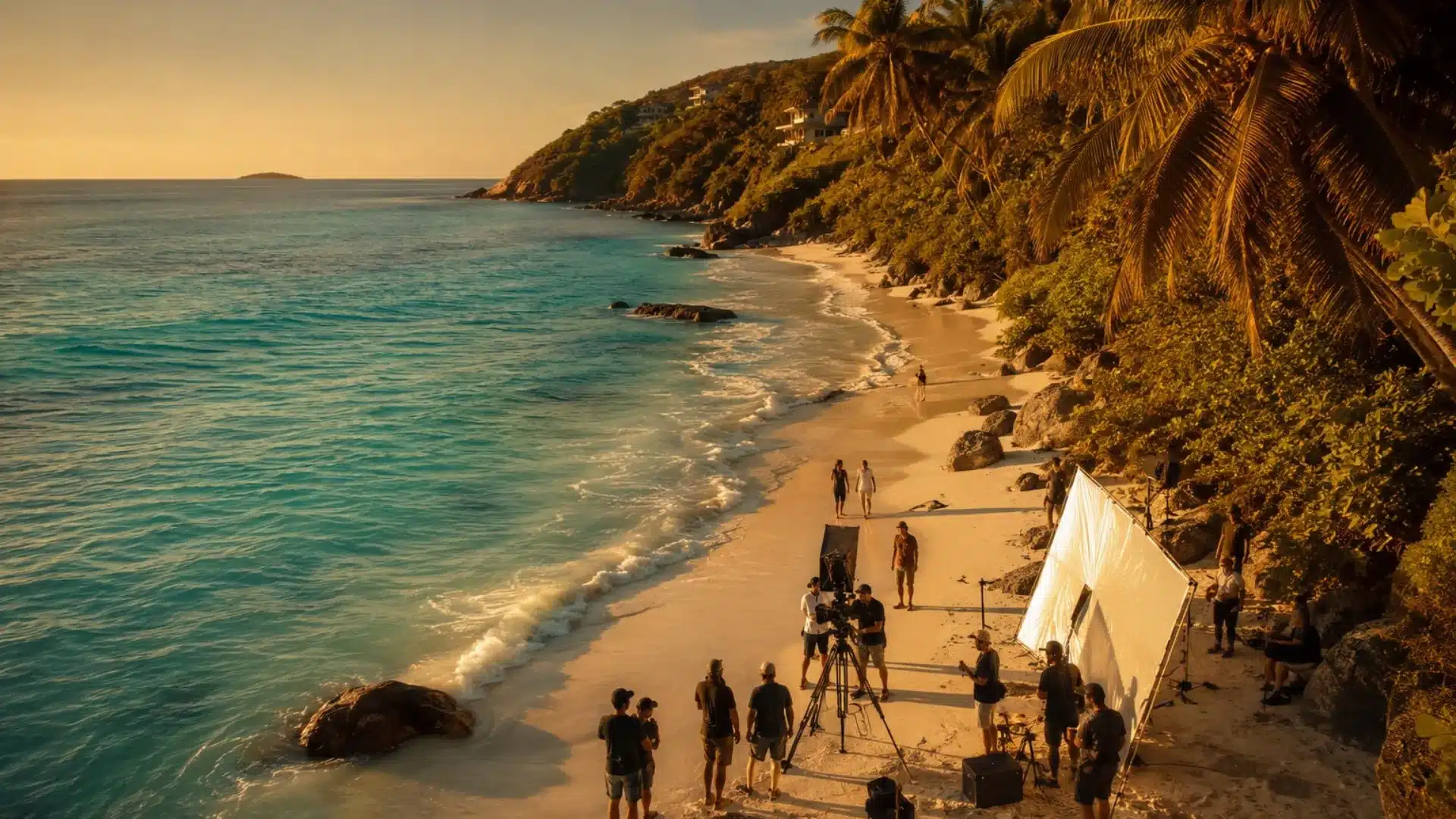
Strong production use cases include investigative documentary, social impact film, news and current affairs, conservation and environmental content, travel and cultural programming, historical drama, factual entertainment, reality television, branded content and still photography. Haiti’s unique cultural heritage — including its music, visual art, Carnival traditions and Vodou ceremonial culture — provides a depth of authentic storytelling material that productions travelling to more conventional Caribbean destinations simply cannot access.
The Haitian people bring warmth, hospitality and a resilience that visiting productions consistently cite as one of the most powerful elements of working in the country. That human texture, combined with Haiti’s visual and cultural range, makes it one of the most distinctive and rewarding production destinations in the region for crews prepared to work thoughtfully and with strong local support.
PRODUCTIONS WE HAVE SUPPORTED IN HAITI
Hoodlum has supported international productions across Haiti, providing on-the-ground film fixer services from early research through to execution.
Ross Kemp: Extreme World — Location Management Hoodlum provided location management support on Ross Kemp: Extreme World, coordinating access, security planning and logistics across Haiti for one of international television’s most demanding documentary formats.
Conan — Logistics Hoodlum managed logistics coordination for Conan’s Haiti production, supporting the movement of a major American late-night television production through the country’s complex operational environment.
Finding the Way Home — Production Coordinator Hoodlum served as production coordinator on Finding the Way Home, overseeing logistics, local crew coordination, location management and on-the-ground execution across the production.
BEST TIME OF YEAR TO FILM IN HAITI
Haiti’s tropical climate offers filming opportunities year-round, but productions should plan carefully around the weather calendar. The dry season runs broadly from November to March, offering the most reliable conditions for exterior work, beach sequences, mountain location days and multi-location movement.
Hurricane season runs from June to November, with peak risk between August and October. Productions scheduling exterior-heavy schedules, coastal sequences, mountain location work or logistically complex multi-day shoots should target the dry season and build robust contingency into any schedule falling within the June to November window.
Beyond weather, productions should plan their schedule around Haiti’s vibrant cultural calendar. The Jacmel Carnival, held annually in February, is one of the Caribbean’s most visually distinctive cultural events — famous for its papier-mâché mask tradition and street processions — and represents a significant documentary and editorial filming opportunity. Port-au-Prince Carnival follows shortly after, offering a different urban scale and energy. Productions interested in cultural content should plan their timing around these events well in advance, as access and logistics require early coordination.
Climate: Tropical, with a dry season broadly running November to March and a wet season from April to October, with peak hurricane risk from August to October. The dry season is the most reliable window for exterior filming, mountain location work, coastal sequences and multi-location movement. Productions working in the wet season should build significant contingency into the schedule — heavy rainfall can make mountain roads impassable, affect coastal access and restrict movement across regions. The Jacmel Carnival (February) and Port-au-Prince Carnival (February/March) are significant filming opportunities for cultural content and should be planned around well in advance.
VISA AND ENTRY REQUIREMENTS FOR FILM CREWS
Film crews travelling to Haiti typically require a Film Permit or Authorization de Tournage in addition to standard entry documentation. Visa requirements vary by nationality — many nationalities can enter Haiti without a visa for short stays, while others require advance application.
Typical entry documentation includes a valid passport with at least six months remaining validity, a completed visa application form where required, one passport-sized photograph and a passport copy, proof of onward travel, travel insurance documents, relevant media or production accreditation, and a yellow fever vaccination certificate for crew travelling from or through affected areas.
Processing time for visa applications runs 3 to 5 business days. Costs range from $150 to $500 depending on nationality and visa type. Productions should begin entry documentation well in advance of travel, particularly for large international crew lists where invitation letters, accreditation and production support documents must be prepared and matched consistently.
For current visa requirements and application procedures, visit the Haiti Embassy official visa portal.
Hoodlum helps crews prepare supporting documentation so immigration planning, entry requirements and production paperwork stay aligned from the outset.
INTERNATIONAL CREW ACCREDITATION AND WORK PERMISSIONS
International crews filming in Haiti must obtain crew accreditation in addition to general filming permission. Standard processing runs 10 to 20 business days at a cost of $150 to $300, and productions should begin this process as early as possible — particularly for large crews where individual accreditation applications must be coordinated alongside the main filming permit submission.
General accreditation requirements include a valid passport with at least six months remaining validity, relevant visas, travel insurance, yellow fever vaccination certificate where applicable and proof of professional affiliation such as union membership or company identification.
Required documentation includes a full crew list with passports, roles and contact information, media or production accreditation, a serialised equipment list with declared values, location permits and agreements, script and storyboard, and production schedule.
Documentation consistency matters enormously in Haiti. The crew list used for accreditation must match the crew list submitted for the filming permit, which must match the equipment list prepared for customs. Mismatches between documents are among the most common causes of delays and refusals. As the film fixer Haiti productions depend on for permit coordination, Hoodlum keeps those documents aligned across every approval stream from the outset.
FILM FIXER HAITI — PERMITS AND PRODUCTION APPROVAL
General filming permits in Haiti are issued by the Haitian Ministry of Communication and Culture (MCC) and the Ministry of Interior (MICT). Processing runs 5 to 10 business days at a cost of $1,500 to $3,000. Productions should treat this timeline as a minimum and allow additional buffer for complex shoots involving multiple locations, sensitive environments or significant crew and equipment volumes.
Required permit documentation includes a completed film permit application form, relevant media or production accreditation, script and storyboard, location list and shooting schedule, crew list with passports and roles, serialised equipment list, proof of liability insurance and proof of permit fee payment.
A clear permit application explains what is being filmed, where, how many people are involved, what equipment will be used and whether public spaces, government sites, cultural heritage areas or sensitive community environments may be affected. Hoodlum translates the creative brief into the practical production information that Haitian authorities need to review and approve efficiently, managing the full submission and follow-up process on behalf of the production.
PRIVATE LOCATIONS AND CULTURAL SITES
Private-property filming requires direct owner or manager agreements, negotiated case by case depending on the location, shoot activity and production footprint. Location fees are negotiated by the local fixer and vary significantly depending on the site, duration, crew size and equipment involved.
Haiti’s most distinctive private and cultural filming environments — colonial plantation estates, Vodou ceremonial spaces, working market environments, coastal fishing communities and heritage architecture — each require a different approach to access negotiation. Some require community relationships built over years. Others require formal cultural or religious protocols to be observed before filming can begin. As the film fixer Haiti location owners and community leaders already work with, Hoodlum manages location access with the cultural sensitivity and practical experience those environments demand.
PRODUCTION TIMELINE — WHAT TO PLAN FOR
Production schedules depend on hard numbers. Here is what international crews should build into their timelines when planning a shoot in Haiti. All approval streams should run in parallel — each process is independent, and waiting for one before starting another adds weeks to pre-production.
General filming permission through the Ministry of Communication and Culture and Ministry of Interior takes 5 to 10 business days from submission of a complete application. Allow additional time for complex or sensitive productions.
International crew accreditation runs 10 to 20 business days and should be submitted at the same time as the main filming permit — not after. For large crews, begin accreditation preparation as soon as the production is confirmed.
Drone authorisation through the Haitian Civil Aviation Authority (OFNAC) and Ministry of Interior takes 6 to 23 business days at a cost of $600 to $1,200. The wide processing window reflects the variable complexity of drone applications depending on location, proximity to sensitive sites and the detail of the submitted flight plan. Submit drone applications in parallel with all other approvals — not as a final step.
Equipment customs clearance through the Haitian Customs Authority (ADH) via Toussaint Louverture International Airport runs 3 to 7 business days at a cost of $200 to $1,000. Haiti is an ATA Carnet country — crews must obtain the carnet before departure and present it alongside a valid passport and completed Customs Declaration Form on arrival. A full serialised equipment list with declared values is required.
Visa processing for nationalities that require advance application runs 3 to 5 business days. Crew accreditation runs 10 to 20 business days. Productions with large international crew lists should begin immigration and accreditation coordination six to eight weeks before the production start date.
As a working rule, shoots involving multiple locations, drone work, cultural or sensitive site access and an international crew requiring accreditation should allow a minimum of 8 weeks pre-production lead time. Hoodlum runs all approval streams in parallel to compress that timeline where possible.
DRONE FILMING REQUIREMENTS IN HAITI
Commercial drone operations in Haiti require an aerial filming permit from the Haitian Ministry of Communication and Culture and coordination with the Haitian Civil Aviation Authority (OFNAC) and the Ministry of Interior (MICT). Drone importation requires a separate import permit from the Haitian Customs Authority (ADH), with drones and accessories declared at customs and applicable duties and taxes paid on arrival.
Required drone documentation includes a completed OFNAC drone permit application form, drone specifications including make, model, weight and declared value, proof of liability insurance, a passport copy for foreign applicants and business registration documents for commercial operators. A detailed flight plan with coordinates must be submitted alongside the application.
Productions should allow 6 to 23 business days for drone authorisation at a cost of $600 to $1,200. Sensitive locations, populated urban environments, coastal areas, cultural heritage sites and airport-adjacent zones require additional review time and should be flagged clearly in the application. Hoodlum aligns drone permissions with location plans, customs preparation and the wider shoot schedule as part of the film fixer Haiti service.
EQUIPMENT CUSTOMS CLEARANCE
Haiti is an ATA Carnet country. Film crews must obtain an ATA Carnet from a national Chamber of Commerce or authorised issuer before departure and present it to the Haitian Customs Authority (ADH) alongside a valid passport and completed Customs Declaration Form upon arrival through Toussaint Louverture International Airport.
The standard ATA Carnet process requires listing and valuing all equipment on the carnet, paying a security deposit typically equal to 40 to 50% of the total equipment value, presenting the carnet to customs on arrival for stamping, using equipment only for the authorised production purposes, and re-exporting all equipment within the carnet’s validity period — typically 12 months — with a customs stamp obtained on departure.
Required customs documentation includes a passport, commercial invoice, bill of lading, certificate of origin, packing list and completed Customs Declaration Form. Processing runs 3 to 7 business days at a cost of $200 to $1,000.
A clean, consistent equipment list is the foundation of smooth customs clearance in Haiti. Cameras, lenses, drones, batteries, lighting, grip, audio gear and specialist items must all be itemised with serial numbers and declared values before travel. Hoodlum helps productions prepare customs documentation so gear movement supports the shoot schedule rather than delaying it.
KEY FILMING LOCATIONS — HAITI
Haiti’s production environments span a range unlike anywhere else in the Caribbean, from UNESCO heritage sites to working urban communities to pristine coastal settings.
Citadelle Laferrière and Sans-Souci Palace, Cap-Haïtien represent Haiti’s most extraordinary historical filming locations — a UNESCO World Heritage Site comprising a mountaintop fortress and royal palace built in the early 19th century following Haiti’s independence. Among the most dramatic architectural locations in the entire Caribbean. Government and heritage authority permits required.
Port-au-Prince offers the raw urban energy, market culture, street life and community density that documentary, news, social impact and investigative productions frequently need. The capital’s visual complexity and human texture are unmatched in the region. Security planning, community liaison and local guide coordination are essential for all Port-au-Prince production days.
Jacmel is Haiti’s most film-friendly city — a Southern coastal town known for its French colonial architecture, thriving arts community, annual Carnival and papier-mâché tradition. One of the most visually coherent urban filming environments in Haiti and a strong base for travel, cultural, editorial and branded content.
Grand Anse and Southern Peninsula beaches offer pristine Caribbean coastal environments for travel, lifestyle and commercial content, accessible from Jacmel and Les Cayes.
Artibonite Valley provides agricultural landscape, river plain and rural community environments for food, environmental and social documentary content — authentic Haitian rural life at a scale unavailable elsewhere in the Caribbean.
Massif du Nord and Massif de la Hotte offer elevated mountain interior landscapes, cloud forest environments and remote community access for adventure, environmental and conservation productions requiring terrain beyond the standard Caribbean coastal setting.
UNESCO World Heritage Sites — Citadelle Laferrière, Sans-Souci and the Ramiers The Citadelle Laferrière and Sans-Souci Palace in the north of Haiti, near Cap-Haïtien, are among the most dramatic and historically significant filming locations in the entire Caribbean. Both are UNESCO World Heritage Sites managed by ISPAN (Institut de Sauvegarde du Patrimoine National).
Filming at these sites requires a specific application to ISPAN, separate from any general filming permit. The application should include a full production brief, location plan, crew list, equipment list and intended use of the footage. ISPAN has historically been cooperative with documentary and cultural productions — the key is early contact, a clear and respectful project brief and local facilitation through an established fixer.
Access to the Citadelle involves a 1.5–2 hour journey from Cap-Haïtien including road travel and a mountain ascent on foot or horseback — factor this into call times, equipment transport planning and crew physical preparation. All equipment must be carried up the mountain; there is no vehicle access to the fortress itself.
FILM REBATES AND TAX INCENTIVES
Haiti offers a film rebate programme including provisions for reality television productions, administered through the Haitian Film Commission (HFC) and the Ministry of Communication and Culture. Productions interested in the rebate should contact the relevant authorities directly at the earliest stage of pre-production to confirm current eligibility criteria, qualifying expenditures and application requirements before committing budget on the basis of the incentive.
Written confirmation of eligibility should be obtained before qualifying spend begins. Hoodlum helps productions navigate the incentive process alongside permits, logistics and on-the-ground coordination so the financial and operational plans are built together from the start.
For current information on Haiti’s film incentive programme, contact the Ministry of Communication and Culture directly.
SAFETY AND SECURITY FOR PRODUCTIONS
Haiti requires honest, production-specific safety planning. Security conditions vary significantly by location, time of year and the nature of the production activity — a documentary crew working in Jacmel operates in a different environment from a news team in central Port-au-Prince, and both require different approaches to security, community liaison and operational planning.
Key safety considerations include pre-production security assessment for all planned locations, experienced local security personnel for productions with significant equipment value or sensitive location work, trusted community liaisons for shoots in residential or culturally sensitive areas, medical access planning for remote interior and mountain locations, secure equipment storage at all base locations, weather and hurricane season contingency for exterior-heavy schedules, and insurance aligned with the full range of production activity including drone work, marine sequences and remote location coverage.
Hoodlum works with fixers and coordinators who have operated in Haiti under crisis conditions, natural disaster schedules and fast-turnaround international news assignments. That experience informs how we build safety planning into every production — not as a separate layer added at the end, but as a core part of the production plan from the first conversation.
FREQUENTLY ASKED QUESTIONS — FILM FIXER HAITI
Do I need a film permit to shoot in Haiti?
Yes. Commercial filming requires an Authorization de Tournage issued by the Haitian Ministry of Communication and Culture and the Ministry of Interior. Crew accreditation is required separately. Visitor entry does not cover paid production activity — filming authorisation must be obtained before the crew arrives.
How long do filming permits take in Haiti?
General filming permits process in 5 to 10 business days. Crew accreditation takes 10 to 20 business days. Drone authorisation takes 6 to 23 business days. All streams should be submitted in parallel. Productions should allow a minimum of 8 weeks pre-production lead time for shoots involving multiple locations, drone work and an international crew requiring accreditation.
Who issues drone permits in Haiti?
Drone permits are issued by the Haitian Civil Aviation Authority (OFNAC) in coordination with the Ministry of Interior. A separate drone import permit is required from the Haitian Customs Authority (ADH). Allow 6 to 23 business days and budget $600 to $1,200 for the authorisation process.
Is Haiti an ATA Carnet country?
Yes. Haiti accepts ATA Carnets for professional filming equipment. Crews must obtain the carnet before departure and present it to the Haitian Customs Authority at Toussaint Louverture International Airport on arrival. A security deposit of 40 to 50% of equipment value is typically required.
What is the best time of year to film in Haiti?
The dry season from November to March offers the most reliable conditions for exterior and location filming. Hurricane season runs June to November with peak risk between August and October. The Jacmel Carnival in February is a significant filming opportunity for cultural and documentary productions.
How much does a film permit cost in Haiti?
General filming permits cost between $1,500 and $3,000. Crew accreditation runs $150 to $300 per crew member. Drone authorisation costs $600 to $1,200. Equipment customs clearance runs $200 to $1,000. Visa fees where applicable range from $150 to $500.
Is Haiti safe for international film productions?
Haiti requires honest, location-specific safety planning. Security conditions vary significantly by area and production type. Hoodlum builds security assessment, experienced local security personnel and community liaison into every Haiti production plan, and works with fixers who have operated in the country under demanding conditions across international news, documentary and television productions.
Does Haiti have a film rebate?
Yes. Haiti offers a film rebate programme including for reality television productions, administered through the Haitian Film Commission and the Ministry of Communication and Culture. Eligibility and qualifying expenditures should be confirmed directly with the relevant authorities before budgeting the rebate.
COMMON MISTAKES TO AVOID
Most production problems in Haiti come from underestimating the permit timeline, inconsistent documentation across approval streams, and insufficient security and logistics planning for the actual production footprint. Avoid assuming visitor entry covers paid production work, submitting accreditation after the filming permit instead of simultaneously, treating drone authorisation as a quick process, arriving without an ATA Carnet, underestimating the security planning required for Port-au-Prince location work, booking cultural or community locations without proper liaison and agreements, ignoring hurricane season contingency for exterior-heavy schedules, and assuming the film rebate is automatic without written confirmation.
LANGUAGE AND WORKING IN HAITI
Language and On-Ground Communication Haiti has two official languages — Haitian Creole and French. In practice, Haitian Creole is the everyday language of the vast majority of the population, particularly outside the educated urban middle class. French is used in formal documentation and government correspondence. English is spoken in tourism and NGO contexts but should not be assumed in communities, on locations or in government offices.
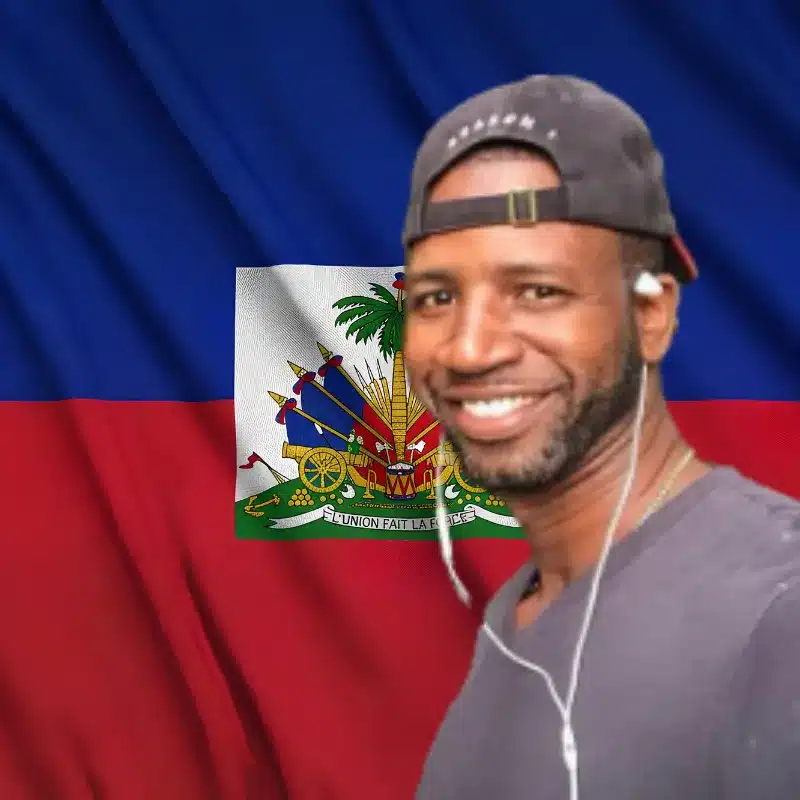
All official documentation — permit applications, location agreements, customs declarations, ministry correspondence — should be prepared in French. Community engagement and on-location communication requires Creole. Sebastian, Hoodlum’s Haiti fixer, is fluent in English, French and Haitian Creole and handles this directly. For productions attempting Haiti without a trilingual fixer, the language gap alone will create serious operational friction.
FILM FIXER HAITI — HOW HOODLUM SUPPORTS YOUR PRODUCTION
Hoodlum provides practical film fixer Haiti support for international crews from early research through on-the-ground execution. The aim is to make the shoot workable before the crew arrives and keep the moving parts aligned — safely and efficiently — throughout the production.
Support includes local fixer coordination, filming permit and accreditation support, location research and access across Port-au-Prince, Cap-Haïtien, Jacmel and Haiti’s interior, community and cultural liaison, crew and supplier coordination, entry documentation support, drone planning and authorisation, ATA Carnet and customs preparation, transport and accommodation coordination, security planning, contingency management and on-the-ground logistics throughout the production.
Film fixer Haiti support is most valuable when crews need one clear route through a complex, multi-layered approval and logistics environment — and a local partner with the field experience to keep the production moving when conditions change. Hoodlum reduces uncertainty so the production can focus on the work Haiti makes possible.