














Filming in Mongolia – A Complete Production Guide
Mongolia offers one of the most visually dramatic filming environments in Asia, with vast steppe, desert horizons, alpine lakes, mountain ranges, and a capital city that can deliver both Soviet-era texture and fast-modernising urban energy. For producers looking for scale, remoteness, and cinematic atmosphere, Mongolia is a location that can feel enormous on screen without becoming impossible to manage with the right local support. The Mongolian National Film Commission positions the country as a filming destination for film, television, documentaries, music videos, and commercials, and Mongolia’s immigration system also makes entry relatively accessible for many visitors.
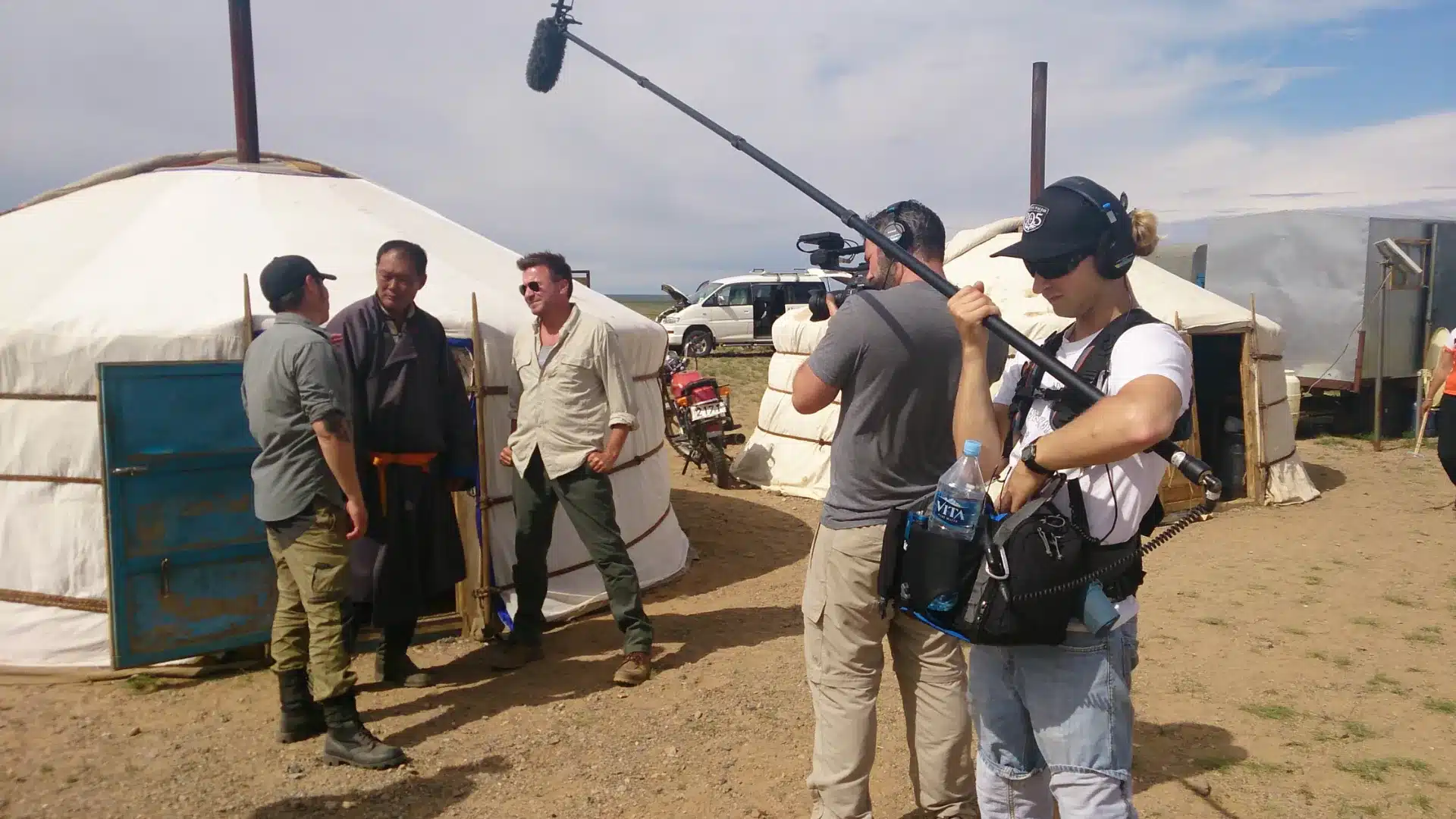
Hoodlum supports international productions with practical, end-to-end coordination, including film production services in Mongolia, production support in Mongolia, and experienced film fixers in Mongolia who understand the realities of remote logistics, weather windows, local approvals, and moving crews across a country that is both visually generous and geographically demanding.
Whether you are planning a commercial, documentary, feature, reality format, or branded campaign, Mongolia offers a rare combination of epic landscapes, low-density shooting environments, rich nomadic culture, and strong visual contrast between wilderness and city life. The Mongolian National Film Commission highlights the country’s four-season geography, diverse natural environments, and city-to-countryside range as core filming advantages.
Why Mongolia Works for International Productions
Mongolia’s biggest strength is scale. This is a country where productions can capture open desert, grassland, rock formations, mountain terrain, lakes, and nomadic camp life in a way that feels genuinely expansive. The Mongolian National Film Commission describes Mongolia as a four-season country with cities and provinces surrounded by distinctive nature and wildlife, promoting it as a place that can double for multiple visual worlds.
Exceptional Landscape Variety
Producers can access:
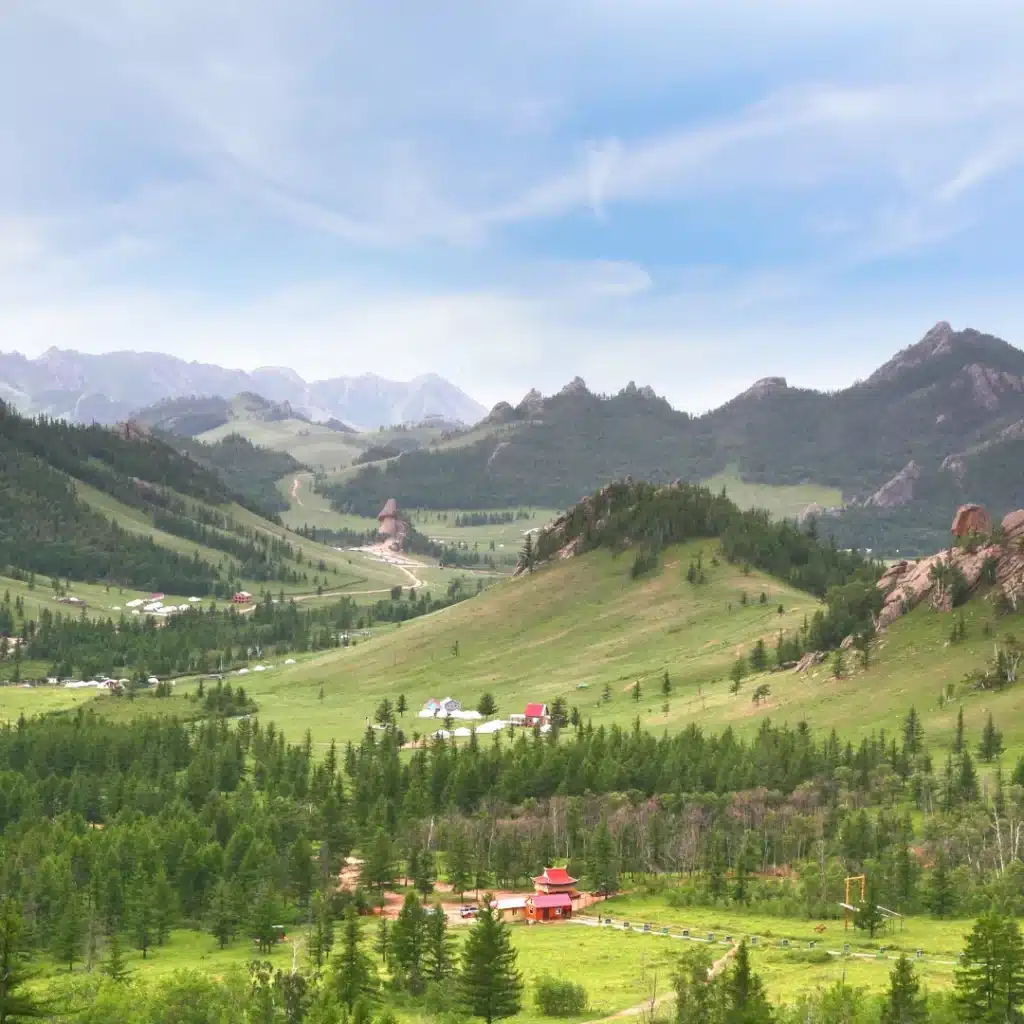
- Wide-open steppe and grassland
- Gobi desert terrain
- Rocky mountain landscapes
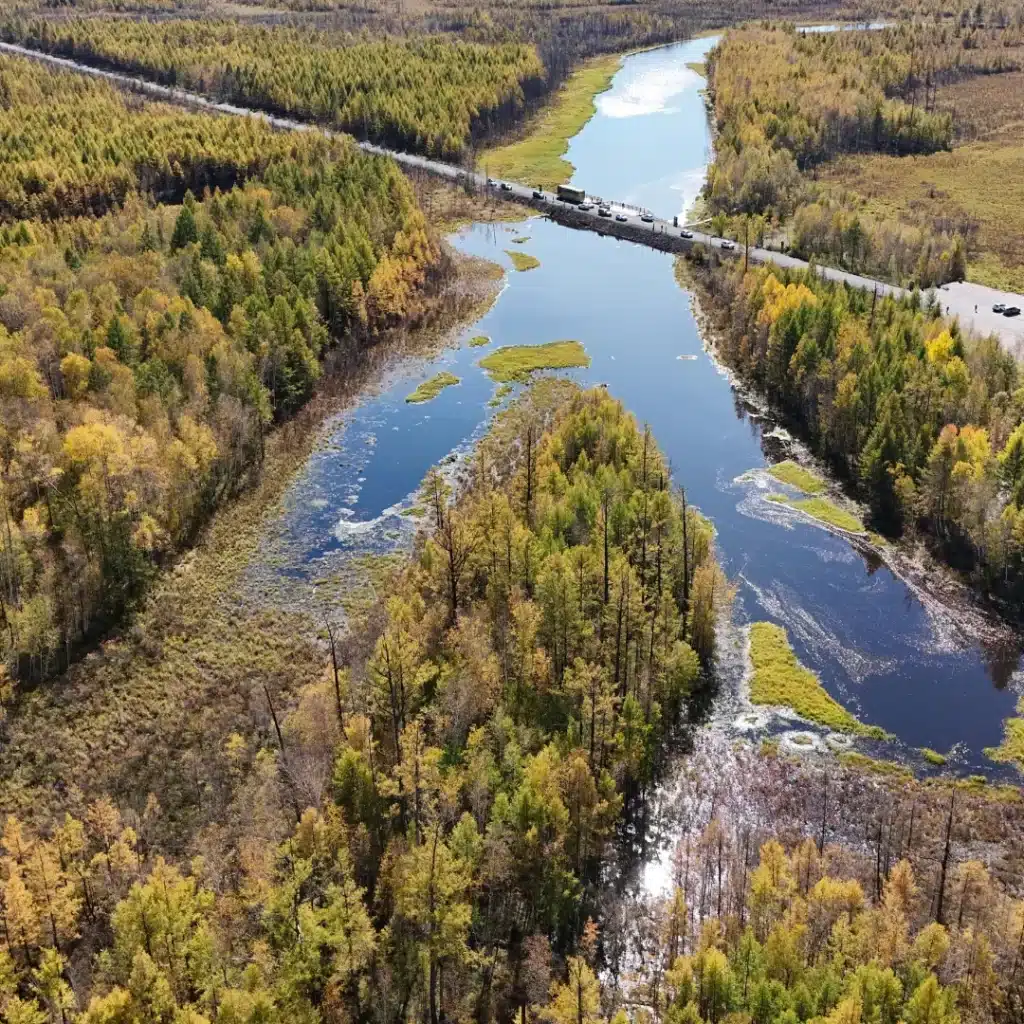
- Lakes and forest zones
- Nomadic camps and rural settlements
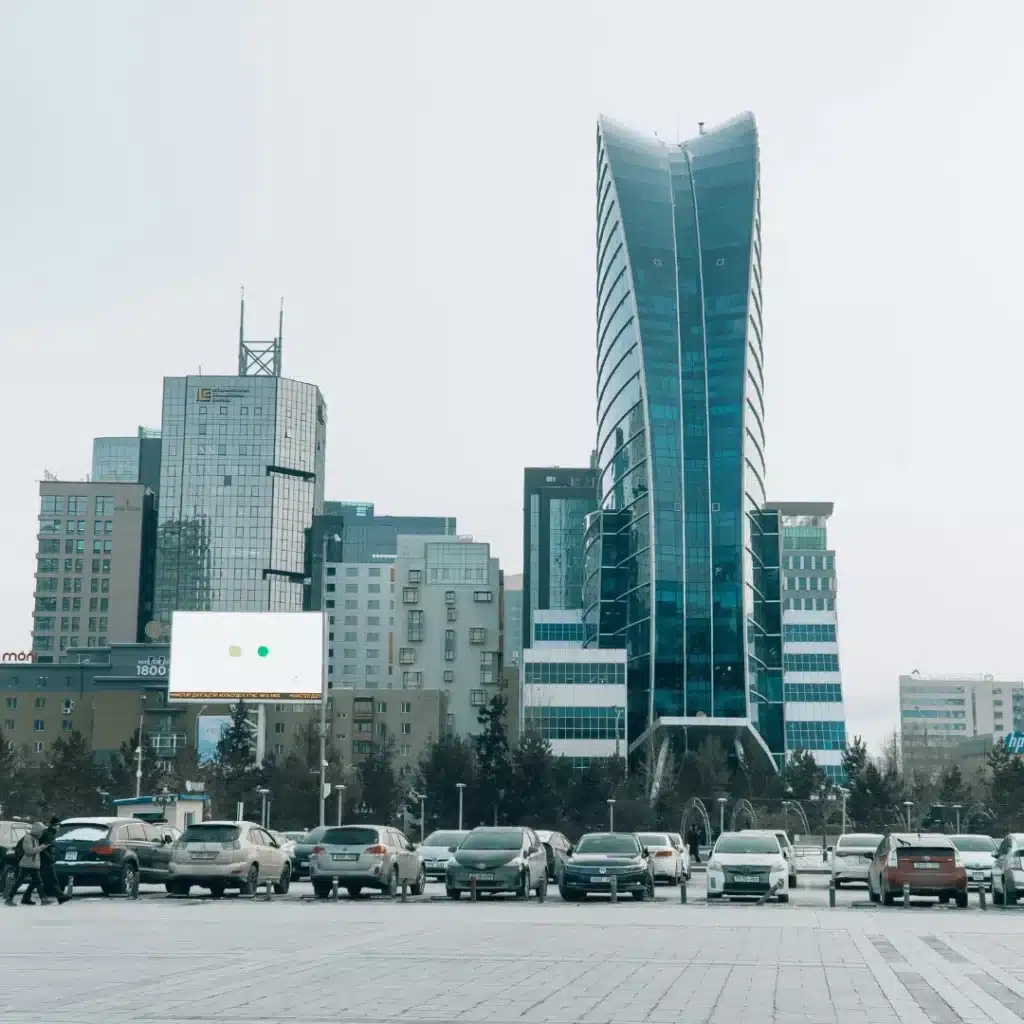
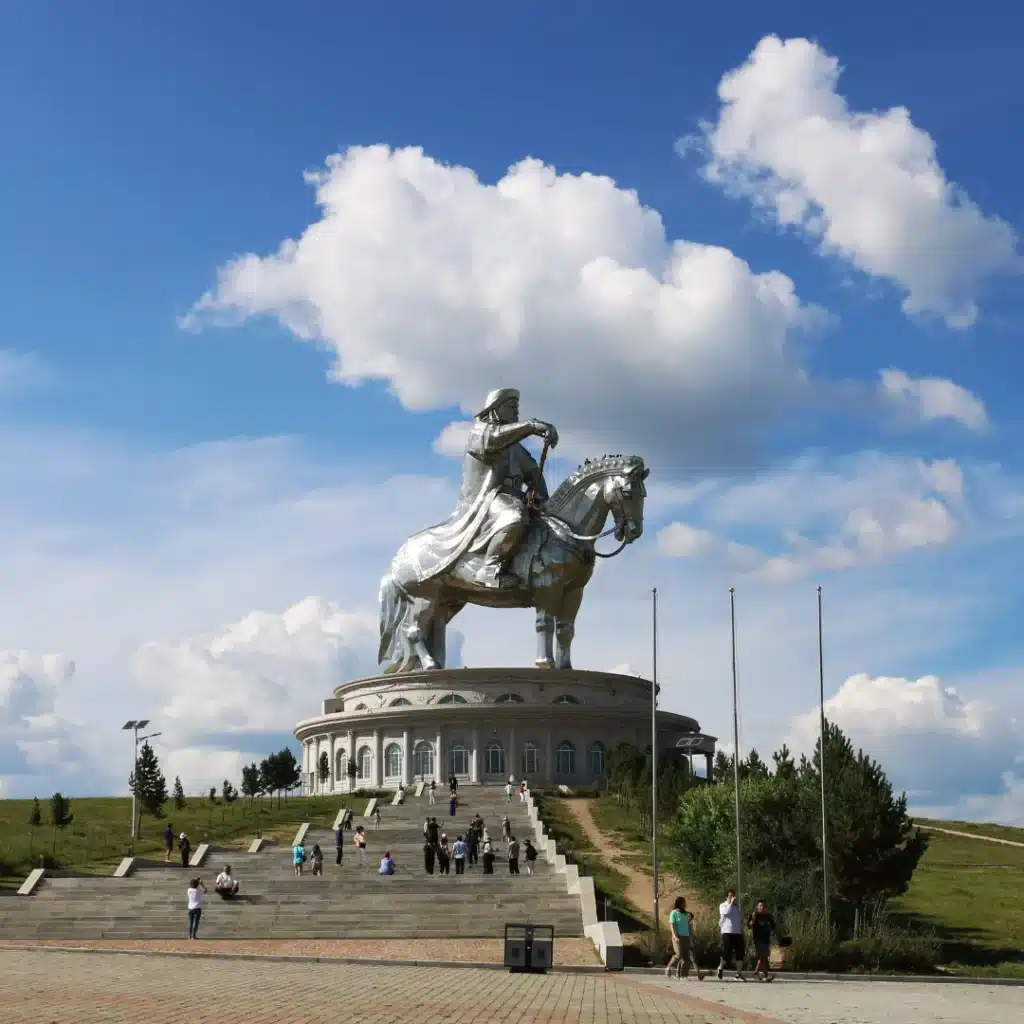
- Ulaanbaatar’s urban districts, monuments, museums, and commercial areas
That range gives directors and producers an unusually broad creative toolkit inside one national territory. It is especially useful for projects that need a sense of scale, remoteness, survival, expedition, spirituality, or historical atmosphere.
Distinctive Cultural Texture
This country is not just about empty landscapes. It also offers strong cultural identity on camera. The Mongolian National Film Commission promotes the country’s history, traditional festivals, countryside lifestyles, monasteries, museums, and horseback culture as part of its filming appeal. That makes this country especially compelling for productions needing authenticity rather than generic “beautiful scenery.”
Strong Entry Access for Many Productions
Mongolia’s immigration framework can be relatively accessible depending on nationality and purpose of travel. The Immigration Agency of this country states that citizens of certain countries can travel visa-free, while citizens from many others can apply for e-visas for tourism purposes. The same authority also makes clear that tourism status should not be used for work or activities outside the approved purpose of visit.
That distinction matters for film crews. Entry may be straightforward, but productions still need to structure travel, permits, and local coordination correctly.
Filming Requirements and Local Regulations
Mongolia is attractive to productions, but it is not a destination where crews should rely on tourist entry alone and solve the rest later. The Immigration Agency explicitly warns that foreigners traveling for tourism should not engage in activities outside the purpose of their visit, including unauthorized work.
Entry and Immigration
For many nationalities, entering this country can be relatively simple. Mongolia’s e-visa system states that applicants must carry a copy of the e-visa, entry is not guaranteed by the visa itself, and foreign nationals must be registered after arrival through the inviting person, organisation, or accommodation provider. The same system also notes that registration with the Immigration Agency is required within the stated post-arrival period.
For productions, the practical takeaway is clear:
- do not assume visa-free or tourist entry automatically covers filming work
- use a local production partner or inviting entity where needed
- align the purpose of entry with the actual production activity
- make sure registration obligations after arrival are handled correctly
Permit Overview
Mongolia’s formal film-permit ecosystem is less centrally polished online than some European destinations, which means local coordination becomes even more important. In practical terms, productions usually rely on a Mongolian production company, local fixer, or service partner to coordinate permissions, location access, and any local authority notifications. The Mongolian National Film Commission presents itself as a bridge connecting local and foreign branches of the entertainment industry, which reflects the importance of local facilitation in real-world production planning.
For most productions, approvals may need to cover:
- general filming activity
- location-specific access
- protected or culturally sensitive areas
- drone operations
- customs and temporary import paperwork
- local transport and regional coordination
Drone Regulations
Drone planning in this country should be treated as a dedicated workstream, not an add-on. The user-provided style you prefer usually handles this operationally, and Mongolia is the kind of destination where geography, aviation controls, and remote-area logistics can make drone prep more sensitive than it first appears.
Because the most accessible official search results in this session did not return a clean, current English-language operations page from Mongolia’s aviation authority, I would phrase this conservatively for a publishable draft: commercial drone activity should be cleared in advance through the relevant Mongolian aviation channels and local production support should be used to confirm current operating requirements before travel. That keeps the copy accurate without inventing rules I could not verify cleanly from an official source today.
Production Services in Mongolia
This country rewards strong production support. Distances are large, weather can shift hard, and once you move beyond Ulaanbaatar, production comfort depends heavily on planning quality.
Core Production Support
Production support in Mongolia typically focuses on:
- schedule design around distance and daylight
- fixer services and government liaison
- accommodation and transport planning
- regional crew movement
- customs coordination
- local sourcing and labour support
- location access and permits
- basecamp and remote-shoot planning
This is where experienced local fixers matter most. In this country, the gap between a beautiful location and a workable location can be measured in road conditions, weather exposure, fuel planning, and whether the crew can realistically move back before dark.
Local Crew and Equipment
Mongolia has local production experience, especially in Ulaanbaatar, and the Mongolian National Film Commission actively promotes the country to international productions. At the same time, very remote shoots may still require careful decisions about what should be sourced locally and what should be imported.
For many shoots, local support can help with:
- production assistants
- drivers and transport teams
- local fixers
- interpreters
- location scouts
- regional coordination
- practical support for rural and nomadic settings
Specialist kit and certain premium technical requirements may still need import planning, depending on the project.
Film Fixers in Mongolia
Our film fixers in this country act as the operational hinge between the international crew and the realities on the ground. In a location like this, that is not a luxury layer. It is the thing that keeps the machine from shaking itself apart.
What Fixers Handle
- permit coordination
- local authority communication
- location scouting and access
- remote logistics
- regional travel planning
- local crew and driver coordination
- cultural liaison
- contingency planning for weather and distance
When a destination is this large and this varied, local knowledge stops being “helpful” and starts being structural.
Location Hotspots
This country’s strongest asset is the range of looks it can deliver while still feeling like one coherent destination.
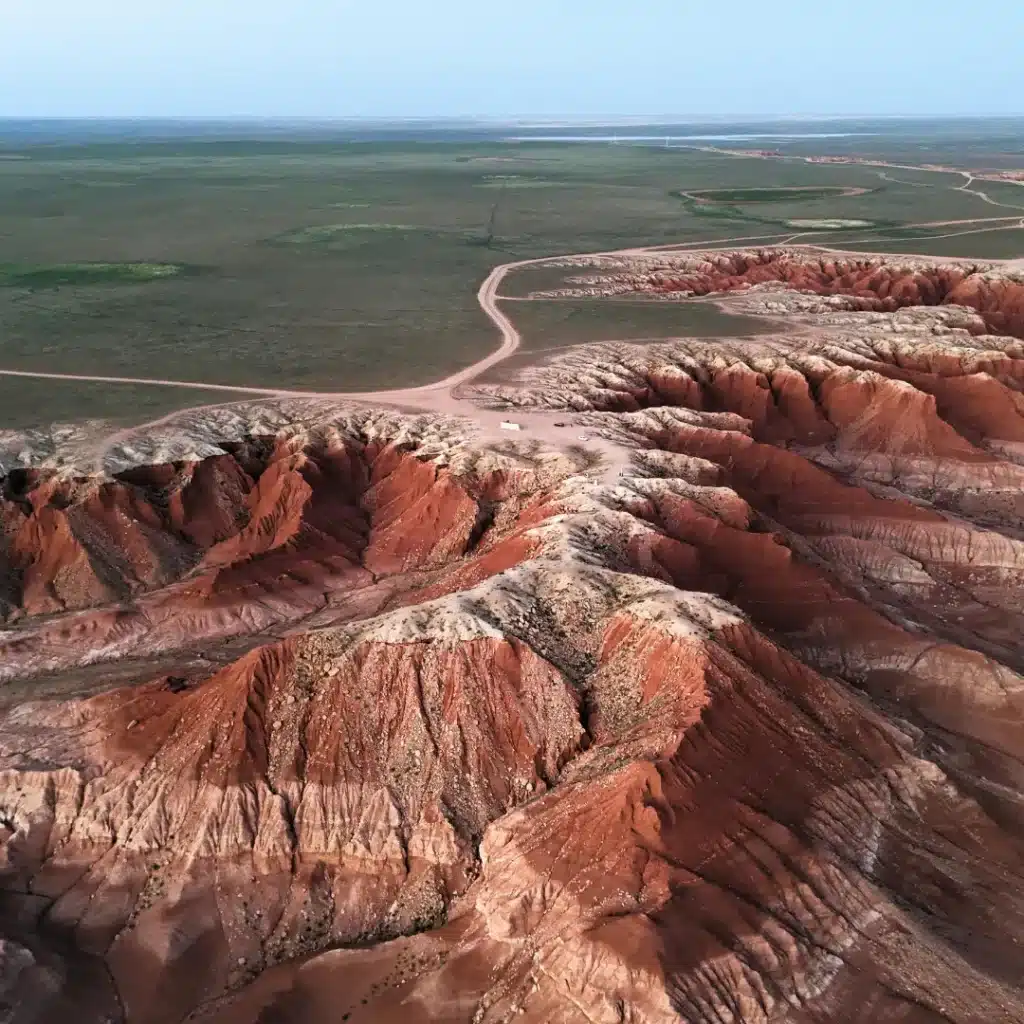
Desert and Open Terrain
The Gobi and surrounding dry landscapes are ideal for:
- automotive work
- fashion editorials
- expedition content
- survival and travel formats
- cinematic feature scenes with scale
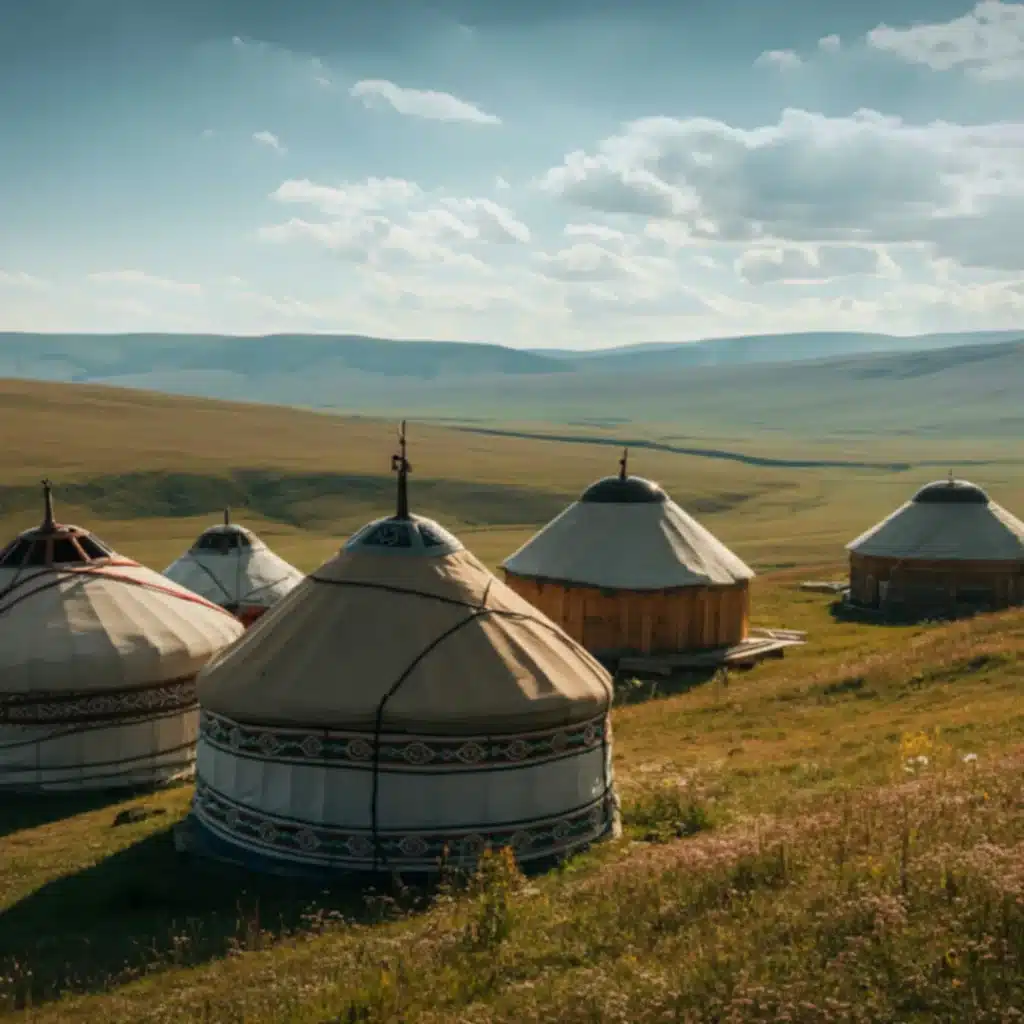
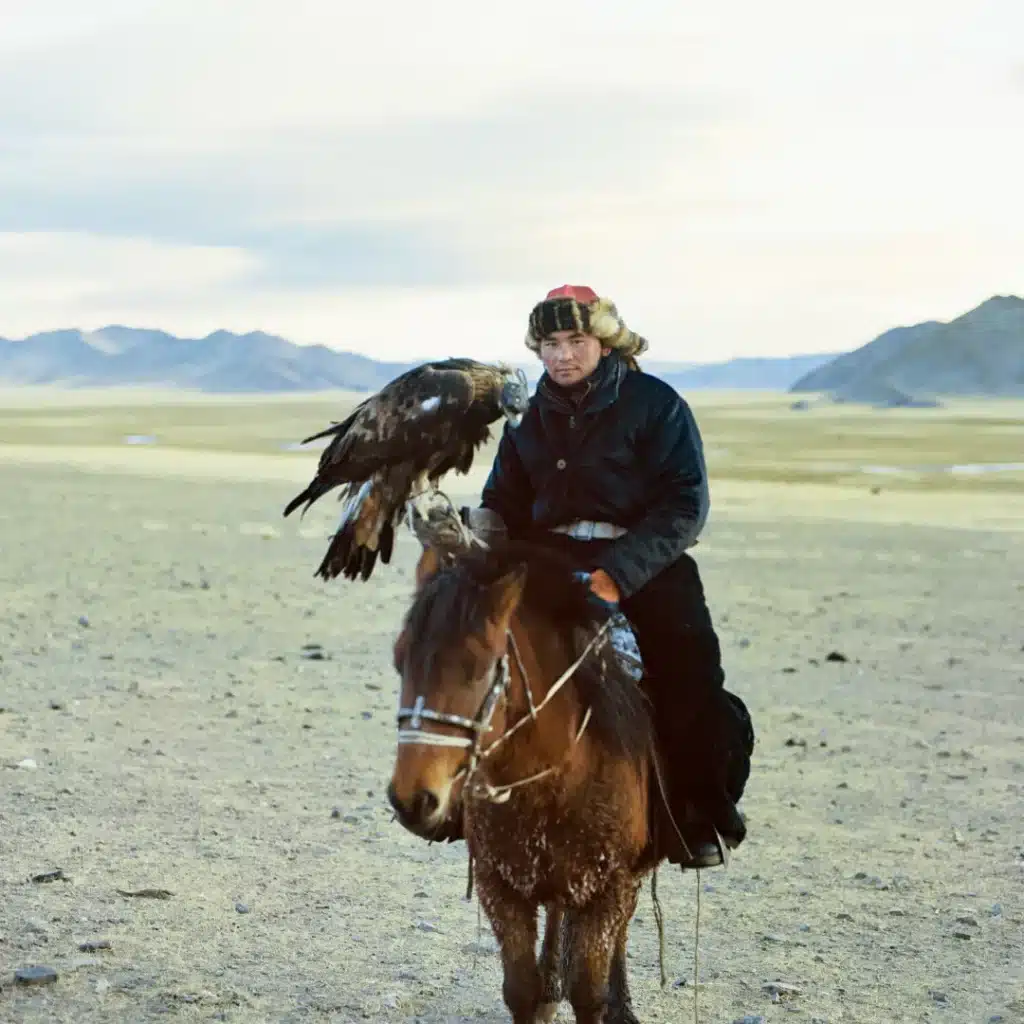
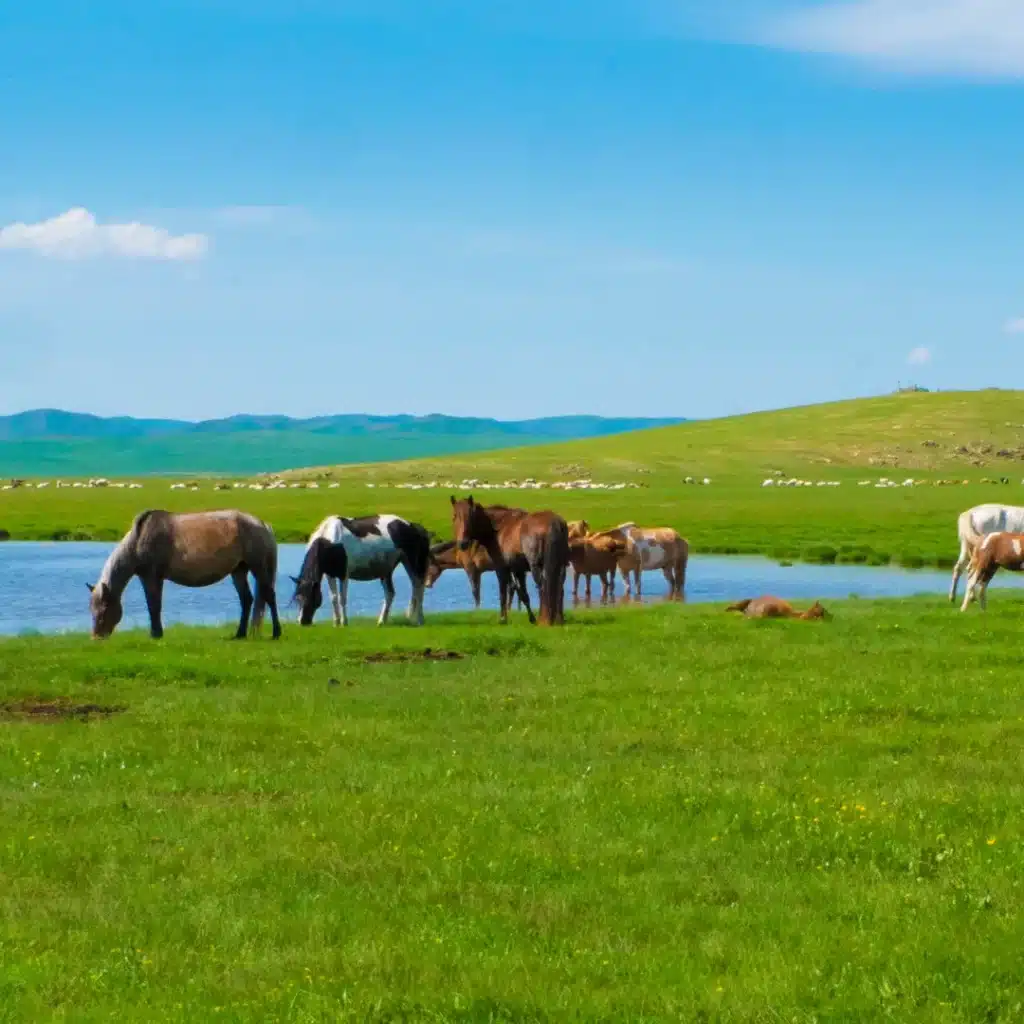
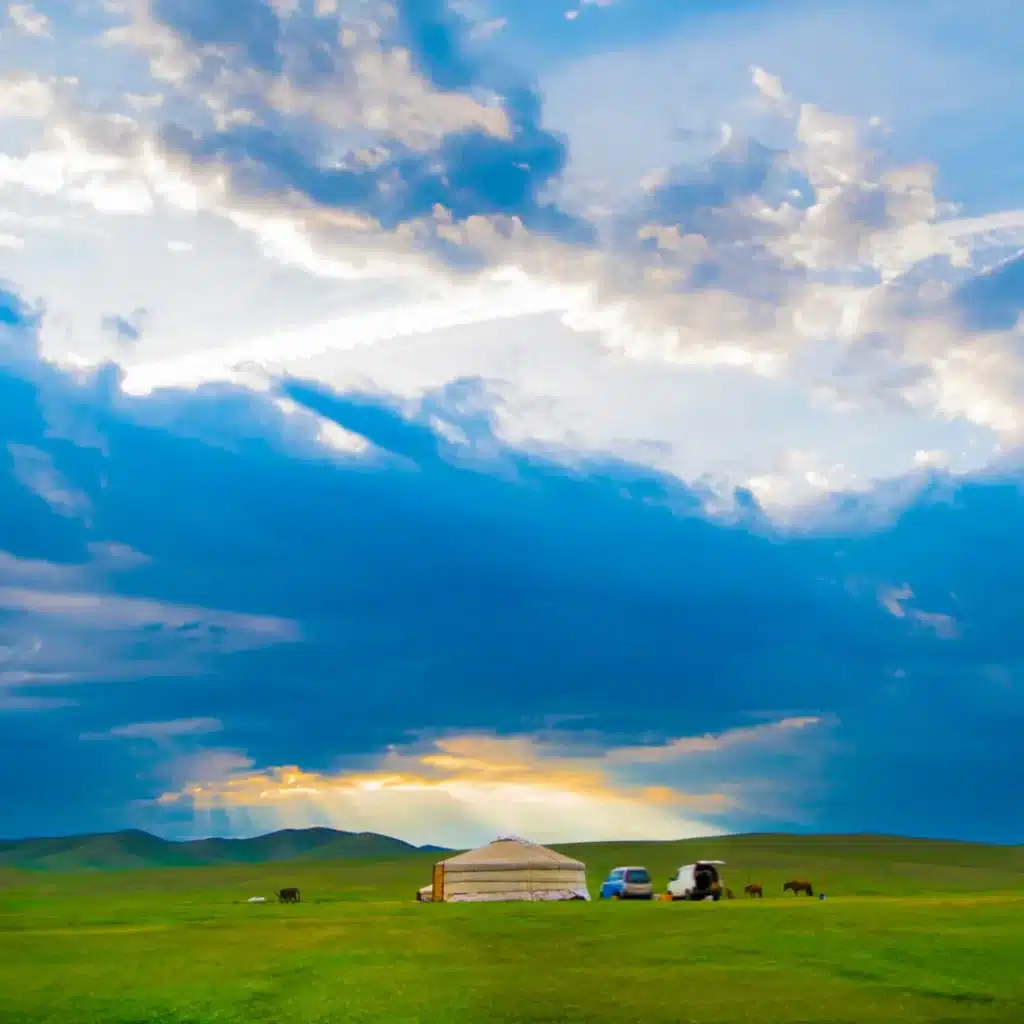
Steppe and Nomadic Landscapes
These are powerful for:
- historical texture
- pastoral visuals
- horseback sequences
- cultural documentaries
- branded content that needs openness and authenticity
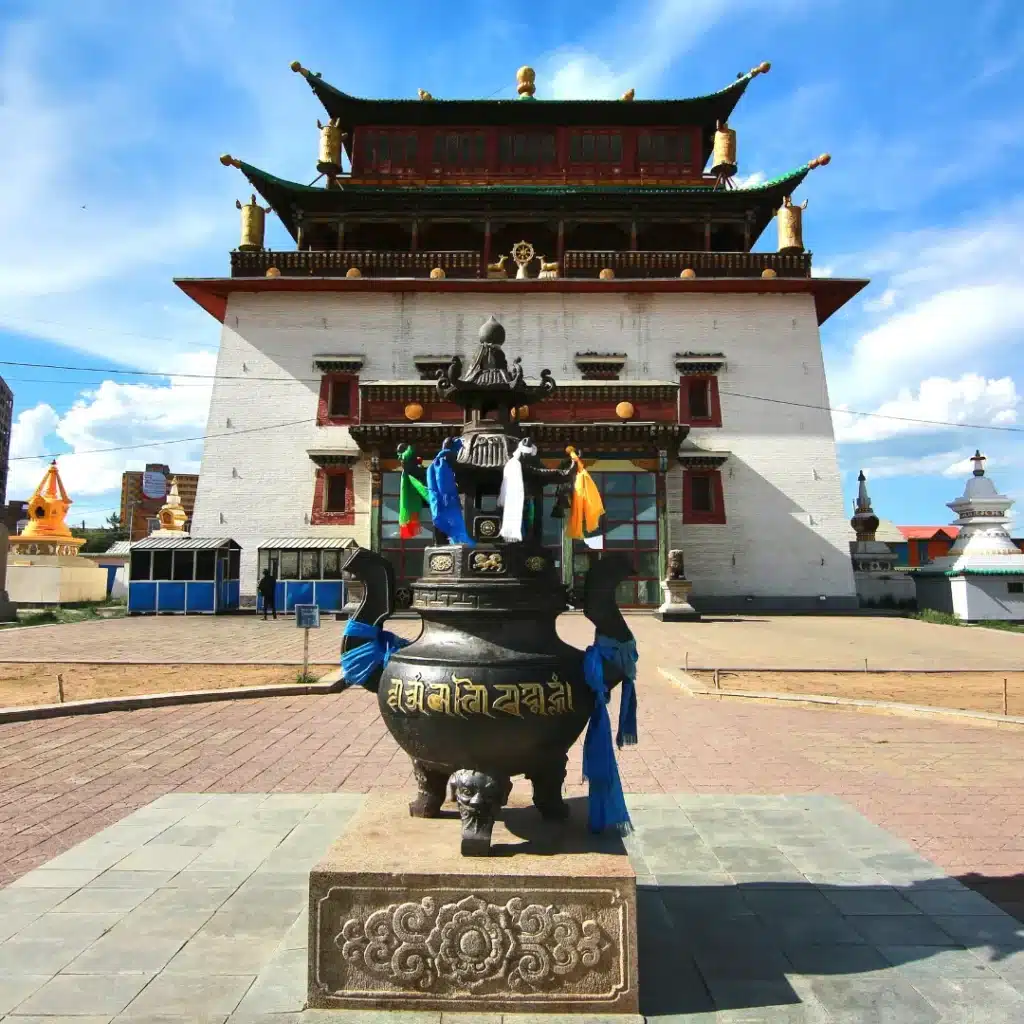
Urban
Ulaanbaatar offers:
- a modernising capital city
- mixed architectural eras
- museums and monuments
- dense civic zones
- nearby access to countryside and parks
The Mongolian National Film Commission specifically points to the capital’s museums, galleries, markets, nearby parks, themed camps, and event culture as part of the broader filming proposition.
Transport and Logistics
This country is not logistically difficult in the same way as a congested megacity market. It is difficult in a more elemental way. Distance, road time, weather, and remote-area support are the core production variables.
What Makes the Difference
The crews that do well in this country are the crews that:
- plan fewer unrealistic location jumps
- overprepare for vehicle needs
- build buffer days into the schedule
- use strong local drivers and fixers
- respect the scale of the terrain
- keep customs and import paperwork clean
If you prep Mongolia like a compact island job, it will bite. If you prep it like an expedition with a shooting schedule, it can be extraordinary.
Weather, Seasonality, and Shooting Conditions
Mongolia is a four-season destination, and that is one of its strengths. The Mongolian National Film Commission explicitly frames the country as a four-season filming location. That creates strong opportunities for productions looking for snow, dry summer expanses, hard seasonal contrast, or transitional shoulder-season textures.
It also means weather planning matters. The country’s best visuals often come with exposure, long transfers, and environmental demands that affect both crew welfare and equipment management.
Working with Hoodlum in Mongolia
Hoodlum helps producers build a realistic shooting plan for this country from the first logistical decisions onward. That means combining creative ambition with operational discipline so that the location works for the schedule rather than against it.
Why productions value strong support in this country:
- clear pre-production planning
- realistic location logistics
- reliable local communication
- strong fixer coordination
- reduced risk around travel and permits
- smoother rural and remote shoots
- better control of time and cost
Navigating Mongolia’s Production Reality
This country can give you visuals that look enormous, ancient, isolated, and cinematic. It can also quietly punish weak planning. The country is at its best when the creative vision is matched by strong on-the-ground execution. That is where good production support earns its keep: not by making the country feel ordinary, but by making the extraordinary workable.
FAQs – Filming in Mongolia
Do I need a visa to film in this country?
That depends on nationality and the purpose of travel. Mongolia allows visa-free entry for some nationals and e-visas for certain tourism travel, but the Immigration Agency states that tourism status should not be used for work or activity outside the stated purpose.
Can crews just enter on tourist status?
That should not be assumed. Mongolia’s Immigration Agency specifically warns foreigners not to work or engage in activities outside the purpose of their visit when entering for tourism.
Is this country good for commercials and documentaries?
Yes. Mongolia is especially strong for commercials, documentaries, branded content, and features needing scale, nomadic culture, or extreme natural landscapes. The Mongolian National Film Commission markets the country across those production categories.
Location Hotspots
This guide was written by the Hoodlum team using information from Mongolia’s immigration authorities, the Mongolian National Film Commission, and trusted production knowledge relevant to international shoots in the country. Our combined guidance helps filmmakers plan with greater clarity when assessing production in this country.
Useful Links – Mongolia Film and Travel Authorities
- Mongolian National Film Commission
https://mngfilmcommission.wixsite.com/mnfc - Immigration Agency of Mongolia
https://immigration.gov.mn/en/ - Mongolia eVisa System
https://www.evisa.mn/