












Film Production Services in Northern Italy
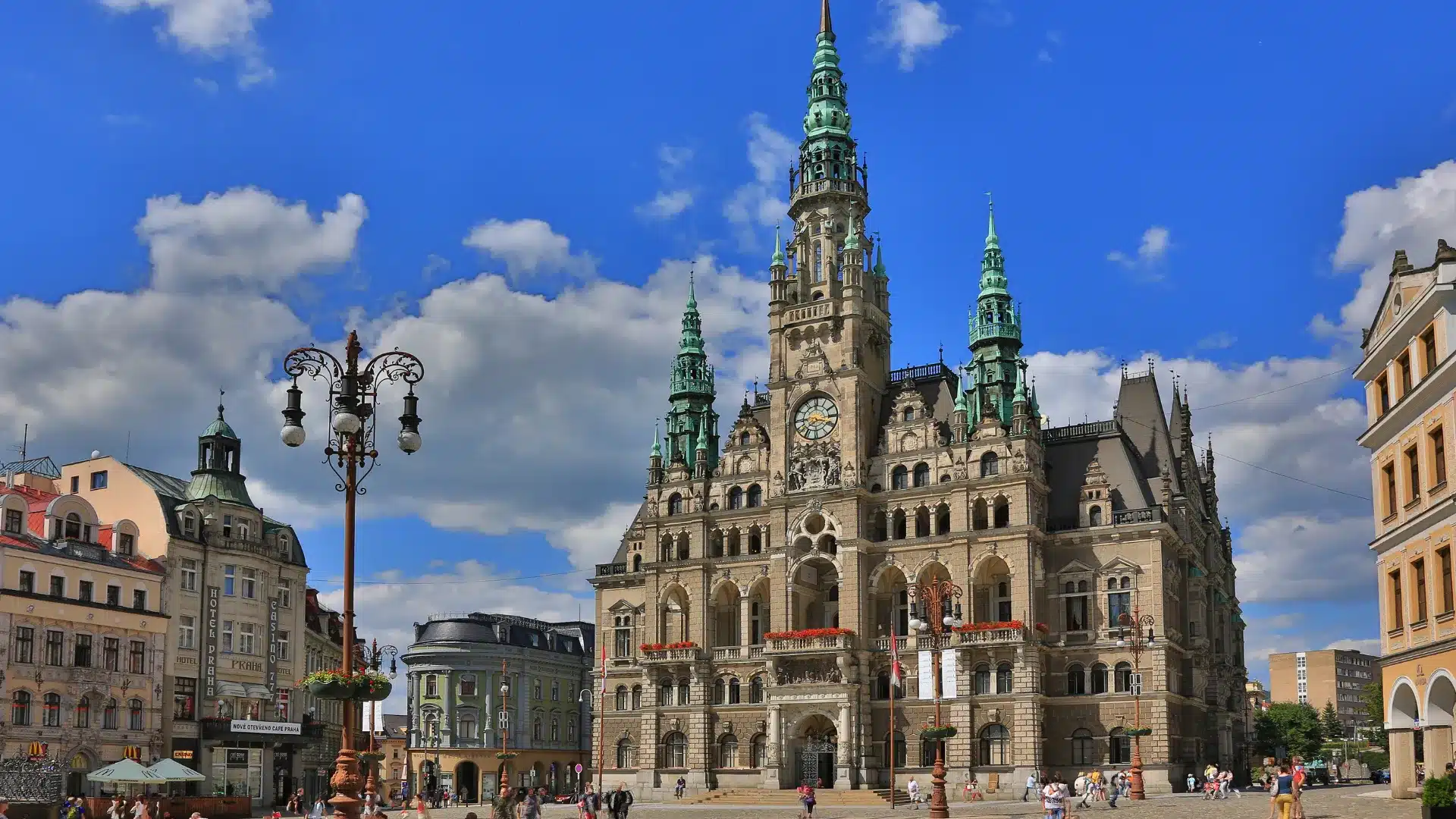
Northern Italy is one of Europe’s most useful production regions for crews that need a combination of cinematic cities, Alpine roads, lakes, fashion infrastructure, industrial locations, historic architecture, luxury settings, vineyards, ports, studios, design culture and efficient European logistics. From Milan, Turin and Venice to Lake Como, the Dolomites, Verona, Bologna, Genoa, Trentino-Alto Adige, Lombardy, Piedmont, Veneto, Emilia-Romagna, Liguria and Friuli-Venezia Giulia, Northern Italy gives international productions a wide spread of looks within a tightly connected production corridor.
Hoodlum provides Film Production Services in Northern Italy for commercials, feature films, documentaries, television drama, factual entertainment, branded content, fashion campaigns, automotive films, music videos, reality formats, photography and corporate production. Our team supports film fixers, local producers, permit planning, location scouting, private location negotiations, crew entry guidance, work permit coordination where required, drone planning, customs and ATA Carnet support, local crew sourcing, transport, accommodation, security, mountain logistics and full on-ground production management. Productions can explore the wider scope of what we do and learn more about the Hoodlum team on our who we are page.
Northern Italy is highly film-friendly, but it is not a destination for informal, undocumented production. Public filming, road work, city centres, Alpine passes, luxury villas, railway stations, canals, ports, heritage sites, private estates, drone flights, national parks, vineyards, museums, airports and industrial sites all need the correct permission route. The region works best when the production footprint is clear, locations are secured early and local fixers coordinate with the relevant municipality, regional film commission, property owner, road authority, aviation body or customs office before the crew arrives.
Why Northern Italy Works for International Productions
Northern Italy works because it gives producers several production worlds in one region. Milan is a global fashion, business, design and advertising hub. Turin brings industrial history, elegant boulevards, automotive heritage, studios and access to the Alps. Venice offers canals, palazzi, lagoon islands, heritage texture and a location language found nowhere else. Lake Como and the Italian lakes deliver luxury villas, water, mountains and refined campaign imagery. The Dolomites and Alpine regions give Northern Italy roads, snow, dramatic peaks, forests, ski environments and remote mountain scale. Bologna and Emilia-Romagna add food culture, historic porticoes, motor brands, agricultural roads and strong regional production support. Genoa and Liguria bring ports, cliffs, coastal towns and maritime environments.
This range makes Northern Italy especially strong for commercials, automotive work, fashion, luxury brands, tourism campaigns, historical drama, contemporary European drama, food programming, design documentaries, architecture films, sport, music videos and high-end stills. A production can move from a Milan showroom to a Lake Como villa, from a Turin industrial interior to an Alpine road, from a Venice palazzo to a Ligurian harbour, or from a Bologna street to a Motor Valley location in a single regional plan.
Northern Italy also has reliable infrastructure. Airports in Milan, Venice, Turin, Bologna, Bergamo, Verona and Genoa connect well with Europe and long-haul routes. High-speed rail links major cities. Motorways connect production hubs to lakes, mountains, ports and rural areas. Local crew, equipment suppliers, post-production, studios and service companies are accessible across several production centres.
The main challenge is that Northern Italy is not one permitting system. Milan, Venice, Turin, Bologna, Genoa, Lake Como municipalities, Alpine provinces and heritage authorities all have different processes. A practical Northern Italy production plan must be regional, not generic. Hoodlum helps productions build that plan with the correct authorities and local contacts for each location.
Milan and Lombardy Production
Milan is the main production hub in Northern Italy for fashion, advertising, design, corporate content, luxury brands, music videos, documentaries, interviews and contemporary urban drama. The city offers showrooms, offices, rooftops, galleries, hotels, museums, apartment interiors, modern architecture, tram streets, business districts, fashion houses, studios, industrial conversions, nightlife, railway stations and strong agency infrastructure.
Milan works well for productions that need polished urban settings and access to high-end crew, stylists, art department, casting, stills teams, locations, production offices and brand-facing environments. Porta Nuova, CityLife, Brera, Navigli, Isola, Porta Venezia, the fashion district, historic centre and outer industrial zones each give a different Milan look. The city can feel elegant, contemporary, commercial, residential, fashion-led or corporate depending on the brief.
Filming in Milan requires municipal coordination, especially for public streets, trams, traffic, technical parking, pedestrian areas, squares, parks, drones, night filming and public impact. A small documentary crew will have different requirements from a commercial unit with lighting trucks, cast, styling teams, catering and crowd control. Private interiors, showrooms and luxury locations usually require separate owner agreements, confidentiality clauses and strict reinstatement terms.
Lombardy beyond Milan is equally useful. Lake Como, Lake Garda’s Lombardy side, Bergamo, Brescia, Monza, Pavia, Cremona, Mantua and the surrounding countryside add villas, old towns, motor racing access, lakes, agriculture, historic architecture, roads and industrial settings. Lake Como is particularly important for high-end productions, but it requires careful planning around villas, boat access, narrow lakeside roads, public docks, tourist pressure and private-owner expectations.
Hoodlum supports Milan and Lombardy shoots by coordinating city permits, private locations, fashion and commercial crew, technical parking, lake logistics, boat movement, security and location agreements. Northern Italy is efficient when Milan is used as a production base, but the details still need to be handled locally.
Turin, Piedmont and Automotive Production
Turin gives Northern Italy a strong production identity that differs from Milan. The city has elegant avenues, arcades, squares, royal residences, industrial heritage, riverfronts, museums, contemporary districts and a deep connection to Italy’s automotive history. It is a powerful location for commercials, drama, documentaries, car campaigns, fashion, architecture, music videos and historical work.
Piedmont is particularly valuable for automotive filming. Turin’s motor-industry history, industrial interiors, test-track culture, roads, Alpine access and design heritage make the region a natural fit for car content and mobility brands. Productions can combine city streets, warehouses, old factories, roads, mountain approaches and controlled locations within a practical route.
The region also offers the Langhe, Monferrato and Roero wine landscapes, castles, vineyards, rural roads, villages and food culture. These areas are useful for lifestyle, documentary, food programming, luxury campaigns and rural drama. The western Alps add snow, mountain roads, ski resorts and border-region settings, but mountain work requires weather planning, vehicle access, rescue awareness and seasonal consideration.
Turin and Piedmont permits can involve municipal authorities, regional bodies, private owners, road authorities, heritage sites, police, park authorities and local film support offices. If a production involves picture vehicles, tracking shots, traffic control, road closures, drones, mountain roads or private estates, lead time becomes essential.
Hoodlum helps productions in Turin and Piedmont align creative road needs with practical access. Automotive work in Northern Italy can be very strong, but it requires precise coordination around route permissions, traffic, safety, drone restrictions, car transport, insurance and weather.
Venice, Veneto and the Lagoon
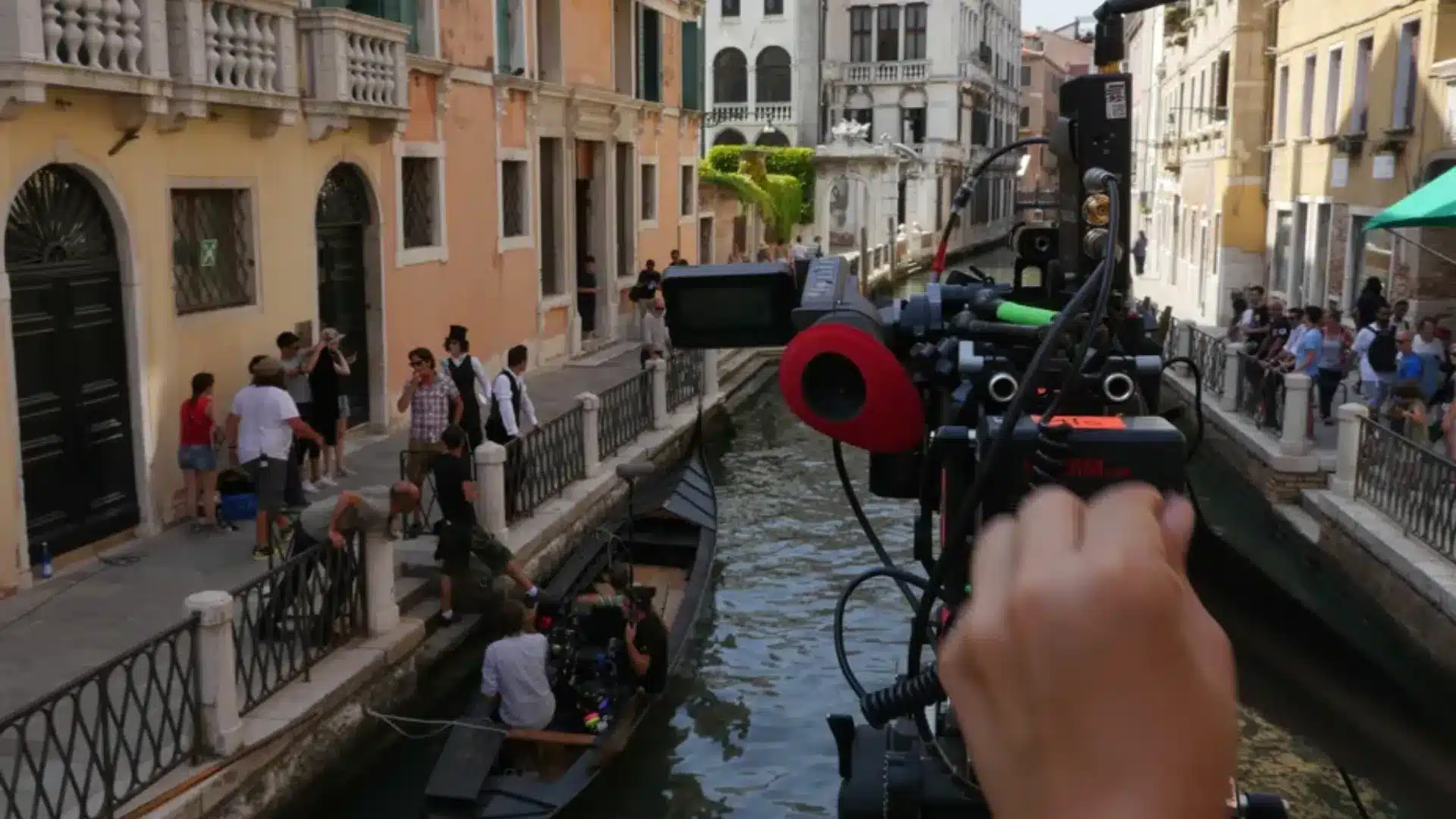
Venice is one of the most distinctive filming locations in the world, and one of the most sensitive. Northern Italy offers many historic cities, but Venice is unique because production movement depends on canals, boats, bridges, narrow lanes, heritage interiors, tourism pressure, lagoon conditions and strict municipal controls. It is exceptionally valuable for drama, commercials, luxury campaigns, fashion, music videos, documentaries and photography, but it must be approached with discipline.
Filming in Venice may involve the municipality, private palazzo owners, heritage authorities, museums, churches, water transport operators, police, port or lagoon authorities, and local location managers. Even a modest production must think about load-in by boat, equipment movement over bridges, public crowds, tide conditions, noise, filming hours, privacy, location protection and local residents. Large technical units need a detailed logistics plan, not just a permit.
The Veneto region beyond Venice offers Verona, Padua, Vicenza, Treviso, the Prosecco hills, Palladian villas, rural roads, industrial areas, lakeside environments and access towards the Dolomites. Verona is useful for historical streets, romance, opera settings, public squares and elegant interiors. Vicenza and Palladian architecture can support heritage, design and luxury imagery. Treviso and the Prosecco hills are strong for food, wine, lifestyle, travel, stills and commercials.
Venice is powerful because of its recognition, but it is not always the most practical choice for every scene. Sometimes Verona, Vicenza, Padua, Treviso or smaller Veneto towns can provide historic Northern Italy texture with easier access, lower crowd pressure and more flexible movement. Hoodlum helps productions choose the right Veneto location for both creative and operational reasons.
The Dolomites, Trentino-Alto Adige and Alpine Filming
The Dolomites are one of Northern Italy’s strongest outdoor production assets. They offer dramatic peaks, mountain roads, ski areas, forests, lakes, cable cars, alpine villages, snow, summer meadows, climbing environments and high-altitude scale. For commercials, automotive, sport, outdoor brands, documentaries, travel, adventure programming and feature films, the Dolomites can deliver production value that is both precise and dramatic.
Alpine filming in Northern Italy requires specialist planning. Weather can change quickly, access roads can be narrow or seasonal, cable-car systems may be required, parking can be limited, and rescue procedures must be considered. Snow work involves additional safety, cold-weather planning, avalanche awareness, appropriate vehicles, mountain guides and equipment protection. Summer mountain shoots need planning around storms, hikers, protected areas, environmental restrictions and early light.
Trentino-Alto Adige and South Tyrol are also culturally distinct, with German-speaking and Italian-speaking environments, alpine architecture, vineyards, castles, ski resorts and road networks that can serve both Italy and central European looks. These areas are useful when a production needs Northern Italy to read Alpine, Austrian-adjacent, high-performance, premium, outdoor or remote.
Drone filming in mountain areas may be attractive but must be checked carefully. Airspace, national parks, protected landscapes, cableways, airports, helicopter routes, mountain rescue operations and weather can all affect the approval. Hoodlum supports Alpine filming by bringing local fixers, mountain guides, safety planning, permit coordination, route checks, vehicle planning and realistic weather contingency into the production from the start.
Liguria, Genoa and the Northern Coast
Liguria gives Northern Italy a coastal production option with a different character from the lakes and the Adriatic. Genoa is a major port city with old streets, steep neighbourhoods, maritime infrastructure, industrial edges, historic palazzi, docks, shipyards, waterfront roads and a working-city atmosphere. It can support drama, documentaries, commercials, shipping stories, industrial content, music videos and maritime sequences.
The Ligurian coast also offers towns such as Portofino, Camogli, Santa Margherita Ligure, Rapallo, Cinque Terre, La Spezia and coastal roads that are useful for luxury, travel, lifestyle, fashion, food, marine and tourism content. These locations can be visually exceptional, but they can also be operationally tight. Narrow roads, limited parking, protected areas, tourist pressure, boat access, local residents and heritage restrictions can all affect filming.
Cinque Terre and other protected coastal environments require careful planning around park rules, footpaths, public access, rail movement, environmental sensitivity and crowd management. Portofino and high-end coastal towns require private access negotiation, brand sensitivity, security and realistic timing. Genoa port work may involve port authorities, terminal operators, safety inductions, restricted areas and insurance.
Hoodlum supports Liguria shoots by coordinating marine logistics, private locations, local authorities, port access, boat operators, parking and security. Northern Italy’s coast is highly useful, but its geography means crews must plan movement carefully.
Bologna, Emilia-Romagna and Motor Valley
Bologna and Emilia-Romagna add food, industry, historic streets, porticoes, universities, motor brands, agriculture, roads, studios and strong regional identity to the Northern Italy production map. Bologna is particularly useful for documentary, drama, food programming, corporate content, commercials, music videos and interviews. Its porticoes, old streets, central squares and university character give it a textured city look without the immediate global recognition of Milan or Venice.
Emilia-Romagna is also central to Italy’s Motor Valley, with Ferrari, Lamborghini, Maserati, Ducati and related automotive culture shaping the region’s production appeal. Car and motorcycle content can benefit from roads, factories, museums, test environments, design settings and brand heritage, though access to branded or private automotive locations must be negotiated carefully and often involves strict approvals.
The region is also strong for food production. Parma, Modena, Reggio Emilia, Ravenna, Ferrara and the countryside offer producers access to food culture, agriculture, historic towns, industrial food production, restaurants, markets and rural roads. Ravenna and Ferrara provide distinctive heritage looks, while the Adriatic coast adds beaches, resorts and seasonal tourism environments.
Filming in Emilia-Romagna may involve municipal authorities, regional film support, private owners, road authorities, museums, food producers, automotive companies and local communities. Hoodlum helps productions in this part of Northern Italy secure access, manage brand-sensitive environments, plan road work and coordinate regional crew and suppliers.
Crew Entry, Visas and Work Authorisation
Crew entry into Northern Italy depends on nationality, duration of stay, role, employment structure and whether the crew is entering under Schengen short-stay rules or a longer national route. Italy is part of the Schengen Area, so visa-required crew travelling for shorter stays may need a Schengen Type C visa. Crew staying more than 90 days, working under certain structures or entering for longer assignments may require a National Type D visa or additional work authorisation.
Film crew visa applications can require a valid passport, completed visa form, passport photo, proof of payment, travel health insurance, proof of financial means, accommodation details, travel itinerary, invitation letter, production company letter, shooting schedule, role description and production-related documentation. Depending on nationality and the consular route, additional evidence of professional role, employment contract, qualifications or production funding may be required.
For international productions in Northern Italy, visa planning should be tied to the crew list, not handled separately. A director, camera operator, drone pilot, producer, stylist, agency representative, actor or technical specialist may have different documentation needs. EU and EEA nationals have simpler movement rights, while non-EU crew must be checked carefully.
Processing can vary. Schengen Type C applications are often planned around a 15 to 30 day window, while National Type D or work-related routes may take longer. Productions should not rely on urgent processing unless it is confirmed by the relevant consulate. Hoodlum helps producers prepare consistent invitation letters, role descriptions, schedules and location details so crew-entry documentation matches the actual Northern Italy shoot.
Crew Accreditation, Codice Fiscale and Local Registration
International crew accreditation in Northern Italy depends on the production structure, locations, tax requirements, crew roles and local authorities involved. There is no one accreditation pass that automatically covers Milan, Venice, Turin, the Dolomites, Lake Como, Genoa and Bologna. Instead, crew details are often included in permit packages, local production documents, insurance schedules, location agreements and any required work or tax filings.
Productions may need to register with the relevant local film commission or production office. In some cases, crew or production entities may need a Codice Fiscale, Italy’s tax identification number, especially where contracts, payments, local payroll, leases, location agreements or supplier relationships require it. Work permits, employment authorisations or local compliance steps may be relevant for certain non-EU crew or longer productions.
Accreditation documentation can include passports, visas where required, employment contracts, proof of qualifications, proof of professional experience, proof of insurance, equipment insurance, crew list, call sheets, role descriptions and production company details. The process can be quick when the paperwork is clean, but delays happen when crew information is incomplete or inconsistent across documents.
Hoodlum supports crew accreditation in Northern Italy by preparing clear crew lists, matching documentation to the permit applications and coordinating with local film commissions, production partners and location owners. This helps reduce confusion when authorities need to know exactly who will be on site.
Film Permits in Northern Italy
Film permits in Northern Italy are location-specific. The Italian Film Commissions network and local film commissions can guide productions, but permissions are usually issued by the municipality, regional authority, private owner, heritage body, park authority, road authority, police, port operator or other competent body depending on the location and activity.
A permit application for Northern Italy may require a script or treatment, shooting schedule, location plan, crew list, equipment list, proof of liability insurance, proof of funding where relevant, owner authorisations, local authority permissions, safety plan, environmental impact assessment where needed and a completed application form. Larger shoots may also need traffic management, police coordination, road closures, crowd control, drone authorisation, night filming approvals, special effects permissions or heritage clearances.
Timelines depend on the location. A small shoot in a private interior may move quickly. Public-space filming in Milan, Venice or Turin requires more time. Road filming, Alpine work, large commercials, drone operations, protected landscapes and heritage sites can take several weeks. For standard permits, productions should begin well in advance rather than relying on the shortest possible processing window.
Permit costs vary widely. Some local authorisations may be modest, while complex public-space occupation, road control, heritage access, police support, public transport involvement or exclusive use of valuable locations can increase costs. Hoodlum helps productions identify the correct permission route and avoid the common mistake of treating Northern Italy as a single administrative territory.
Private Locations in Northern Italy
Private locations are central to production in Northern Italy. Villas on Lake Como, Milan showrooms, Turin industrial interiors, Venetian palazzi, Alpine chalets, vineyards, hotels, warehouses, factories, restaurants, museums, gardens, private estates, farmhouses, marinas and luxury properties all require direct negotiation with owners or managers.
A location owner will usually need a production synopsis, location requirements, shooting schedule, crew size, equipment list, intended use, dressing needs, access requirements and insurance details before quoting. Fees can vary substantially. A small interview in an office is not comparable to a fashion shoot in a villa, a commercial in a private palazzo, a drama sequence in a museum, a car shoot at a private test facility or a night shoot in a luxury hotel.
A proper private location agreement should cover the fee, access dates, prep and strike, areas included, overtime, deposits, insurance, damage, reinstatement, art department changes, floor protection, power, catering, toilets, security, confidentiality, parking, owner approvals and cancellation terms. In Northern Italy, luxury and heritage properties often require strict rules around image use, brand protection, surface protection, staffing and restricted areas.
Private permission does not automatically cover public impact. If the production affects roads, lake docks, pavements, bridges, neighbours, drones, exterior lighting, traffic or parking, public permits may still be needed. Hoodlum helps productions secure private locations while checking the surrounding permissions that make the day actually workable.
Drone Filming in Northern Italy
Drone filming in Northern Italy is regulated by Italian civil aviation rules and the EU drone framework. ENAC, the Italian Civil Aviation Authority, is the national aviation body. Productions must consider operator registration, pilot competence, insurance, drone category, flight plan, airspace restrictions, altitude, distance, privacy, local approvals and whether the operation falls into a higher-risk category.
Northern Italy is highly attractive for drone work: Lake Como, Venice, the Dolomites, Milan skyline, Alpine roads, vineyards, ports, villas, coastlines and historic towns all offer strong aerial value. Many of these areas are also restricted or sensitive. Airports, heliports, military zones, protected parks, UNESCO or heritage areas, national parks, populated city centres, Venice lagoon routes, mountain rescue zones and private estates can all limit drone operations.
A local drone permit or authorisation package may include proof of insurance, drone registration, pilot licence, operator details, flight plan, coordinates, maps, risk assessment, location permissions and compliance with EU and Italian rules. Timelines can vary, but standard approvals should be planned early, especially for urban, heritage, mountain, park or controlled-airspace work.
Drone importation can require commercial invoices, customs declarations, CE marking, declaration of conformity, technical specifications, bill of lading or air waybill, ATA Carnet or temporary import documentation, tax identification information where relevant and proof of insurance. For many productions, using a certified local drone operator in Northern Italy is the most efficient option because the operator understands local airspace, weather, authority expectations and location restrictions.
Hoodlum supports drone filming in Northern Italy by coordinating the drone plan with the film permit, private location agreement, public safety plan and customs documentation. Drone shots should be built into the production plan from the start, not added casually at the end.
Equipment Customs Clearance and ATA Carnet
Italy is an ATA Carnet country, which makes temporary importation of professional film equipment more practical for international crews arriving from outside the European Union. An ATA Carnet allows qualifying professional equipment to enter temporarily without normal duties or taxes, provided the equipment is re-exported and the carnet is properly processed by customs.
Customs clearance in Italy is handled by the Agenzia delle Dogane e dei Monopoli, known as ADM. Crews should prepare a detailed equipment list with descriptions, serial numbers, values, ownership details, commercial invoices where required, packing lists, customs declaration forms, proof of insurance, authorisation letters and the ATA Carnet. Camera systems, lenses, lighting, grip, sound equipment, drones, batteries, radio equipment, vehicles and specialist mountain or marine equipment should all be listed clearly.
For productions travelling within the EU, the customs process may be simpler, but ownership, movement route and any special equipment restrictions should still be checked. For productions arriving from South Africa, the United Kingdom, the United States, Canada, Australia or other non-EU territories, carnet preparation should be handled before departure.
Clearance can be quick when paperwork is accurate, but delays happen if values are inconsistent, serial numbers are missing, cases do not match the carnet, drones are undocumented, batteries are packed incorrectly or freight arrives separately from the carnet holder. Hoodlum helps productions prepare customs documentation, coordinate with clearing agents, align equipment arrival with prep dates and keep the customs plan connected to the shoot schedule.
Local Crew, Fixers and Production Suppliers
Northern Italy has a strong crew and supplier base. Milan, Turin, Venice, Bologna and other regional hubs provide access to producers, fixers, location managers, production managers, assistant directors, camera crew, lighting, grip, sound, art department, wardrobe, hair and makeup, stylists, casting, drivers, drone operators, stills teams, editors, security, catering and technical suppliers.
Milan is especially strong for commercials, fashion, stills, branded content and agency-facing work. Turin and Piedmont are strong for automotive, drama and industrial locations. Venice and Veneto require specialist location and logistics knowledge. Bologna and Emilia-Romagna provide strong regional support for food, automotive and cultural work. Alpine regions require local guides, drivers, safety support and mountain-experienced crew.
A fixer in Northern Italy is valuable because the region is efficient but highly localised. A fixer helps identify the correct authority, negotiate location access, translate requirements, arrange private agreements, source local crew, coordinate transport, handle releases, support customs, manage drone logistics and keep the production practical on the day.
Hoodlum scales Northern Italy production support to the brief. A small documentary may need a fixer, driver, permits and releases. A commercial may need production management, locations, casting, art department, technical crew, security, transport and agency support. An automotive or mountain shoot may need route control, safety planning, specialist vehicles, drone coordination and weather cover.
Transport, Accommodation and Production Movement
Transport is one of Northern Italy’s major production strengths. The region has strong airports, rail routes, motorways and city-to-city links. Milan, Turin, Venice, Verona, Bologna and Genoa are well connected, and high-speed rail can move producers, directors, agency teams and smaller crews efficiently. Larger units with equipment usually require vans, trucks, drivers, secure parking and planned load-in routes.
Northern Italy’s movement challenges are location-specific. Milan traffic, low-emission zones, tram routes and parking can affect technical vehicles. Venice requires boat logistics and walking routes over bridges. Lake Como has narrow lakeside roads, boat access and limited parking. Alpine shoots need weather, winter tyres, snow chains, mountain roads, cable cars and safety planning. Liguria has steep roads and limited coastal parking. Bologna and regional cities may involve historic-centre restrictions.
Accommodation should be planned early around fashion weeks, design fairs, film festivals, trade fairs, ski season, summer lake tourism, Venice events and major sporting or cultural periods. Milan and Venice can become expensive and tight during high-demand windows. Lake Como villas and hotels require early booking. Alpine locations may have limited capacity outside major resorts.
Hoodlum plans transport and accommodation around the shooting day: call times, technical parking, vehicle restrictions, ferry or boat movement, driver hours, equipment security, crew turnaround, weather cover and company moves. In Northern Italy, efficient movement is one of the main ways to protect production value.
Safety, Security and Practical Risk
Northern Italy is generally a safe and professional production region, but security should still match the scale, location and visibility of the shoot. Standard equipment security is often enough for small interviews and controlled interiors. Larger commercials, high-value fashion campaigns, celebrity shoots, public street work, automotive filming, drone operations, night filming, luxury locations and mountain shoots require more structured planning.
In Milan, Venice, Turin and other cities, productions should consider equipment security, crowd control, pickpocketing risk in busy areas, traffic, cycle or tram routes, public interaction and overnight storage. Fashion and luxury shoots may need location security, secure holding areas, data protection, confidentiality and personal protection where high-profile talent is involved.
Mountain and lake shoots involve different risks. Weather, road conditions, boat transfers, cold, heat, altitude, slippery surfaces, cliff edges, snow, avalanches, water safety and emergency response times should be considered. Automotive shoots need route safety, vehicle control, road permissions, police support where required and clear communication between drivers, camera vehicles and production.
Hoodlum supports security planning in Northern Italy by matching risk controls to the actual production. The aim is not to overbuild a simple shoot, but to make sure higher-risk locations and high-value productions have the right protection, safety and contingency.
Film Rebates and Tax Incentives in Italy
Italy offers film and audiovisual tax-credit support through the national cinema and audiovisual framework, managed through the Ministry of Culture’s Cinema and Audiovisual Directorate. Productions should confirm the current rules, rates, eligible categories, minimum spend, maximum benefit, application windows, cultural eligibility, audit requirements and applicant structure before budgeting.
International productions working in Northern Italy may also consider regional support or film commission assistance depending on the region. Lombardy, Piedmont, Veneto, Emilia-Romagna, Trentino, South Tyrol, Friuli-Venezia Giulia and Liguria each have different film commission structures, location databases, support systems or regional funding possibilities. These may not always operate like a simple rebate, but they can be important for location access, regional spend, local partnerships and production facilitation.
The tax-credit conversation should happen early. Productions should not assume that every cost qualifies or that support is automatic. A proper incentive plan needs an eligible structure, clear local spend, compliant accounting, supplier documentation, contracts, payroll records and enough time for application and review.
Hoodlum helps productions connect the Northern Italy creative plan to the incentive conversation by identifying likely regional spend, local crew, suppliers, locations, transport, accommodation and post-production needs, and by flagging when specialist tax-credit advisors or Italian production partners should be involved.
When Northern Italy Is the Right Production Choice
Northern Italy is the right production choice when a project needs high-end European production value, fashion, design, automotive settings, Alpine roads, lakes, luxury villas, historic cities, ports, food culture, industrial interiors, contemporary business environments and efficient regional movement. It is especially strong for commercials, fashion campaigns, car films, documentaries, feature films, television drama, branded content, stills, music videos and luxury productions.
Northern Italy is also useful when a production needs multiple looks within one regional schedule. Milan, Lake Como, Turin, Venice, the Dolomites, Bologna, Genoa, Verona and the vineyards of Piedmont or Veneto can all be combined if permits and logistics are planned properly.
Northern Italy may be less suitable for productions that want to avoid paperwork, fly drones without approval, film heritage locations at short notice, use luxury villas without detailed agreements, or move large vehicles through Venice, Milan or lake roads without planning. The region is very workable, but it expects production discipline.
Common Northern Italy Production Mistakes
One common mistake is treating Northern Italy as one permit area. It is not. Milan, Turin, Venice, Lake Como, the Dolomites, Bologna and Genoa all involve different local authorities, private owners and regional processes.
Another mistake is underestimating Venice logistics. Equipment movement by boat, bridges, crowds, tides, heritage restrictions and limited technical access can all affect the schedule.
Productions also underestimate mountain planning. Alpine roads, snow, weather, cable cars, rescue procedures, parking and safety need to be handled before the crew arrives.
Drone assumptions are another frequent problem. Northern Italy has controlled airspace, airports, heliports, heritage sites, parks, cities and private estates where drone flights may be restricted or require specific authorisation.
Customs errors can disrupt the shoot. Italy accepts ATA Carnets, but the carnet must be accurate, stamped correctly and supported by detailed equipment lists, serial numbers and values.
Finally, productions sometimes over-schedule because distances look short. Milan to Lake Como, Venice to the Dolomites, or Turin to Alpine roads can be practical, but traffic, weather, permits, load-in and technical setup still need time.
How Hoodlum Supports Productions in Northern Italy
Hoodlum provides Film Production Services in Northern Italy for international crews that need practical local coordination from early planning through wrap. Our support covers film fixers, local producers, permit coordination, location scouting, private location agreements, crew entry guidance, work permit support where required, Codice Fiscale coordination where relevant, drone planning, customs and ATA Carnet support, local crew sourcing, transport, accommodation, security, mountain logistics and full on-ground production management.
For Milan and Lombardy, Hoodlum supports fashion, commercial, corporate, lake and luxury-location work. For Turin and Piedmont, we support automotive, industrial, Alpine and vineyard locations. For Venice and Veneto, we support canal logistics, heritage access, private palazzi, public-space permits and boat movement. For the Dolomites and Alpine regions, we coordinate safety, weather planning, mountain guides, route access and specialist logistics. For Liguria and Emilia-Romagna, we support coastal, port, food, automotive, city and regional shoots.
Northern Italy delivers exceptional production value when the plan is built around the realities of the region. Hoodlum’s role is to keep that plan clear, local, realistic and production-focused.
Frequently Asked Questions
Do international crews need visas to film in Northern Italy?
Crew-entry requirements for Northern Italy depend on nationality, duration, role and employment structure. Italy is part of the Schengen Area, so visa-required short-stay crew may need a Schengen Type C visa. Longer stays or certain work structures may require a National Type D visa or work authorisation.
Who issues film permits in Northern Italy?
Film permits in Northern Italy depend on the location. Municipalities, regional film commissions, private owners, road authorities, heritage bodies, park authorities, police, port authorities and aviation authorities may all be involved depending on the shoot.
Is Northern Italy good for automotive filming?
Yes. Northern Italy is very strong for automotive filming, especially in Piedmont, Lombardy, Emilia-Romagna and Alpine regions. The area offers industrial heritage, car culture, mountain roads, controlled locations, design environments and access to Italy’s Motor Valley.
Can productions film in Venice?
Yes, productions can film in Venice, but Venice requires careful planning. Canal movement, boat access, crowds, heritage restrictions, private palazzi, bridges, public-space rules and equipment transport all need proper coordination.
Is Northern Italy good for drone filming?
Yes, Northern Italy can be excellent for drone filming, especially around lakes, mountains, vineyards, coastlines and cityscapes. Drone operations must comply with ENAC and EU rules, and additional permissions may be needed for cities, heritage locations, parks, airports and restricted areas.
Is Italy an ATA Carnet country?
Yes. Italy accepts ATA Carnets for temporary importation of qualifying professional filming equipment. Crews should prepare accurate equipment lists, serial numbers, values, insurance documents and customs paperwork.
Does Italy offer film incentives?
Yes. Italy offers national film and audiovisual tax-credit support, and some regional support may also be relevant depending on the project and location. Productions should confirm current eligibility, rates, caps and application rules before budgeting.
What are the best filming locations in Northern Italy?
Strong filming locations in Northern Italy include Milan, Lake Como, Turin, Venice, Verona, Bologna, Genoa, the Dolomites, Trentino-Alto Adige, South Tyrol, Piedmont vineyards, the Prosecco hills, Ligurian coast, Emilia-Romagna’s Motor Valley and Lombardy’s historic towns.
Why use a fixer in Northern Italy?
A fixer in Northern Italy helps international productions secure permits, scout locations, negotiate private access, coordinate with local authorities, source crew, manage customs, plan drones, arrange transport and keep the shoot practical across multiple regions.
External Authority Links
- Italy for Movies
- Italian Film Commissions
- Direzione Generale Cinema e Audiovisivo
- Italian Ministry of Foreign Affairs – Visa for Italy
- ENAC – Italian Civil Aviation Authority
- Agenzia delle Dogane e dei Monopoli
- Lombardia Film Commission
- Film Commission Torino Piemonte
- Veneto Film Commission
- Emilia-Romagna Film Commission
- Trentino Film Commission
- IDM Film Commission Südtirol
- Genova Liguria Film Commission
- Visit Italy
Northern Italy gives productions access to Milan, Turin, Venice, Lake Como, the Dolomites, Genoa, Bologna, vineyards, ports, Alpine roads, luxury villas, historic cities and high-end production infrastructure. The strongest shoots are built on the right crew-entry route, permits, private location agreements, drone approvals, customs paperwork, regional fixers, local crew, transport, accommodation, security and realistic movement planning.
Planning a shoot in Northern Italy? Contact Hoodlum for Italian Film Commission and regional authority coordination, filming permits, local fixers, heritage-site permissions, Venetian canal authorisations, Lake Como and private-location access, ATA Carnet customs planning, ENAC drone coordination, boat and alpine logistics, crew sourcing and full on-ground production management. You can also view the Hoodlum Film Fixers Northern Italy Google Business Profile for local production details.