Published: 3 September 2026 · Last updated: 3 September 2026 · Author: Hoodlum Film Fixers
Key Takeaway
Southern Africa offers international producers experienced film fixers, local production support, diverse filming locations and potentially competitive production costs across South Africa, Namibia, Botswana, Zimbabwe, Zambia, Mozambique, Angola, Malawi, Lesotho and Eswatini. The correct comparison between destinations is not the advertised rebate percentage but the final net production cost after realistically recoverable incentives.
Gross Production Cost − Realistically Recoverable Incentive = Final Net Production Cost
Quick Definitions
A film fixer is a locally based production professional who coordinates permits, crew, equipment, locations, transport, accommodation, customs and on-ground logistics for visiting international productions.
A film incentive is a rebate, tax credit or cash grant offered by a national or regional authority that returns a percentage of qualifying production expenditure after the shoot, subject to audit and eligibility rules.
The net production cost is the total money the production actually spends after subtracting the realistically recoverable incentive and the cost of accessing, financing and administering that incentive.
Why Location Matters More Than the Headline Rebate
Southern Africa is one of the most diverse production regions in the world. From the established film infrastructure of South Africa to the deserts of Namibia, the wildlife of Botswana, the dramatic landscapes of Zimbabwe and Zambia, the tropical coastlines of Mozambique, the under-filmed environments of Angola, and the compact but distinctive locations of Malawi, Lesotho and Eswatini, the region covers a remarkable creative range.
For producers planning shoots in the region, local suppliers can provide crews, camera and lighting packages, cast, extras, production vehicles, accommodation, catering, permits and customs support. According to the South African Department of Trade, Industry and Competition (https://www.thedtic.gov.za/), the country’s foreign film and TV production incentive offers a rebate of up to 25% of qualifying South African production expenditure, with additional uplifts for post-production and BEE compliance.
The question therefore should not simply be:
“Which country offers the biggest film incentive?”
It should be:
“Where can we achieve the production value we need at the best final net production cost?”
Why Film Incentives Don’t Tell You the Full Production Cost
Film incentives are valuable. Countries around the world use rebates, tax credits and production incentives to attract international film and television productions. The National Film and Video Foundation of South Africa (https://www.nfvf.co.za/) reports that the country’s screen sector contributes several billion rand annually, with international productions accounting for a substantial share of activity.
A headline incentive of 20%, 25% or 30% understandably influences early location research. But there is an important distinction:
A film rebate reduces qualifying expenditure after it has been incurred.
A lower production cost reduces the amount you need to spend in the first place.
Imagine a production costs $1 million in a major incentive territory. If the production could realistically recover 30% of the entire amount, its theoretical final cost would be:
$1,000,000 − $300,000 = $700,000
Now imagine the same creative brief could be produced on location in Southern Africa for $600,000 because of lower costs across crew, locations, cast, vehicles, accommodation and production support. Even without a rebate, the lower-cost production would finish $100,000 below the theoretical incentivised budget.
This is a simplified illustration rather than a production quotation, but it demonstrates a principle worth repeating.
Compare the final net production budget — not simply the advertised rebate percentage.
Southern Africa at a Glance: 10-Country Comparison
This comparison table summarises the principal creative strengths, headline incentive positioning and typical production use cases for each country. It is a working guide, not a substitute for a like-for-like production budget.
| Country | Headline Incentive | Signature Locations | Best-Fit Productions | Fixer Notes |
| South Africa | Up to 25% DTIC rebate; post-production uplifts | Cape Town, Johannesburg, Karoo, Garden Route, wine lands | Commercials, features, TV drama, fashion, factual | Deepest crew, equipment, studios and infrastructure |
| Namibia | Case-by-case; no standing rebate scheme | Namib Desert, Sossusvlei, Skeleton Coast, Swakopmund | Automotive, commercials, fashion, docs, adventure | Strong local fixers; carnet-friendly customs practice |
| Botswana | No standing rebate; permit-driven access | Okavango Delta, Chobe, Makgadikgadi, Kalahari | Wildlife, natural history, factual, travel | Park permissions and remote logistics are decisive |
| Zimbabwe | No standing rebate; competitive costs | Victoria Falls, Hwange, Mana Pools, Eastern Highlands | Docs, factual, wildlife, travel, commercials | Advance permits and government permissions essential |
| Zambia | No standing rebate; permit-driven | Victoria Falls, South Luangwa, Lower Zambezi, Kafue | Wildlife, adventure, travel, conservation films | Strong park permissions network; remote logistics |
| Mozambique | No standing rebate; project-negotiated support | Bazaruto, Vilanculos, Tofo, Ilha de Moçambique, Maputo | Tropical commercials, fashion, travel, docs | Portuguese-language fixers essential |
| Angola | No standing rebate; under-filmed premium | Luanda, Namib extension, Kalandula Falls, Atlantic coast | Distinctive commercials, docs, branded content | Careful customs and permit lead time required |
| Malawi | No standing rebate; low base costs | Lake Malawi, Mulanje, tea estates, rural landscapes | Docs, factual, NGO and branded productions | Local fixers vital beyond principal cities |
| Lesotho | No standing rebate; SA-adjacent logistics | Maloti mountains, high-altitude passes, villages | Automotive, fashion, adventure, docs | Often paired with South African production base |
| Eswatini | No standing rebate; compact geography | Ezulwini Valley, Mlilwane, Malolotja, cultural sites | Docs, travel, commercials, branded content | Short company moves; efficient small-unit shoots |
Sources: DTIC Film Incentive Programmes (https://www.thedtic.gov.za/financial-support/incentives/film-incentives/), NFVF (https://www.nfvf.co.za/), KFTV Country Guides (https://www.kftv.com/), and Hoodlum Film Fixers production experience.
Southern Africa Is Not One Production Market
There is no single Southern Africa production rate. Costs, infrastructure and filming requirements vary considerably between the 10 countries above. The right destination depends on the creative brief, filming locations, production scale, crew requirements, equipment package, permits, customs, travel schedule and budget.
Rather than treating Southern Africa as one destination, international producers should compare individual countries — and sometimes combinations of countries — against the same production brief.
What Does Shooting on Location in Southern Africa Actually Cost?
The strongest comparison is a line-by-line production budget. The table below lists the line items that determine the real cost of a Southern African shoot.
| Production Line Item | What International Producers Should Compare |
| Local film crew | Producer, production manager, coordinator, camera, sound, lighting, grip, art, wardrobe and PAs |
| Camera equipment | Camera bodies, lenses, monitoring, accessories and package rates |
| Lighting & grip | Lighting packages, grip, generators, expendables and specialist equipment |
| Sound | Sound recordist, radio mics, playback and location sound equipment |
| Cast & extras | Day rates, agency fees, usage, buyouts and overtime |
| Locations | Location fees, scouting, management and community requirements |
| Filming permits | National, municipal, park, heritage, government and specialist permissions |
| Drone filming | Aviation permissions, licensed operators and location approvals |
| Production vehicles | Minibuses, SUVs, 4x4s, unit vehicles, trucks and drivers |
| Accommodation | Crew, cast and client accommodation |
| Catering | Unit catering, craft, hydration and remote-location catering |
| Customs | Temporary equipment importation, bonds, carnets and customs agents |
| Film fixers | Local fixer, producer, coordinator, researchers and production support |
| Travel | Domestic flights, road transfers, company moves and remote access |
| Security | Risk assessment, security personnel and specialist support where required |
| Incentive costs | Audit, legal, financing, administration and qualifying-spend requirements |
Shooting in South Africa
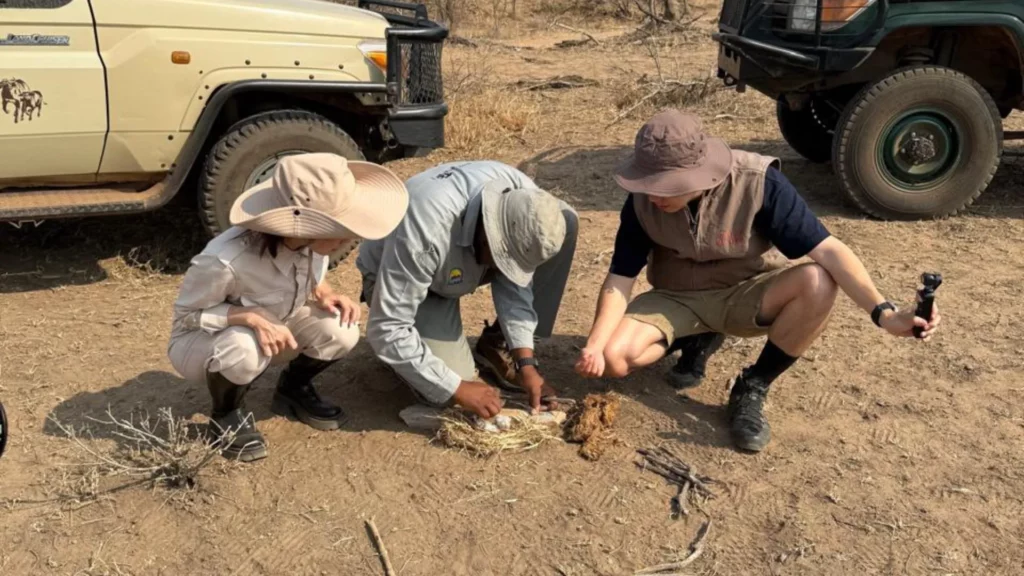
South Africa is the largest and most developed film production centre in the region. Cape Town and Johannesburg provide extensive local crews, equipment houses, studios and international production experience.
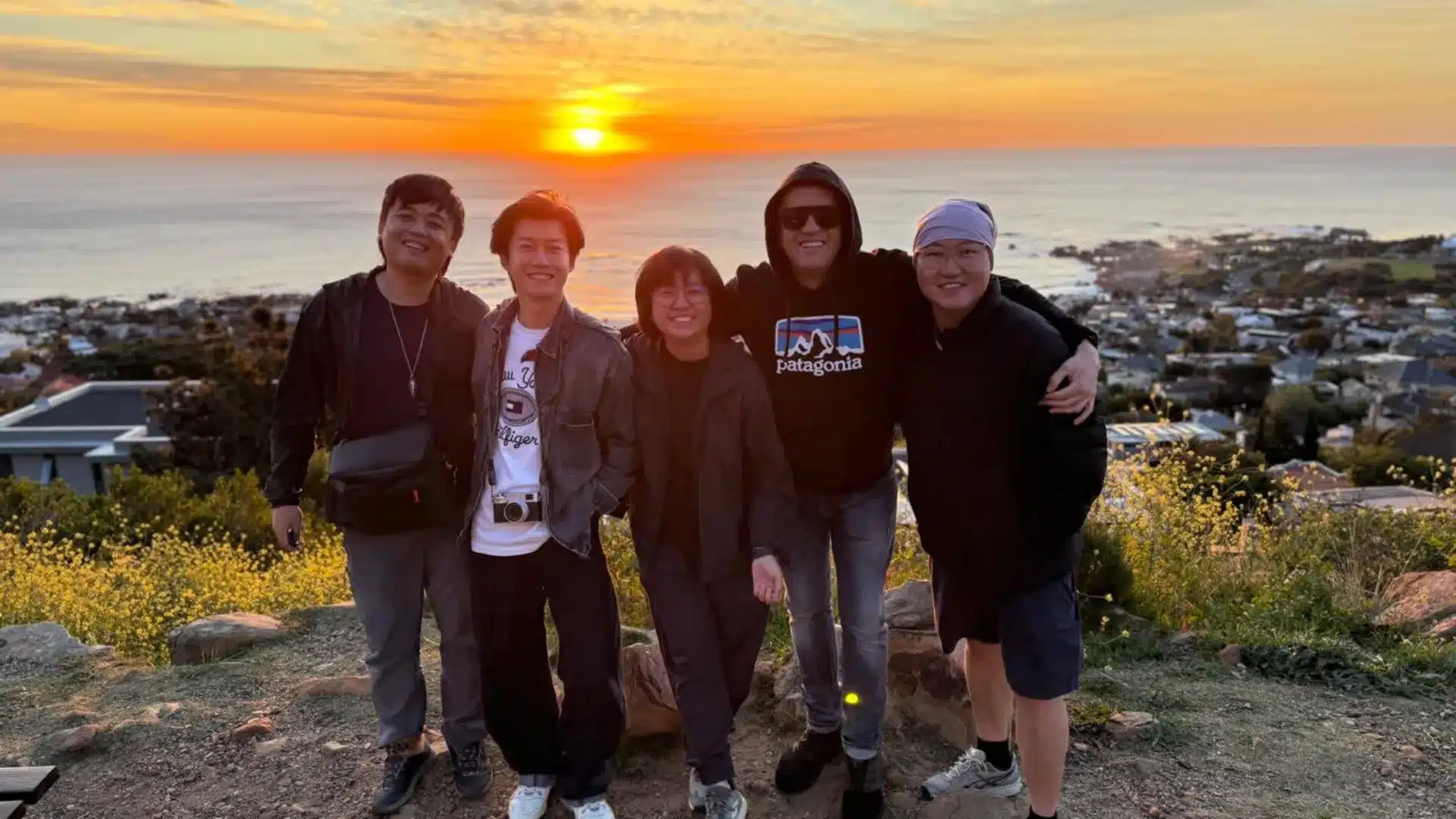
The country delivers enormous location diversity, including beaches, mountains, vineyards, deserts, modern cities, historic architecture, forests, savannah, farmland and coastlines. Cape Town in particular doubles for numerous international environments, making it especially attractive for commercials, fashion, television, features and branded content.
Experienced South African film fixers coordinate permits, crews, equipment, locations, casting, vehicles, accommodation, catering, customs and complete production support.
View South African Fact Sheet >
Shooting in Namibia
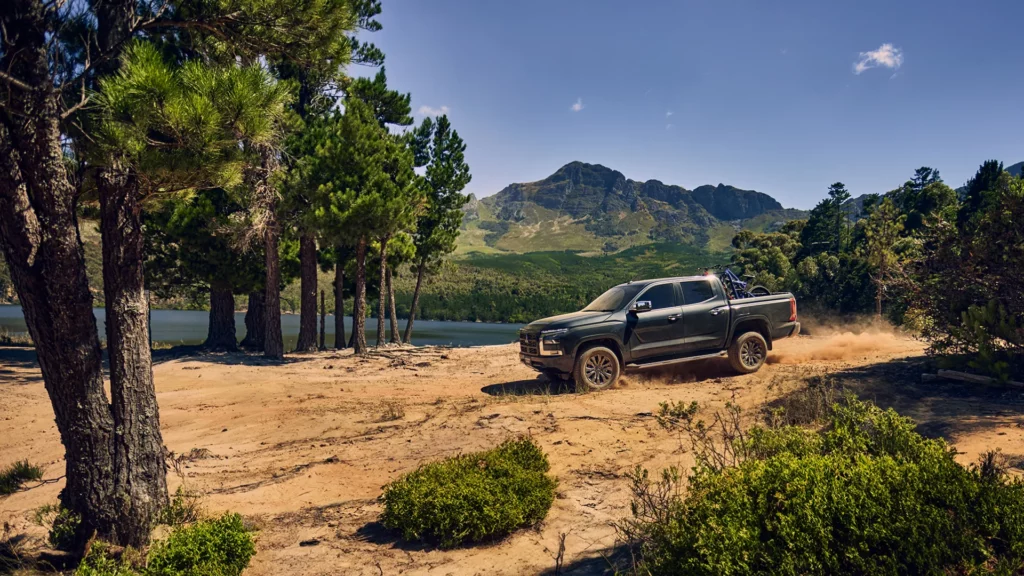
Few destinations replicate Namibia visually. The Namib Desert, Sossusvlei, Skeleton Coast, Swakopmund, Walvis Bay, Atlantic coastline and vast open landscapes are difficult to reproduce elsewhere.
These environments suit commercials, automotive, fashion, documentaries, factual television, adventure programming, features and branded content.
Namibian film fixers coordinate permits, location scouting, crew, equipment, vehicles, accommodation, customs, catering and remote-location logistics. For desert briefs, the location itself often represents the largest cost saving.
Shooting in Botswana
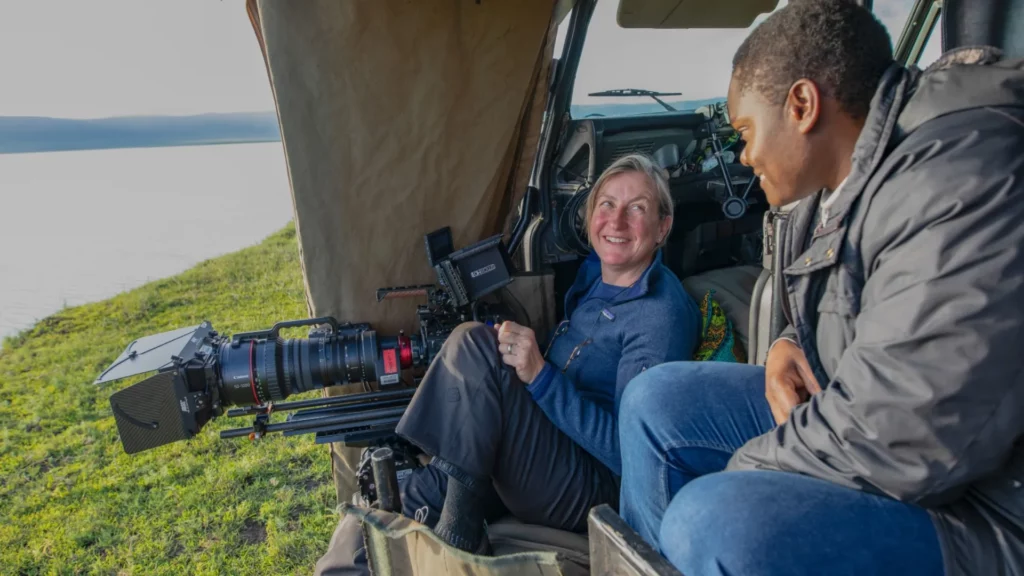
Botswana is internationally recognised for extraordinary wildlife and wilderness environments. Productions can access the Okavango Delta, Chobe, Makgadikgadi Pans and Kalahari — among Africa’s most distinctive natural filming locations.
The country is particularly strong for wildlife documentaries, natural-history programming, factual television, travel, commercials and branded content.
Botswana film fixers coordinate permits, park and conservation permissions, wildlife filming logistics, crew, specialist vehicles, accommodation, customs and remote support. In remote production, good fixing directly affects the budget.
Shooting in Zimbabwe
Zimbabwe provides an unusually broad range of production environments, including Victoria Falls, Hwange National Park, Lake Kariba, Mana Pools, the Eastern Highlands, Harare, Bulawayo and extensive rural landscapes.
The country works particularly well for documentaries, factual television, wildlife, travel, commercials and branded productions.
Zimbabwean film fixers assist with permits, government permissions, locations, crew, casting, equipment, vehicles, accommodation, customs and complete production support. For productions considering Botswana, Zambia or South Africa, Zimbabwe should also be evaluated as part of a wider regional strategy.
Shooting in Zambia
Zambia offers exceptional natural-history and location-driven production opportunities, including Victoria Falls, the Zambezi, South Luangwa, Lower Zambezi, Kafue and numerous wilderness environments.
The country is particularly relevant for wildlife documentaries, factual television, adventure programming, travel series, commercials, branded content and conservation films.
Zambian film fixers coordinate permits, park permissions, local crews, locations, transport, accommodation, customs, equipment and remote logistics.
Shooting in Mozambique
Mozambique gives international producers access to a different side of Southern Africa. With extensive Indian Ocean coastline, tropical islands, beaches, historic architecture, cities and rural landscapes, the country provides environments difficult to reproduce elsewhere in the region.
Potential filming locations include Maputo, Vilanculos, Bazaruto, Tofo and Ilha de Moçambique.
Mozambican film fixers assist with permits, locations, local crew, casting, equipment, transport, accommodation, customs and complete production support. For commercials, travel, fashion, documentaries and branded content requiring tropical African environments, Mozambique deserves serious consideration.
Shooting in Angola
Angola remains one of Southern Africa’s most visually interesting and comparatively under-filmed international production destinations. The country offers modern Luanda, Atlantic coastline, dramatic desert landscapes, waterfalls, mountains and Portuguese-influenced architecture.
That creates an important creative advantage: on-location work in Angola can give an international production a look audiences have not already seen hundreds of times.
Working with experienced Angolan film fixers is particularly important because permits, customs, equipment importation, transport and local permissions need careful advance coordination.
Shooting in Malawi
Malawi offers another underused Southern African destination. Lake Malawi provides an enormous freshwater environment delivering beaches, islands, fishing communities and expansive horizons, while the country also offers mountains, tea estates, rural landscapes and cultural locations.
Productions can work with local teams coordinating permits, locations, crew, vehicles, accommodation, equipment, customs and logistics.
Malawian film fixers are particularly valuable for productions travelling beyond the principal cities and into remote locations.
Shooting in Lesotho
Lesotho provides one of Southern Africa’s most distinctive mountain filming environments. High-altitude roads, traditional villages, mountains, rivers, seasonal snow and dramatic landscapes make the country attractive for automotive, fashion, adventure, documentaries and travel productions.
Its proximity to South Africa creates opportunities to combine South African production infrastructure with Lesotho filming locations.
Lesotho film fixers coordinate permits, crew, locations, vehicles, accommodation, border logistics and on-location production support.
Shooting in Eswatini
Eswatini provides a compact production environment with mountains, valleys, wildlife areas, rural communities, cultural locations and accessible road networks.
Shorter travel distances between locations can reduce company moves and transport time.
Eswatini film fixers coordinate permits, locations, crew, transport, accommodation, casting and production logistics. For the right brief, operational efficiency can be as valuable as a headline incentive.
Southern Africa vs Major Global Film Incentive Territories
International producers should compare on-location work in Southern Africa with established production destinations using the complete production budget. The objective is not to claim Southern Africa is always cheaper — it is to ensure the region is compared correctly.
| Financial Comparison | Major Incentive Territory | Southern Africa |
| Headline film incentive | Often significant | Varies substantially by country |
| Gross production cost | Can be higher | Potentially highly competitive |
| Crew rates | Mature market pricing | Competitive in many territories |
| Equipment | Large established inventories | Strongest in South Africa; local or import options elsewhere |
| Locations | Established location markets | Exceptional variety and production value |
| Location fees | Often highly structured | Can be competitive depending on location |
| Vehicles | Market-driven | Often competitive |
| Accommodation | Can represent major budget item | Wide range of price points |
| Incentive administration | Audit, finance and legal requirements | Depends on territory |
| Cash-flow benefit | Often recovered after expenditure | Lower line items reduce expenditure immediately |
| Best fit | Depends on production | Docs, commercials, factual, wildlife, fashion, reality, branded and selected scripted |
The Hidden Financial Value of Lower Line-Item Costs
Small differences become substantial when multiplied across a production. Consider a hypothetical saving of $100 per crew member per day, across 30 crew for a 20-day production:
$100 × 30 × 20 = $60,000
That is $60,000 saved before comparing equipment, vehicles, cast, locations, accommodation, catering, permits, travel, fixers or production management. Unlike a rebate, that $60,000 does not first have to leave the production account.
The production simply doesn’t spend it.
Film Rebate vs Production Saving
These are two fundamentally different financial mechanisms.
Film incentive: money potentially recovered after eligible production expenditure has occurred.
Production saving: money that never needs to be spent.
A lower hotel rate saves money immediately. A competitive local crew rate saves money immediately. A negotiated equipment package saves money immediately. Efficient vehicle planning saves money immediately. A negotiated location fee saves money immediately.
Experienced local film fixers can help prevent unnecessary prep days, company moves, overtime, permit delays and logistical problems. Film production support in Southern Africa should therefore be viewed as part of the production’s financial strategy — not merely a logistical service.
Southern Africa as a Multi-Country Filming Region
One of the region’s strongest advantages is the ability to consider it collectively. For the right project, a production might use South Africa as its principal hub, combine it with Namibia for desert locations, Botswana or Zambia for wildlife, Mozambique for tropical coastlines and Lesotho for mountain sequences.
The correct structure depends entirely on the project. Working with an experienced Southern Africa film fixer and production-services network allows producers to compare those options before committing significant budget.
Why Shoot in Southern Africa in the 2026/27 Production Season?
For productions planning shoots during the 2026/27 Southern Hemisphere summer, Southern Africa deserves particular attention. While Europe and North America move through autumn and winter, much of Southern Africa enters its spring and summer production period.
That can make the region particularly interesting for productions requiring:
- summer lifestyle imagery
- beaches and coastlines
- outdoor commercials
- fashion shoots
- automotive productions
- landscapes
- travel programming
- branded content
- documentary production
- reality television
- wildlife and factual programming
South Africa provides the major production infrastructure, while surrounding territories dramatically expand the available location palette.
What International Producers Should Compare Before Choosing a Filming Location
Before selecting a destination primarily because of its incentive, request three figures.
1. Gross Production Cost
What will the production actually cost before incentives?
2. Realistically Recoverable Film Incentive
How much of the specific production expenditure is realistically expected to qualify? Do not simply apply the advertised headline percentage to the entire budget.
3. Final Net Production Cost
What remains after the realistic incentive has been deducted and the cost of accessing, financing and administering that incentive has been considered?
Then compare that figure with a properly budgeted production in South Africa, Namibia, Botswana, Zimbabwe, Zambia, Mozambique, Angola, Malawi, Lesotho or Eswatini.
Frequently Asked Questions About Filming on Location in Southern Africa
Is Southern Africa a good region for international film production?
Southern Africa is a strong region for international film production. It combines established production infrastructure, experienced film crews, film fixers, diverse filming locations and potentially competitive production costs. South Africa is the principal industry centre, while Namibia, Botswana, Zimbabwe, Zambia, Mozambique, Angola, Malawi, Lesotho and Eswatini expand the creative and geographic range available.
Which country has the strongest film production industry in Southern Africa?
South Africa has the region’s largest established production industry, with extensive crews, equipment suppliers, studios, production companies and international production experience. Cape Town and Johannesburg are the primary production hubs.
Do international productions need film fixers in Southern Africa?
Experienced local production support is strongly recommended. Film fixers in Southern Africa coordinate filming permits, government permissions, locations, local film crews, casting, equipment, transport, accommodation, customs and remote logistics.
What does a film fixer in Southern Africa do?
A film fixer acts as the international production’s local operational partner. Support typically includes research, filming permits, location scouting, crew sourcing, casting, equipment coordination, transport, accommodation, catering, customs, government permissions, risk assessment and complete on-location production management.
Which Southern African countries are best for wildlife filming?
Botswana, South Africa, Zambia, Zimbabwe and Namibia all offer exceptional wildlife environments. The correct choice depends on species, habitat, season, access requirements, filming permissions, logistics and budget.
Where can productions film desert locations in Southern Africa?
Namibia is particularly well known for desert filming, including the Namib and Sossusvlei. Angola and South Africa can also provide distinctive desert and semi-desert filming locations depending on the creative brief.
Where can international producers film tropical beaches in Southern Africa?
Mozambique provides extensive Indian Ocean coastline, islands and tropical beach environments. South Africa also provides substantial coastline, while the correct destination depends on the exact visual requirement.
Is filming on location in Angola suitable for international productions?
Angola is suitable for international productions when properly planned. It offers distinctive and comparatively under-filmed locations. Experienced film fixers in Angola coordinate permits, customs, locations, crew, transport, accommodation and complete production support.
Can South Africa be used as a production base for shoots elsewhere in Southern Africa?
For some productions, South Africa’s extensive production infrastructure makes it useful as a regional production base, particularly when specialist crew or equipment is required. Whether this is the right structure depends on the destination country, filming schedule, equipment package and customs considerations.
How should I compare Southern Africa with a country offering a large film rebate?
Request like-for-like production budgets. Compare crew, equipment, cast, locations, permits, vehicles, accommodation, catering, travel, customs and production support. Then subtract the realistically recoverable incentive and its administration cost from each option to reach a true final net production cost.
Are filming permits required when filming on location in Southern Africa?
Permit requirements vary by country and filming location. National filming permits, municipal permissions, national park permissions, aviation approvals, government clearances and private location agreements may apply. Local film fixers coordinate all necessary permissions.
Can Hoodlum support multi-country shoots across Southern Africa?
Hoodlum Film Fixers can coordinate production support across multiple Southern African countries, allowing international producers to manage regional productions through a coordinated production services network.
Why Use Hoodlum for Film Production in Southern Africa
Hoodlum Film Fixers provides film fixers and production services for international productions on location in Southern Africa. Production support can include:
- • film fixers and local producers
- • complete film production support
- • local film crews
- • filming permits and government permissions
- • location scouting and location management
- • camera, lighting, grip and sound equipment
- • casting, contributors and extras
- • production vehicles and drivers
- • accommodation
- • catering and craft
- • customs and temporary equipment importation
- • drone filming support
- • security and risk support where required
- • domestic and regional travel
- • complete on-location production management
Hoodlum supports international producers filming across South Africa, Namibia, Botswana, Zimbabwe, Zambia, Mozambique, Angola, Malawi, Lesotho and Eswatini.
For productions comparing countries, Hoodlum can also prepare like-for-like production budgets, allowing producers to compare actual production costs rather than relying solely on advertised film incentives.
Request a Southern Africa Filming Budget
Planning a commercial, documentary, factual series, branded-content production, fashion shoot, reality production or feature in Southern Africa?
Send Hoodlum your production brief, proposed dates, crew size, equipment requirements and preferred locations. We can compare suitable Southern African filming destinations and prepare an indicative production budget.
The Bottom Line: Compare Production Value and Final Net Cost
Film incentives matter. But the largest advertised rebate does not automatically mean the lowest final production budget.
International producers should compare crew, equipment, cast, locations, filming permits, vehicles, accommodation, catering, customs, travel, film fixers and production support then calculate the incentive that the production can realistically recover.
Gross Production Cost − Realistic Incentive = Final Net Production Cost
For commercials, documentaries, factual television, wildlife, fashion, branded content, reality productions and selected scripted projects, on-location work in Southern Africa can offer a powerful combination of production value and financial efficiency.
The question should therefore not simply be “Where can I get the biggest film rebate?” It should be “Where can I achieve the production value I need at the best final net cost?” For the right production, the answer may well be Southern Africa.
Request a Southern Africa Filming Budget
Send Hoodlum your brief, dates, crew size and location requirements. We can compare suitable Southern African filming destinations and prepare an indicative production budget.